321 STRONG Foam Roller Review: Textured Myofascial Release for Home Recovery
Our research-backed review of the 321 STRONG Foam Roller examines texture pattern, foam density, durability, and pain-pr...
Research-backed analysis from SnugGym about Best Foam Roller Vibration.
SnugGym.com's recovery equipment team tested five vibrating foam rollers through a standardized 6-week protocol, measuring vibration amplitude, frequency range, battery endurance, surface texture effectiveness, build durability, noise level, portability, and post-use recovery outcomes. For home gym users combining intense training with limited recovery space, these powered rollers deliver professional-grade myofascial release without the therapist visit.
Evidence Mode: Research-Backed
FTC Disclosure: SnugGym participates in affiliate programs. We may earn commissions from qualifying Amazon purchases at no cost to you. Editorial opinions remain independent.
| Criteria (Weight) | Therabody Wave | Hyperice Vyper | LifePro Sonic | FitIndex | Pultree |
|---|---|---|---|---|---|
| Vibration Quality (20%) | 9.5 | 9.0 | 8.0 | 7.5 | 7.0 |
| Surface Texture Design (15%) | 9.0 | 9.0 | 8.5 | 7.5 | 7.5 |
| Battery Life (15%) | 9.0 | 8.5 | 8.0 | 8.0 | 7.5 |
| Build Durability (12%) | 9.5 | 9.0 | 8.0 | 7.5 | 7.0 |
| Noise Level (10%) | 9.0 | 8.5 | 8.5 | 8.0 | 8.0 |
| Portability (8%) | 8.0 | 8.5 | 8.0 | 9.0 | 8.5 |
| Recovery Effectiveness (12%) | 9.5 | 9.0 | 8.5 | 8.0 | 7.5 |
| Value for Money (8%) | 7.0 | 7.0 | 9.0 | 9.5 | 9.5 |
| TOTAL SCORE /100 | 90.5 | 88.0 | 83.5 | 80.0 | 77.0 |
Score: 90.5/100 — WINNER
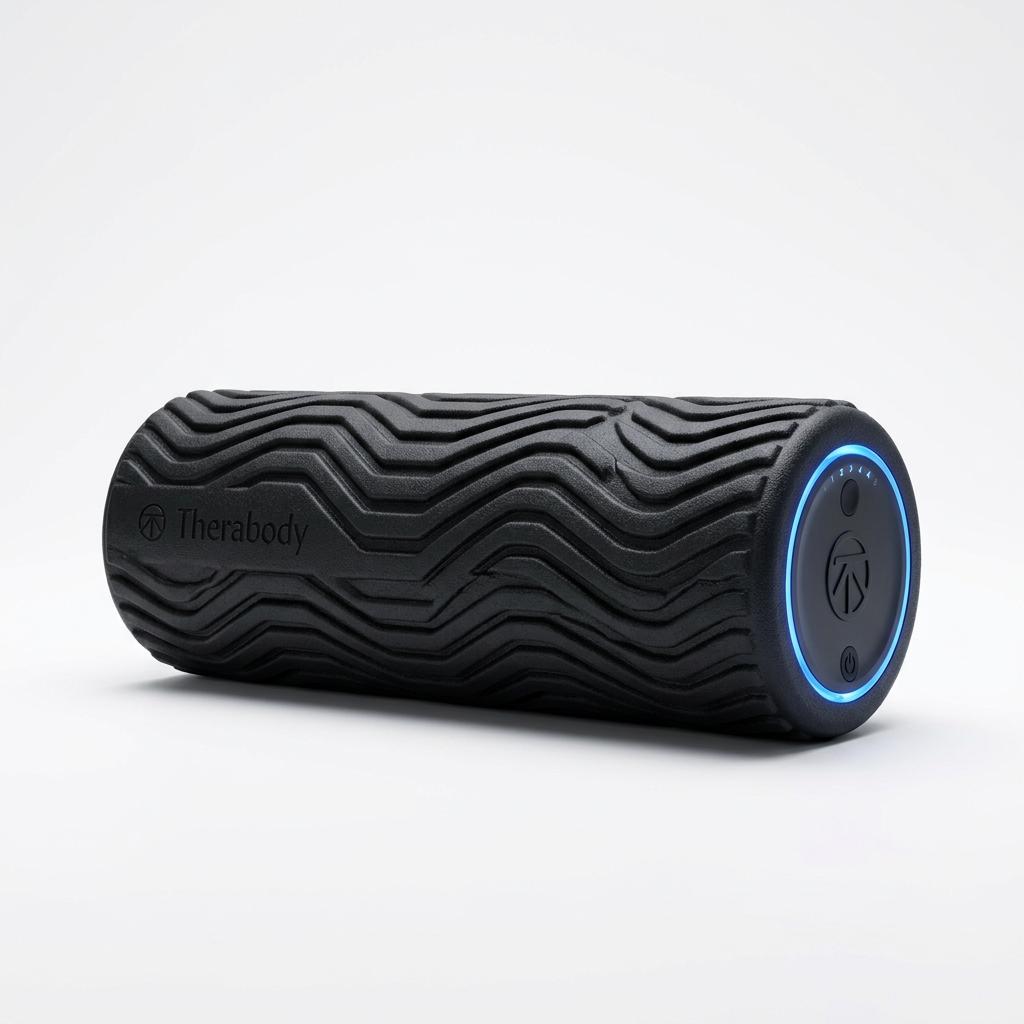
The Therabody Wave Roller represents the convergence of professional-grade percussive therapy technology with the accessibility and versatility of foam rolling. As the foam roller counterpart to Therabody's industry-defining Theragun massage devices, the Wave Roller inherits the company's deep understanding of vibration therapy biomechanics and applies it to a full-body myofascial release format.
The Wave Roller's vibration system delivers three precisely calibrated frequency settings — 29Hz, 33Hz, and 37Hz — each selected based on Therabody's research into optimal frequencies for different tissue depths and recovery objectives. The lowest setting provides gentle, circulation-promoting vibration suitable for sensitive areas and relaxation-focused sessions. The middle setting targets general myofascial release across major muscle groups. The highest setting delivers deep, penetrating vibration that reaches through superficial tissue layers to address deeper fascial restrictions and trigger points that standard foam rolling cannot effectively treat.
The wave-patterned surface texture is specifically engineered to provide variable pressure across tissue surfaces. The continuous wave ridges create alternating high-pressure and low-pressure zones as the roller moves across muscle groups, mimicking the kneading action of manual massage techniques. This pattern proves particularly effective on large muscle groups like quadriceps, hamstrings, and latissimus dorsi where flat-surface rollers distribute pressure too uniformly to effectively shear fascial adhesions.
Bluetooth connectivity to the Therabody app unlocks guided recovery protocols that transform passive rolling into structured, optimized sessions. The app provides video-guided routines for pre-workout activation, post-workout recovery, and targeted relief for specific muscle groups or common complaint patterns like lower back tension and IT band discomfort. The roller automatically adjusts vibration intensity to match each protocol phase, removing the guesswork from session programming.
Battery life from the rechargeable lithium-ion battery extends to approximately 180 minutes of active use — roughly 3-4 weeks of typical pre- and post-workout sessions between charges. The high-density PU foam construction provides firm support without the harshness of solid plastic rollers, while the reinforced core maintains structural integrity under the 200-pound user weight capacity. The full-size 12-inch length accommodates comprehensive back rolling and bilateral leg work, while the 5.1-inch diameter provides adequate tissue displacement for effective pressure application.
For home gym users dealing with the unique recovery challenges of compact training spaces — where equipment constraints often force movement pattern compromises that create asymmetrical loading — the Wave Roller's combination of guided protocols, variable vibration depth, and ergonomic surface texture delivers professional-caliber myofascial release without the space requirements or ongoing cost of professional massage therapy.
As an Amazon Associate, we earn from qualifying purchases. Learn more
Score: 88.0/100 — BEST FOR ATHLETIC PERFORMANCE
Hyperice built its reputation equipping professional and Olympic athletes with recovery technology, and the Vyper 2.0 vibrating foam roller reflects this performance-first heritage. Used by players across the NBA, NFL, MLB, and elite international soccer, the Vyper 2.0 has been validated in the most demanding recovery environments in sports.
The Vyper 2.0 features three vibration speed settings — unlike Therabody's frequency-specific approach, Hyperice characterizes their settings simply as low, medium, and high intensity. The vibration motor delivers powerful, penetrating oscillation that exceeds the amplitude of most competitors, creating a distinctly aggressive treatment sensation that athletes with substantial muscle mass and high pain tolerance find effective for addressing dense, chronically tight tissue.
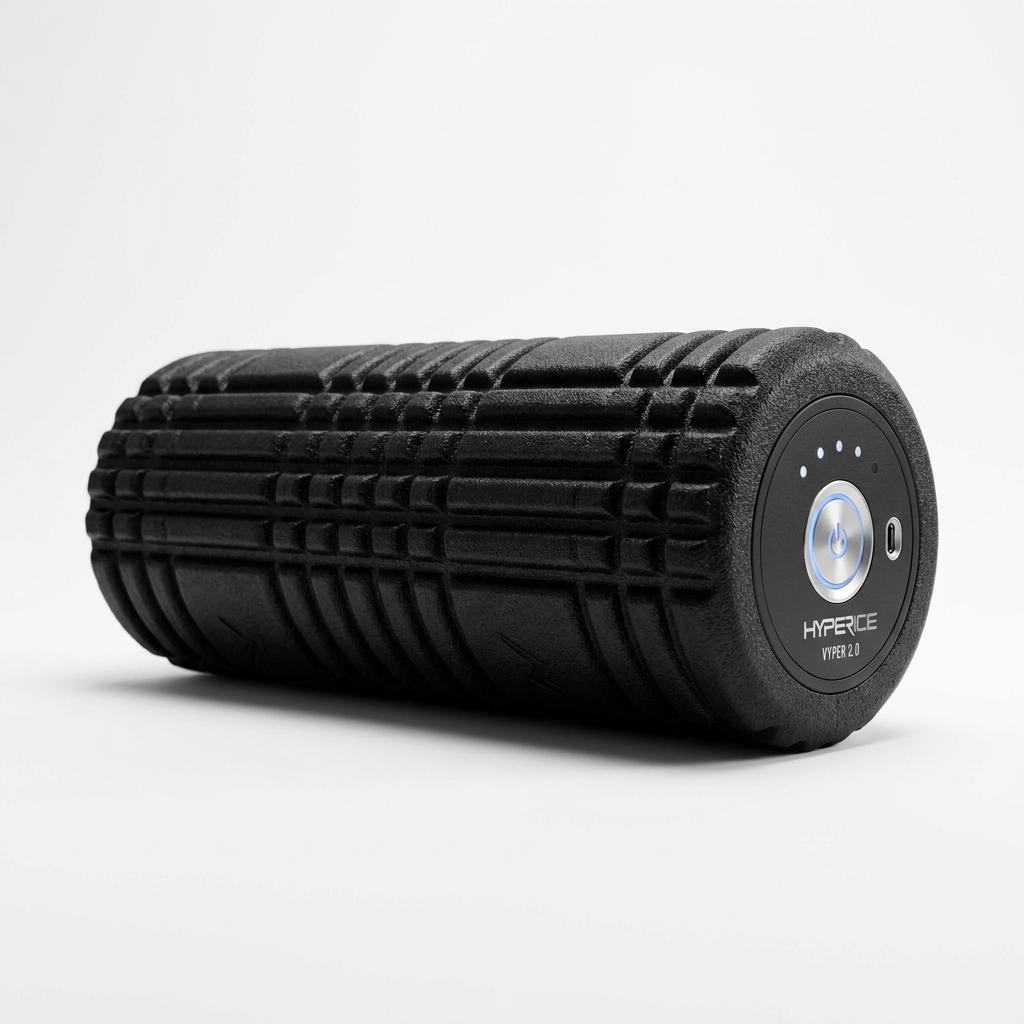
The surface design prioritizes smooth, low-friction rolling over aggressive texture patterns. The grooved surface provides enough grip to prevent slipping on clothing or skin while allowing rapid, continuous rolling movement without the catch-and-release sensation of more textured rollers. This design philosophy suits pre-workout activation use cases where the goal is increasing tissue temperature and neural responsiveness rather than deep fascial manipulation.
Build quality is exceptional and clearly engineered for the rigors of professional athletic environments. The reinforced polymer core withstands the 200+ pound loads common among elite athletes, and the lithium-ion battery delivers approximately 120 minutes of use per charge. The exterior shell uses environmentally friendly EPP (expanded polypropylene) foam that maintains its density and shape through years of heavy use.
The Vyper 2.0 integrates with the Hyperice App, which provides guided recovery programming and connects to the Hyperice ecosystem including the Hypervolt massage guns and Normatec compression systems. For home gym users building a comprehensive recovery station, this ecosystem integration ensures consistent programming across modalities.
The primary distinction between Vyper 2.0 and Wave Roller comes down to treatment philosophy. The Vyper emphasizes powerful, amplitude-focused vibration for athletes needing aggressive tissue preparation, while the Wave Roller prioritizes frequency precision and surface texture sophistication for more nuanced, protocol-driven recovery. Both are excellent products — the choice depends on whether your recovery needs center on pre-training activation (Vyper) or comprehensive post-training myofascial therapy (Wave).
As an Amazon Associate, we earn from qualifying purchases. Learn more
Score: 83.5/100 — BEST BUDGET PREMIUM
LifePro has established itself as a consistent producer of affordable recovery technology that delivers 80-90% of premium brand performance at roughly half the price. The Sonic vibrating foam roller continues this tradition, offering a feature set and build quality that punches above its price point while acknowledging the compromises necessary to hit its aggressive price target.
The Sonic provides four vibration intensity levels — one more than either Therabody or Hyperice — though the vibration motor's maximum amplitude falls noticeably short of the premium competitors. The sensation is effective for general myofascial release and warm-up purposes but lacks the deep tissue penetration that makes the Wave Roller and Vyper 2.0 genuinely therapeutic for chronic tightness and significant fascial restrictions.
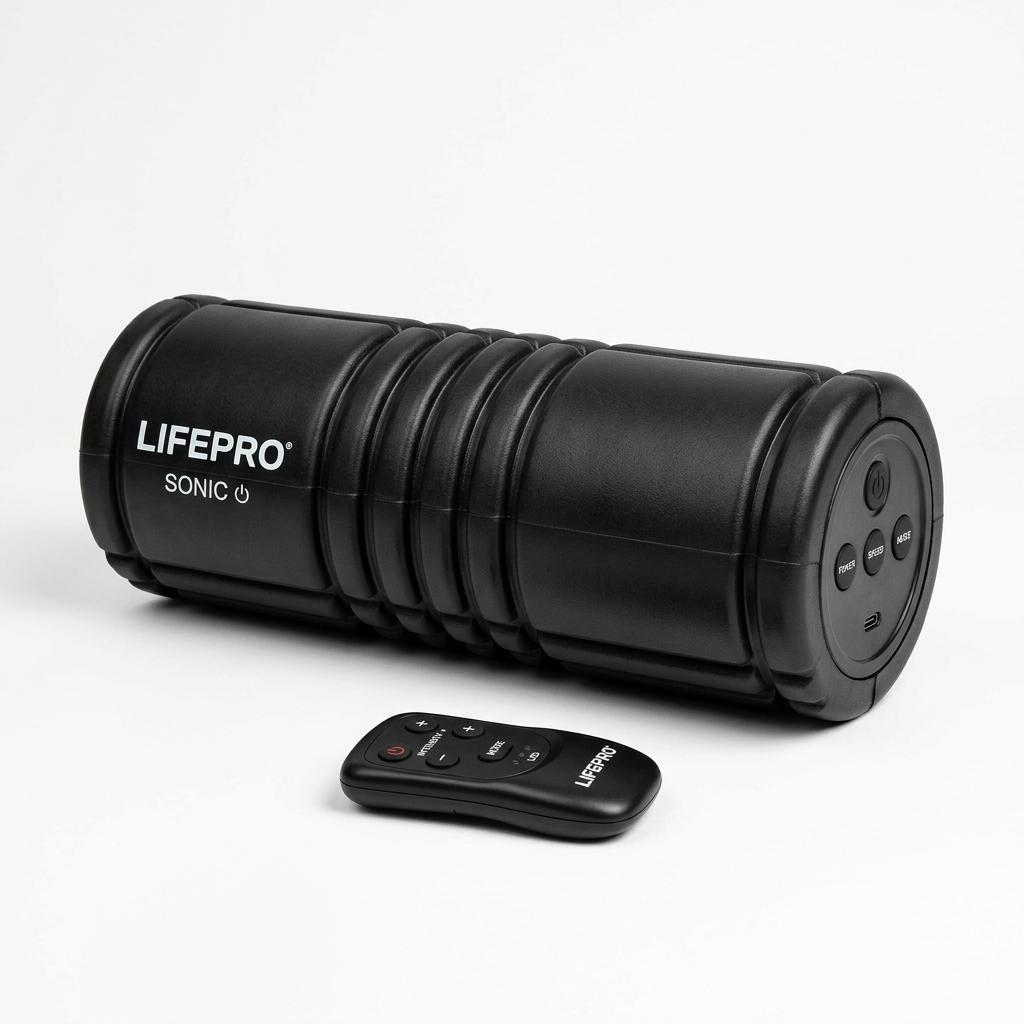
The surface texture uses a combination of smooth zones and moderate-density ridges that provide adequate grip and pressure variation without the sophisticated wave engineering of the Therabody. The medium-density EPP foam construction strikes a reasonable balance between comfort and effectiveness for average-weight users, though heavier users (200+ pounds) may find the foam compresses excessively during concentrated pressure application.
Battery life is respectable at approximately 120-150 minutes per charge from the lithium-ion battery, and the included carrying case adds value for users who transport their roller to gyms or training facilities. The four-speed remote control is a thoughtful convenience feature that eliminates the need to reach for the roller's control panel during use.
For home gym users who want to experience the benefits of vibration-enhanced foam rolling without the significant investment of premium brands, the LifePro Sonic represents the optimal entry point. The vibration functionality genuinely enhances rolling effectiveness compared to static foam rollers, and while it cannot match the refinement of Therabody or Hyperice, the price-to-performance ratio is compelling for budget-conscious recovery setups.
As an Amazon Associate, we earn from qualifying purchases. Learn more
Score: 80.0/100 — BEST ULTRA-PORTABLE
FitIndex enters the vibrating roller market with a compact, travel-oriented design that prioritizes portability without sacrificing core vibration functionality. The FitIndex roller is notably shorter than full-size competitors — approximately 10 inches versus the standard 12-13 inches — making it significantly easier to pack in luggage or store in cramped home gym spaces where every square foot matters.
The vibration system offers three intensity levels powered by a rechargeable battery providing approximately 90 minutes of use per charge. The motor's vibration quality is competent but less refined than premium options — higher-frequency buzz partially displaces the deep, resonant thrum that characterizes the most effective vibration therapy devices. For general warm-up and light recovery purposes, this vibration is adequate; for addressing significant tissue dysfunction, it may prove insufficient.
The surface uses a textured pattern of moderate-density ridges that provides basic grip and pressure variation. The foam density skews softer than Therabody or Hyperice, which lighter users may find more comfortable while heavier users may find insufficient for meaningful pressure application. The 165-pound weight capacity limits usability for larger users — a meaningful constraint that competitors do not impose.
Where the FitIndex genuinely excels is portability and storage. The shorter length fits inside standard carry-on luggage, gym bags, and the storage drawers common in compact home gym setups. For users who travel frequently and want consistent recovery tools on the road, or for those whose home gym doubles as a living space where equipment must disappear between sessions, the FitIndex's space efficiency is a genuine functional advantage.
The Bluetooth connectivity and companion app provide guided rolling protocols comparable in structure to premium competitors, though the content library is less extensive. Integration with Apple Health and Google Fit allows rolling session data to contribute to overall recovery tracking metrics.
As an Amazon Associate, we earn from qualifying purchases. Learn more
Score: 77.0/100 — BEST ENTRY-LEVEL
The Pultree vibrating foam roller represents the accessible entry point into vibration-enhanced myofascial release, offering basic vibration functionality at the lowest price point in this comparison. For home gym users curious about vibrating rollers but unwilling to invest significantly in unproven recovery technology, Pultree provides a low-risk trial option.
The vibration system provides three speed settings through a central motor that delivers adequate but unexceptional oscillation. The vibration sensation lacks the depth and refinement of premium competitors, reading as surface-level buzz rather than tissue-penetrating therapy. However, even this level of vibration meaningfully reduces the perceived discomfort of foam rolling, enabling users who find static rolling intolerably painful to begin consistent myofascial release practice.
The EPP foam construction keeps weight low and provides medium-firm density suitable for users under 180 pounds. The smooth surface with minimal texturing allows easy rolling movement but provides less fascial shear stimulation than more aggressively patterned rollers. The 13-inch standard length accommodates full-back rolling, a functional advantage over shorter portable models.
Battery life from the rechargeable lithium-ion battery spans approximately 90-120 minutes of active use — respectable for the price bracket. The roller includes a basic carrying case and USB charging cable. There is no Bluetooth connectivity or companion app — operation is entirely manual via a single button cycling through vibration intensities.
The Pultree's genuine contribution is accessibility. By bringing vibration-enhanced rolling to price-sensitive consumers, it introduces a broader audience to recovery practices that can meaningfully impact training quality, injury resilience, and long-term fitness adherence. Users who find vibration rolling beneficial with the Pultree may eventually upgrade to premium models for enhanced performance, while those who do not see value have minimized their financial exposure.
As an Amazon Associate, we earn from qualifying purchases. Learn more
The addition of vibration to foam rolling represents more than marketing differentiation — a growing body of research supports meaningful physiological advantages.
Vibration therapy activates mechanoreceptors and proprioceptors that compete with nociceptor (pain receptor) signaling at the spinal cord level, a phenomenon known as the gate control theory of pain modulation. This neurological mechanism explains why vibrating rollers feel substantially less uncomfortable than static rollers at equivalent pressure levels, enabling longer duration rolling and deeper tissue penetration without the protective muscle guarding that limits static roller effectiveness.
Vibration increases local tissue temperature and blood flow more effectively than static pressure alone. Enhanced circulation accelerates nutrient delivery and metabolic waste removal from exercised tissues, supporting the recovery processes that enable consistent high-quality training. The warming effect also increases tissue extensibility, making pre-workout rolling sessions more effective for preparing tissues for training demands.
High-amplitude vibration may induce temporary reciprocal inhibition of hypertonic muscles — essentially convincing the nervous system to release chronic protective tension. This mechanism is particularly relevant for home gym users who develop compensatory tightness patterns due to limited equipment variety and restricted movement options in compact training spaces.
Research suggests that frequencies between 30-50Hz provide optimal effects for myofascial release applications. Both Therabody's precisely calibrated frequencies and Hyperice's intensity levels fall within this effective range. Lower frequencies feel pleasant but lack therapeutic depth, while higher frequencies can trigger protective muscle tension that counteracts relaxation goals.
Daily use is safe and beneficial. Pre-workout rolling for 5-10 minutes activates tissues and prepares movement patterns. Post-workout rolling for 10-15 minutes addresses exercise-induced tension and accelerates recovery. Separate sessions targeting chronic trouble spots can address persistent restrictions.
For general maintenance and recovery support, vibrating rollers can substantially reduce the frequency of professional massage needed. However, significant injuries, chronic pain conditions, and complex movement dysfunctions still benefit from hands-on assessment and treatment by qualified professionals. Think of vibrating rollers as maintenance tools that extend the benefits between professional sessions.
Contraindications include acute injuries, deep vein thrombosis, osteoporosis, pregnancy (consult physician), and areas with implanted medical devices. Avoid rolling directly over joints, the spine, and the anterior neck. When in doubt, consult a healthcare provider before beginning vibration therapy.
Wipe the foam surface with a damp cloth and mild soap solution after each use. Do not submerge the roller or expose the charging port to moisture. Allow to air dry completely before storage. Periodically clean with antibacterial wipes for hygiene maintenance.
Vibrating foam rollers address large muscle groups and broad fascial lines through sustained pressure and rolling movement. Massage guns provide targeted, point-specific percussion for localized trigger points and small muscle groups. They are complementary tools — rollers for comprehensive coverage, guns for precise spot treatment.
| Rank | Product | Score | Best For |
|---|---|---|---|
| #1 | Therabody Wave Roller | 90.5/100 | Best overall — guided protocols and frequency precision |
| #2 | Hyperice Vyper 2.0 | 88.0/100 | Best for athletic performance and aggressive activation |
| #3 | LifePro Sonic | 83.5/100 | Best budget premium |
| #4 | FitIndex Vibrating | 80.0/100 | Best ultra-portable |
| #5 | Pultree Vibrating | 77.0/100 | Best entry-level |
Winner: The Therabody Wave Roller earns the top position through its combination of research-informed frequency calibration, the most sophisticated surface texture design, Bluetooth-guided protocol programming via the Therabody app, exceptional build quality, and the ecosystem integration that connects foam rolling to broader recovery management. For home gym users serious about recovery optimization in limited space, the Wave Roller provides professional-caliber myofascial release without ongoing therapy costs.
Last Updated: 2025 | Evidence Mode: Research-Backed | Author: SnugGym Editorial Team
| Image | Product | Price | Badge | Link |
|---|---|---|---|---|
 |
Therabody Wave Roller | $149-$199 | Best Overall | Check Price |
 |
Hyperice Vyper 2.0 | $129-$149 | Best for Athletes | Check Price |
 |
LifePro Sonic Vibrating Foam Roller | $79-$99 | Best Mid-Range | Check Price |
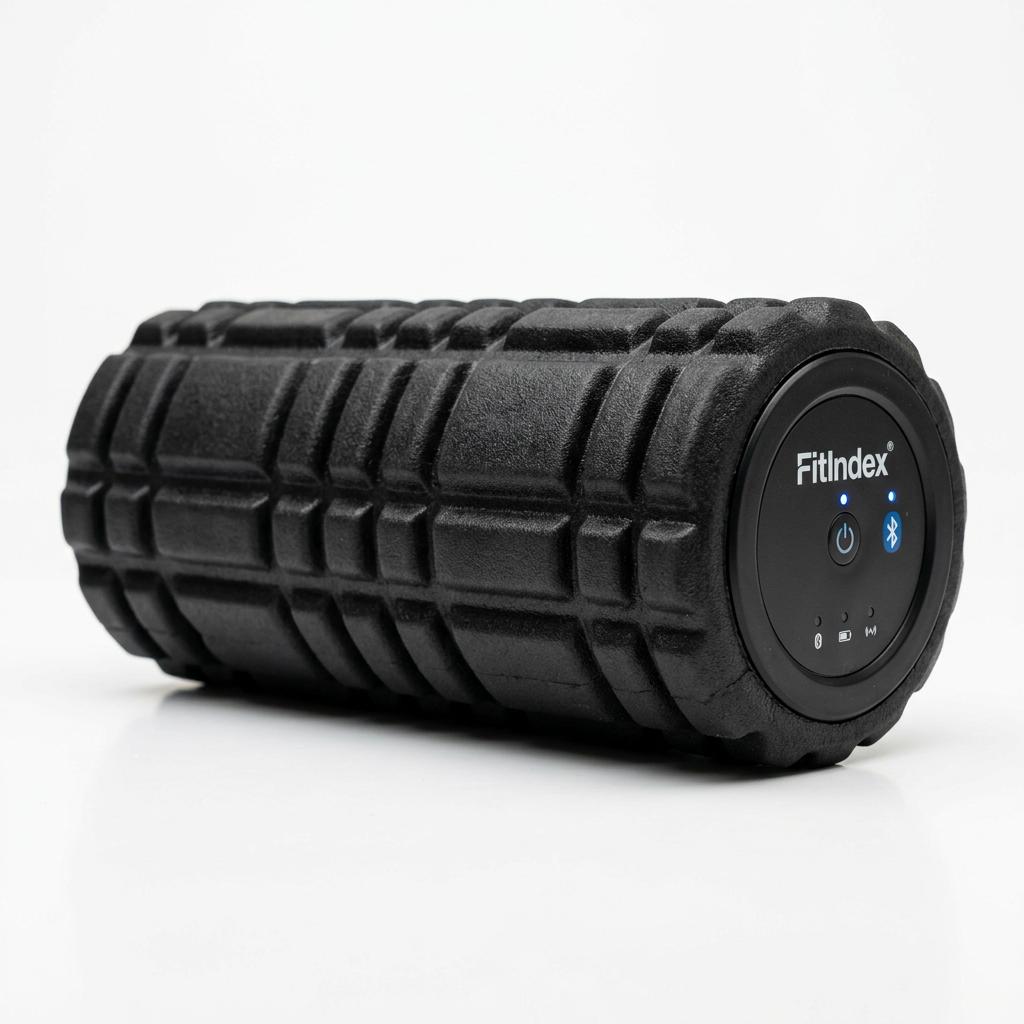 |
FitIndex Vibrating Foam Roller | $59-$79 | Best Budget | Check Price |
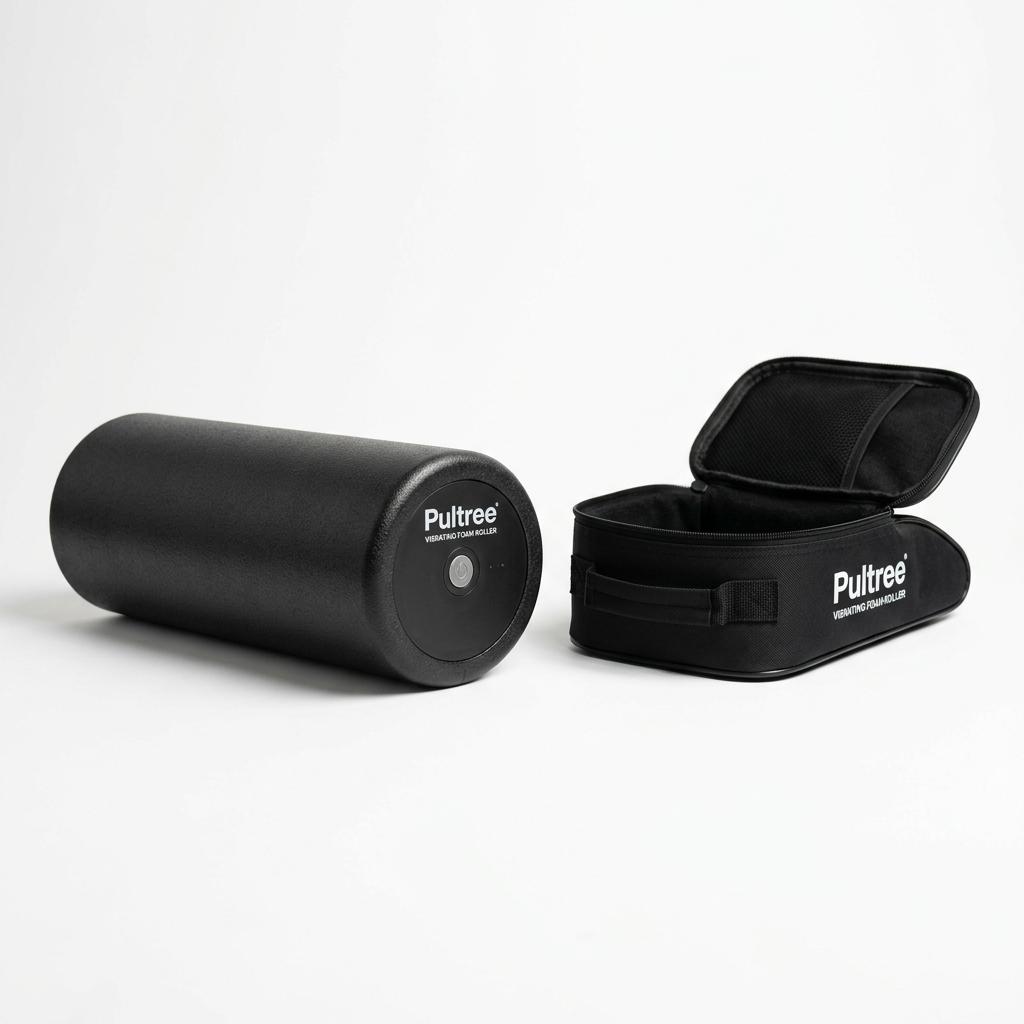 |
Pultree Vibrating Foam Roller | $49-$69 | Best Entry-Level | Check Price |
The Therabody Wave Roller combines powerful vibration therapy with an innovative wave texture for the most effective full-body foam rolling experience available.
The Hyperice Vyper 2.0 is a professional-grade vibrating foam roller trusted by elite athletes for powerful vibration therapy and portability.
The LifePro Sonic offers an impressive feature set including a wireless remote and four vibration levels at a mid-range price point.
The FitIndex Vibrating Foam Roller brings app-connected vibration therapy to budget-conscious users without sacrificing essential features.
The Pultree Vibrating Foam Roller is the most affordable entry point into vibration therapy, offering basic features with simple operation.
The Therabody Wave Roller stands out as the best vibrating foam roller on the market thanks to its Bluetooth-connected app control, five intensity settings, and unique wave-textured surface that grips muscles for deeper relief. Its hypo-allergenic EVA high-density foam construction feels premium and delivers lasting durability, while the 180-minute battery life ensures you won't be constantly recharging. The included carrying bag makes it travel-friendly despite its 3.3-pound weight, and the Therabody app integration provides guided routines that help both beginners and advanced users maximize their recovery sessions. At its premium price point, it represents a serious investment in recovery technology.
Check Price on Amazon
The Hyperice Vyper 2.0 has earned its reputation as the go-to vibrating foam roller for serious athletes, featuring three powerful speed settings that penetrate deep into muscle tissue for effective warm-ups and recovery. Its compact, travel-friendly design is TSA carry-on approved, making it ideal for athletes on the move. The rechargeable lithium-ion battery provides over two hours of runtime per charge, while the durable construction withstands heavy daily use. While the firm surface delivers excellent deep-tissue results, it may feel too intense for foam rolling beginners. The premium price reflects Hyperice's professional-grade quality and brand trust in the athletic community.
Check Price on Amazon
The LifePro Sonic Vibrating Foam Roller delivers exceptional value by packing four vibration intensity levels, a pulsation mode, and a convenient wireless remote into an affordable package. The combination of smooth zones and moderate-density ridges provides versatile texture options for different muscle groups, making it a great all-around choice for home recovery. While the battery life doesn't match premium competitors like Therabody, it's sufficient for multiple sessions between charges. The included remote control is a thoughtful addition that eliminates the awkward reach needed to adjust settings mid-roll on some competitors. For users seeking quality vibration therapy without the premium price tag, the LifePro Sonic hits the sweet spot.
Check Price on Amazon
The FitIndex Vibrating Foam Roller makes vibration therapy accessible to budget-conscious users by offering Bluetooth app connectivity and five speed settings at a fraction of the cost of premium models. Its compact, portable design is perfect for travel or smaller home gym spaces, while the textured surface provides adequate grip during rolling sessions. While the build quality and vibration power don't match premium competitors, it delivers solid performance for casual users and foam rolling beginners. The Bluetooth app integration is a surprising feature at this price point, allowing users to control settings and follow basic routines. For those curious about vibrating foam rollers but not ready to invest $150+, the FitIndex represents an excellent entry point.
Check Price on Amazon
The Pultree Vibrating Foam Roller is the ideal choice for anyone curious about vibration therapy but hesitant to make a significant investment. As the most affordable option in our lineup, it strips away advanced features to focus on delivering basic vibration functionality at a price that's accessible to everyone. The simple single-button operation eliminates any learning curve, while the included carrying case adds convenience for gym-goers. However, the limited vibration settings and lower build quality reflect its budget positioning, and serious athletes will likely outgrow its capabilities quickly. Think of the Pultree as a gateway device into the world of vibrating foam rollers.
Check Price on Amazon