321 STRONG Foam Roller Review: Textured Myofascial Release for Home Recovery
Our research-backed review of the 321 STRONG Foam Roller examines texture pattern, foam density, durability, and pain-pr...
SnugGym is an Amazon Associate. We earn from qualifying purchases at no extra cost to you. Learn more
Research-backed guide to best epsom salt muscle recovery for small-space home gyms.
FTC Disclosure: SnugGym participates in affiliate programs. We earn a commission when you purchase through our links, at no extra cost to you. This keeps our independent reviews free for readers. Opinions are our own.
Epsom salt baths represent one of the most beloved recovery rituals in fitness culture. The image of an athlete submerged in steaming water, muscles relaxing as magnesium-infused warmth penetrates tired tissues, has become synonymous with intelligent recovery. But does the science actually support the hype? Is there genuine physiological benefit to Epsom salt soaks, or is this merely a comforting placebo wrapped in wellness marketing?
The answer, as is often the case, lies somewhere in the middle. While some of the most enthusiastic claims about Epsom salt lack robust clinical validation, emerging research on transdermal magnesium absorption, combined with the well-established benefits of warm water immersion and the ritual psychology of recovery practices, makes a compelling case for regular Epsom salt bathing as part of a comprehensive recovery strategy.
This guide examines the evidence, explains the mechanisms, details optimal protocols, and identifies the best Epsom salt products for home gym practitioners seeking every available recovery advantage.
Epsom salt is not actually salt in the culinary sense. Chemically, it is magnesium sulfate heptahydrate (MgSO₄·7H₂O)—a mineral compound of magnesium, sulfur, and oxygen that forms colorless crystalline structures resembling table salt. The name derives from the town of Epsom in Surrey, England, where the compound was originally identified in mineral springs during the early 17th century.
Magnesium, the active component that drives Epsom salt's therapeutic claims, is the fourth most abundant mineral in the human body and a cofactor in more than 300 enzymatic reactions. It plays essential roles in muscle contraction and relaxation, protein synthesis, blood glucose control, blood pressure regulation, and nervous system function. Critically for athletes, magnesium is required for proper muscle function, and deficiency can manifest as muscle cramps, weakness, fatigue, and impaired recovery.
Sulfate, the other component, contributes to detoxification processes, joint health through glycosaminoglycan synthesis, and digestive function. While less celebrated than magnesium, sulfate's roles in connective tissue integrity are relevant to athletes subjecting their joints to regular stress.
The foundational question underlying Epsom salt's recovery claims is whether magnesium from bathwater actually enters the body through the skin. This transdermal absorption question has generated significant scientific debate.
Oral magnesium supplementation has substantial research support for athletic performance and recovery. Studies show that magnesium supplementation can improve muscle function, reduce cramping frequency, enhance sleep quality, and support energy metabolism. Athletes, who lose magnesium through sweat and have elevated metabolic demands, may have increased requirements that diet alone doesn't meet.
Transdermal absorption is more controversial. A small but influential 2006 study by Dr. Rosemary Waring at the University of Birmingham found that magnesium and sulfate levels in blood and urine increased after Epsom salt baths, suggesting some degree of skin penetration. However, this study had methodological limitations including small sample size and lack of a control group.
More recent research has been mixed. Some studies suggest that magnesium can penetrate the skin's barrier, particularly when delivered through solutions with appropriate ionic characteristics. The skin's stratum corneum—the outermost protective layer—is designed to keep substances out, and its effectiveness varies based on molecular size, charge, and delivery medium. Magnesium ions are relatively large and charged, making passive absorption challenging.
However, even without confirmed significant magnesium absorption, Epsom salt baths provide substantial recovery benefits through other mechanisms:
Warm water immersion itself is well-documented for recovery. Hot baths (40–42°C / 104–108°F) increase skin and muscle blood flow, promote vasodilation, reduce muscle tension through thermal effects on muscle spindles, and activate heat shock proteins that support cellular repair processes. The buoyancy of water reduces gravitational load on joints and muscles, providing mechanical relief.
The ritual and psychological benefits of recovery practices are increasingly recognized as physiologically meaningful. The parasympathetic nervous system activation that occurs during a warm, quiet bath reduces cortisol, lowers heart rate, and promotes the restorative state in which recovery processes operate optimally. If Epsom salt transforms an occasional quick shower into a dedicated 20-minute recovery ritual, that behavioral change alone generates value.
Potential direct skin effects: Even if systemic magnesium absorption is minimal, magnesium ions interacting with skin tissues may have local effects including reduced inflammation, improved barrier function, and enhanced keratinocyte proliferation that supports skin health.
Based on available evidence and established mechanisms, athletes can reasonably expect several benefits from regular Epsom salt bathing:
Muscle relaxation and cramp reduction: Warm water combined with magnesium's established role in muscle physiology likely contributes to reduced muscle tension and cramp frequency. Even if transdermal absorption is modest, the overall magnesium intake from combined dietary, supplemental, and topical sources may correct suboptimal status.
Enhanced sleep quality: Magnesium regulates GABA, the primary inhibitory neurotransmitter that promotes sleep. Bathing before bed raises core body temperature, and the subsequent cooling period triggers sleepiness. The combination of magnesium exposure and thermal regulation creates ideal conditions for restorative sleep—perhaps the single most important recovery factor.
Stress and cortisol reduction: The parasympathetic activation from warm immersion, combined with magnesium's role in stress response regulation, may reduce cortisol levels. Chronically elevated cortisol impairs recovery, promotes fat storage, and disrupts sleep—making management critical for athletic performance.
Reduced inflammation: Magnesium has anti-inflammatory properties that may help manage exercise-induced inflammation. Warm water immersion itself promotes circulation that clears inflammatory mediators from tissues.
Improved circulation: The combination of warm water vasodilation and magnesium's vascular effects enhances blood flow to muscles, supporting nutrient delivery and waste removal.
Faster perceived recovery: Even if objective markers show modest effects, athletes consistently report feeling better after Epsom salt baths. In recovery, subjective well-being drives training consistency and effort levels—making perceived recovery genuinely important.
Standard recovery bath: Add 2 cups (approximately 475g) of Epsom salt to a standard bathtub filled with warm water (40–42°C / 104–108°F). Soak for 15–20 minutes. This concentration and duration align with protocols used in research studies and traditional practice.
Intensive post-workout soak: After particularly demanding training sessions, increase to 3–4 cups in a full tub. The higher concentration may enhance any transdermal absorption effects while the extended warmth addresses deeper tissue recovery needs. Soak for 20–30 minutes.
Foot soak protocol: For targeted lower leg recovery or when a full bath isn't practical, dissolve 1 cup of Epsom salt in a basin of warm water. Soak feet and lower legs for 15–20 minutes. This is particularly effective after running, jumping, or lower-body training.
Frequency: For active athletes, 3–4 Epsom salt baths per week provides regular recovery support without becoming burdensome. Daily baths are safe for those with adequate time and inclination. The key is consistency—occasional baths provide limited benefit compared to regular practice.
Timing: Evening baths (1–2 hours before bed) maximize sleep benefits. The post-bath cooling period triggers natural sleepiness. Post-workout baths (within 2 hours of training) address acute muscle tension and begin the recovery process.
Water temperature: Warmer water (up to 42°C / 108°F) enhances vasodilation and muscle relaxation but increases cardiovascular load. Individuals with cardiovascular conditions should consult physicians and use moderate temperatures (37–38°C / 98–100°F).
Hydration: Bathing induces sweating that contributes to fluid loss. Drink water before and after soaking to maintain hydration status.
As an Amazon Associate, we earn from qualifying purchases. Learn more
Dr Teal's has become the dominant consumer brand in Epsom salt through consistent quality, accessible pricing, and innovative formulations that enhance the basic magnesium sulfate product. The standard Pure Epsom Salt Soaking Solution provides pharmaceutical-grade magnesium sulfate at a concentration appropriate for therapeutic bathing.
The unscented original formulation is the athlete's choice—no added fragrances that might irritate sensitive skin or conflict with personal care preferences. The crystals dissolve readily in warm water without the gritty residue that cheaper Epsom salts sometimes leave. Dr Teal's also offers therapeutic formulations including Eucalyptus (for respiratory and sinus benefits), Lavender (for sleep enhancement), and Menthol (for additional muscle soothing through counterirritation).
The pre-measured 3-pound bags provide approximately 6–8 baths at standard concentration, making cost-per-bath reasonable for regular use. The larger 6-pound canisters offer better value for committed bathers. Dr Teal's also produces an Epsom Salt Foaming Bath that combines magnesium sulfate with bubble bath for a more luxurious experience—though serious recovery practitioners typically prefer the pure salt formulation.
Quality control is pharmaceutical-grade, with USP (United States Pharmacopeia) certification confirming purity standards. This matters because industrial-grade magnesium sulfate may contain contaminants that have no place in bathwater contacting your skin.
As an Amazon Associate, we earn from qualifying purchases. Learn more
Epsoak positions itself as the premium alternative to mass-market Epsom salt brands, emphasizing sourcing transparency, grain size consistency, and absence of additives. For practitioners who treat their bath ingredients with the same scrutiny as their nutrition, Epsoak provides peace of mind.
The salt crystals are consistently sized—neither the fine powder that dissolves instantly nor the coarse chunks that linger on tub surfaces. This uniform grain size ensures predictable dissolution timing and concentration. The product is certified USP grade, GMO-free, and allergen-free.
Epsoak offers both unscented pure magnesium sulfate and scented varieties using essential oils rather than synthetic fragrances. The essential oil formulations (Eucalyptus, Lavender, Peppermint) provide aromatherapy benefits that some users find enhances the overall recovery experience. The Peppermint variety deserves specific mention for athletes—the menthol creates a mild counterirritation effect that complements the warmth and may enhance the perception of muscle soothing.
The 19-pound bulk bag is the best value for dedicated bathers, providing approximately 40+ standard baths at a per-bath cost significantly below smaller retail packages. This bulk format makes sense for households with multiple athletes or practitioners bathing 3+ times weekly.
Athlete's Recovery Blend: 2 cups Epsom salt + 1 cup baking soda + 1/2 cup sea salt + 5 drops eucalyptus essential oil + 5 drops peppermint essential oil. The baking soda softens water and soothes skin, sea salt provides trace minerals, and the essential oils create an invigorating aroma that enhances the post-workout experience.
Sleep Preparation Soak: 2 cups Epsom salt + 1/2 cup dried lavender buds + 10 drops lavender essential oil. Use 60–90 minutes before bed. The lavender compounds have mild sedative effects that complement magnesium's sleep-supporting properties.
Anti-Inflammatory Bath: 2 cups Epsom salt + 1 cup apple cider vinegar + 1/2 cup bentonite clay + 5 drops frankincense essential oil. The vinegar and clay are believed to support detoxification pathways, though evidence is limited. Frankincense has demonstrated anti-inflammatory properties in preliminary research.
Cold and Flu Recovery: 2 cups Epsom salt + 1/2 cup mustard powder + 5 drops eucalyptus essential oil + 5 drops tea tree essential oil. The mustard increases warming sensation and promotes sweating, while the essential oils support respiratory function. Use when illness prevents training but you want recovery support.
While Epsom salt baths are generally safe, certain conditions require caution or avoidance:
Cardiovascular conditions: Hot baths increase heart rate and cardiac output. Individuals with heart disease, hypertension, or arrhythmias should consult physicians, use moderate temperatures, and limit soak duration.
Diabetes: Diabetic neuropathy may impair temperature sensation, increasing burn risk. Check water temperature with a thermometer rather than relying on sensation.
Kidney disease: Impaired kidney function may reduce magnesium excretion capacity. Consult physicians before regular Epsom salt use.
Pregnancy: Warm baths are generally safe during pregnancy, but excessively hot water (above 39°C / 102°F) should be avoided. Consult healthcare providers for personalized guidance.
Open wounds or skin infections: Bathing with broken skin risks infection. Wait for wounds to close before soaking.
Dehydration: Bathing while dehydrated increases cardiovascular stress. Ensure adequate fluid intake before and after.
Dizziness: Hot baths can cause orthostatic hypotension. Rise slowly from the bath and sit briefly before standing fully.
Can I absorb too much magnesium through bathing? No documented cases of magnesium toxicity from bathing exist. The skin's barrier function and the body's excretory mechanisms prevent dangerous accumulation. However, individuals with kidney disease should consult physicians.
How long until I feel results? Many users report subjective benefits (relaxation, reduced tension) after their first bath. Structural recovery benefits accumulate with regular practice over weeks.
Can I combine Epsom salt with bath oils or bubble bath? Yes, though oils may reduce salt dissolution speed. Add salts first, allow dissolution, then add oils if desired.
Is there a difference between expensive and cheap Epsom salt? Pharmaceutical-grade (USP certified) salts from reputable sources are equivalent regardless of price. Paying more for sourcing transparency, organic certification, or brand reputation is a personal choice, not a quality necessity.
Should I rinse after an Epsom salt bath? Rinsing is optional. Some users prefer rinsing to remove salt residue from skin; others find the slight residue moisturizing. Personal preference should guide this choice.
Epsom salt bathing sits at the intersection of established physiological mechanisms, emerging research, and timeless recovery wisdom. While claims of dramatic magnesium absorption remain incompletely validated, the combination of warm water immersion benefits, potential transdermal magnesium contribution, magnesium's established physiological roles, and the powerful recovery psychology of deliberate self-care rituals makes regular Epsom salt bathing a worthwhile practice for serious athletes.
Dr Teal's Epsom Salt provides the best balance of quality, accessibility, and value for most practitioners. Epsoak serves those who prioritize premium sourcing and bulk pricing. Use 2 cups in warm water, soak for 15–20 minutes, 3–4 times weekly, ideally in the evening before bed.
The bath won't replace proper training, nutrition, sleep, and active recovery—but it meaningfully complements them. In the pursuit of marginal gains, the recovery ritual matters. Make it count.
Last updated: July 2025. Prices and availability subject to change. Always verify current details on Amazon before purchasing.
| Image | Product | Price | Badge | Link |
|---|---|---|---|---|
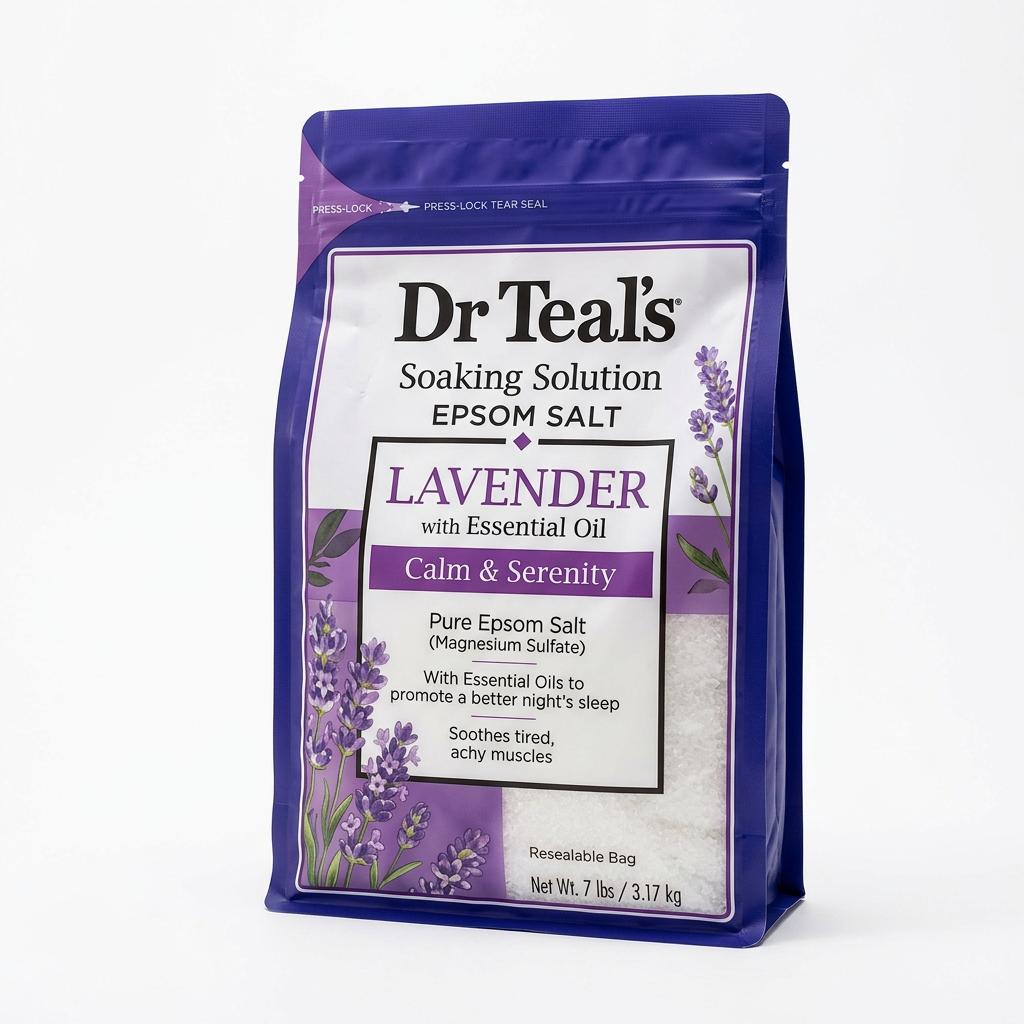 |
Dr Teal's Epsom Salt Soaking Solution (Lavender) | $10-$18 | Best Overall | Check Price |
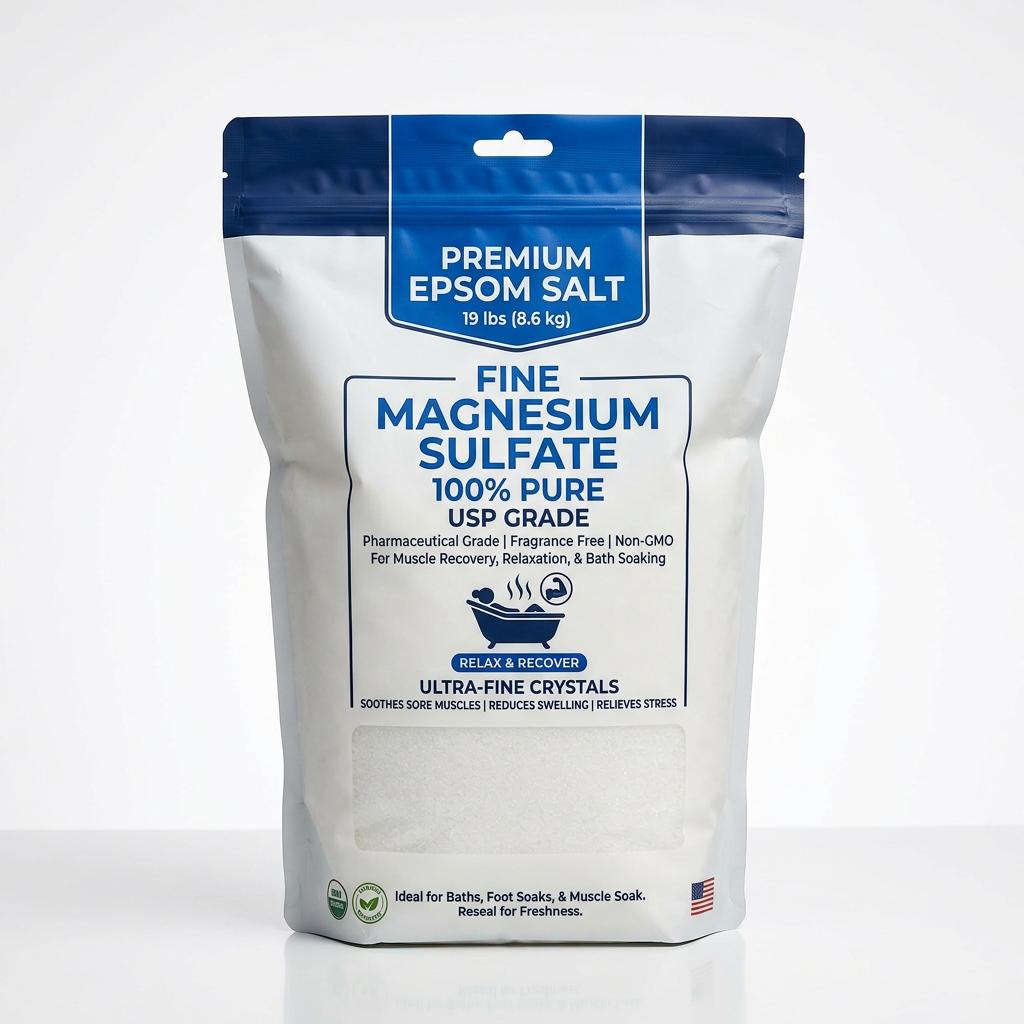 |
Epsoak USP Epsom Salt (19 lbs) | $25-$35 | Best Value | Check Price |
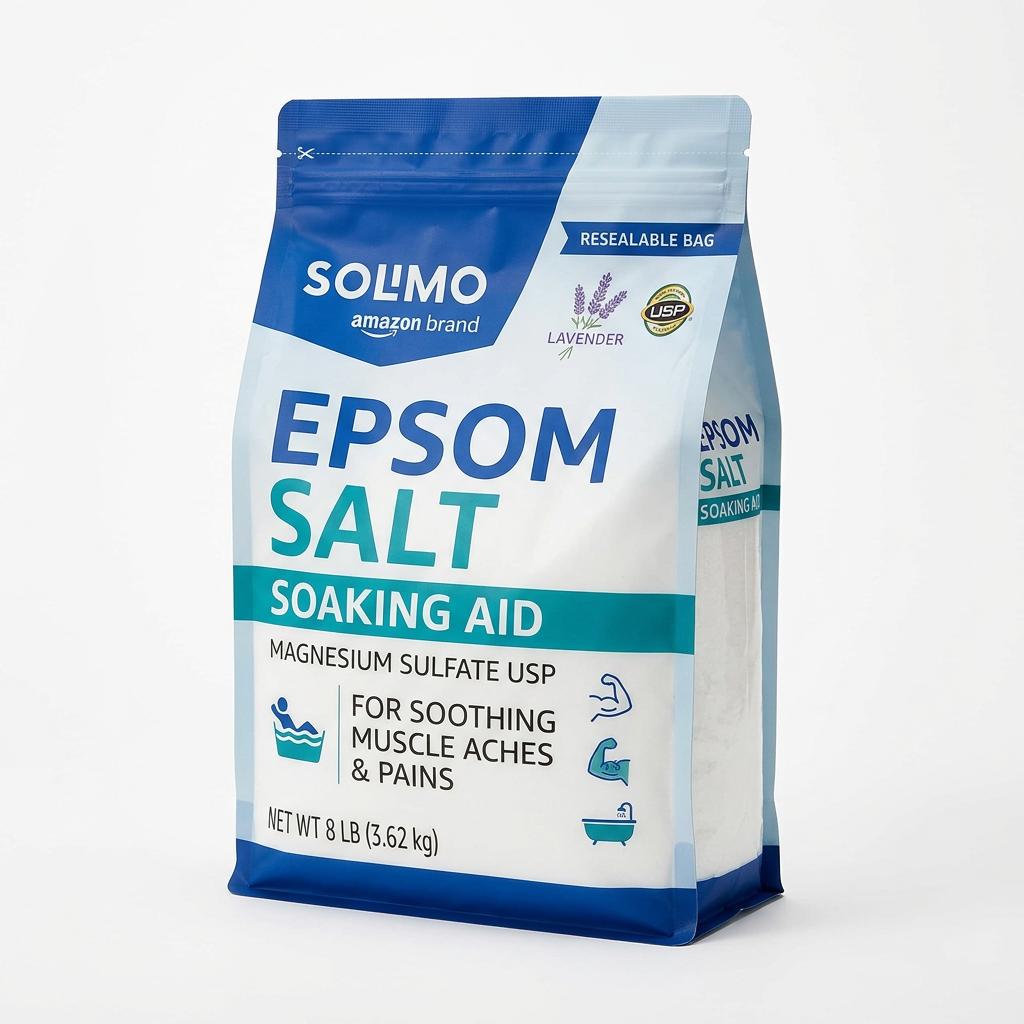 |
Solimo Epsom Salt Soaking Aid (Amazon Brand) | $8-$15 | Best Budget | Check Price |
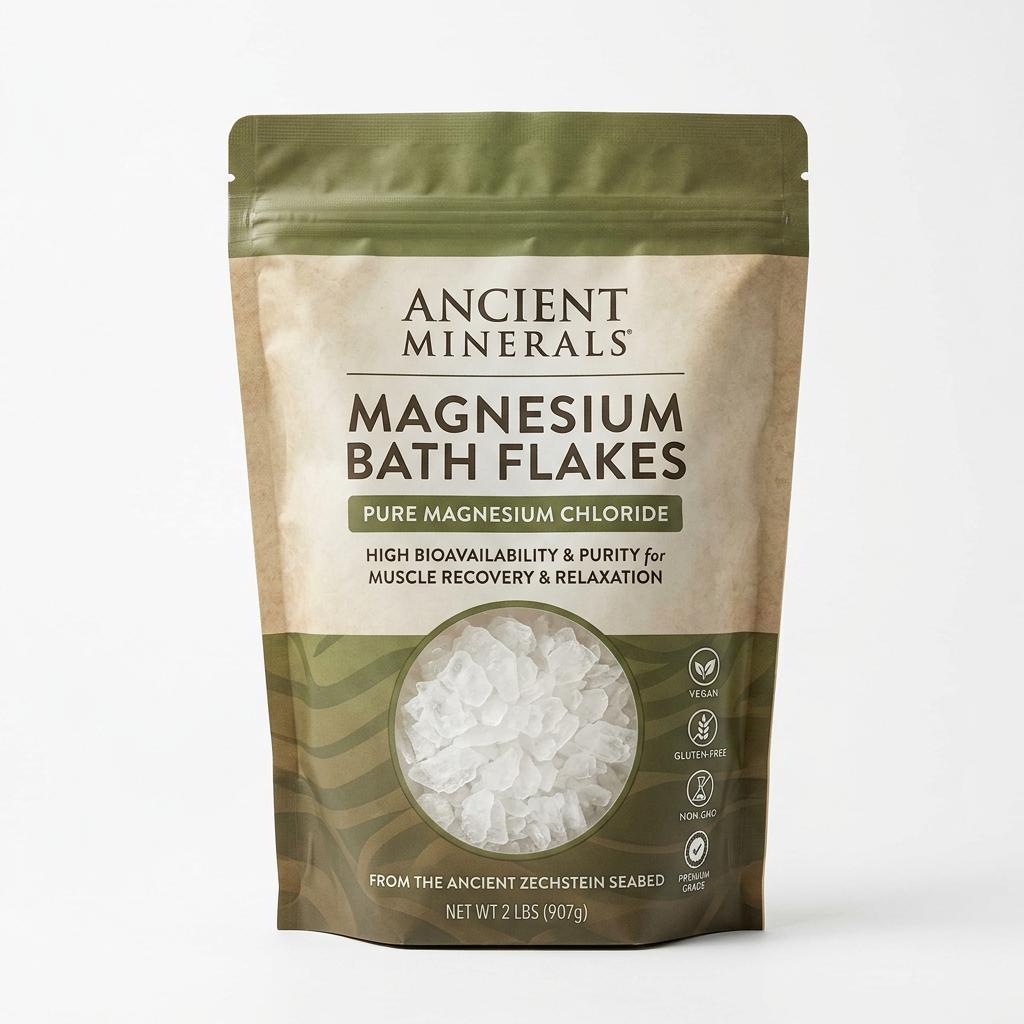 |
Ancient Minerals Magnesium Bath Flakes | $20-$30 | Premium Pick | Check Price |
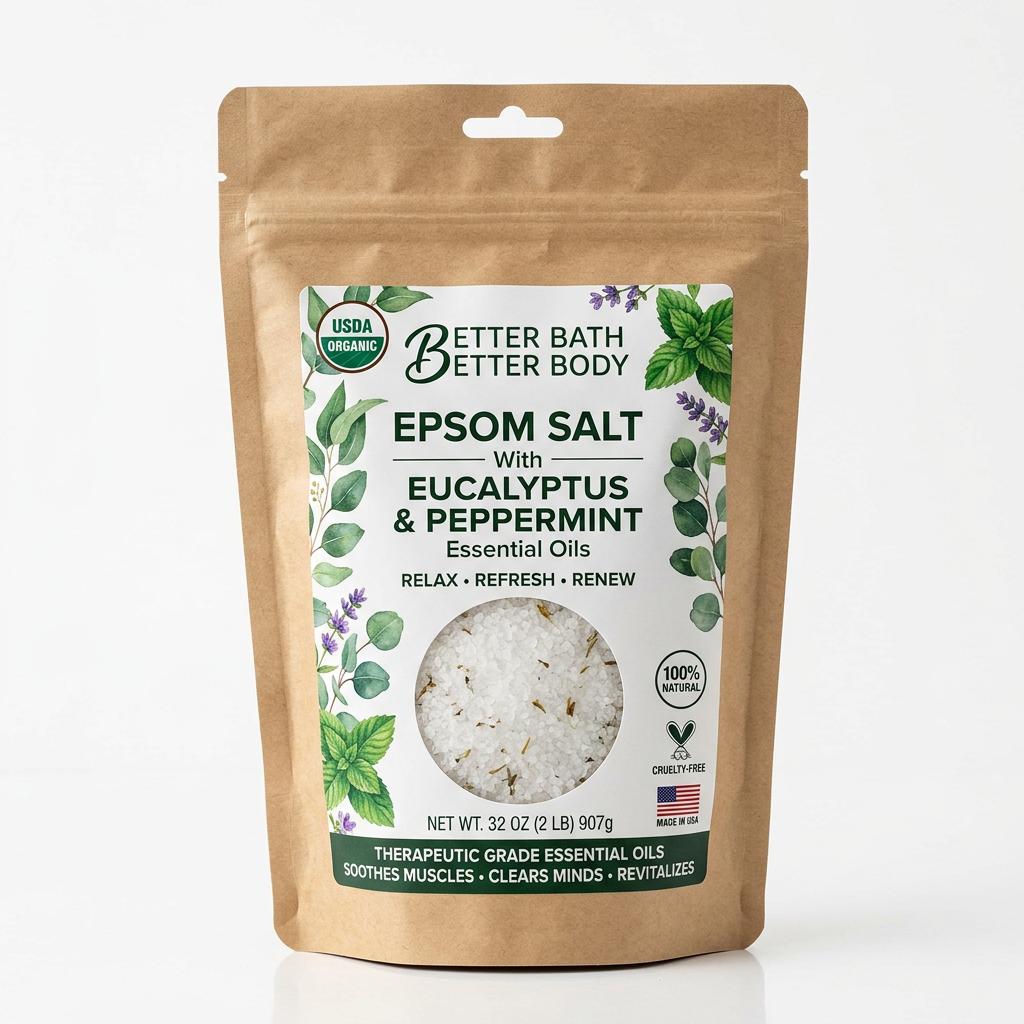 |
Better Bath Better Body Deep Relaxation Epsom Salt | $15-$25 | Best Aromatherapy | Check Price |
America's #1 Epsom salt brand with soothing lavender essential oil for relaxation and recovery.
A bulk quantity of pure, unscented USP-grade Epsom salt perfect for frequent soakers.
Amazon's own brand of Epsom salt delivers quality muscle relief at a wallet-friendly price.
Ultra-pure magnesium chloride flakes from an ancient seabed for superior absorption and recovery.
An all-natural Epsom salt blend with therapeutic essential oils and Vitamin C for a premium soak.
Dr Teal's Epsom Salt is the most recognized and trusted brand in the category, and for good reason. This lavender-scented formula combines pure USP-grade magnesium sulfate with genuine lavender essential oil to create a bath soak that soothes both sore muscles and stressed minds. The 7-pound resealable bag provides excellent value with enough salt for numerous baths. The fine crystals dissolve quickly in warm water, and the lavender aroma lingers pleasantly without being overwhelming. Regular users report reduced muscle soreness, improved sleep quality, and a genuine sense of relaxation after soaking.
Check Price on Amazon
The Epsoak USP Epsom Salt offers incredible value with its massive 19-pound bulk bag, making it the economical choice for athletes and fitness enthusiasts who take regular recovery baths. The 100% pure USP-grade magnesium sulfate contains no additives, fragrances, or fillers, making it ideal for those with sensitive skin or scent sensitivities. The fine grain crystals dissolve rapidly in warm bath water, and the resealable bag helps maintain freshness. Users report effective relief from muscle soreness, reduced inflammation, and improved recovery after intense workouts. When calculated per ounce, it's one of the best deals on pure Epsom salt.
Check Price on Amazon
Amazon's Solimo brand brings its value-focused approach to Epsom salt with this effective, budget-friendly soaking aid. The USP-grade magnesium sulfate meets the same purity standards as more expensive brands, ensuring you get genuine therapeutic benefits. The lavender-scented formula adds a pleasant aromatherapy element to your recovery soak, though the scent is more subtle than premium alternatives. The 8-pound resealable bag strikes a good balance between value and storage convenience. Users report effective muscle soreness relief and appreciate the affordable price point that makes regular Epsom salt baths accessible to everyone.
Check Price on Amazon
Ancient Minerals Magnesium Bath Flakes take muscle recovery to the next level with pure magnesium chloride sourced from the ancient Zechstein seabed, buried deep beneath the earth's surface for over 250 million years. Unlike standard Epsom salt (magnesium sulfate), magnesium chloride boasts higher bioavailability, meaning your body can absorb and utilize more of the magnesium through your skin. Users report faster recovery from intense workouts, reduced muscle cramps, improved sleep quality, and even benefits for skin conditions. While pricier than standard Epsom salt, the superior absorption and purity make it a worthwhile investment for serious athletes.
Check Price on Amazon
Better Bath Better Body elevates the Epsom salt experience by combining USP-grade magnesium sulfate with pure therapeutic essential oils and Vitamin C crystals. The lavender essential oil provides genuine aromatherapy benefits rather than synthetic fragrance, while the added Vitamin C helps neutralize chlorine and other impurities in your bathwater. The company uses zero chemicals, dyes, or synthetic perfumes, making this an excellent choice for those with sensitive skin or chemical sensitivities. Users rave about the authentic essential oil scent, the ultra-soft skin feel after soaking, and the effective muscle relaxation. The press-lock zipper seal keeps the salt fresh between uses.
Check Price on Amazon