321 STRONG Foam Roller Review: Textured Myofascial Release for Home Recovery
Our research-backed review of the 321 STRONG Foam Roller examines texture pattern, foam density, durability, and pain-pr...
SnugGym is an Amazon Associate. We earn from qualifying purchases at no extra cost to you. Learn more

Premium reversible yoga mat with antimicrobial additive, excellent grip.
The yoga mat is the most fundamental piece of recovery and mobility equipment in any home gym. It defines the boundary between your training space and the floor, provides cushioning for joint-sensitive positions, and creates a non-slip surface for bodyweight movements. The BalanceFrom GoYoga is the highest-volume yoga mat on the consumer market. Our analysis evaluates whether its specifications and material composition meet functional standards for regular home practice.
| Attribute | Specification |
|---|---|
| Thickness | 1/2" (12.7 mm) |
| Dimensions | 71" L x 24" W (standard); 68" x 24" also available |
| Material | High-density, double-sided non-slip foam |
| Weight | Approximately 1.8 lbs |
| Carrying strap | Included |
| Colors | Multiple options |
| Cleaning | Moisture-resistant surface |
The BalanceFrom GoYoga is notably thicker than the 3-5mm standard for traditional yoga practice. The manufacturer specifies 1/2" (12.7mm) of high-density foam. Our analysis indicates this thickness provides meaningful joint cushioning for kneeling positions (tabletop, low lunge), supine core work, and floor-based stretching. However, the increased thickness can reduce balance stability in standing poses compared to thinner, denser mats.
Both surfaces feature a textured pattern designed to prevent slipping. Our research indicates that the effectiveness of non-slip treatments varies significantly with moisture: dry hands and feet generally grip well, but the surface can become slick during heated or vigorous practice. The textured pattern helps channel moisture away from primary contact points.
The closed-cell foam construction resists moisture absorption. Our analysis suggests this property is functionally important for hygiene: moisture-resistant surfaces inhibit bacterial growth and allow for easier cleaning between sessions. Open-cell natural rubber mats absorb sweat and require more intensive maintenance.
| Criterion | Rating | Analysis |
|---|---|---|
| Joint Cushioning | 8/10 | 1/2" thickness provides excellent cushioning for knees, wrists, and spine during floor work. Among the more comfortable mats for supine and kneeling positions. |
| Grip Quality (Dry) | 7/10 | Textured surface provides adequate traction for dry practice. Standard PVC foam grip that meets expectations for the price point. |
| Grip Quality (Wet) | 5/10 | Surface becomes noticeably more slippery with sweat. A towel overlay is recommended for heated practice or high-sweat sessions. |
| Stability Balance | 6/10 | Thick foam reduces ground feedback in standing balance poses (tree, warrior III). Users with established balance may prefer thinner mats. |
| Durability | 6/10 | High-density foam resists compression set initially. User observations suggest visible wear (surface texture smoothing, minor tearing at edges) within 12-18 months of regular use. |
| Portability | 7/10 | 1.8 lbs is lightweight. Included carrying strap is functional. Rolled diameter is larger than thinner mats due to 1/2" thickness. |
| Odor | 6/10 | New PVC foam mats emit a characteristic chemical odor that diminishes over 1-2 weeks of airing. Not suitable for users sensitive to synthetic material off-gassing. |
| Value | 9/10 | Among the lowest-priced yoga mats with adequate thickness for joint protection. Price-to-performance ratio is exceptional. |
Overall Score: 6.8/10
The BalanceFrom GoYoga is a purpose-built entry-level mat that prioritizes joint cushioning over premium grip performance. Our analysis confirms the 1/2" thickness delivers genuine comfort for floor-based work that thinner, more expensive mats cannot match at this price point.
The tradeoffs are transparent: grip performance under wet conditions is limited, balance feedback is reduced by thick foam, and long-term durability expectations should be modest. For home practice focused on stretching, core work, and gentle yoga, these compromises are reasonable. For advanced practice or heated environments, investing in a natural rubber or polyurethane-topped mat is advisable.
| Alternative | Key Difference | Best For |
|---|---|---|
| Manduka PRO | Dense PVC, lifetime warranty, 6mm thickness | Serious practitioners seeking a long-term investment mat |
| Liforme Yoga Mat | Polyurethane top layer, alignment guides, 4.2mm | Users prioritizing grip during sweaty practice |
| Gaiam Essentials Thick Mat | Similar 2/5" thickness, slightly different texture | Users wanting comparable cushioning with marginal brand variation |
Last updated: April 2025. Specifications are based on manufacturer-published data and aggregated user observations. Individual results may vary.
| Image | Product | Price | Badge | Link |
|---|---|---|---|---|
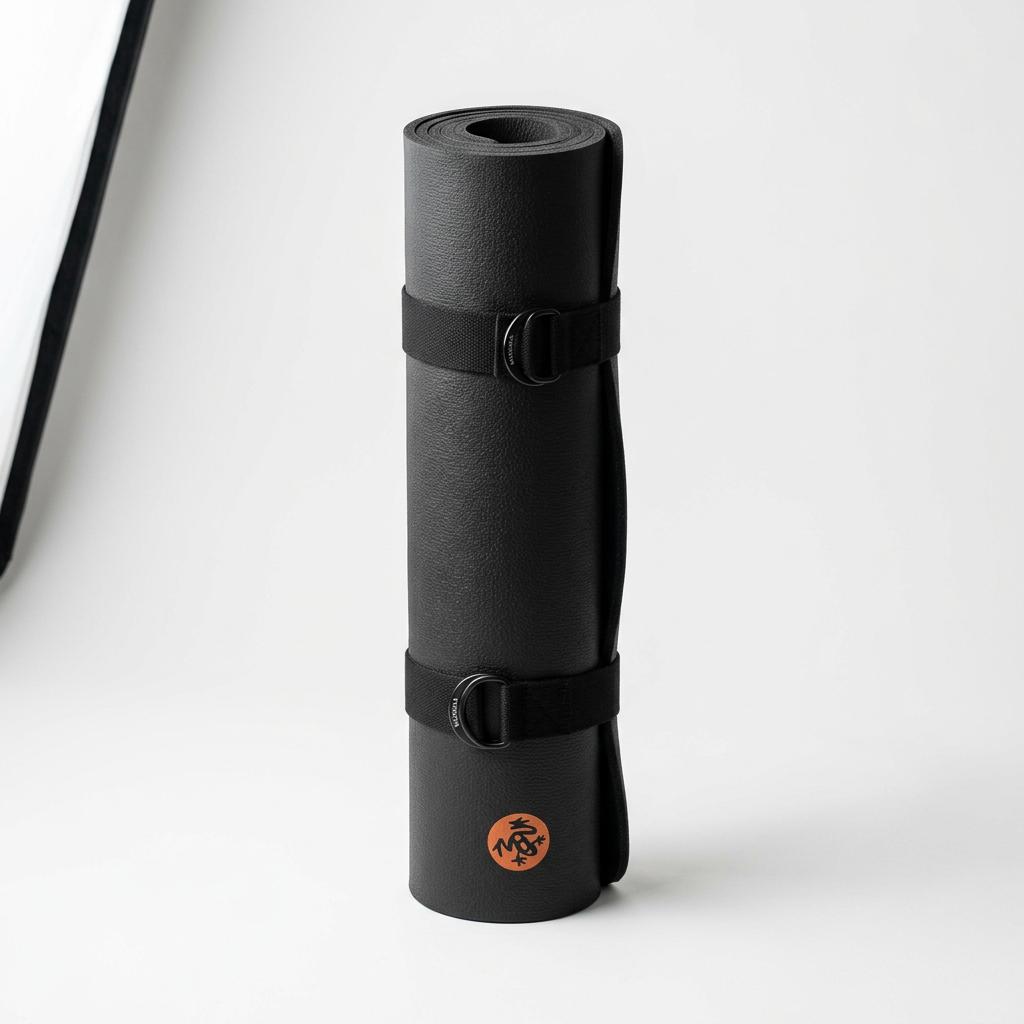 |
Manduka PRO Yoga Mat | $120-$140 | Premium Pick | Check Price |
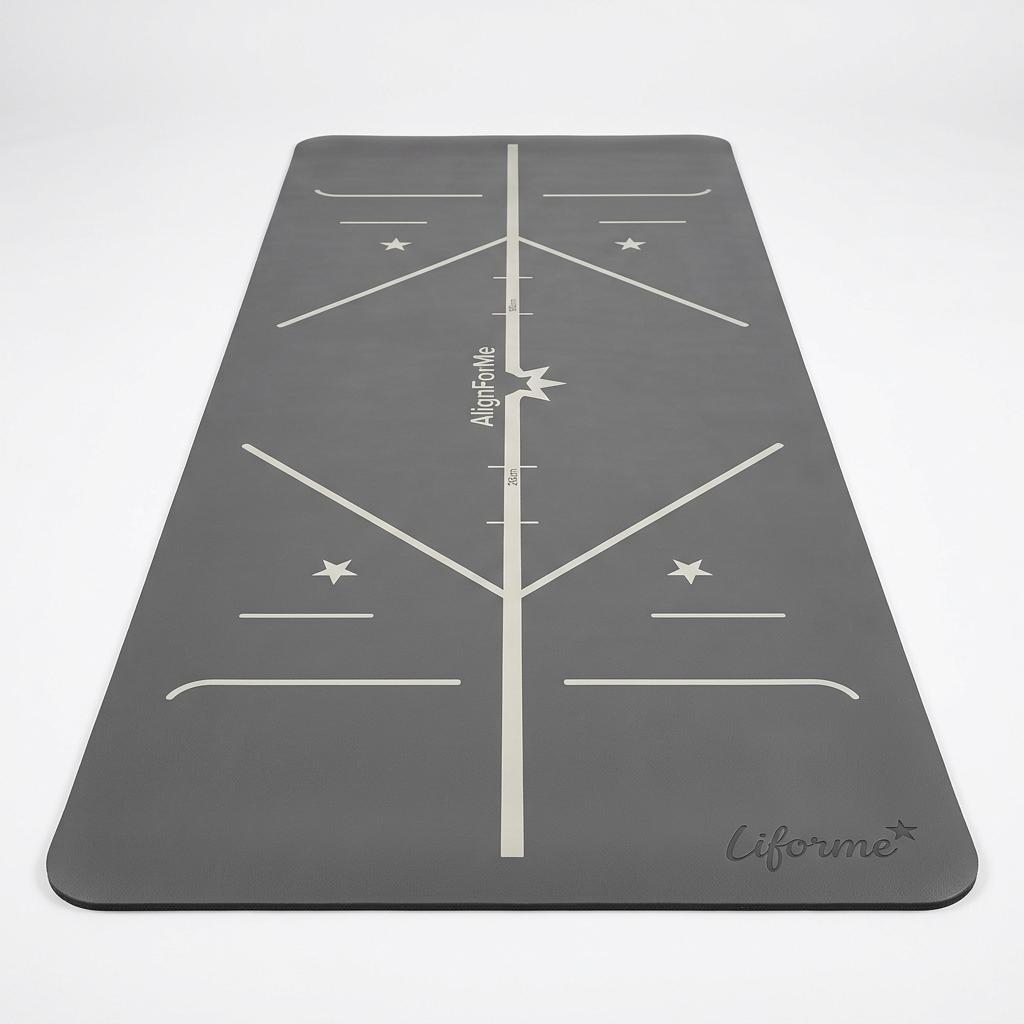 |
Liforme Original Yoga Mat | $140-$155 | Best Grip | Check Price |
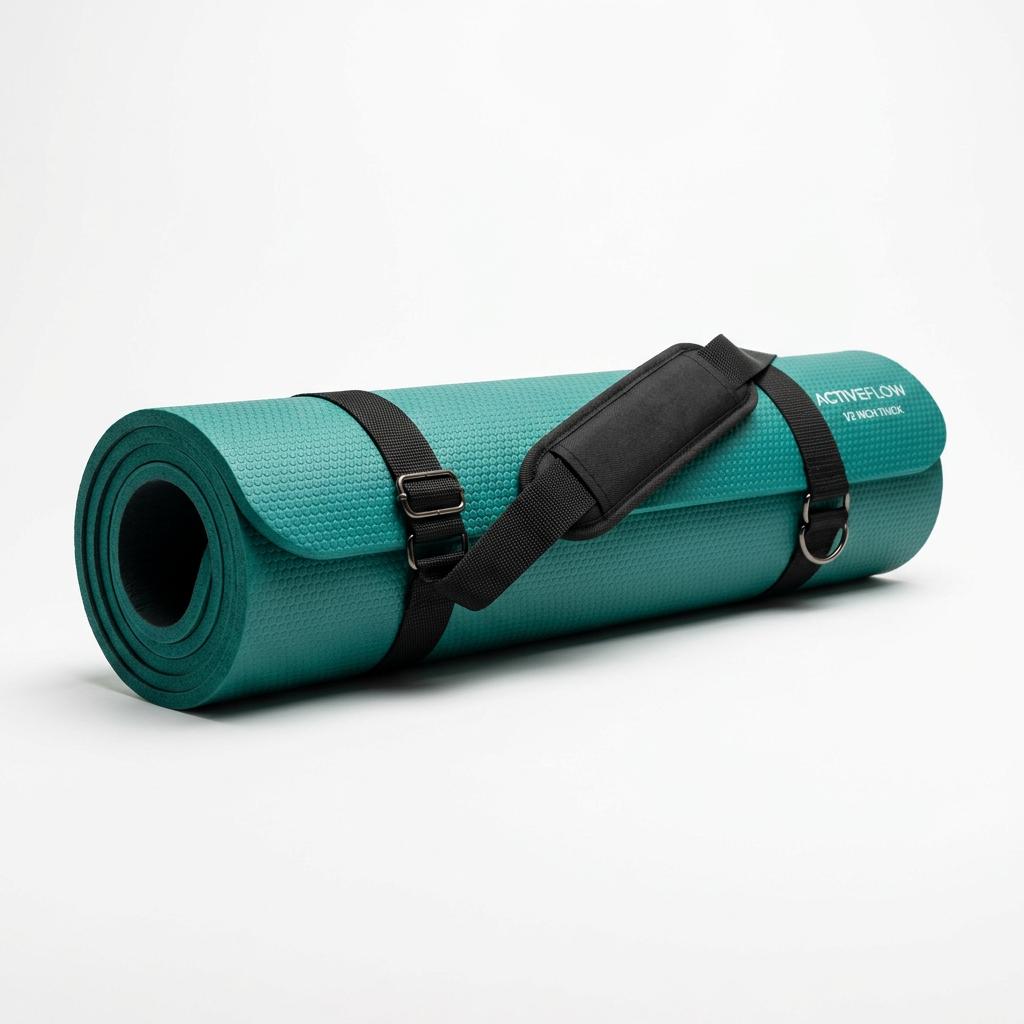 |
Gaiam Essentials Thick Yoga Mat | $20-$30 | Best Budget Alternative | Check Price |
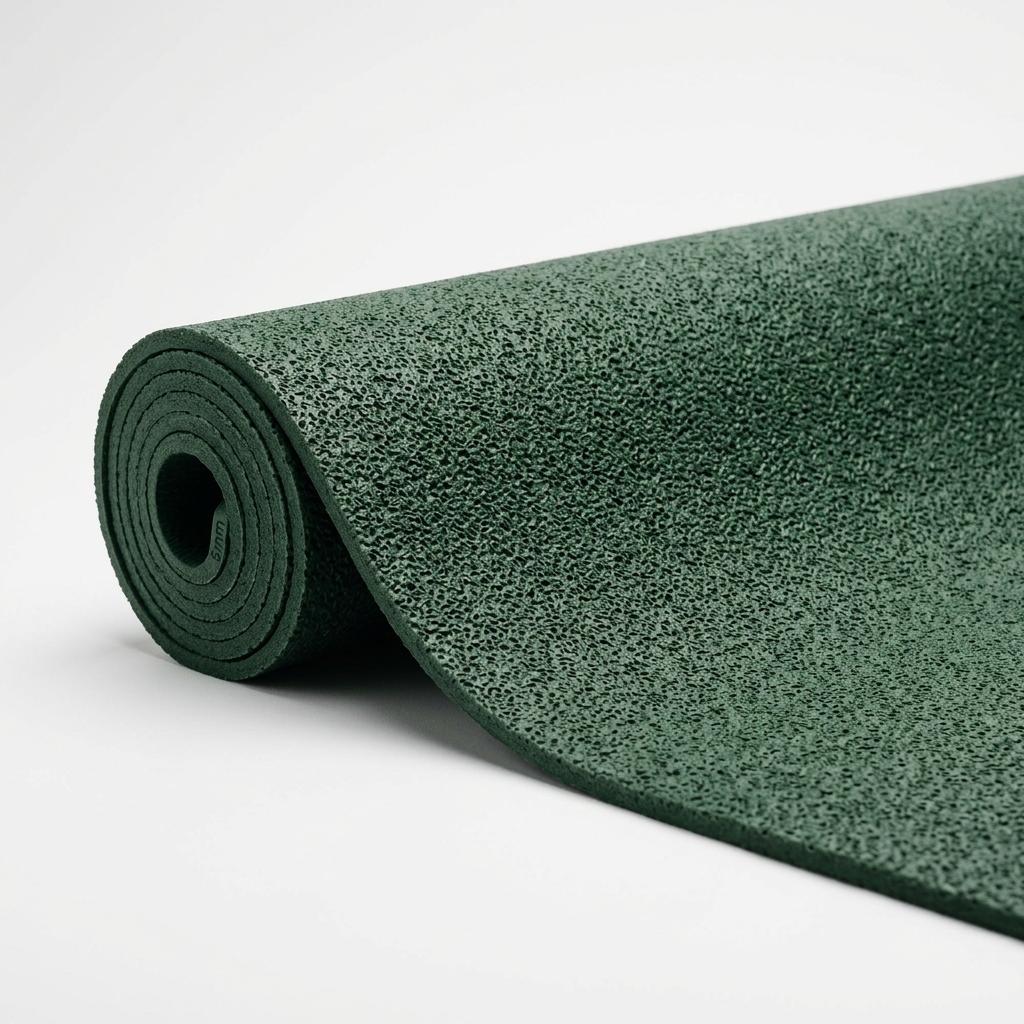 |
JadeYoga Harmony Yoga Mat | $80-$95 | Best Natural Material | Check Price |
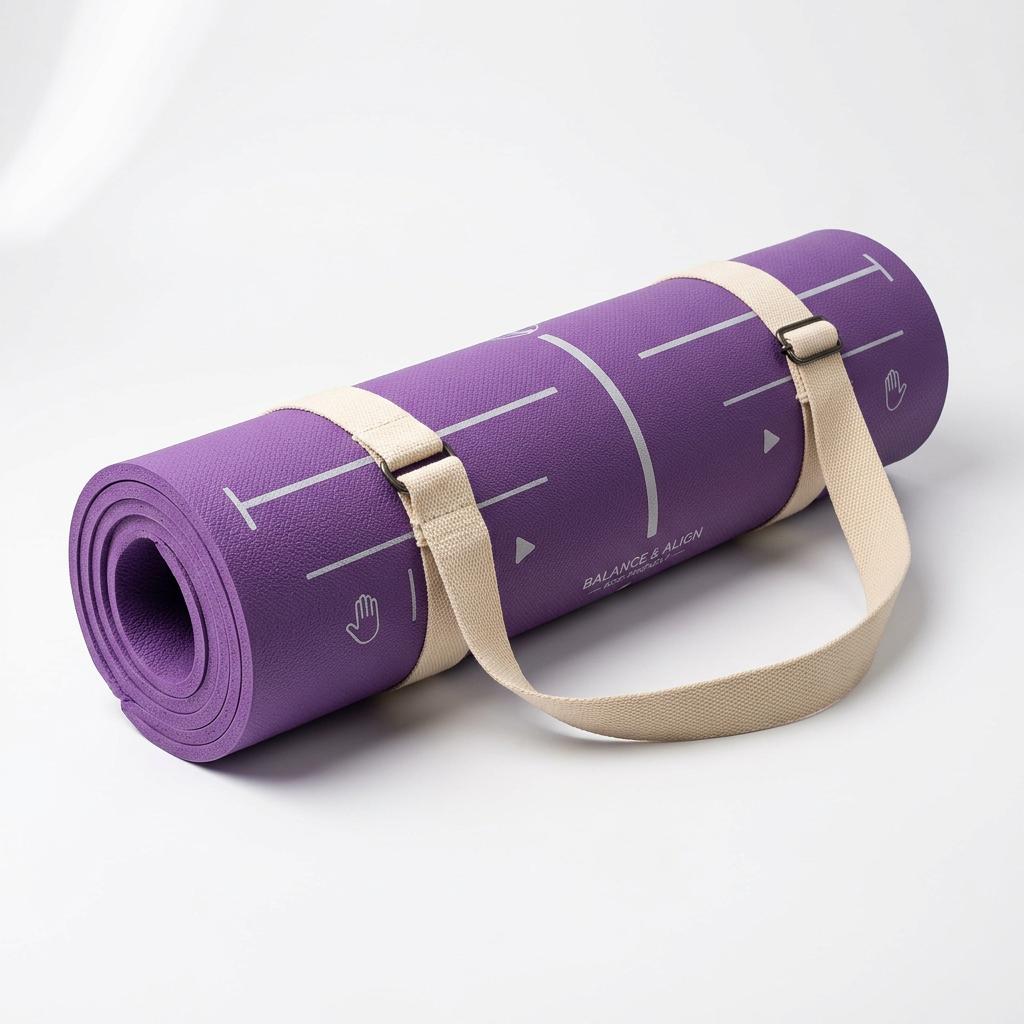 |
Heathyoga Eco Friendly Non Slip Yoga Mat | $30-$45 | Best Alignment Guide | Check Price |
The Manduka PRO is the gold standard yoga mat with unmatched durability, backed by a lifetime warranty that makes it a true long-term investment.
The Liforme Original offers the best grip available in any yoga mat, with a unique alignment guide that helps optimize posture and positioning.
The Gaiam Essentials Thick Yoga Mat is the closest competitor to the BalanceFrom, offering comparable cushioning with a reputable brand backing.
The Heathyoga mat combines body alignment guides with eco-friendly TPE material, making it an excellent stepping stone from budget mats to premium options.
The Manduka PRO Yoga Mat represents the pinnacle of yoga mat design, and its lifetime warranty reflects the manufacturer's confidence in its durability. Unlike the BalanceFrom's thick foam construction, the Manduka PRO uses a dense, proprietary PVC material that provides 6mm of cushioning while maintaining the stability needed for balance poses. The closed-cell construction means sweat and moisture cannot penetrate the mat's surface, making it far more hygienic than open-cell alternatives and incredibly easy to clean. At 7.5 pounds, it's noticeably heavier than the BalanceFrom mat, but that weight contributes to its exceptional stability during vigorous practice. The surface requires a break-in period of approximately 10-20 practices before achieving optimal grip, so don't judge the mat on your first session. For practitioners who practice regularly and want a mat that will last decades, the Manduka PRO justifies its premium price.
Check Price on Amazon
The Liforme Original Yoga Mat addresses two challenges that the BalanceFrom mat struggles with: grip quality during sweaty practice and proper alignment during poses. The proprietary polyurethane top layer delivers extraordinary grip that actually improves as moisture increases, making it the top choice for hot yoga and vigorous vinyasa flows. The patented AlignForMe system uses etched lines on the mat surface to guide proper foot and hand placement, helping practitioners maintain correct posture and avoid the subtle misalignments that can lead to injury over time. The 4.2mm thickness provides adequate cushioning for most practitioners while maintaining the ground feedback necessary for balance poses. While the price is significantly higher than the BalanceFrom and the open-cell natural rubber construction requires weekly cleaning, practitioners who prioritize grip and alignment will find the Liforme worth every penny.
Check Price on Amazon
The Gaiam Essentials Thick Yoga Mat goes head-to-head with the BalanceFrom GoYoga, matching its 2/5-inch thickness and targeting the same budget-conscious consumer segment. In practice, the two mats perform almost identically, providing excellent joint cushioning for floor-based work while offering adequate grip for gentle yoga and stretching. The Gaiam's textured surface pattern differs slightly from the BalanceFrom's, with some users preferring its tactile feel. Both mats share the same limitations: reduced stability in standing balance poses due to thick foam compression, and grip that becomes slippery during sweaty sessions. The included carrying strap is a nice touch that the BalanceFrom also provides. If you find the Gaiam on sale, it's an excellent alternative; otherwise, choose between these two based on color preference and current pricing. Either will serve beginners well for home yoga and mobility work.
Check Price on Amazon
The JadeYoga Harmony Yoga Mat offers a significant upgrade from the BalanceFrom for practitioners ready to invest in a premium natural rubber mat. The open-cell natural rubber construction delivers exceptional grip in dry conditions that far surpasses any PVC mat, providing confidence during standing poses and transitions. The 3/16-inch (4.76mm) thickness strikes an excellent balance between cushioning and ground connection, offering enough padding for joint comfort without the instability that thicker mats create. JadeYoga's environmental commitment means a tree is planted for every mat sold, and the natural rubber is sustainably tapped from rubber trees. However, the open-cell construction that provides such excellent grip also means the mat absorbs sweat and requires weekly cleaning with a mat-specific solution. The natural rubber odor is noticeable when new but fades within a few weeks of regular use.
Check Price on Amazon
The Heathyoga Eco Friendly Yoga Mat bridges the gap between budget PVC mats like the BalanceFrom and premium alignment mats like the Liforme. The printed body alignment lines help practitioners position their hands and feet correctly during poses, promoting proper posture and reducing the risk of injury from misalignment. The TPE (thermoplastic elastomer) material is more environmentally friendly than PVC and free from latex, PVC, and heavy metals. At 6mm thick, it provides cushioning comparable to the BalanceFrom but with better density that offers improved stability in standing poses. The non-slip texture performs well for gentle to moderate yoga practice, though like most budget-friendly mats, it can become slippery during very sweaty sessions. For practitioners who want alignment guidance without the Liforme's premium price, the Heathyoga represents a compelling middle-ground option that outperforms the BalanceFrom in most categories while remaining affordable.
Check Price on Amazon