BalanceFrom GoYoga Mat Review: Thick Padding for Home Practice
Our research-backed review of the BalanceFrom GoYoga All-Purpose Mat examines thickness, material density, grip quality,...
SnugGym is an Amazon Associate. We earn from qualifying purchases at no extra cost to you. Learn more
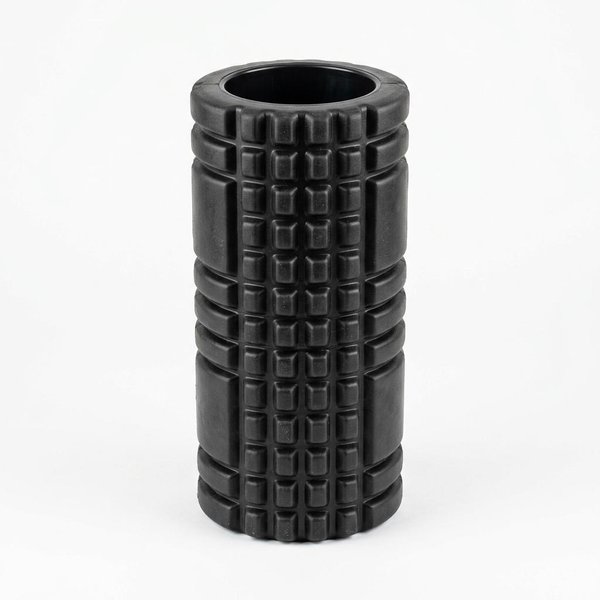
Our research-backed review of the 321 STRONG Foam Roller examines texture pattern, foam density, durability, and pain-pressure balance for self-massage.
Foam rolling is a form of self-myofascial release (SMR) that applies sustained pressure to muscle and connective tissue, with the stated goals of reducing muscle tension, improving range of motion, and alleviating post-exercise soreness. The 321 STRONG Foam Roller is a textured, medium-density roller that has become one of the best-selling options in the home recovery category. Our analysis evaluates whether its design features produce functional benefits beyond a smooth foam cylinder.
| Attribute | Specification |
|---|---|
| Dimensions | 12.75" L x 5.25" diameter |
| Material | EVA foam over rigid hollow core |
| Surface | Multi-pattern texture (grids, ridges, flat zones) |
| Density | Medium (manufacturer classification) |
| Weight capacity | Not specified; hollow core supports bodyweight |
| Weight | Approximately 0.75 lbs |
| Colors | Multiple options |
The 321 STRONG features a varied surface pattern combining grid sections, longitudinal ridges, and flat zones. Our analysis suggests this multi-zone approach serves a functional purpose: different textures produce different pressure distributions across muscle groups. Grid sections target specific trigger points with higher localized pressure; flat zones distribute pressure more evenly over sensitive areas; ridges create a shearing effect along muscle fiber direction.
Unlike solid foam rollers, the 321 STRONG uses a rigid hollow core with an EVA foam outer layer. Our analysis indicates hollow-core construction provides several advantages: the rigid core maintains structural integrity under bodyweight, the roller is significantly lighter for transport and storage, and the hollow design allows for progressive loading if the user stores items inside during certain exercises.
The manufacturer classifies the foam as medium density. Our research suggests medium-density rollers occupy the optimal middle ground for most users: firm enough to produce meaningful tissue pressure without the extreme discomfort of high-density rollers for beginners. The density classification is somewhat subjective, but user observations consistently describe the 321 STRONG as firmer than basic solid-foam rollers but more tolerable than PVC pipe or high-density cork alternatives.
| Criterion | Rating | Analysis |
|---|---|---|
| Texture Effectiveness | 7/10 | Multi-zone texture provides genuine variation in pressure distribution. Grid sections effectively target trigger points; flat zones suit sensitive areas. Texture difference from smooth rollers is noticeable and functional. |
| Foam Density | 7/10 | Medium density hits a practical sweet spot: sufficient pressure for tissue release without the extreme discomfort that deters consistent use. Experienced users may desire firmer options. |
| Build Durability | 7/10 | Hollow core construction resists permanent deformation better than solid foam. EVA surface shows minor compression with 6+ months of regular use but maintains functional texture. |
| Size Portability | 8/10 | 12.75" length is shorter than standard 18-36" rollers but adequate for most body areas. Fits in standard gym bags. Storage footprint is minimal. |
| Coverage Area | 6/10 | Short length requires repositioning for full-back rolling. The 12.75" size is ideal for targeted work (IT band, calves, glutes) but less efficient for full spinal rolling. |
| Pain-Pressure Balance | 7/10 | Medium density with varied texture zones allows users to modulate intensity by selecting different surface areas. More tolerable for beginners than high-density alternatives. |
| Versatility | 7/10 | Suitable for pre-workout warm-up, post-workout recovery, and general mobility work. Can also serve as an unstable surface for core activation exercises. |
| Value | 9/10 | Price point is among the most accessible for a textured, hollow-core roller. Strong specification-to-price ratio for entry-level and intermediate users. |
Overall Score: 7.3/10
The 321 STRONG Foam Roller represents a well-executed entry in the textured roller category. Our analysis confirms the multi-zone surface provides genuine functional variation compared to smooth rollers, the medium density hits a broadly appropriate sweet spot, and the hollow-core construction delivers acceptable durability at a budget-friendly price.
The 12.75" length is the primary constraint: it excels for targeted body-area work but requires more repositioning than longer rollers for full-back sessions. For most home gym users performing post-workout recovery on specific muscle groups, this limitation is minor. As a first textured roller or portable recovery tool, the 321 STRONG is a defensible choice.
| Alternative | Key Difference | Best For |
|---|---|---|
| TriggerPoint GRID | Similar hollow core, firmer EVA, longer 13" and 26" options | Users wanting established brand reputation and length variety |
| LuxFit High-Density | Solid high-density foam, 18" and 36" lengths | Experienced rollers seeking maximum firmness and full-back coverage |
| Rumble Roller | Aggressive knob texture for deep trigger point work | Advanced users seeking intense tissue manipulation |
Last updated: April 2025. Specifications are based on manufacturer-published data and aggregated user observations. Individual results may vary.
| Image | Product | Price | Badge | Link |
|---|---|---|---|---|
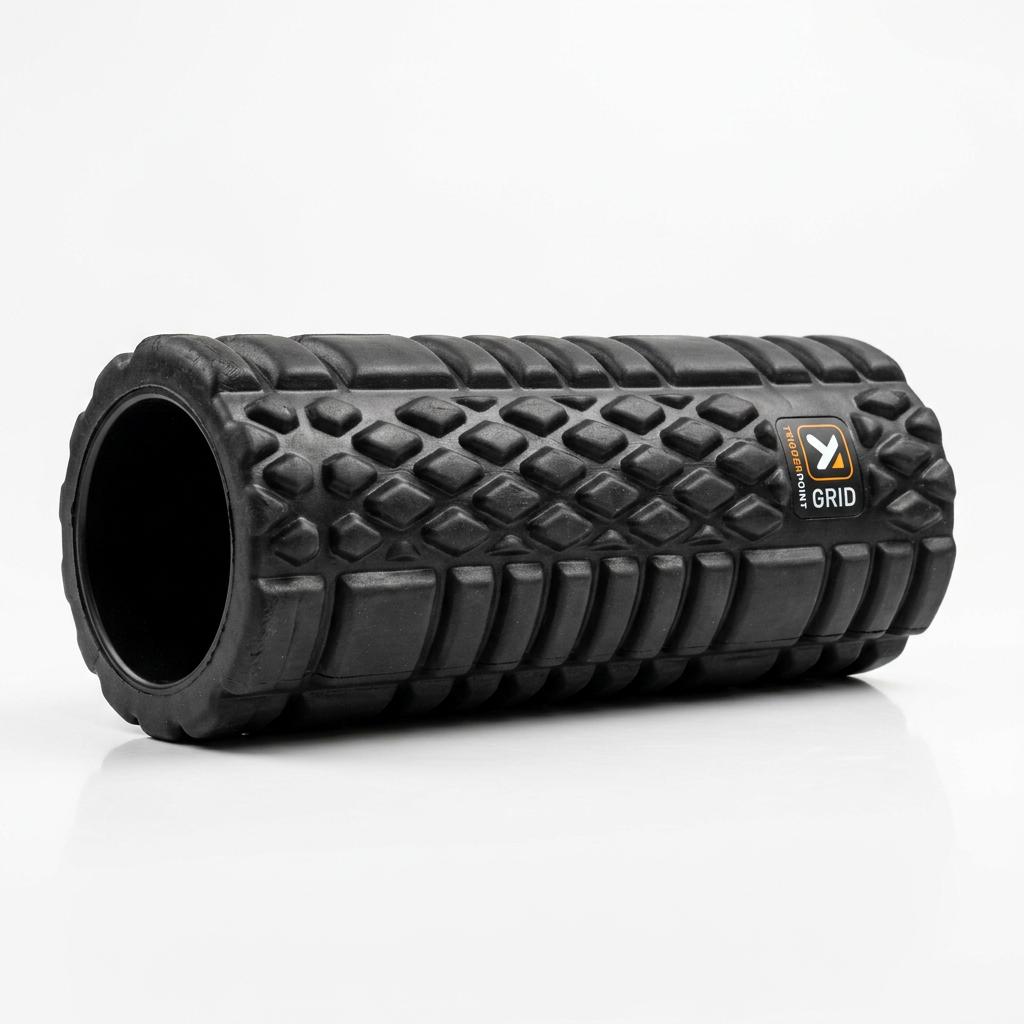 |
TriggerPoint GRID Foam Roller | $35-$45 | Best Overall | Check Price |
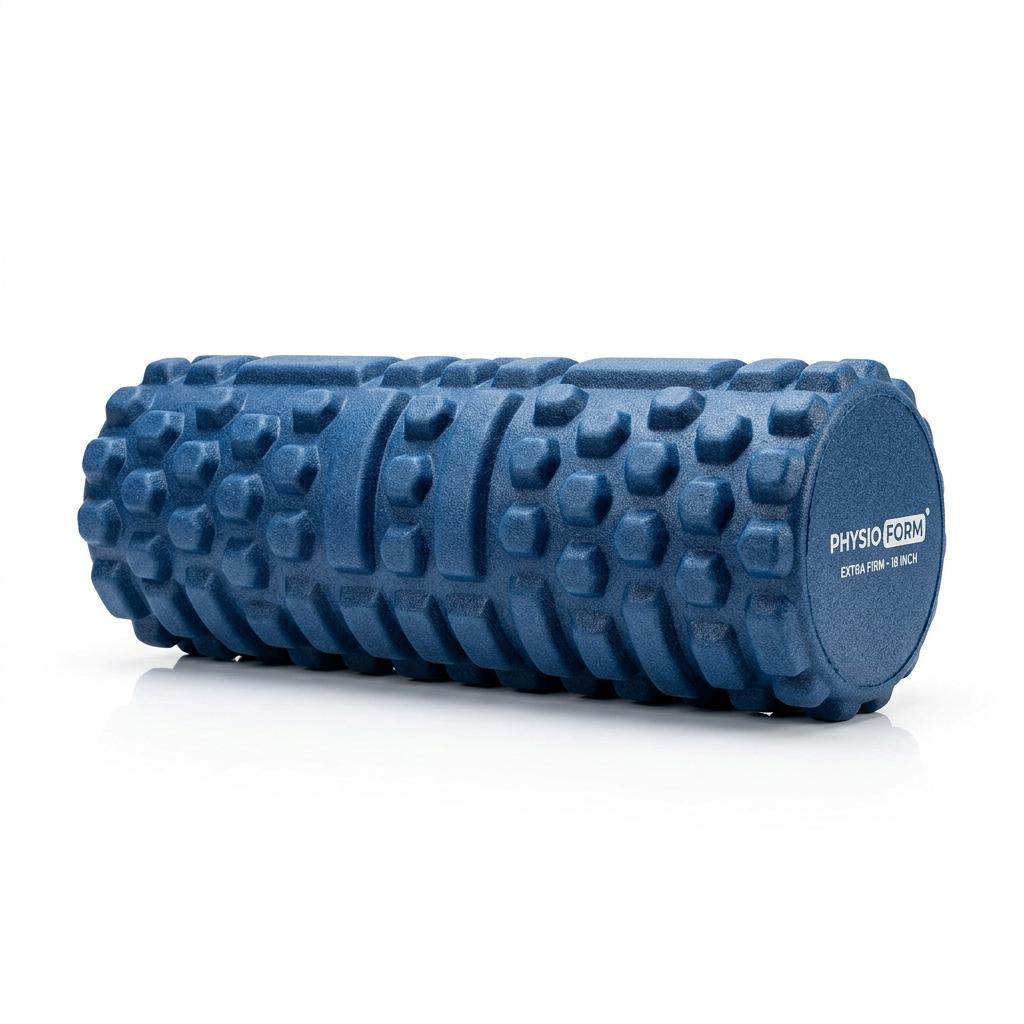 |
ProsourceFit High Density Extra Firm Foam Roller | $18-$28 | Best for Deep Tissue | Check Price |
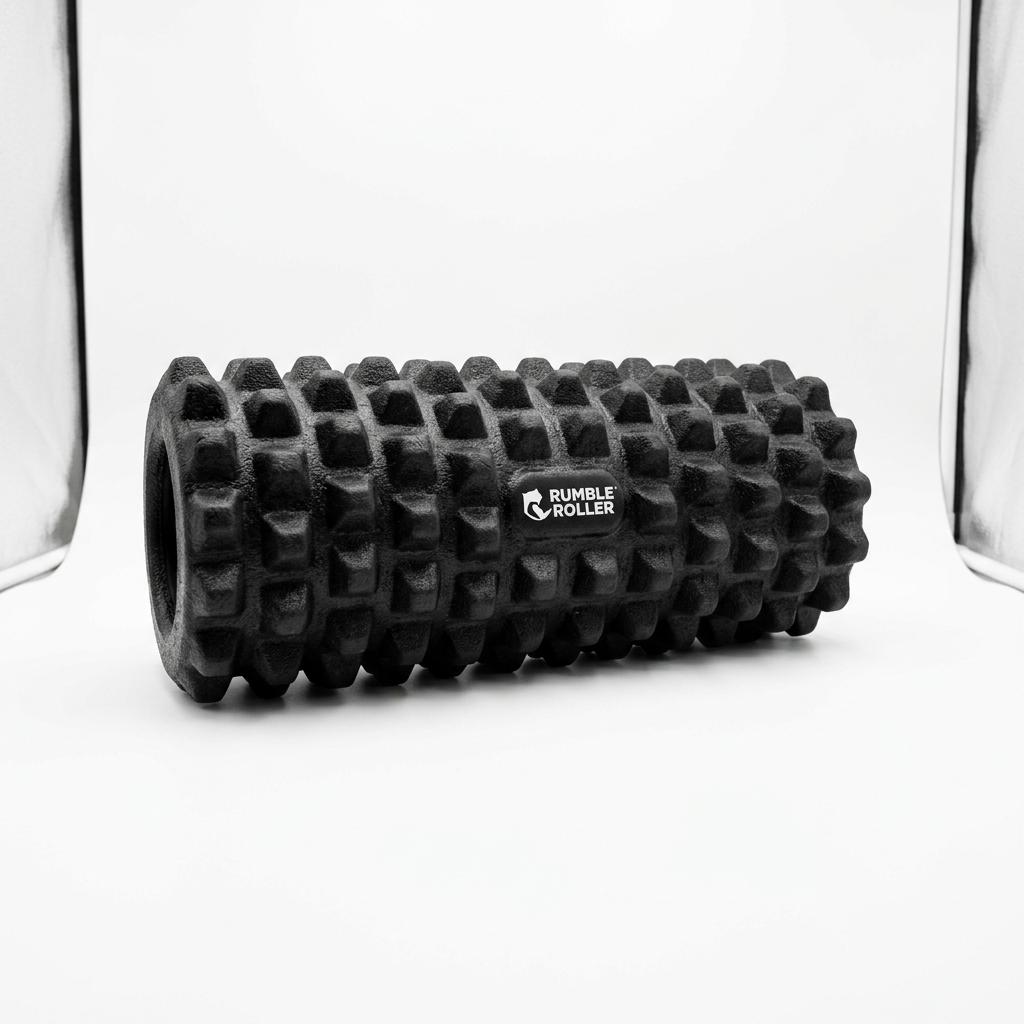 |
Rumble Roller Textured Foam Roller | $45-$65 | Most Aggressive | Check Price |
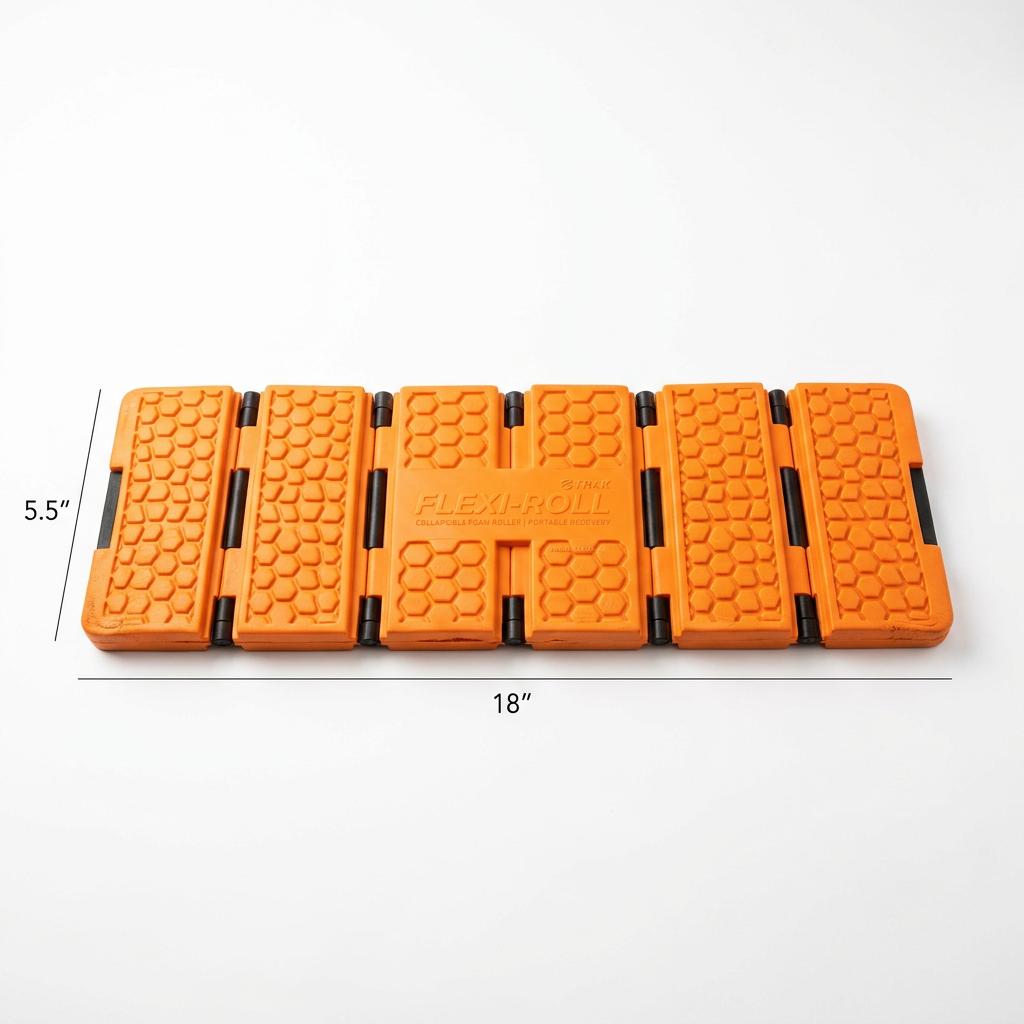 |
Brazyn Morph Trek Foam Roller | $50-$65 | Best for Travel | Check Price |
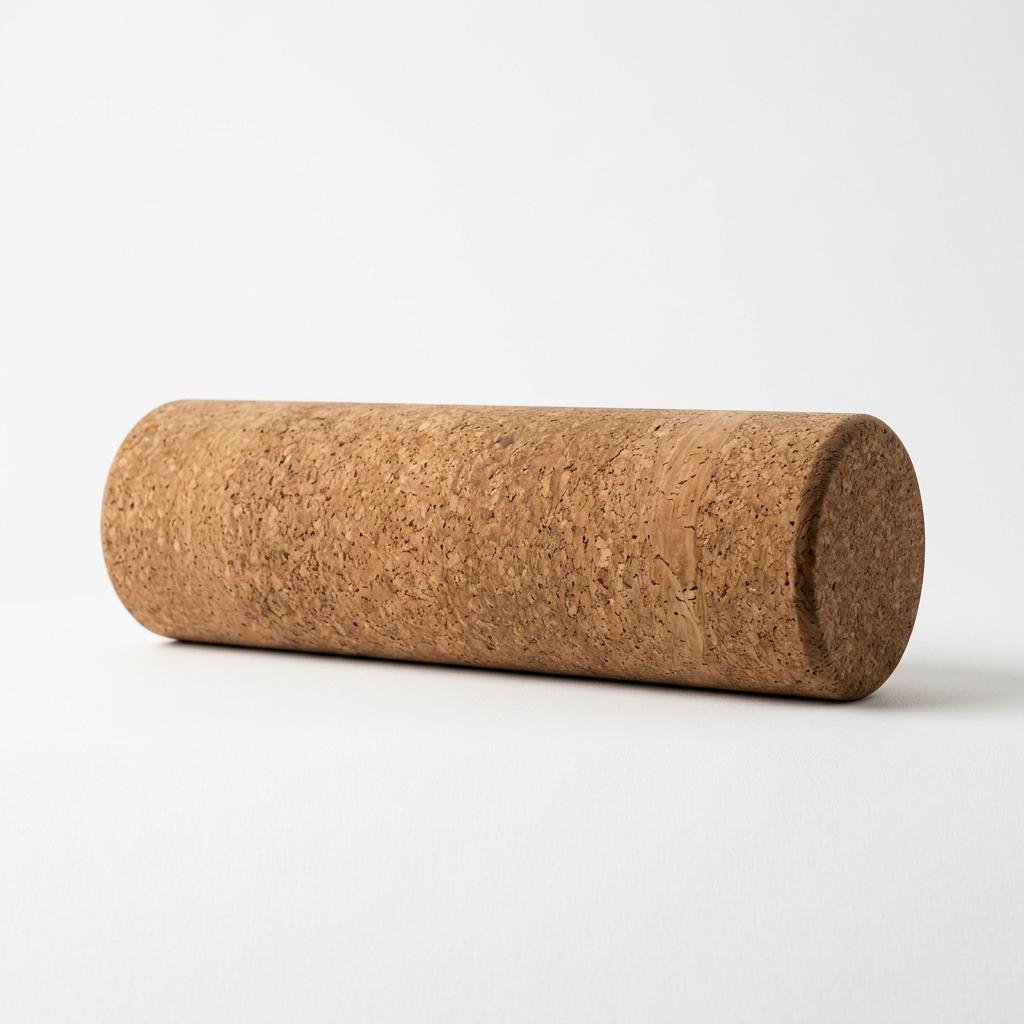 |
Node Fitness Cork Yoga Roller | $25-$35 | Best Eco-Friendly | Check Price |
The TriggerPoint GRID remains the industry benchmark for textured foam rollers, offering superior durability and effective trigger point therapy.
The ProsourceFit extra firm roller delivers intense pressure for experienced users who need deep tissue myofascial release.
The Rumble Roller's unique knobbed design provides the most aggressive myofascial release available for experienced users seeking maximum tissue manipulation.
The Brazyn Morph Trek is the first truly portable foam roller that doesn't sacrifice rolling quality, collapsing flat for easy transport and storage.
The Node Fitness Cork Roller offers an eco-friendly alternative to synthetic foam with natural antimicrobial properties and firm, consistent pressure.
The TriggerPoint GRID Foam Roller is the gold standard against which all other foam rollers are measured, including the 321 STRONG. Its patented multi-density grid pattern is designed to replicate the feeling of a massage therapist's hands, with narrow tubular sections for tissue manipulation, broad sections for sustained pressure, and small knobs for targeted trigger point work. The rigid hollow core made from high-density EVA foam maintains structural integrity even under 500 pounds of pressure, ensuring consistent performance for years. Physical therapists and athletic trainers nationwide trust the GRID for both clinic and patient home use. While it commands a premium price, the durability and effectiveness make it a worthwhile long-term investment for serious recovery work. The 13-inch model is perfect for targeted work on legs and arms, while the 26-inch version handles full-back rolling more efficiently.
Check Price on Amazon
For experienced foam rollers who find medium-density options too soft, the ProsourceFit High Density Extra Firm Foam Roller provides the intense pressure needed for meaningful deep tissue work. Made from expanded polypropylene (EPP) foam, this roller is significantly firmer than the 321 STRONG's EVA construction, delivering pressure that penetrates deeper into muscle tissue. The molded grid texture creates varied pressure points that help break up fascial adhesions and release chronic muscle knots. The 18-inch length strikes the best balance between coverage area and portability, handling full-back rolling without the bulk of a 36-inch model. While the extra firmness may be too intense for beginners or those with low pain tolerance, athletes and experienced rollers will appreciate how effectively this tool addresses deep-seated tension. Start with shorter sessions and gradually increase duration as your tolerance improves.
Check Price on Amazon
The Rumble Roller is not for the faint of heart. Its distinctive knobbed surface, featuring rows of flexible bumps that act like thumbs digging into your muscles, provides the most aggressive myofascial release of any consumer foam roller. The knobs are designed to flex independently, allowing them to move around bones and target the tissue between muscle bellies where traditional rollers cannot reach. This makes the Rumble Roller exceptionally effective for addressing chronic tightness in the thoracic spine, glutes, and IT band. The firm density option is appropriate for most experienced users, while the extra-firm version is reserved for those with very dense muscle mass or a high pain tolerance. If the 321 STRONG no longer provides enough stimulus for your recovery needs, the Rumble Roller represents the next level of tissue manipulation. Expect an intense sensation that evolves into deep relief as muscles release.
Check Price on Amazon
The Brazyn Morph Trek Foam Roller solves the biggest limitation of every other foam roller on the market: portability. Using an innovative collapsible design, the Morph Trek folds completely flat to just 2 inches thick, making it easy to pack in a suitcase, slide into a desk drawer, or store under a bed. When expanded, it provides a full 5.5-inch diameter rolling surface that's comparable to traditional rollers, with enough firmness to deliver meaningful tissue pressure. The collapsible mechanism uses durable folding segments with a honeycomb texture that grips clothing effectively. For travelers who need to maintain their recovery routine on the road, or for apartment dwellers with limited storage space, the Morph Trek is revolutionary. While the price is higher than basic rollers, the convenience of having a quality foam roller available wherever you go justifies the investment for frequent travelers.
Check Price on Amazon
For environmentally conscious users seeking an alternative to petroleum-based foam rollers, the Node Fitness Cork Yoga Roller delivers excellent performance while being fully biodegradable and sustainably sourced. The natural cork material provides a firm, consistent rolling surface that's slightly less yielding than the 321 STRONG's EVA foam, making it better suited for experienced users. Cork's natural antimicrobial properties mean this roller resists odor buildup far better than synthetic alternatives, a significant advantage for a piece of equipment that comes into close contact with sweat. The smooth surface glides easily over clothing and provides even pressure distribution ideal for spinal rolling and larger muscle groups. While cork does show wear marks over time and weighs more than foam alternatives, the environmental benefits and natural performance characteristics make this an excellent choice for eco-minded recovery enthusiasts.
Check Price on Amazon