How to Fix a Wobbly Adjustable Bench: A Complete Troubleshooting Guide
A comprehensive troubleshooting guide for fixing wobbly adjustable weight benches. Learn to diagnose causes, level floor...
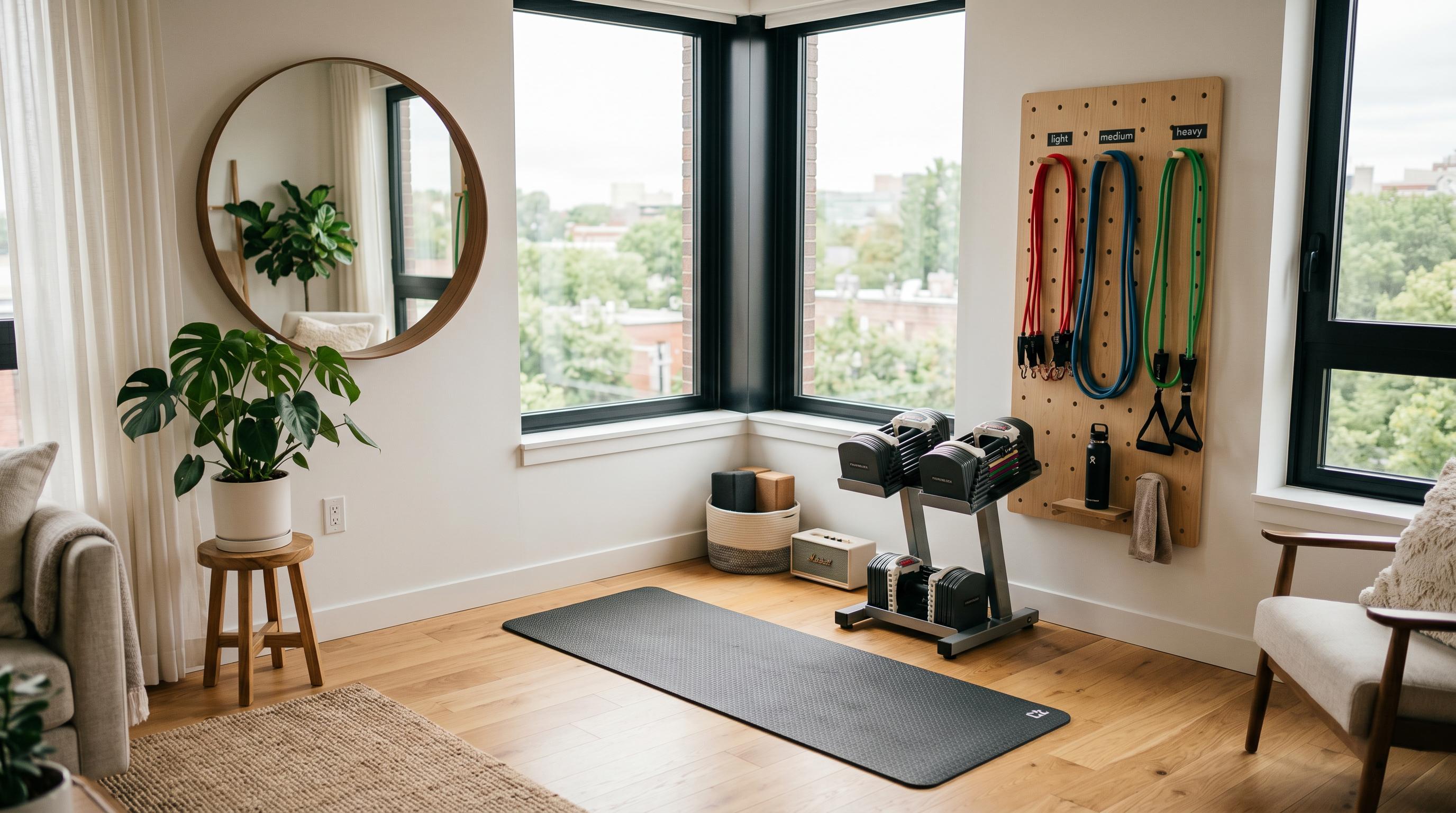
Complete guide to buying used gym equipment safely. Learn inspection checklists, where to buy, common scams, negotiation tactics, and what to buy used vs new.
FTC Disclosure: SnugGym receives commissions from purchases made through Amazon links on this page. Our editorial opinions remain independent.
Building a home gym doesn't have to break the bank. Buying used equipment can reduce costs by 50-80% compared to retail prices, allowing you to assemble a professional-quality training space for the price of a mid-tier new setup. A commercial-grade power rack that costs $1,200 new can often be found for $400-600 on the secondary market. Olympic barbells that retail for $350 may sell for $150-200 from owners who never developed the lifting habit.
However, the used equipment market has risks. Scams, hidden defects, misrepresented conditions, and unsafe equipment are genuine concerns. Without the protections of retail purchases — warranties, return policies, customer service — buyers must be their own quality inspectors, negotiators, and logistics coordinators.
Over the past year, the SnugGym Editorial Team purchased over $3,000 worth of used gym equipment across multiple platforms. We encountered honest sellers, questionable deals, outright scams, and everything in between. This guide distills our hard-won experience into actionable advice that will save you money while keeping you safe.
Facebook Marketplace has become the dominant platform for used gym equipment. The combination of local pickup (no shipping hassles), buyer/seller profiles (reduced anonymity), and massive user base creates the best overall marketplace.
Pros: Largest selection, local pickup, ability to inspect before paying, no platform fees for buyers Cons: Scams exist (especially "ship only" listings), prices often inflated by demand, no buyer protection for cash transactions
Pro tip: Set up alerts for specific keywords ("power rack," "Olympic weights," "Rogue") to get notified within minutes of new listings. The best deals sell within hours, sometimes minutes.
Craigslist's declining popularity actually benefits buyers. Less competition means better prices for those willing to search regularly. The "free" section occasionally includes gym equipment from people moving or clearing estates.
Pros: Often lowest prices, direct negotiation with sellers, no account required Cons: Anonymity increases scam risk, no buyer protections, more flakes and no-shows, limited search/filtering
Pro tip: Search surrounding areas within reasonable driving distance. Rural listings often have dramatically lower prices due to limited local demand.
eBay excels for finding specific items (rare specialty bars, discontinued equipment) and for buyers who want buyer protection through PayPal/eBay's Money Back Guarantee.
Pros: Buyer protection, nationwide selection, ability to find rare/discontinued items, seller ratings Cons: Shipping costs for heavy equipment are prohibitive ($100-400 for a power rack), cannot inspect before buying, potential damage in transit
Pro tip: Use eBay's "local pickup" filter to find items within driving distance that you can inspect before completing the transaction.
OfferUp combines mobile-first design with buyer protection through their "TruYou" verified seller program. Selection is smaller than Facebook but growing.
Pros: User-friendly app, ability to make offers, shipping option for smaller items Cons: Smaller selection, shipping protection only, some sellers cross-list at higher prices
When gyms close or upgrade, liquidators purchase entire inventories and resell to the public. Companies like Primo Fitness, UsedGymEquipment.com, and local fitness dealers offer commercial-grade equipment at 40-60% off retail.
Pros: Commercial-grade quality, refurbished options with warranties, large volume available Cons: Higher prices than individual sellers, may require professional delivery, limited selection of specific brands
The r/homegum subreddit has an active community of enthusiasts who buy, sell, and trade equipment. Members often give fellow Redditors better prices than marketplace listings.
Pros: Knowledgeable community, honest condition assessments, fair pricing culture, shipping coordination help Cons: No formal protections, PayPal Friends & Family often requested (no buyer protection), requires active community participation
Frame integrity:
Functionality:
Shaft inspection:
End caps:
Brand verification:
Cast iron plates:
Bumper plates:
Frame and pad:
General considerations:
A seller insists on shipping despite being local, demands payment via Zelle or Venmo (no buyer protection), then never ships the item. Avoidance: Only buy locally with cash on pickup, or use PayPal Goods & Services for shipped items. Never use payment methods with no recourse.
The listing shows high-quality equipment at a great price, but upon arrival the seller claims it "just sold" and tries to sell you inferior equipment at the same price. Avoidance: Confirm availability before traveling, and walk away if the deal changes.
Photos hide defects, or the seller claims "barely used" equipment that shows clear abuse. Avoidance: Inspect in person before paying. If buying shipped, request detailed photos of all angles, welds, and known wear points.
Deals that seem too good to be true sometimes are — the equipment may be stolen. Avoidance: Ask about purchase history and why they're selling. Be wary of sellers with multiple high-end items at below-market prices.
Fake branded equipment (especially Rogue and Eleiko) appears in the used market. Avoidance: Know the authentic branding, markings, and quality indicators for major brands. When in doubt, contact the manufacturer with photos for verification.
Know the retail price, common used price, and condition-adjusted value before making an offer. OfferUp and Facebook Marketplace show sold listings — study these to understand actual market prices, not just asking prices.
Sellers almost always prefer cash and will accept 5-15% less for immediate cash payment versus electronic methods. Bring exact change to close deals quickly.
If a seller has multiple items you want, negotiate a package price. "I'll take the rack, bench, and all the weights for $800" often succeeds where individual item negotiations fail. Sellers want to clear space efficiently.
If inspection reveals issues not disclosed in the listing, use this as negotiation leverage: "I noticed some surface rust on the uprights that wasn't visible in the photos. Would you take $50 less to account for cleanup time?"
The strongest negotiating position is genuine willingness to leave without the item. There will always be another rack, another set of weights. Walking away from overpriced or misrepresented equipment saves money and regret.
End of month (people moving), January (failed New Year's resolutions), and late spring (garage cleanouts) are peak supply periods when sellers are most motivated.
Rental option: Home Depot and Lowe's offer pickup truck and cargo van rentals for $19-29 for 75 minutes — often the cheapest way to transport larger items.
| Equipment | Typical Savings | Notes |
|---|---|---|
| Power racks | 50-70% | Nearly indestructible, easy to inspect |
| Weight plates (iron) | 40-60% | Simple, hard to damage, lasts decades |
| Barbells (quality brands) | 40-50% | Inspect carefully, avoid cheap imports |
| Adjustable benches | 50-60% | Simple mechanisms, inspect pad and frame |
| Dumbbells (hex/rubber) | 40-50% | Very durable, easy to clean |
| Weight trees/storage | 50-70% | Pure steel, impossible to break |
| Equipment | Reason |
|---|---|
| Bumper plates | Quality varies enormously; cheap bumpers crumble quickly |
| Treadmills | Complex electronics, expensive repairs, shipping damage risk |
| Cable machines | Pulley wear is hidden, replacement parts may be unavailable |
| Smith machines | Guide rod wear and bearing failure are hard to detect |
| Cheap barbells | New cheap bars ($50-100) often better than used cheap bars |
| Equipment | Considerations |
|---|---|
| Specialty bars (safety squat, multi-grip) | Good used if from reputable brand, inspect welds carefully |
| Rowing machines | Concept2s hold value; buy used if under $700 |
| Exercise bikes | Simple bikes yes; smart bikes (Peloton) buy new for warranty |
| Kettlebells | Buy new — used savings minimal, shipping expensive |
Use these benchmarks to evaluate asking prices. Prices assume mid-tier quality brands (Rogue, Titan, Rep Fitness, etc.):
| Equipment | Retail | Excellent (used) | Good (used) | Fair (used) |
|---|---|---|---|---|
| Power rack (full cage) | $700-1,200 | $400-700 | $250-400 | $150-250 |
| Olympic barbell | $250-400 | $150-250 | $100-150 | $60-100 |
| Iron plates ($/lb) | $1.50-2.50 | $0.80-1.20 | $0.50-0.80 | $0.30-0.50 |
| Bumper plates ($/lb) | $2.00-3.50 | $1.20-2.00 | $0.80-1.20 | Not recommended |
| Adjustable bench | $200-400 | $120-200 | $80-120 | $50-80 |
| Flat bench | $150-250 | $90-150 | $60-90 | $40-60 |
| Dumbbells ($/lb) | $1.50-2.50 | $0.80-1.20 | $0.50-0.80 | $0.30-0.50 |
| Weight tree | $80-150 | $40-80 | $25-40 | $15-25 |
Q: How much can I save buying used gym equipment? Expect 40-70% savings on strength equipment and 30-50% on cardio equipment. A complete home gym that costs $2,500 new can typically be assembled for $1,000-1,500 with patient used shopping.
Q: What's the biggest mistake used equipment buyers make? Buying cheap, low-quality equipment because the price is attractive. A $100 used Walmart rack is less safe and less functional than a $300 used Titan rack. Prioritize quality brands even in the used market.
Q: Should I buy a used treadmill? Generally no. Treadmills have the highest repair rates of any gym equipment, parts availability is unpredictable, and shipping/delivery costs often eliminate savings. Exception: lightly used commercial treadmills from reputable dealers with refurbishment warranties.
Q: Is it safe to buy a used barbell? Yes, with proper inspection. Check for straightness (roll it on a flat floor), spin the sleeves, and verify the brand. Quality barbells (Rogue, Eleiko, Kabuki) last decades with basic maintenance. Avoid unbranded or visibly abused bars.
Buying used gym equipment is one of the smartest financial decisions a home gym owner can make. The strength equipment market is uniquely favorable to used buyers — racks, plates, and barbells are essentially indestructible when properly maintained, and the secondary market is flooded with equipment from abandoned fitness resolutions.
The keys to success: know what you're looking for, inspect thoroughly before paying, negotiate confidently, and prioritize quality brands over low prices. A used Rogue rack at $500 is a better investment than a new budget rack at $400 — it will outlast your training career and retain resale value if you ever upgrade.
Start with the essentials: a quality power rack, an Olympic barbell from a reputable brand, and iron plates. These three items form the foundation of 90% of effective strength training and offer the best used-market values. Add specialty equipment as your training evolves and deals appear.
Last updated: May 2026. Prices are estimates and vary by location and market conditions.