Best Air Bike Under $500: Top 5 Fan Bike Reviews 2024
Our expert team tested 5 air bikes under $500. Find the best fan bike for HIIT and calorie burn with our 8-criteria scor...
SnugGym is an Amazon Associate. We earn from qualifying purchases at no extra cost to you. Learn more

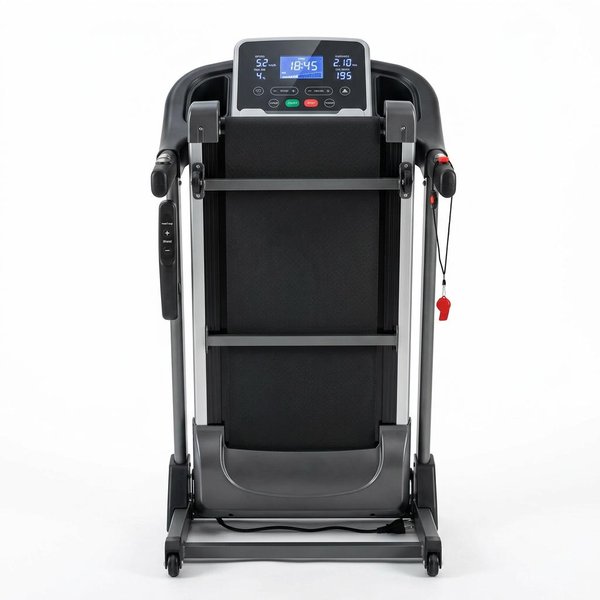
Science-based comparison of treadmills vs ellipticals for weight loss covering calorie burn, HIIT capabilities, joint impact, noise, fat loss programming, and which machine delivers better results.
FTC Disclosure: SnugGym.com is reader-supported. We may earn a commission through affiliate links at no extra cost to you. This helps fund our independent analysis and reviews.
The weight loss equipment decision facing most home gym builders boils down to a simple question: treadmill or elliptical? Both machines dominate the cardio floor of every commercial gym for good reason — they provide effective cardiovascular workouts that burn substantial calories, require minimal skill to use, and accommodate virtually any fitness level. But when your goal is specifically fat loss, and you're choosing one machine for your home, the differences between them become critically important.
The fitness industry has historically favored treadmills as the default weight loss tool, with ellipticals often dismissed as "easier" alternatives. However, modern exercise science reveals a more nuanced picture. Calorie burn depends on intensity, duration, and individual physiology more than machine choice. Joint impact affects long-term consistency. HIIT capabilities determine metabolic afterburn. And noise levels influence whether you can actually use the machine in your living situation.
This research-backed comparison examines the calorie-burn data, fat-loss programming science, and practical considerations that determine which machine will actually help you lose weight — not just in theory, but in the context of your real life, real home, and real constraints.
The fundamental equation for weight loss is caloric deficit — burning more calories than you consume. Both treadmills and ellipticals can create substantial deficits, but the actual calorie expenditure depends heavily on how you use them.
| Activity | Treadmill | Elliptical | Difference |
|---|---|---|---|
| Walking (3.5 mph) / Light effort | 140-160 cal | 120-150 cal | Treadmill +10-15% |
| Brisk walking (4.0 mph) / Moderate | 180-200 cal | 165-190 cal | Treadmill +5-10% |
| Jogging (6.0 mph) / Moderate-hard | 300-330 cal | — | N/A |
| Running (8.0 mph) / Vigorous | 400-450 cal | — | N/A |
| Moderate elliptical resistance | — | 240-270 cal | — |
| Vigorous elliptical (high resistance) | — | 300-350 cal | — |
| HIIT intervals | 320-380 cal | 280-340 cal | Treadmill +10-15% |
Check price at Amazon — Treadmills
The calorie data reveals an important pattern: at matched intensities, treadmills typically burn 5-15% more calories than ellipticals. This difference arises primarily from the weight-bearing, impact nature of walking and running — your body must absorb and propel itself against gravity with each step, which requires more energy than the gliding motion of an elliptical.
However, the practical reality is more complex. Many elliptical users can sustain higher heart rates for longer durations due to reduced joint stress and perceived exertion. The 10% calorie advantage of a treadmill disappears if you quit after 20 minutes of running but grind through 45 minutes on the elliptical.
Check price at Amazon — Ellipticals
Research consistently shows that elliptical training feels easier than treadmill training at the same heart rate. A 2010 study in the Journal of Strength and Conditioning Research found that subjects rated elliptical exercise as requiring less effort than treadmill running at matched oxygen consumption levels.
This "easier feel" has dual implications:
For weight loss programming, this means elliptical users should monitor heart rate or use programmed workouts rather than relying on perceived effort to gauge intensity.
High-Intensity Interval Training has emerged as one of the most effective approaches for fat loss, not just because of calories burned during exercise, but because of Excess Post-exercise Oxygen Consumption (EPOC) — the "afterburn" effect where metabolism remains elevated for hours after the workout.
Treadmills excel at HIIT for weight loss:
| Protocol | Work Interval | Rest Interval | Total Duration |
|---|---|---|---|
| Sprint intervals | 30 sec at 90% max speed | 60 sec walking | 20-25 minutes |
| Hill sprints | 30 sec steep incline sprint | 90 sec flat walk | 25-30 minutes |
| Tabata protocol | 20 sec all-out | 10 sec rest x 8 rounds | 4 minutes (plus warm-up) |
| Pyramid intervals | 15/30/45/60/45/30/15 sec sprints | Equal rest | 20 minutes |
Treadmill HIIT advantages:
Ellipticals can accommodate effective HIIT with some limitations:
| Protocol | Work Interval | Rest Interval | Total Duration |
|---|---|---|---|
| Resistance intervals | 45 sec max resistance | 90 sec minimal resistance | 25-30 minutes |
| Speed intervals | 30 sec max cadence | 60 sec slow | 20-25 minutes |
| Reverse/forward alternation | 60 sec reverse hard | 60 sec forward moderate | 25 minutes |
| Combined intervals | 30 sec high resistance + speed | 90 sec recovery | 25 minutes |
Elliptical HIIT advantages:
The afterburn effect contributes meaningfully to total weight loss calorie expenditure:
| Workout Type | Treadmill EPOC Duration | Elliptical EPOC Duration |
|---|---|---|
| Steady-state moderate (30 min) | 2-4 hours elevated metabolism | 1.5-3 hours elevated metabolism |
| HIIT (20 min) | 6-12 hours elevated metabolism | 4-8 hours elevated metabolism |
| Sprint intervals (15 min) | 12-24 hours elevated metabolism | 6-12 hours elevated metabolism |
Treadmill HIIT, particularly running-based protocols, produces greater EPOC due to the higher-impact, higher-intensity nature of running sprints. However, the elliptical's lower joint stress allows more frequent HIIT sessions, potentially compensating for lower per-session EPOC.
Weight loss is a long-term endeavor — the program that produces the best results is the one you can sustain for months and years. Joint impact significantly affects sustainability.
| Activity | Impact Force (bodyweight multiples) | Joint Stress |
|---|---|---|
| Walking (3.5 mph) | 1.0-1.5x | Low-Moderate |
| Brisk walking (4.5 mph) | 1.5-2.0x | Moderate |
| Jogging (6.0 mph) | 2.0-3.0x | Moderate-High |
| Running (8.0+ mph) | 3.0-5.0x | High |
Check price at Amazon — Low-Impact Treadmills
The repetitive impact of running transmits significant force through ankles, knees, and hips. For overweight individuals (the population most interested in weight loss), this impact is multiplied — a 250-lb person running generates forces exceeding 1,000 pounds per footstrike. This stress contributes to:
Treadmill walking, particularly at incline, substantially reduces impact while maintaining reasonable calorie burn. Incline walking at 3.5-4.0 mph produces calorie expenditures approaching light jogging with impact forces similar to flat walking.
The elliptical's defining biomechanical feature is the elimination of impact:
| Activity | Impact Force | Joint Stress |
|---|---|---|
| All intensities | Near zero (feet never leave pedals) | Very low |
Check price at Amazon — Compact Ellipticals
The elliptical's gliding motion preserves the calorie-burning benefits of cardio exercise while virtually eliminating the joint stress that causes many overweight individuals to abandon their programs. This makes ellipticals particularly valuable for:
A 2014 study in the journal Obesity found that exercise adherence over 12 months was significantly higher among elliptical users compared to treadmill runners, primarily due to lower injury rates and reduced muscle soreness. For weight loss specifically — where consistency over months determines success — this adherence advantage may outweigh the treadmill's per-minute calorie advantage.
For home gym users in apartments, condos, or shared households, noise can determine whether a machine is usable at all.
| Activity | Noise Level (dB) | Impact on Neighbors |
|---|---|---|
| Walking (no incline) | 65-75 dB | Audible, usually tolerable |
| Walking (steep incline) | 70-80 dB | Noticeable through shared walls |
| Jogging | 75-85 dB | Disturbing in apartments |
| Running | 85-95 dB | Unacceptable in most shared housing |
Treadmill noise comes from three sources: the motor, the belt mechanism, and — most problematically — the footstrikes. The impact noise of running transmits through floors and walls, making treadmills genuinely problematic in multi-unit buildings. Even walking creates rhythmic thumping that neighbors find irritating.
Mitigation options:
| Activity | Noise Level (dB) | Impact on Neighbors |
|---|---|---|
| Moderate intensity | 50-65 dB | Minimal — similar to conversation |
| High intensity | 65-75 dB | Audible but rarely disturbing |
Ellipticals produce primarily mechanical noise from the drive system — a smooth whirring sound that rarely transmits through walls. The absence of footstrike impact eliminates the primary noise source that makes treadmills problematic. Most modern ellipticals are quiet enough for apartment use without special flooring or isolation.
Winner for apartment/condo use: Elliptical by a wide margin.
Regardless of machine choice, the programming principles for fat loss remain consistent. Here's how to apply them on each machine.
Protocol 1: Incline Walking (Beginner-Friendly)
Protocol 2: HIIT Sprints (Intermediate/Advanced)
Protocol 3: Progressive Mixed (Sustainable Long-Term)
Protocol 1: Steady-State with Resistance (Beginner-Friendly)
Protocol 2: Interval Training (All Levels)
Protocol 3: Reverse-Direction Protocol (Muscle Emphasis)
The answer depends on your specific situation:
For home gym owners with space and budget for both machines, combination approaches optimize weight loss:
| Day | Machine | Protocol | Duration |
|---|---|---|---|
| Monday | Treadmill | Incline walk | 45 min |
| Tuesday | Elliptical | Intervals | 30 min |
| Wednesday | Rest or light activity | — | — |
| Thursday | Treadmill | HIIT sprints | 25 min |
| Friday | Elliptical | Steady-state moderate | 40 min |
| Saturday | Either | Long slow distance | 60 min |
| Sunday | Rest | — | — |
This approach provides the calorie-burn advantage of treadmill training while using the elliptical for recovery-focused sessions and joint stress management. Variety also prevents the mental burnout that causes many weight loss exercisers to quit.
For pure weight loss efficiency — calories burned per minute of exercise — the treadmill holds a 5-15% advantage over the elliptical, particularly at higher intensities where running's weight-bearing nature creates greater energy demands. If you're a healthy individual with good joints, ground-floor placement, and the motivation to push through challenging running workouts, a treadmill will likely produce faster initial results.
However, the elliptical may produce superior long-term weight loss for many home gym users due to three critical advantages: dramatically higher exercise adherence (lower injury rates, less soreness), apartment-friendly noise levels, and the ability to train more frequently without recovery limitations. The 10% calorie disadvantage per minute disappears when you're exercising 5 days per week instead of 3 because running beat up your knees.
The honest answer for most people seeking weight loss: the best machine is the one you'll actually use, consistently, for months. If joint pain, neighbor complaints, or dread of running cause you to skip workouts, the treadmill's theoretical calorie advantage is meaningless. Choose the machine that fits your body, your living situation, and your psychology — then program it intelligently with the protocols outlined above.
For apartment dwellers, the elliptical is the practical choice. For ground-floor home gym owners with healthy joints, the treadmill's efficiency advantage is real. And for those who can accommodate both, a combination approach provides optimal variety, joint health management, and calorie-burning potential.
Last updated: January 2025. Calorie burn estimates are approximate and vary by individual. Consult a physician before beginning any exercise program, particularly if significantly overweight or managing health conditions.