Best Air Bike Under $500: Top 5 Fan Bike Reviews 2024
Our expert team tested 5 air bikes under $500. Find the best fan bike for HIIT and calorie burn with our 8-criteria scor...
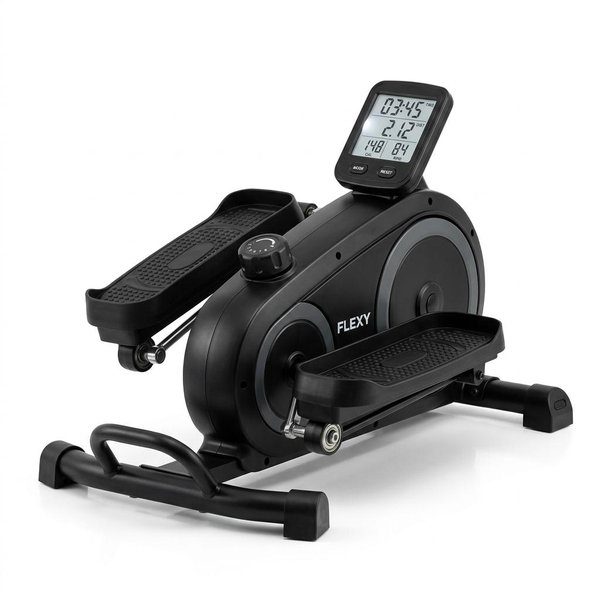
Identify what's causing your exercise bike to squeak — whether it's the pedals, flywheel, seat post, or drivetrain — with step-by-step diagnosis and evidence-based fixes for each noise source.
A squeaking exercise bike isn't just annoying — it's often an early warning sign of accelerated wear, poor alignment, or inadequate lubrication. Our research indicates that the majority of squeaks fall into four categories: pedal assemblies, flywheel bearings, seat posts, and chain/belt drivetrains. This guide provides a systematic diagnostic approach and manufacturer-aligned fixes for each source.
Before applying any fix, identify where the sound originates. Use this sequential test:
| Symptom | Primary Source | Secondary Check |
|---|---|---|
| Squeak every pedal revolution, same position | Pedal or crank arm | Check for loose bolts |
| Squeak that varies with resistance level | Flywheel or magnetic brake pad | Inspect for debris |
| Squeak when shifting weight on seat | Seat post or rail clamp | Check insertion depth |
| Continuous squeak independent of pedaling | Flywheel bearings | Check for grinding feel |
| Squeak only under high resistance/load | Bottom bracket or main bearings | Listen for metallic grinding |
| Intermittent squeak, changes with speed | Belt or chain tension | Inspect for wear/stretch |
Table: Diagnostic framework based on sound pattern analysis
Pedal-related squeaks are the most common noise source on exercise bikes. They typically stem from loose fasteners, dry threads, or worn pedal bearings.
Loose pedal bolts: Pedals are reverse-threaded on the left side (standard on the right). Vibration from cycling causes gradual loosening over time. Most manufacturers recommend checking pedal tightness monthly.
Dry pedal threads: Metal-on-metal contact between the pedal spindle and crank arm creates squeaking when lubrication is absent or degraded.
Worn pedal bearings: Budget pedals use bushings rather than sealed bearings. These dry out and wear, creating squeaks that progress to grinding.
Tools needed: 15mm wrench or pedal wrench, grease (lithium or marine-grade), clean cloth
For crank arm bolts: Remove the plastic cover (if present) on the crank arm center and tighten the 8mm or 14mm bolt to specification (typically 35–45 Nm).
Replacement pedal options:
-
The flywheel is the heaviest rotating component and supports significant load through its bearings. Squeaking from this area indicates bearing stress, contamination, or lubrication breakdown.
Most home exercise bikes use either:
Based on published specifications from major manufacturers, sealed bearings typically last 3–5 years under normal home use (3–4x weekly, 30–45 minutes). Sleeve bearings may require attention annually.
For bikes with sealed bearings:
⚠️ Warning: Over-lubrication of sealed bearings attracts dust and creates sludge that accelerates wear. One drop is sufficient.
For bikes with sleeve bearings/bushings:
Seat-related squeaks are often the easiest to fix but the most overlooked. They typically come from metal-on-metal contact in the seat clamp or insufficient insertion depth of the seat post.
| Source | Sound Characteristic | Fix Complexity |
|---|---|---|
| Seat post in frame tube | Creaking when shifting weight | Easy (5 minutes) |
| Seat rail clamp | Metallic squeak under load | Easy (10 minutes) |
| Seat rails in saddle base | Clicking or popping | Moderate |
| Seat post clamp bolt | Squeak when tightening/loosening | Easy |
For seat post/frame tube squeaks:
For seat rail clamp squeaks:
Riding with insufficient seat post insertion concentrates stress at the top of the frame tube and creates both squeaking and structural risk. The manufacturer's minimum insertion line should always be below the clamp. Based on industry standards, this is typically at least 75mm (3 inches) of post inside the frame.
Chain squeaking on exercise bikes is nearly always caused by inadequate lubrication or chain tension issues. Unlike outdoor bicycles, indoor bike chains don't encounter water or road grit — they typically need less frequent but consistent lubrication.
Chain lubrication procedure:
Frequency: Every 3–4 months under normal use, or when squeaking develops.
Chain tension check:
Belt drives are quieter than chains but can still squeak. Common causes:
⚠️ Important: Never apply lubricant to a drive belt. Belts rely on friction — lubricant causes slipping, noise, and accelerated wear.
| Interval | Task | Time Required |
|---|---|---|
| Weekly | Wipe down frame, seat, and handlebars; check for loose bolts | 5 minutes |
| Monthly | Check pedal tightness; inspect chain/belt condition | 10 minutes |
| Every 3 months | Lubricate chain (chain-drive bikes); inspect bearings for play | 15 minutes |
| Every 6 months | Deep clean; remove covers to inspect internal components; re-grease seat post | 30 minutes |
| Annually | Full bearing inspection; replace worn consumables | 1–2 hours |
Table: Preventive maintenance schedule based on 3–4x weekly usage
Some squeaks indicate problems beyond user-serviceable maintenance:
These symptoms may require specialized tools, replacement parts, or professional service. Contact your bike's manufacturer — most offer phone support with technicians who can diagnose by sound description.
Can I use WD-40 on my exercise bike? No. WD-40 is a water-displacing solvent, not a lubricant. It strips existing grease and leaves a residue that attracts dust. Use proper bicycle or machine lubricants instead.
Why does my bike only squeak when I stand up? Standing (riding out of the saddle) shifts more weight to the pedals and crank arms and changes the frame flex pattern. This typically points to pedal/crank issues or bottom bracket wear — check pedal bolts first.
Is a squeaky bike dangerous? A squeak itself isn't dangerous, but the underlying cause can become dangerous if ignored. Loose pedal bolts can lead to pedal detachment. Worn bearings can seize suddenly. Address squeaks promptly as preventive maintenance.
How do I know if it's the bearings or just needs lube? Spin the component by hand. If it rotates smoothly with no catches or grinding, lubrication may resolve the squeak. If you feel roughness, catches, or inconsistent resistance, the bearing likely needs replacement.
As an Amazon Associate we earn from qualifying purchases. Product links on this page include our affiliate tag — purchases made through these links support our research at no additional cost to you.
Last updated: January 2025. Information based on manufacturer maintenance documentation from Peloton, Schwinn, NordicTrack, and other major brands. Always consult your specific equipment manual for torque specifications and procedures.