Best Air Bike Under $500: Top 5 Fan Bike Reviews 2024
Our expert team tested 5 air bikes under $500. Find the best fan bike for HIIT and calorie burn with our 8-criteria scor...
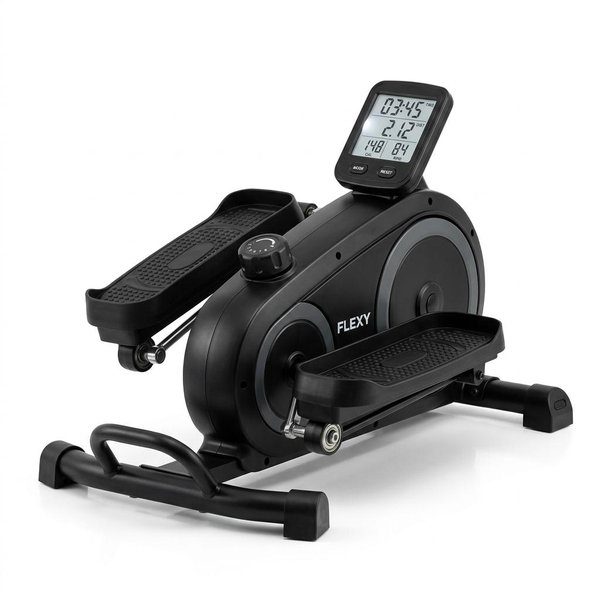
Comprehensive maintenance guide for treadmills, bikes, rowers, and ellipticals. Learn cleaning schedules, troubleshooting, and how to extend your equipment's lifespan.
By the SnugGym Editorial Team | Evidence: Research-Backed
FTC Disclosure: SnugGym.com is reader-supported. We may earn a commission through links on this page at no extra cost to you. This does not influence our independent research or recommendations.
A quality cardio machine represents a significant investment. A well-maintained treadmill, bike, rower, or elliptical can provide 10–15 years of reliable service. A neglected one may develop problems within months, turning your fitness equipment into an expensive repair project or, worse, an unsafe exercise platform.
Maintenance isn't complicated, but it is specific. Each machine type has unique mechanical systems that require targeted care. This guide provides comprehensive, actionable maintenance procedures for every major home cardio machine type. Follow these schedules and your equipment will reward you with years of smooth, safe operation.
The treadmill is the most mechanically complex home cardio machine, with the most maintenance requirements. Its motor, belt, deck, and rollers all need regular attention.
Wipe down the console, handrails, and belt edges. Sweat is corrosive to electronics and metal finishes. Use a clean, damp microfiber cloth. Avoid spraying cleaner directly on the console—spray the cloth first, then wipe.
Check the belt position. The belt should run centered on the deck. If it drifts to one side, it needs alignment (see troubleshooting section below).
Clean under the belt. Lift the belt edges and vacuum between the belt and deck to remove dust, hair, and debris. This debris acts as an abrasive, accelerating wear on both the belt and deck surface.
Inspect the belt and deck for wear. Look for:
Wipe the entire frame with a damp cloth to remove dust and sweat residue.
Lubricate the belt and deck. This is the single most important treadmill maintenance task. A dry belt-deck interface creates excess friction that overheats the motor, accelerates wear, and increases energy consumption.
Frequency: Most home treadmills need lubrication every 3 months or 150 miles, whichever comes first. High-use machines (daily running) may need monthly lubrication. Check your manual—some belts come pre-lubricated and require less frequent application.
Check belt tension. The belt should lift 2–3 inches from the deck at the center point. If it lifts more, it needs tightening. If you cannot lift it at all, it's too tight.
Inspect and tighten all bolts. The vibration of treadmill operation gradually loosens fasteners. Check the frame bolts, motor mounts, roller bolts, and console attachment points. Tighten any that have loosened—do not overtighten.
Check the power cord and outlet. Ensure the cord isn't frayed, pinched, or showing heat damage. Verify the outlet provides stable power without voltage fluctuation.
Vacuum the motor compartment. Remove the motor cover (usually 4–6 screws) and carefully vacuum dust and hair from around the motor and drive belt. Do not touch electrical components with the vacuum nozzle—keep distance to avoid static discharge.
Professional inspection. Consider a professional service call for machines under warranty or high-use commercial-grade units. A technician can assess motor brushes, belt wear, deck flatness, and electrical system integrity.
Replace the belt if needed. A typical home treadmill belt lasts 5–7 years with proper maintenance. Signs of replacement need include: significant wear on the underside, persistent slipping despite proper tension, visible damage, or rough texture.
| Problem | Likely Cause | Solution |
|---|---|---|
| Belt slipping | Insufficient tension or lubrication | Tighten belt or lubricate deck |
| Belt drifting left/right | Misaligned belt | Use adjustment bolts at rear roller |
| Excessive noise | Dry deck, loose bolts, or worn bearings | Lubricate, tighten, or replace bearings |
| Motor overheating | Dry deck, blocked vents, or worn motor brushes | Lubricate, clean vents, or service motor |
| Console not responding | Loose connection or dead batteries | Check connections, replace batteries |
| Speed inconsistency | Worn motor brushes or belt slippage | Service motor or tighten belt |
Exercise bikes require less maintenance than treadmills but benefit from consistent care. Maintenance needs differ between resistance types.
Wipe down the seat, handlebars, and frame. Remove sweat residue that corrodes metal and degrades padding over time.
For friction-resistance bikes: Wipe the flywheel surface to remove sweat and dust that can contaminate the brake pad.
Inspect the pedals and straps/cages. Ensure pedals rotate smoothly and straps aren't frayed. Tighten any loose pedal bolts.
Check seat and handlebar tightness. Ensure adjustment mechanisms lock securely and don't slip during use.
Wipe the entire frame including the base and stabilizer feet.
Chain or belt inspection:
For friction-resistance bikes: Inspect the brake pad. It should make full, even contact with the flywheel. Replace if worn thin, glazed, or contaminated with oil.
Check stabilizer feet. Ensure rubber feet are intact and the bike sits level without rocking.
Tighten all bolts. The pedaling motion creates vibration that loosens fasteners over time. Check crank arms, pedal axles, seat post, handlebar attachments, and frame bolts.
Inspect bearings. The bottom bracket and flywheel bearings should rotate smoothly without grinding, clicking, or roughness. If you detect bearing noise, service is required.
For magnetic-resistance bikes: Wipe the magnetic resistance mechanism area to remove dust and debris. No lubrication needed—magnetic systems are maintenance-free.
Professional service. Consider professional inspection for bikes under heavy use. A technician can assess bearing condition, bottom bracket integrity, and resistance system function.
Replace wear items: Pedal straps, seat padding, and handlebar grips wear with use. Replacement restores comfort and safety.
| Problem | Likely Cause | Solution |
|---|---|---|
| Clicking noise during pedaling | Loose crank arm or pedal | Tighten crank bolt and pedal threads |
| Squeaking | Dry chain/belt or bearings | Lubricate chain or service bearings |
| Resistance not changing | Cable stretch (friction) or sensor issue (magnetic) | Adjust cable tension or check sensor |
| Wobbling | Uneven floor or loose stabilizer | Level bike or tighten stabilizer bolts |
| Console not displaying speed | Sensor misalignment or dead battery | Realign sensor or replace battery |
Rowing machines have fewer moving parts than treadmills but feature several components that require specific care.
Wipe the rail. The seat glides on the rail, and any dust, sweat, or debris on the rail surface accelerates roller wear and creates rough travel. Use a clean, damp cloth and dry immediately.
For water rowers: Wipe any splashes from the tank, frame, and floor. Check that the tank cap is secure.
For chain-drive rowers: Wipe the chain with a dry cloth to remove moisture and lubricant residue.
Inspect the footplates and straps. Ensure straps aren't frayed and the Velcro or buckle mechanisms function properly. Tighten any loose footplate bolts.
Check the handle and strap/cord. The handle should rotate smoothly on its bearings. Inspect the pull strap or cord for fraying, especially near attachment points. Inspect the chain for kinks or stiff links (chain-drive models).
For air rowers: Wipe the flywheel cage to remove dust. Do not stick objects into the flywheel—this can damage the fan blades.
Lubricate the chain (chain-drive models only). Apply a light coat of chain lubricant or mineral oil to the entire chain length. Wipe excess with a cloth. Some manufacturers recommend applying lubricant every 50,000 meters (approximately 31 miles) of use.
Inspect the seat rollers. The rollers that glide on the rail should spin freely without grinding or roughness. Clean the roller surfaces with a damp cloth. If rollers show significant wear or don't spin smoothly, replacement may be needed.
For water rowers: Check water level and clarity. The water should be clear and at the manufacturer-recommended fill line. If water appears cloudy or has debris, drain and refill using the manufacturer's water treatment tablets.
Check all frame bolts and fasteners. Tighten any that have loosened from the dynamic loading of the rowing motion.
Deep clean the rail. Use a mild cleaner to remove any built-up residue, then dry thoroughly. Apply a light coat of silicone lubricant if the manufacturer recommends it—some rails are designed to run dry.
For water rowers: Add a purification tablet (typically included with purchase) to prevent algae growth and maintain water clarity. Most manufacturers recommend this every 3–6 months.
Inspect the bungee cord or recoil spring. These components provide the return mechanism for the handle. Check for fraying, stretching, or loss of tension. A weak return indicates replacement is needed.
For magnetic rowers: Wipe the magnetic resistance mechanism area. No lubrication is needed for magnetic systems.
Comprehensive inspection. Check all wear components: seat rollers, handle bearings, footplate integrity, strap/cord condition, and chain wear (if applicable). Replace any components showing significant wear.
For water rowers: Complete water change annually, or sooner if water becomes cloudy despite treatment.
| Problem | Likely Cause | Solution |
|---|---|---|
| Rough seat travel | Dirty or worn rollers/rail | Clean rail and rollers; replace if worn |
| Handle not returning fully | Weak bungee cord/spring | Replace recoil mechanism |
| Inconsistent resistance (magnetic) | Sensor or adjustment mechanism issue | Check sensor alignment and cable tension |
| Chain noise (chain models) | Dry or dirty chain | Clean and lubricate chain |
| Tank leak (water rowers) | Loose cap or seal failure | Tighten cap or replace seal |
| Squeaking during stroke | Dry rollers or loose bolts | Lubricate rollers or tighten fasteners |
Ellipticals have the most complex linkage systems of any home cardio machine, with multiple pivot points, tracks, and rollers that need regular attention.
Wipe down the pedals, handlebars, and console. Remove sweat and oils that degrade surfaces and electronics.
Wipe the tracks/rails if your elliptical has exposed roller tracks.
Inspect the pedals. Ensure they rotate smoothly on their bearings and the anti-slip surfaces are intact. Tighten any loose pedal attachments.
Check handlebar attachments. The moving handlebars on ellipticals take significant force and can loosen over time. Ensure all attachment points are secure.
Wipe the entire frame and base.
Lubricate the tracks and rollers. This is the most critical elliptical maintenance task. Most ellipticals use rollers that travel along aluminum or steel tracks. These need periodic lubrication to prevent squeaking, rough travel, and premature wear.
Frequency: Every 1–3 months depending on use. Daily-use machines need monthly lubrication; 3x-weekly users can extend to every 2–3 months.
Inspect the drive belt. If your elliptical has an exposed drive belt (check the rear or underside), inspect for cracking, glazing, or fraying.
Check and tighten all bolts. The elliptical's complex linkage creates many potential rattle points. Check bolts at pivot joints, handlebar attachments, pedal linkages, and the main frame.
Inspect the roller wheels. The wheels that ride on the tracks should spin freely on their bearings. Check for:
Worn rollers cause rough travel and can damage the tracks. Replacement is typically straightforward and inexpensive.
Level the machine. Use a level to check that the elliptical sits flat. Adjust the stabilizer feet as needed. An unlevel elliptical puts uneven loading on the linkage system, accelerating wear.
Comprehensive linkage inspection. Have a technician or mechanically inclined user inspect all pivot bearings, drive system components, and the resistance mechanism. Worn bearings are the most common source of elliptical failure and are much cheaper to replace before they cause cascade damage to other components.
| Problem | Likely Cause | Solution |
|---|---|---|
| Squeaking | Dry tracks/rollers | Lubricate tracks and rollers |
| Rough or jerky motion | Worn rollers or tracks | Inspect and replace worn components |
| Clicking noise | Loose bolt in linkage system | Tighten all linkage bolts systematically |
| Resistance not changing | Cable stretch or sensor issue | Adjust resistance cable or check sensor |
| Console erratic or blank | Loose connection or power issue | Check all cable connections |
| Thumping sound | Flat-spotted roller or damaged track | Inspect and replace damaged parts |
Where you put your cardio machine affects its maintenance needs:
| Supply | Purpose |
|---|---|
| Microfiber cloths | General wiping without scratching surfaces |
| Mild all-purpose cleaner | Frame and non-electronic cleaning |
| Silicone lubricant | Treadmill decks, elliptical tracks, general lubrication |
| Bicycle chain lubricant | Chain-drive bikes and rowers |
| Vacuum with attachments | Cleaning under belts, in motor compartments |
| Isopropyl alcohol (70%) | Electronic disinfecting |
While most maintenance is DIY-friendly, these symptoms warrant professional attention:
| Task | Frequency |
|---|---|
| Wipe down after use | Daily |
| Check belt/shoe/strap position | Daily |
| Weekly cleaning | Weekly |
| Belt lubrication (treadmill) | Monthly/Quarterly |
| Track lubrication (elliptical) | Monthly/Quarterly |
| Chain lubrication (bike/rower) | Monthly |
| Bolt tightening check | Monthly/Quarterly |
| Component inspection | Quarterly |
| Professional service | Annually |
Cardio machine maintenance isn't glamorous, but it is essential. The 10 minutes you spend lubricating a treadmill belt prevent the $300 motor replacement that results from running dry. The quarterly bolt tightening eliminates the mysterious rattle that makes exercise unpleasant. The annual inspection catches worn bearings before they destroy the components around them.
Your cardio machine is a mechanical system with moving parts, loading cycles, and wear patterns. Treat it with the same care you give your car—regular attention prevents catastrophic failure. The maintenance schedules in this guide require minimal time investment but deliver significant returns in equipment longevity, exercise quality, and safety.
A well-maintained machine is a pleasure to use. A neglected machine becomes an excuse to skip workouts. Choose maintenance.