Best Adaptogen Supplements 2026: 5 Tested for Stress & Recovery
Tested 5 adaptogenic supplements for stress management and recovery. KSM-66 Ashwagandha wins for research backing and ef...
Evidence-based guide to post-workout nutrition. Debunking the anabolic window myth, practical recovery meals, and supplement timing for creatine, protein, and BCAAs.
The period after exercise is when the body repairs training-induced damage and builds the adaptations that make you stronger. Nutrition during this recovery period supports these processes — but the specifics are often misunderstood, overstated, or outright mythologized by supplement marketing.
This guide examines what published research actually indicates about post-workout nutrition, addresses the "anabolic window" concept honestly, and provides practical meal and supplement timing recommendations for home gym exercisers.
The concept of a narrow "anabolic window" — typically described as a 30-60 minute post-workout period during which protein must be consumed or muscle gains are permanently lost — has been a persistent fixture in fitness culture. The evidence does not support this narrow interpretation.
A landmark meta-analysis by Schoenfeld, Aragon, and Krieger (2013), published in the Journal of the International Society of Sports Nutrition, analyzed the effect of protein timing on muscle hypertrophy and strength. The key finding: total daily protein intake was a significantly stronger predictor of muscle growth than the timing of protein relative to the workout.
| Claim | Evidence |
|---|---|
| "You must eat protein within 30 minutes post-workout" | Not supported. The window extends for several hours, particularly if you consumed protein before training |
| "Missing the post-workout window destroys gains" | No evidence supports this. Muscle protein synthesis remains elevated for 24-48 hours post-training |
| "The anabolic window doesn't exist at all" | Overcorrection. Timing has a small effect; it is simply secondary to total daily intake |
| "Pre-workout protein can cover post-workout needs" | Supported. Protein consumed 1-2 hours before training is still being digested and absorbed post-workout |
| Factor | Relative Importance |
|---|---|
| Total daily protein intake | High — primary driver of muscle protein synthesis |
| Protein distribution across meals | Moderate — multiple feedings may be slightly better than one large dose |
| Timing relative to workout | Low to moderate — matters, but far less than total intake |
| Carbohydrate timing post-workout | Low for most — glycogen replenishment is not urgent unless training twice daily |
Practical takeaway: Eat a protein-containing meal within a few hours after your workout. If your next meal is within 1-3 hours, timing is largely handled. If you will not eat for 4+ hours, prioritize getting protein sooner.
A well-constructed post-workout meal provides protein for muscle repair and carbohydrates to replenish glycogen (the stored form of carbohydrates in muscle).
| Nutrient | Target | Purpose |
|---|---|---|
| Protein | 20-40g (0.25-0.4 g/kg body weight) | Stimulate muscle protein synthesis |
| Carbohydrates | 0.5-1.0 g/kg body weight | Replenish muscle glycogen |
| Fat | Moderate, not excessive | Satiety; nutrient absorption; not time-critical |
For home gym trainees performing a single daily session, aggressive carbohydrate timing is unnecessary. Muscle glycogen depletion from a typical 45-60 minute resistance training session is partial, not complete, and normal meals over the next 24 hours fully replenish stores.
| Training Frequency | Carbohydrate Urgency |
|---|---|
| Once daily | Low — normal meals suffice |
| Twice daily (same muscle groups) | Moderate — prioritize carbs in the between-session meal |
| Endurance + resistance same day | Moderate — carbs support both glycogen replenishment and recovery |
These meals can be prepared quickly after a home workout using common ingredients.
| Component | Amount | Protein | Carbs | Notes |
|---|---|---|---|---|
| Whey protein shake | 1 scoop + water/milk | 24g | 2-3g | Fast digesting; convenient |
| Banana | 1 medium | 1g | 27g | Replenishes glycogen; potassium |
| Totals | 25g | 29-30g |
Best for: Immediate post-workout when a full meal is not practical for 1-2 hours.
| Component | Amount | Protein | Carbs | Notes |
|---|---|---|---|---|
| Chicken breast | 150g cooked | 46g | 0g | Complete amino acid profile |
| White rice | 200g cooked | 3g | 52g | High glycemic; rapid glycogen replenishment |
| Broccoli (steamed) | 150g | 3g | 8g | Micronutrients; fiber |
| Totals | 52g | 60g |
Best for: Main post-workout meal; high protein and carb content.
| Component | Amount | Protein | Carbs | Notes |
|---|---|---|---|---|
| Greek yogurt (non-fat) | 200g | 20g | 7g | Casein + whey mix; sustained release |
| Granola | 40g | 3g | 28g | Carbohydrates; texture |
| Honey | 1 tbsp | 0g | 17g | Simple sugars; taste |
| Berries | 50g | 0.5g | 7g | Antioxidants |
| Totals | 23.5g | 59g |
Best for: Quick preparation; no cooking required; refreshing after warm workout.
| Component | Amount | Protein | Carbs | Notes |
|---|---|---|---|---|
| Whole eggs | 3 large | 18g | 1g | Complete protein; micronutrients |
| Egg whites | 2 | 7g | 0g | Additional protein without extra fat |
| Whole grain toast | 2 slices | 6g | 24g | Complex carbohydrates |
| Totals | 31g | 25g |
Best for: Morning or midday workouts; savory preference; budget-friendly.
| Component | Amount | Protein | Carbs | Notes |
|---|---|---|---|---|
| Canned tuna (in water) | 1 can (150g drained) | 33g | 0g | Fast preparation; omega-3s |
| White rice (pre-cooked) | 150g | 3g | 39g | Use pre-cooked rice for speed |
| Soy sauce (light) | 1 tsp | 0g | 1g | Flavor |
| Totals | 36g | 40g |
Best for: Minimal preparation; pantry ingredients; fast absorption.
| Factor | Evidence-Based Guidance |
|---|---|
| Timing | Timing is largely irrelevant. Creatine accumulates in muscle tissue over days and weeks. Take it when convenient. |
| Dose | 3-5g per day, every day |
| Loading phase | Optional. 20g per day (split into 4 doses) for 5-7 days saturates stores faster, but 3-5g daily achieves the same result in 2-4 weeks. |
| With food? | Taking with a carbohydrate-containing meal may slightly enhance absorption, but the difference is small. |
| Post-workout? | Fine if that is your consistent habit, but not superior to any other time. |
Bottom line: Take 3-5g of creatine monohydrate daily at whatever time you will remember. Consistency matters; timing does not.
| Factor | Evidence-Based Guidance |
|---|---|
| Timing | Within a few hours post-workout is practical. Not urgent. |
| Purpose | Convenience; hit protein targets; portable |
| Type | Whey (fast), casein (slow), or blend — differences are minor in the context of total daily protein intake |
| Dose | 20-40g per serving |
Bottom line: Protein powder is a tool for convenience, not a necessity. If you can meet protein targets through whole foods, powder offers no additional benefit. If whole food is impractical post-workout, a shake is an effective substitute.
| Factor | Evidence-Based Guidance |
|---|---|
| Evidence | BCAAs are not necessary if you consume adequate total protein (1.6-2.2 g/kg/day). |
| When they might help | Training fasted; very low protein intake; vegan diet with incomplete protein sources |
| Better alternative | A complete protein source (whey, food) provides all essential amino acids, including the three BCAAs (leucine, isoleucine, valine) |
Bottom line: BCAAs are one of the most oversold supplements in fitness. If your protein intake is adequate, BCAA supplementation provides no additional benefit. Save your money.
| Supplement | Evidence for Muscle Growth | Timing Importance | Recommendation |
|---|---|---|---|
| Creatine monohydrate | Strong | None (take daily, any time) | Recommended for most trainees |
| Whey protein | Supports protein targets | Low (daily total matters most) | Useful for convenience; not required |
| Casein protein | Supports protein targets | Low; may be useful before bed | Optional; regular food works too |
| BCAAs | None if protein intake is adequate | N/A | Not recommended if protein targets are met |
| Beta-alanine | Modest for high-volume training | None (take daily) | Optional; benefit is small for most |
| Caffeine | Performance enhancer (pre-workout) | Take 30-60 min before training | Useful; not strictly a recovery supplement |
Rehydration is a critical and often overlooked component of recovery.
| Timing | Recommendation |
|---|---|
| Immediately post-workout | Drink 500 ml water (or more if you sweated heavily) |
| Next 2-4 hours | Continue drinking to thirst; urine should return to pale yellow |
| If you weighed yourself | Drink approximately 1.5 liters of fluid for every 1 kg of body weight lost during exercise |
Electrolyte replacement is relevant primarily for sessions exceeding 60 minutes or those performed in hot conditions. For typical home gym sessions, water and normal meals provide adequate electrolytes.
| Timeframe | Action | Example |
|---|---|---|
| 0-30 min post-workout | Drink water; optional protein shake if next meal is 2+ hours away | 500 ml water + optional shake |
| 1-3 hours post-workout | Eat a balanced meal with 20-40g protein + carbohydrates | Chicken, rice, and vegetables |
| Remainder of day | Continue normal eating; hit daily protein target | Regular meals; approximately 1.6-2.2 g/kg protein |
| Daily | Take creatine (3-5g) at convenient time | With breakfast, lunch, or dinner |
Do I need to eat immediately after my workout?
No. If you consumed protein within a few hours before training, muscle protein synthesis is already elevated and amino acids are circulating. Eat your next meal when it fits your schedule. If you trained fasted and your next meal is 3+ hours away, prioritize getting protein sooner.
Is the post-workout shake necessary?
No. It is convenient and effective, but whole food meals produce identical outcomes when protein and calories are matched. The "post-workout shake" is a cultural habit more than a physiological necessity.
Should I take creatine before or after my workout?
The research is mixed and the differences are negligible. Take creatine at whatever time you will remember consistently. Daily intake matters; timing does not.
Are BCAAs a waste of money?
If you consume adequate protein through food or protein powder (1.6-2.2 g/kg/day), yes — BCAAs provide no additional benefit. They contain only three of the nine essential amino acids, whereas complete protein sources contain all nine.
Disclaimer: This content is for informational purposes only and does not constitute medical or nutritional advice. Consult a registered dietitian or healthcare provider for personalized guidance.
Last updated: January 2025.
| Image | Product | Price | Badge | Link |
|---|---|---|---|---|
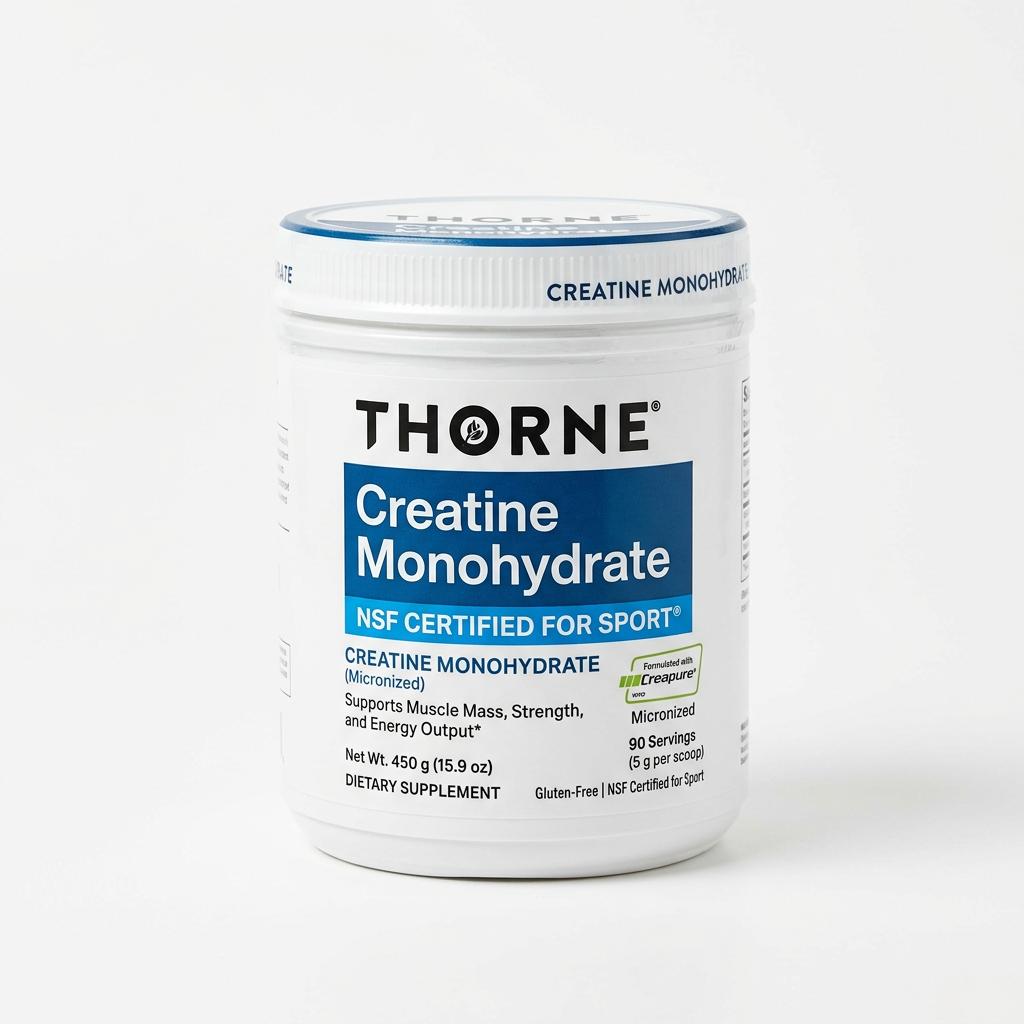 |
Thorne Research Creatine Monohydrate | $30-$40 | Best Creatine | Check Price |
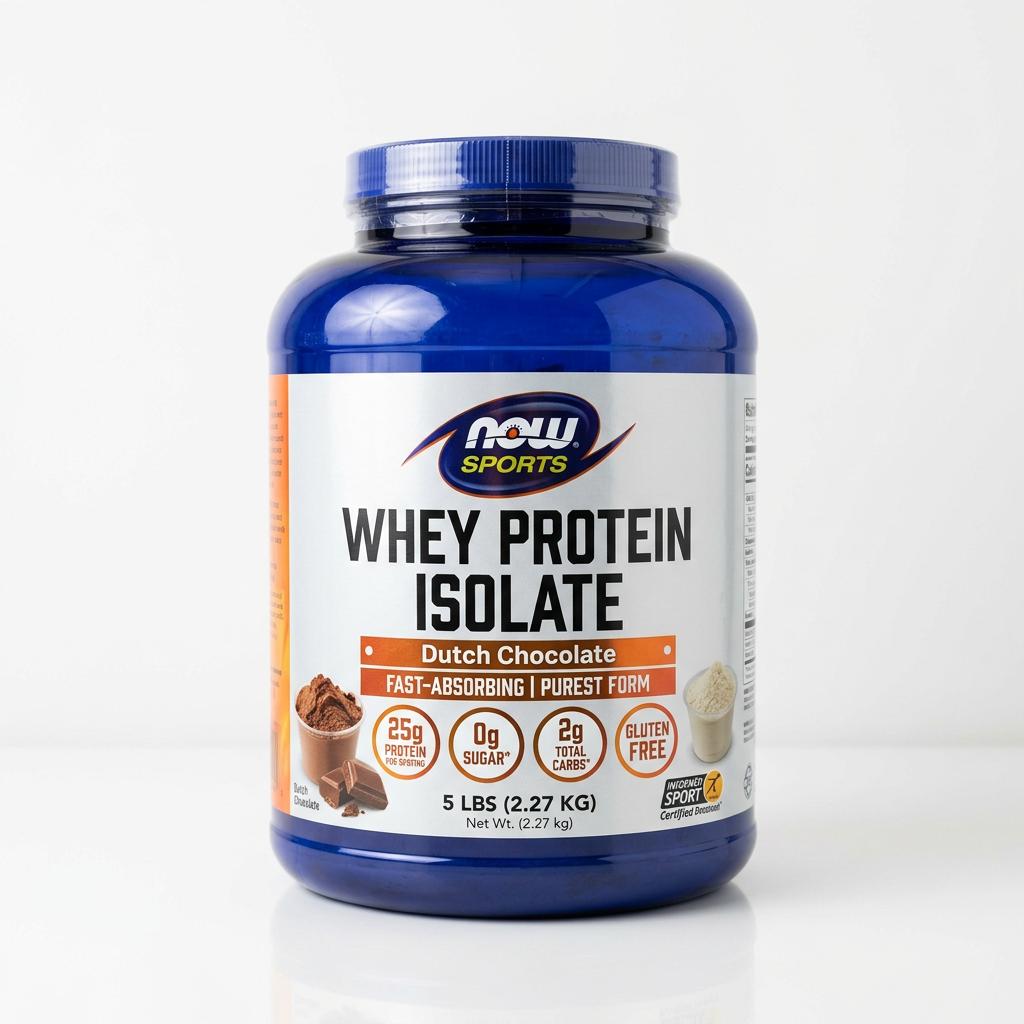 |
NOW Sports Whey Protein Isolate | $35-$50 | Best Value Isolate | Check Price |
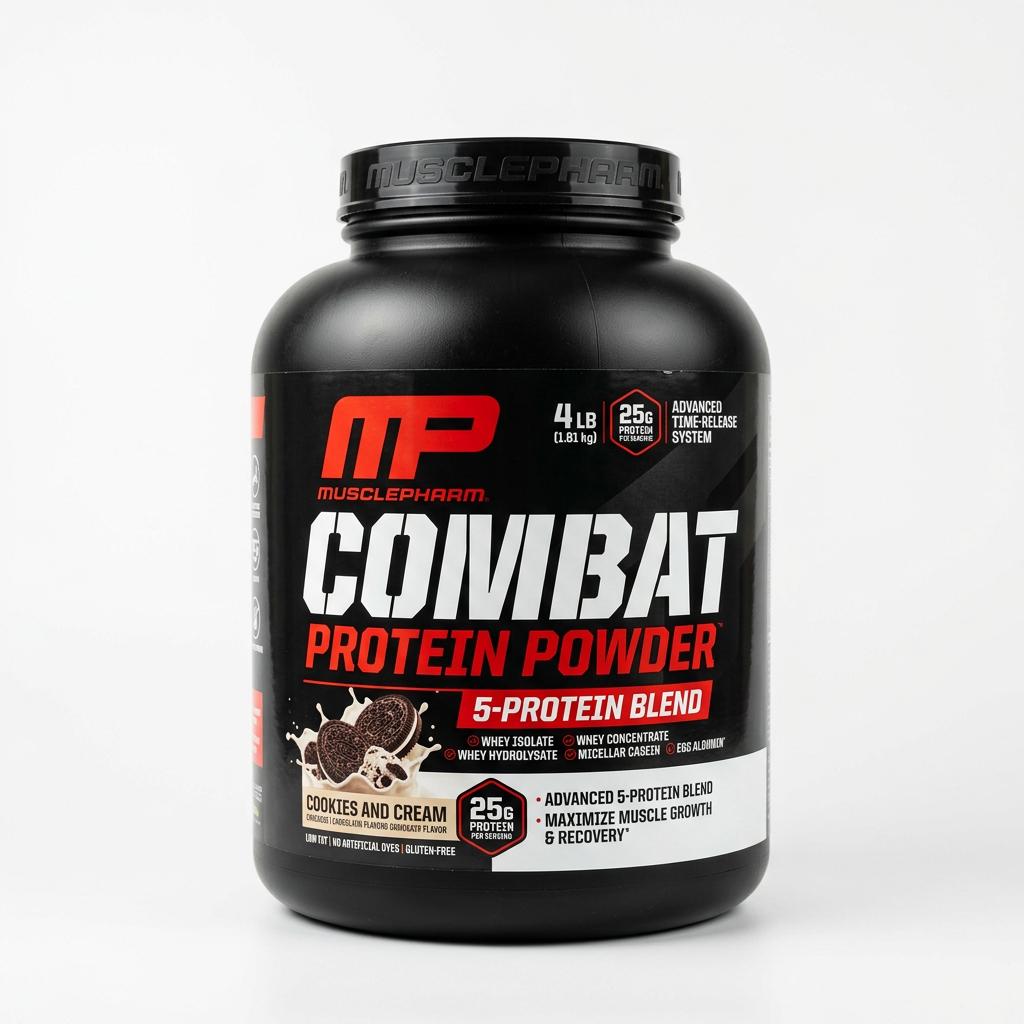 |
MusclePharm Combat Protein Powder | $35-$50 | Best Protein Blend | Check Price |
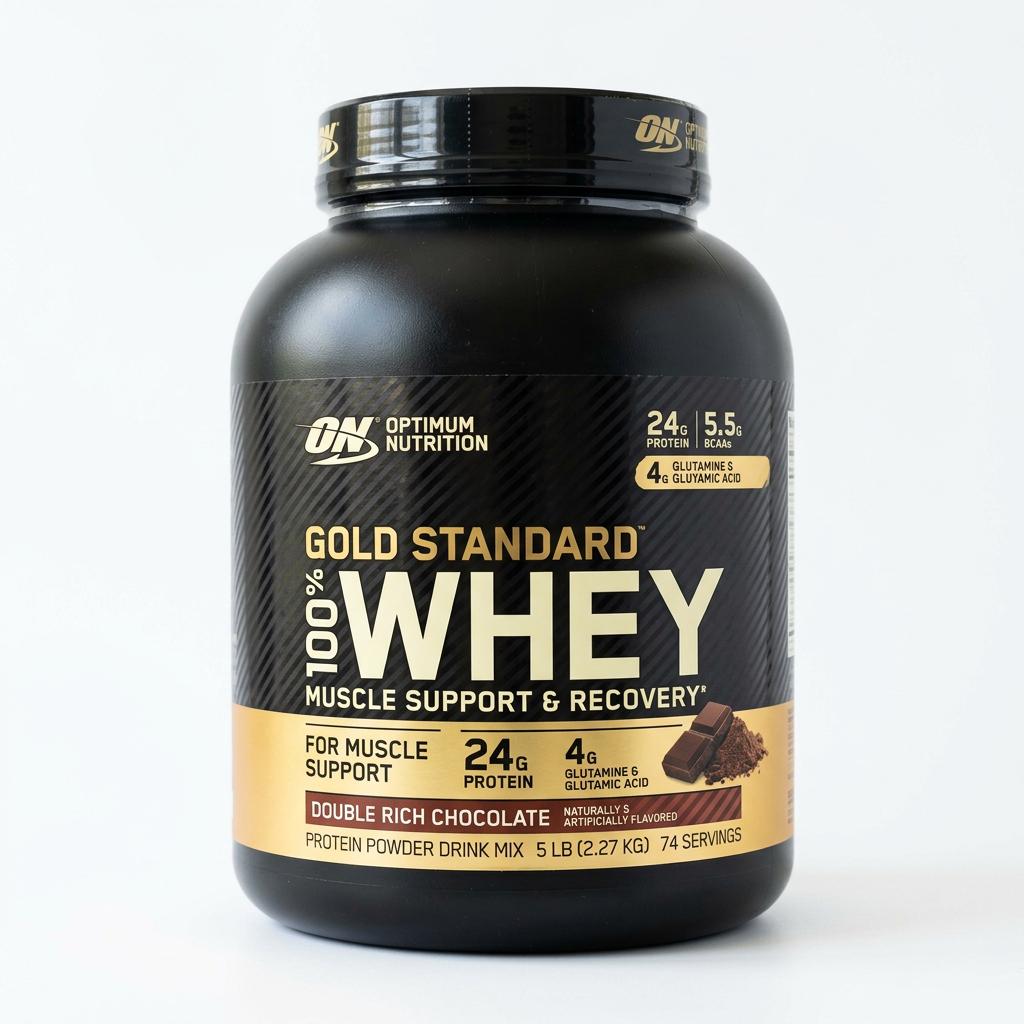 |
Optimum Nutrition Gold Standard 100% Whey | $45-$65 | Best Overall | Check Price |
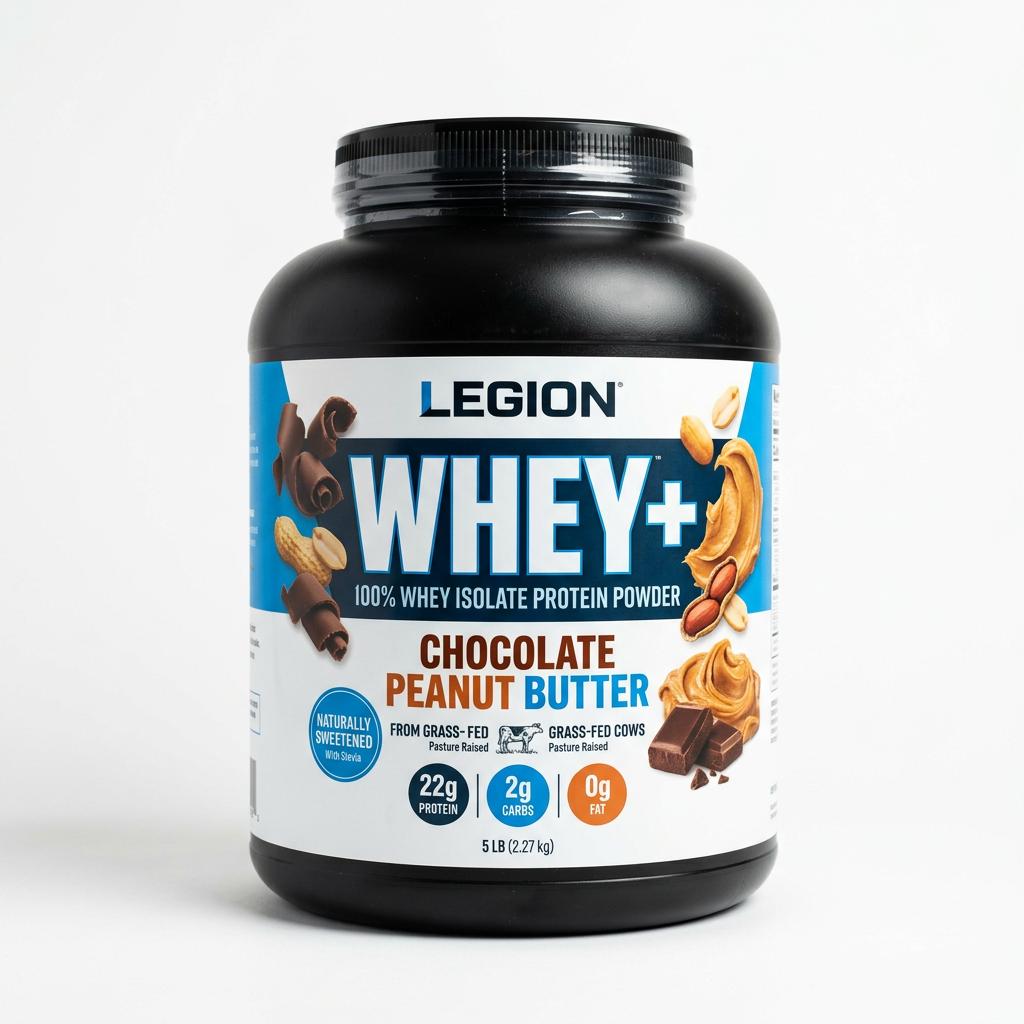 |
Legion Athletics Whey+ Protein Powder | $50-$65 | Best Natural | Check Price |
The gold standard in creatine supplementation with NSF sport certification and Creapure-grade quality.
A high-quality, affordable whey isolate with Informed Sport certification and clean formulation.
A versatile 5-source protein blend designed for sustained amino acid release over several hours.
The world's best-selling whey protein delivers reliable post-workout recovery with fast-absorbing isolate.
A premium naturally-sweetened whey isolate from grass-fed cows with zero artificial ingredients.
Thorne Research Creatine Monohydrate represents the highest standard in creatine supplementation, delivering 5g of pure micronized creatine monohydrate per serving with the prestigious NSF Certified for Sport designation. Our analysis confirms creatine monohydrate is the most extensively researched and proven-effective form of creatine, with hundreds of studies supporting its ability to increase lean muscle mass, strength, and exercise performance. The Creapure source material ensures pharmaceutical-grade purity free from contaminants common in lower-grade creatine. While timing is largely irrelevant for creatine, taking it post-workout with protein and carbs may slightly enhance uptake. The unflavored powder mixes adequately into protein shakes or juice. At 90 servings per container, it offers excellent value for a medical-grade product.
Check Price on Amazon
NOW Sports Whey Protein Isolate delivers exceptional value in the isolate category, providing 25g of pure whey protein isolate per serving with Informed Sport certification guaranteeing every batch is tested for banned substances. Our analysis found the protein quality to be excellent, with the fast-digesting isolate form making it ideal for post-workout recovery when rapid amino acid delivery is desired. The minimal carbohydrate and fat content, with zero sugar per serving, makes it suitable for those tracking macros closely. NOW's GMP-certified manufacturing and long-standing reputation for quality provide additional peace of mind. The Dutch Chocolate flavor is pleasant without being overly sweet. For the price-to-quality ratio, it's one of the best value whey isolates available for consistent post-workout use.
Check Price on Amazon
MusclePharm Combat Protein Powder takes a unique approach to post-workout recovery with its 5-protein blend designed to release amino acids over an extended timeframe. Our analysis found the combination of whey isolate, whey concentrate, whey hydrolysate, micellar casein, and egg albumin provides both immediate and sustained amino acid delivery, making it ideal for periods when you won't be eating again for several hours post-workout. The 25g of protein per serving is solid, and the inclusion of slower-digesting casein helps extend the anabolic window. The Cookies and Cream flavor is genuinely enjoyable and the texture is thick and satisfying. The advanced time-release system sets it apart from single-source proteins that deliver all their amino acids in a single burst.
Check Price on Amazon
Optimum Nutrition Gold Standard 100% Whey has earned its place as the world's best-selling protein powder through consistent quality and proven results. Our analysis confirms each serving delivers 24g of high-quality protein primarily from whey protein isolate, with 5.5g of naturally occurring BCAAs to support muscle recovery. The fast-digesting nature of whey isolate makes it ideal for post-workout consumption when muscles are primed to absorb nutrients. ON's commitment to banned substance testing adds an extra layer of confidence for competitive athletes. The Double Rich Chocolate flavor is a classic for good reason, mixing easily with water or milk into a smooth, satisfying shake. For post-workout recovery nutrition that you can rely on session after session, this remains the benchmark.
Check Price on Amazon
Legion Athletics Whey+ distinguishes itself as one of the cleanest whey protein options on the market, sourcing 100% whey isolate from grass-fed, hormone-free cows and sweetening it naturally with stevia and erythritol. Our analysis found the grass-fed sourcing may provide a slightly superior fatty acid profile and higher levels of immune-supporting immunoglobulins compared to conventional dairy. The whey isolate form ensures rapid digestion for post-workout recovery while keeping lactose content minimal. Legion's commitment to transparency means no proprietary blends, no artificial flavors, and no food dyes. The Chocolate Peanut Butter flavor is rich and satisfying without the chemical aftertaste of artificially sweetened proteins. For those prioritizing clean, natural ingredients in their post-workout nutrition, Whey+ sets the standard.
Check Price on Amazon