Best Adaptogen Supplements 2026: 5 Tested for Stress & Recovery
Tested 5 adaptogenic supplements for stress management and recovery. KSM-66 Ashwagandha wins for research backing and ef...
A science-based guide to post-workout nutrition for home gym athletes. Covers protein targets, carb replenishment, the anabolic window, recovery meals, and practical protocols.
Last updated: January 15, 2025
FTC Disclosure: SnugGym participates in the Amazon Associates Program. This guide contains affiliate links—purchases made through these links may earn us a commission at no cost to you.
Training is the stimulus for adaptation, but recovery is where the actual progress happens. Every squat, deadlift, and sprint creates microscopic damage in muscle fibers, depletes energy stores, and generates metabolic byproducts that need clearing. Post-workout nutrition is the bridge between the catabolic (breakdown) state of training and the anabolic (building) state of recovery. Get it right, and you accelerate muscle repair, restore energy stores, reduce soreness, and prepare your body for the next session. Get it wrong, and you leave gains on the table.
For home gym athletes, post-workout nutrition has a unique advantage: you're already home. There's no commute to endure before you can eat, no drive-thru temptation on the way back, and no excuse about "not having food available." Your kitchen is steps away from your squat rack. This convenience makes proper post-workout nutrition easier to execute consistently than for commercial gym users—and consistency is what drives results.
This guide covers the science of post-workout nutrition and provides practical protocols you can implement immediately after your next home gym session.
The "anabolic window"—the idea that you must consume protein within 30 minutes of training or miss your opportunity for muscle growth—has been thoroughly debunked by modern research. But the broader concept of enhanced nutrient sensitivity after exercise remains valid and important.
Training creates a state of heightened insulin sensitivity and increased nutrient partitioning toward muscle tissue. This enhanced sensitivity doesn't slam shut after 30 minutes; research suggests it persists for several hours post-exercise. However, the magnitude of this effect does diminish over time, making relatively prompt post-workout nutrition a worthwhile optimization.
A 2013 meta-analysis by Schoenfeld et al. found that while nutrient timing does have a small effect on hypertrophy, the effect size is much smaller than total daily protein intake. The practical interpretation: if you ate a protein-containing meal 1-3 hours before training, the precise timing of your post-workout meal is flexible—within 2-4 hours is fine. If you trained fasted (first thing in the morning, for example), then consuming protein within 1-2 hours post-workout becomes more important.
| Training State | Optimal Post-Workout Timing | Flexibility |
|---|---|---|
| Fasted training (8+ hours since last meal) | Within 30-60 minutes | Low—priority |
| Ate 3-4 hours pre-workout | Within 1-2 hours | Moderate |
| Ate 1-2 hours pre-workout | Within 2-4 hours | High |
| Pre-workout protein consumed | Within 2-4 hours | High |
The bottom line: the anabolic window exists, but it's measured in hours, not minutes. Don't stress about rushing a shake the moment you rack your last set, but do make post-workout nutrition a priority within a reasonable timeframe.
Research consistently supports a post-workout protein dose of 20-40g for optimal muscle protein synthesis (MPS) stimulation. This dose range provides:
A 2009 study by Moore et al. demonstrated that MPS increases dose-dependently with protein intake up to approximately 20g in young adults, with diminishing returns beyond that point. However, larger individuals, older adults, and those in caloric surplus may benefit from the higher end (30-40g).
Body weight considerations:
Not all protein sources are equal for post-workout recovery. The key metric is the leucine content and the digestion speed. Fast-digesting, leucine-rich proteins are ideal immediately post-workout, while slower-digesting proteins work well in the meal 1-2 hours after training.
Best post-workout protein sources (ranked by quality):
| Source | Protein per serving | Leucine content | Digestion speed | Quality score |
|---|---|---|---|---|
| Whey protein isolate | 25-30g | 2.5-3.0g | Fast (1-2 hours) | Excellent |
| Whey protein concentrate | 24g | 2.5g | Fast (1-2 hours) | Excellent |
| Egg whites | 25g (1 cup) | 2.0g | Moderate (2-3 hours) | Very good |
| Chicken breast | 25-30g (4oz) | 2.0g | Moderate (2-4 hours) | Very good |
| Fish (white fish) | 20-25g (4oz) | 1.8g | Moderate (2-3 hours) | Very good |
| Lean beef | 25-30g (4oz) | 2.0g | Slow (3-5 hours) | Good |
| Greek yogurt | 20g (1 cup) | 1.5g | Slow (2-4 hours) | Good |
| Soy protein | 20-25g | 1.8g | Moderate (2-3 hours) | Good |
| Plant protein blends | 20-25g | 1.5-2.0g | Moderate (2-4 hours) | Good |
The "shake vs. whole food" debate has a nuanced answer:
Whey protein shakes are optimal when:
Whole food meals are optimal when:
The hybrid approach (recommended for most home gym athletes):
Resistance training depletes muscle glycogen—the stored carbohydrate in muscle tissue that fuels high-intensity exercise. While a single training session doesn't fully deplete glycogen stores (unless it's extremely high volume or you're training twice daily), partial depletion can impair performance in subsequent sessions if not addressed through nutrition.
Post-workout carbohydrate consumption serves two purposes:
For most home gym athletes training 4-6 times per week with 24+ hours between sessions, aggressive carb replenishment isn't necessary—your normal meals will adequately restore glycogen over that timeframe. However, including moderate carbohydrates with your post-workout meal does support recovery and may enhance the muscle protein synthesis response.
Post-workout carbohydrate targets:
For a 180lb (82kg) athlete, this translates to 40-80g of carbohydrates post-workout for most training sessions.
Prioritize easily digestible, moderate-to-high glycemic carbohydrates post-workout. These digest quickly, restore glycogen efficiently, and spike insulin modestly to support nutrient uptake.
Top post-workout carb sources:
For those in caloric deficit (cutting): You can reduce or even skip post-workout carbs if total daily carbohydrates are tightly controlled. Protein alone stimulates sufficient insulin for amino acid uptake, and glycogen will restore gradually through your remaining meals.
For those in caloric surplus (bulking): Include ample post-workout carbs to support training volume, recovery, and the caloric excess needed for muscle growth. This is the ideal time to allocate carbohydrates when calories are abundant.
Post-workout rehydration is as important as protein and carbohydrates. During training, you lose water and electrolytes through sweat—losses that impair recovery, cognitive function, and next-day performance if not promptly replaced.
Step 1: Weigh yourself before and after training (when possible).
Step 2: Drink 16-24oz of fluid within 30 minutes post-workout.
Step 3: Continue hydrating with meals.
For most home gym sessions, electrolytes from your normal diet are sufficient. However, if you train in a warm environment, complete high-volume sessions, or notice salt crust on your clothing post-workout, adding electrolytes can help:
Simple post-workout electrolyte options:
Basic Recovery Shake:
Higher-Carb Recovery Shake:
Option 1: Chicken and Rice Bowl
Option 2: Salmon and Sweet Potato
Option 3: Ground Turkey Pasta
Option 4: Egg and Rice Bowl
Option 5: Tuna and Potato
The decision between whole food and protein shakes post-workout should be based on your circumstances, not dogma. Here's a practical decision framework:
Choose a shake when:
Choose whole food when:
The hybrid approach (optimal for most):
Post-workout nutrition is a powerful recovery tool that home gym athletes are uniquely positioned to execute well—your kitchen is right there. The fundamentals are straightforward: consume 20-40g of high-quality protein within a reasonable timeframe after training (within 1-2 hours for most, sooner if fasted), include moderate carbohydrates to support glycogen replenishment, rehydrate adequately, and follow with a complete whole-food meal when possible. Don't stress about the 30-minute "anabolic window"—it's a myth. But do make post-workout nutrition a consistent priority, because recovery is where progress actually happens.
Individual nutrition needs vary based on body composition, training intensity, dietary goals, and metabolic health. For personalized recommendations, consult a registered dietitian or certified sports nutritionist.
| Image | Product | Price | Badge | Link |
|---|---|---|---|---|
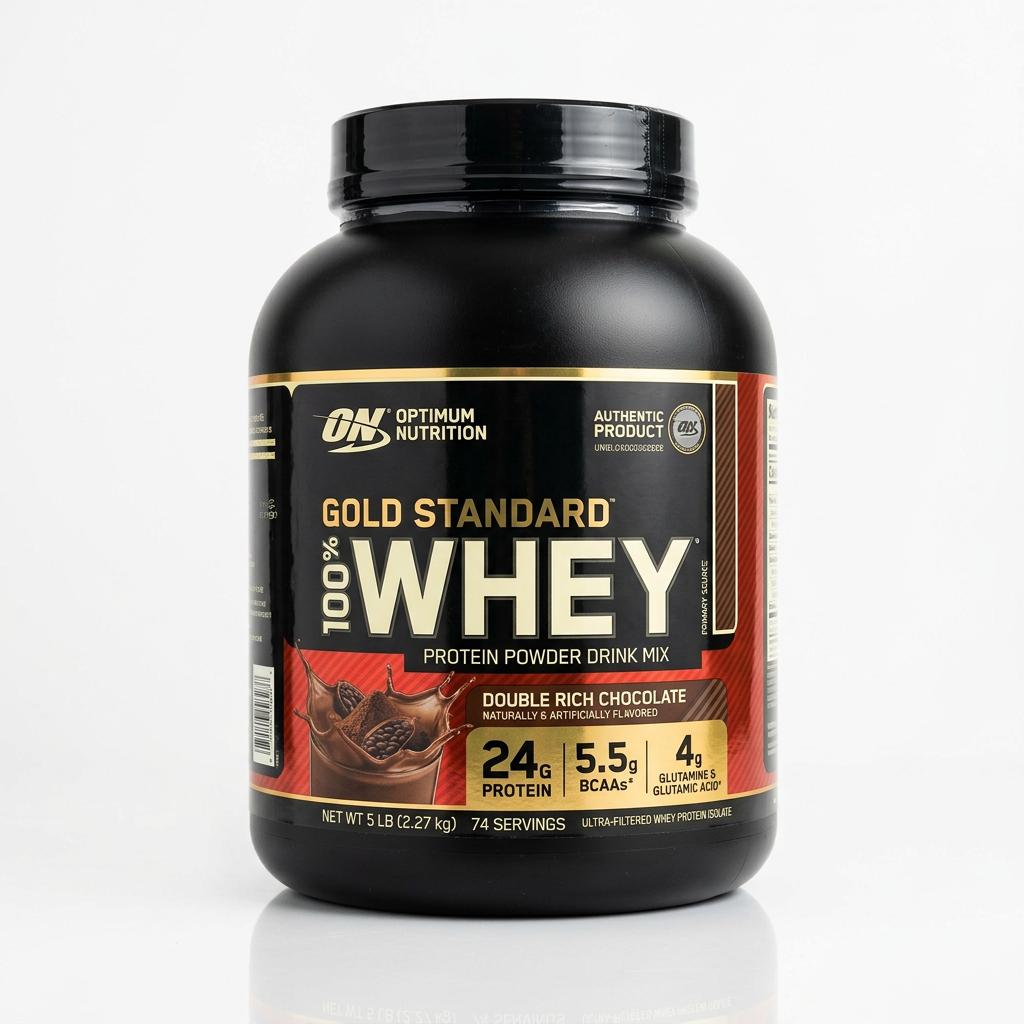 |
Optimum Nutrition Gold Standard 100% Whey | $45-$65 | Best Overall | Check Price |
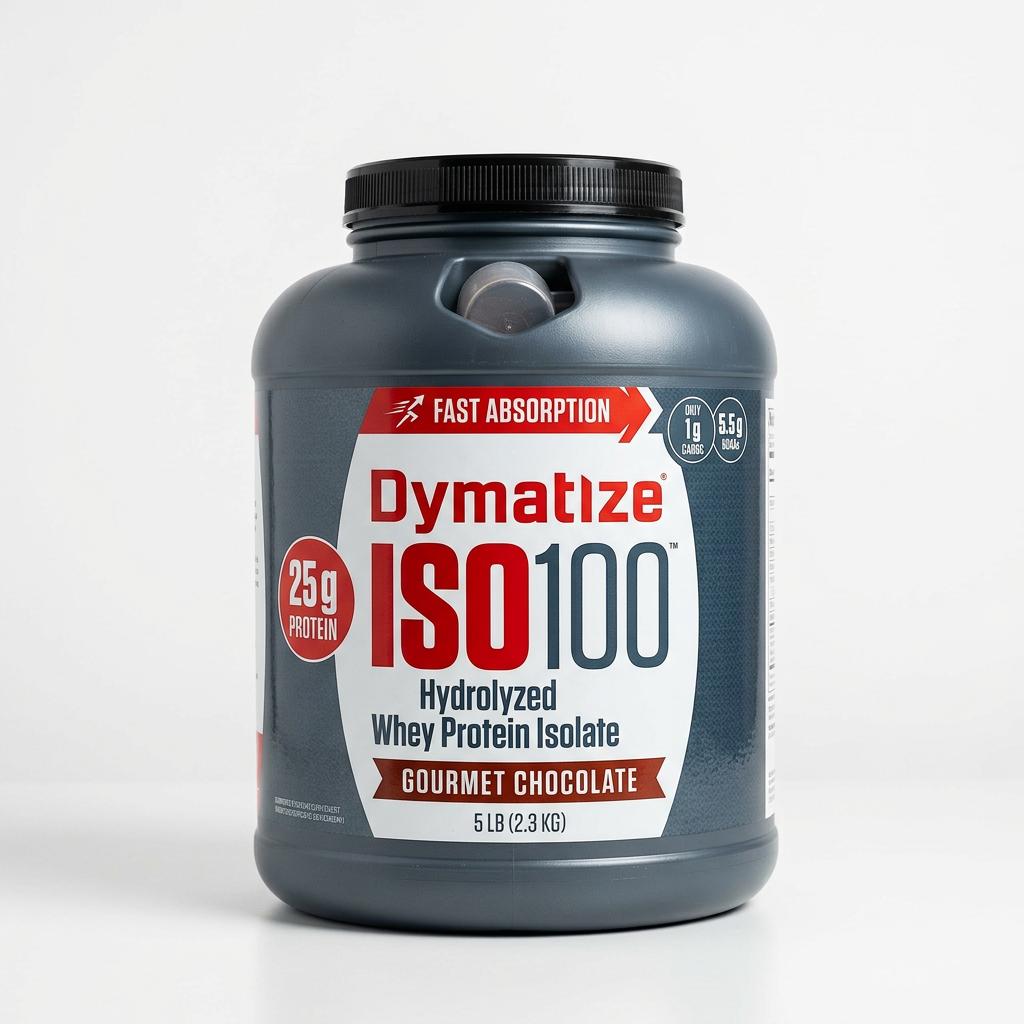 |
Dymatize ISO100 Hydrolyzed Whey Protein Isolate | $55-$75 | Best Isolate | Check Price |
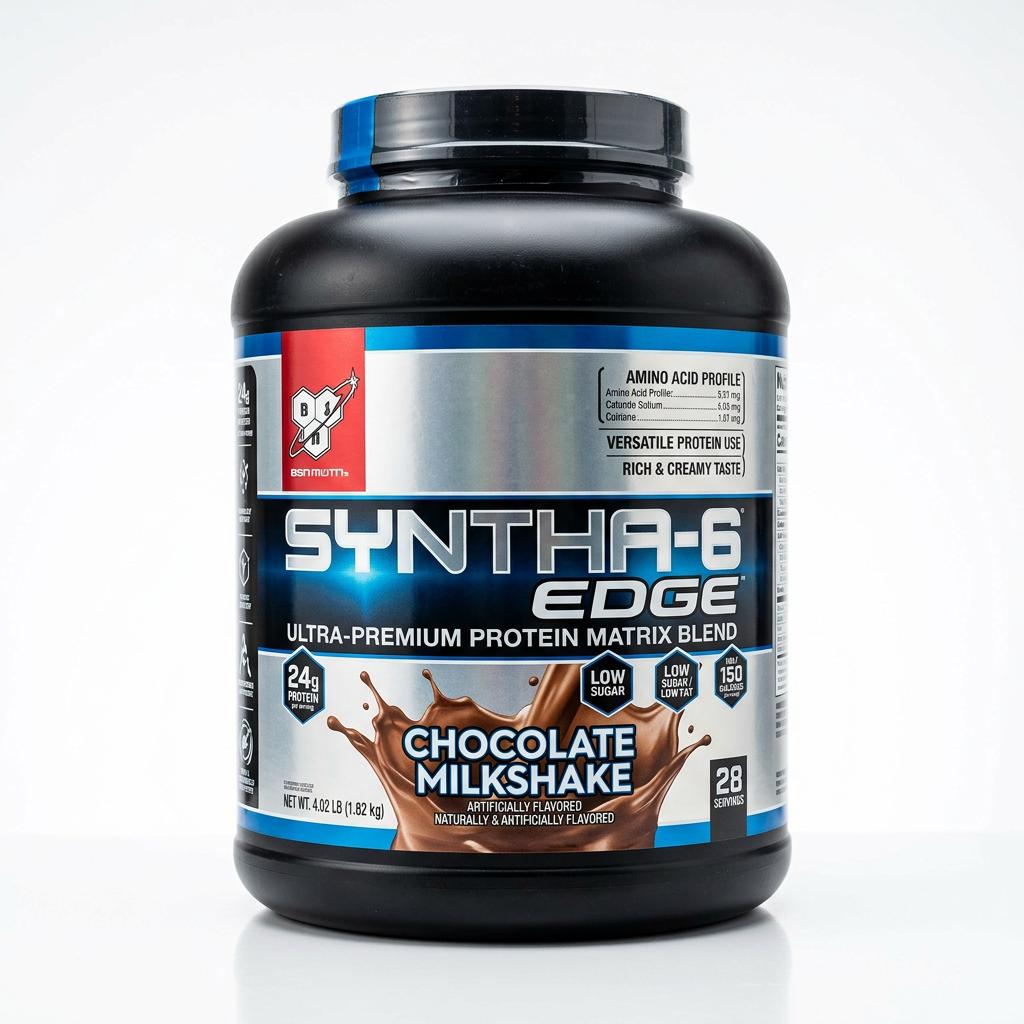 |
BSN Syntha-6 Edge Protein Powder | $40-$55 | Best Tasting | Check Price |
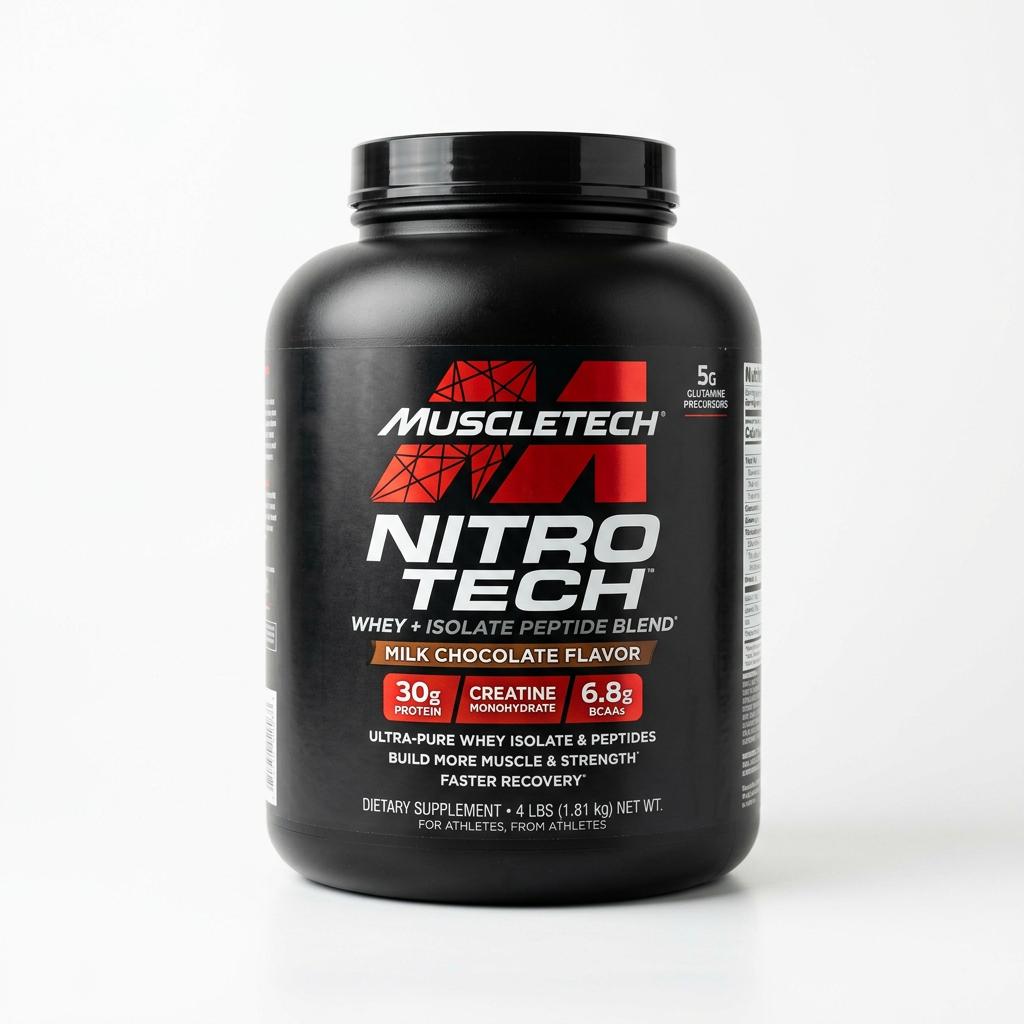 |
MuscleTech Nitro-Tech Whey Protein | $35-$50 | Best for Muscle Building | Check Price |
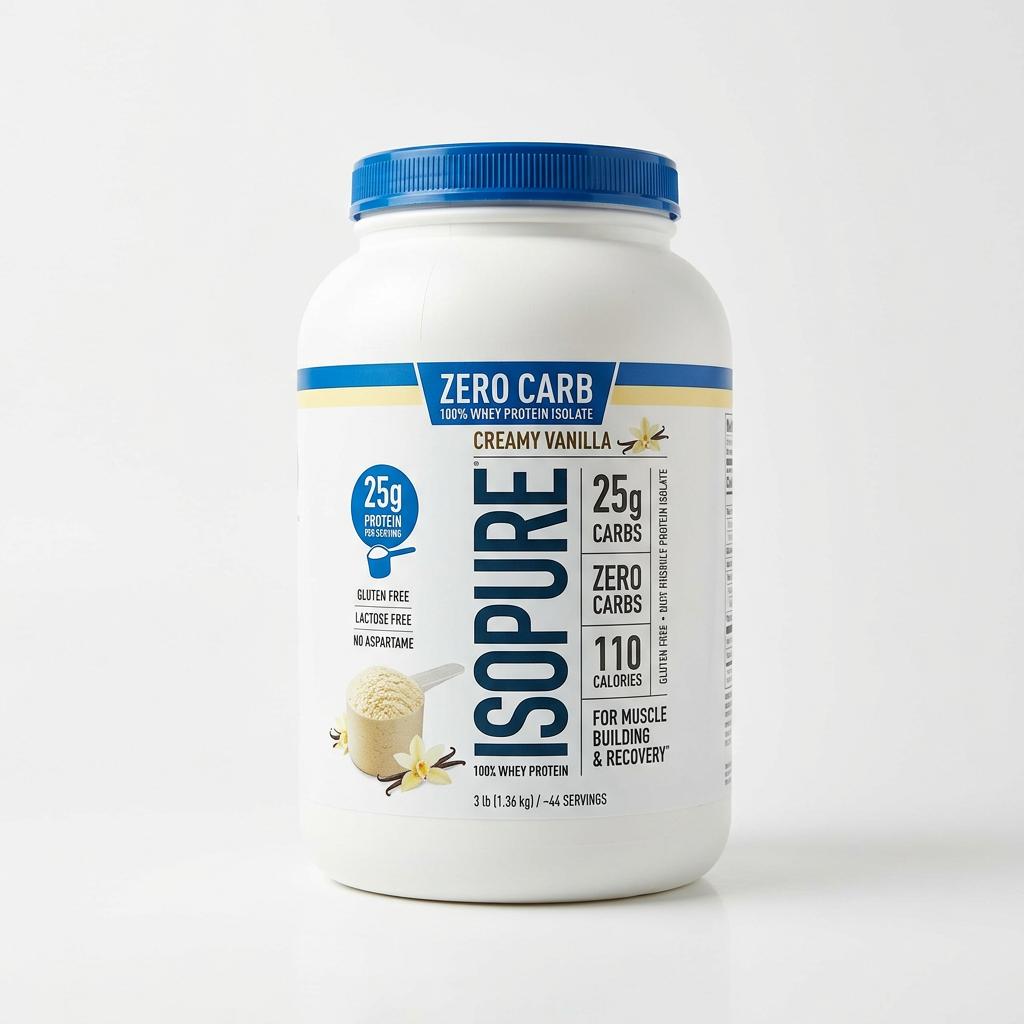 |
Isopure Zero Carb Whey Protein Isolate | $40-$55 | Best Low-Carb | Check Price |
The gold standard in post-workout protein with fast-absorbing whey isolate and a 20-year track record of excellence.
An ultra-premium hydrolyzed whey isolate designed for maximum post-workout absorption speed.
A delicious multi-source protein blend that delivers sustained amino acid release with milkshake-like taste.
A muscle-building powerhouse with 30g protein, added creatine, and 6.8g BCAAs per serving.
The ultimate low-carb post-workout protein with zero carbs, 25g isolate, and only 100 calories.
Optimum Nutrition Gold Standard 100% Whey remains the benchmark for post-workout protein supplementation, delivering 24g of high-quality whey protein primarily from whey protein isolate per serving. Our analysis confirms its rapid digestion speed makes it ideal for the post-workout window, with amino acids becoming available to muscle tissue within 30-60 minutes of consumption. The 5.5g of naturally occurring BCAAs per serving, including 2.7g of leucine, provides the key signaling molecules needed to trigger muscle protein synthesis. The instantized formula mixes effortlessly with just a spoon and water, making it practical for immediate post-workout consumption. With over 20 flavor options and consistent third-party testing, it's the most reliable choice for post-workout recovery nutrition.
Check Price on Amazon
Dymatize ISO100 takes post-workout protein to the next level with its hydrolyzed whey protein isolate formulation, providing 25g of protein per serving with virtually zero lactose, sugar, or fat. Our analysis found that the hydrolyzation process, which pre-digests the protein into smaller peptides, results in the fastest absorption rate of any whey protein on the market, making amino acids available to recovering muscle tissue even quicker than standard isolates. With less than 1g of sugar and lactose per serving, it's suitable for most lactose-sensitive individuals. The Gourmet Chocolate flavor mixes into a remarkably smooth and light shake that doesn't feel heavy post-workout. The premium price reflects the additional processing required for hydrolyzation.
Check Price on Amazon
BSN Syntha-6 Edge stands out in the crowded protein market for one undeniable reason: it tastes like an actual milkshake while still delivering 24g of protein per serving from a matrix of six different protein sources. Our analysis found the multi-source blend, including whey concentrate, whey isolate, calcium caseinate, micellar casein, milk protein isolate, and egg albumin, provides both fast and slow-digesting proteins for a sustained amino acid release profile. This makes it ideal for post-workout recovery that extends into the hours following training. The Chocolate Milkshake flavor is genuinely indulgent, making it easy to look forward to your post-workout nutrition. The tradeoff is a slightly higher calorie count at 150 per serving and the presence of multiple allergens.
Check Price on Amazon
MuscleTech Nitro-Tech is purpose-built for serious muscle building, delivering 30g of protein per serving from a blend of whey isolate and whey peptides, plus a clinically studied dose of creatine monohydrate and a generous 6.8g of BCAAs. Our analysis found the addition of creatine to a post-workout protein shake is a smart synergy, as both supplements work through complementary pathways to support muscle growth and strength. The whey isolate base ensures rapid digestion for timely post-workout amino acid delivery, while the peptide blend may enhance absorption further. Research published on this specific formula showed subjects gained more lean muscle than those using standard whey protein alone. The Milk Chocolate flavor is solid and the mixability is good with a shaker bottle.
Check Price on Amazon
Isopure Zero Carb is the go-to choice for anyone in a cutting phase or following a ketogenic diet who needs pure post-workout protein without any carbohydrate content. Our analysis confirms it delivers 25g of 100% whey protein isolate per serving with zero carbs, zero sugar, and only 100 calories, making it the most macro-friendly option on the market. The lactose-free formulation means even severely lactose-intolerant individuals can use it comfortably. The creamy vanilla flavor is light and refreshing, which many users prefer post-workout when appetite may be suppressed. The tradeoff, of course, is that with zero carbs, this protein provides no glycogen replenishment support, so you'll need to consume carbohydrates separately if your training depletes glycogen significantly.
Check Price on Amazon