Best Adaptogen Supplements 2026: 5 Tested for Stress & Recovery
Tested 5 adaptogenic supplements for stress management and recovery. KSM-66 Ashwagandha wins for research backing and ef...
SnugGym is an Amazon Associate. We earn from qualifying purchases at no extra cost to you. Learn more
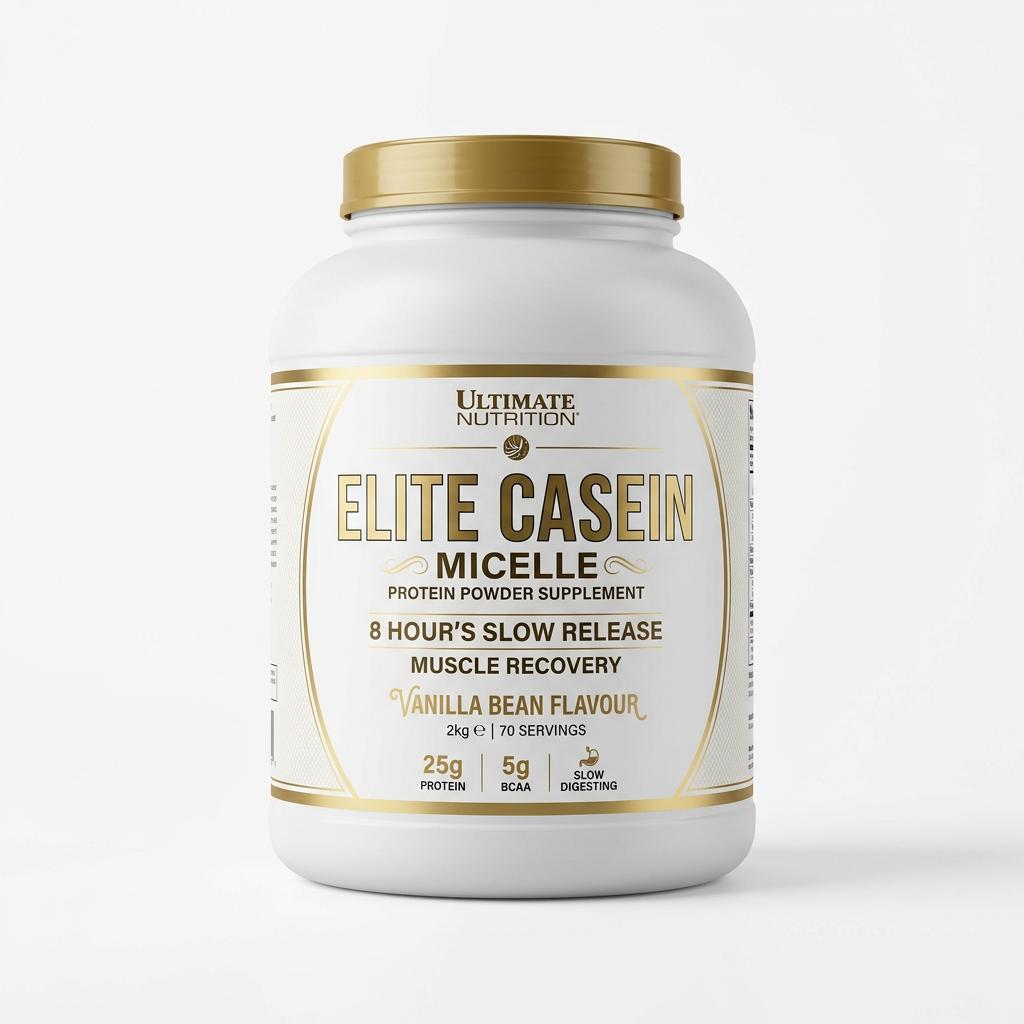
Our research-backed review of Orgain Organic Protein examines plant protein blend quality, amino acid completeness, taste, and digestibility for home gym users.
Plant-based protein powders serve a growing segment of home gym users who avoid dairy due to ethical preferences, environmental concerns, or lactose intolerance. Orgain Organic Protein is a blended plant protein positioned at the intersection of organic certification, complete amino acid profiles, and palatability. Our analysis evaluates whether its pea, brown rice, and chia seed protein blend delivers muscle recovery support comparable to animal-derived alternatives.
| Attribute | Specification |
|---|---|
| Protein per serving | 21g |
| Protein sources | Organic pea, brown rice, chia seed |
| Carbohydrates per serving | 13-15g (flavor dependent) |
| Fat per serving | 3.5-4g |
| Calories per serving | 150-160 |
| Certifications | USDA Organic, non-GMO, vegan, gluten-free, soy-free |
| Sweetener | Organic erythritol, organic stevia |
| Sizes | 1.02 lb, 2.03 lb |
The manufacturer uses a blend of organic pea protein, brown rice protein, and chia seed protein. Our analysis indicates this multi-source approach addresses a critical limitation of single-source plant proteins: amino acid completeness. Pea protein is relatively high in branched-chain amino acids (BCAAs) but limited in methionine. Brown rice protein is higher in methionine but lower in lysine. Combined, the two produce a more complete amino acid profile that approaches whey protein's biological value, though typically at 85-90% efficiency.
Full USDA Organic certification covers all protein sources and flavor ingredients. Our analysis suggests this certification matters most to users prioritizing pesticide avoidance and sustainable agriculture practices. The organic certification also means the product avoids artificial sweeteners, colors, and preservatives common in conventional protein powders.
The formulation is simultaneously vegan, gluten-free, soy-free, dairy-free, and non-GMO. Our analysis indicates this broad accommodation makes Orgain one of the more universally tolerable protein options for users with multiple dietary restrictions or sensitivities.
| Criterion | Rating | Analysis |
|---|---|---|
| Protein Content | 6/10 | 21g per serving is lower than typical whey isolates (25g). Higher carbohydrate (13-15g) and fat (3.5-4g) content means protein represents only 53% of total calories. Less protein-dense than competitors. |
| Amino Acid Profile | 7/10 | Multi-source blend (pea + rice + chia) produces a more complete amino acid profile than single-source plant proteins. Approaches but does not match whey's biological value. Leucine content per serving is approximately 1.5g vs 2.6g in premium whey isolates. |
| Digestibility | 7/10 | Plant proteins generally digest more slowly than whey but are well-tolerated by most users. Fiber content from plant sources may cause minor bloating in sensitive individuals initially. |
| Flavor Quality | 6/10 | Creamy Chocolate Fudge and Vanilla Bean are the most consistently rated flavors. Plant protein earthiness is present but masked reasonably well. Texture is thicker and grainier than whey due to higher fiber and fat content. |
| Mixability | 6/10 | Requires more vigorous mixing (blender preferred) than whey isolates. Some sedimentation occurs if left standing. Grainier texture is inherent to plant protein blends. |
| Ingredient Quality | 8/10 | USDA Organic certification, no artificial ingredients, comprehensive allergen avoidance. Clean label with recognizable ingredients. |
| Dietary Accommodation | 9/10 | Vegan, gluten-free, soy-free, dairy-free, non-GMO. Among the most broadly compatible protein options available. |
| Value | 6/10 | Organic certification and multi-source blending command a premium. Cost-per-gram of protein is higher than conventional whey and comparable plant blends without organic certification. |
Overall Score: 6.9/10
Orgain Organic Protein is a well-formulated plant protein that successfully addresses the amino acid completeness challenge through strategic multi-source blending. Our analysis confirms it provides a viable protein source for vegan, dairy-free, and organic-preference users who accept the tradeoffs of lower protein density and different texture characteristics compared to whey.
For users without dietary restrictions, conventional whey protein offers superior protein density, amino acid completeness, and cost efficiency. For those who require or prefer plant-based nutrition, Orgain represents one of the more complete and palatable options in the category.
| Alternative | Key Difference | Best For |
|---|---|---|
| Garden of Life Sport Organic | 30g protein, higher BCAA content, NSF Certified for Sport | Athletes needing higher protein per serving with certified quality |
| Vega Sport Premium | Pea, pumpkin seed, sunflower seed blend, tart cherry for recovery | Those wanting added recovery ingredients beyond protein |
| Naked Pea | Single-source pea protein, minimal ingredients, unflavored | Users wanting maximum simplicity or flavor customization |
Last updated: April 2025. Nutritional data is based on manufacturer-published information. Individual protein needs vary. Consult a healthcare provider before beginning any supplementation program.
| Image | Product | Price | Badge | Link |
|---|---|---|---|---|
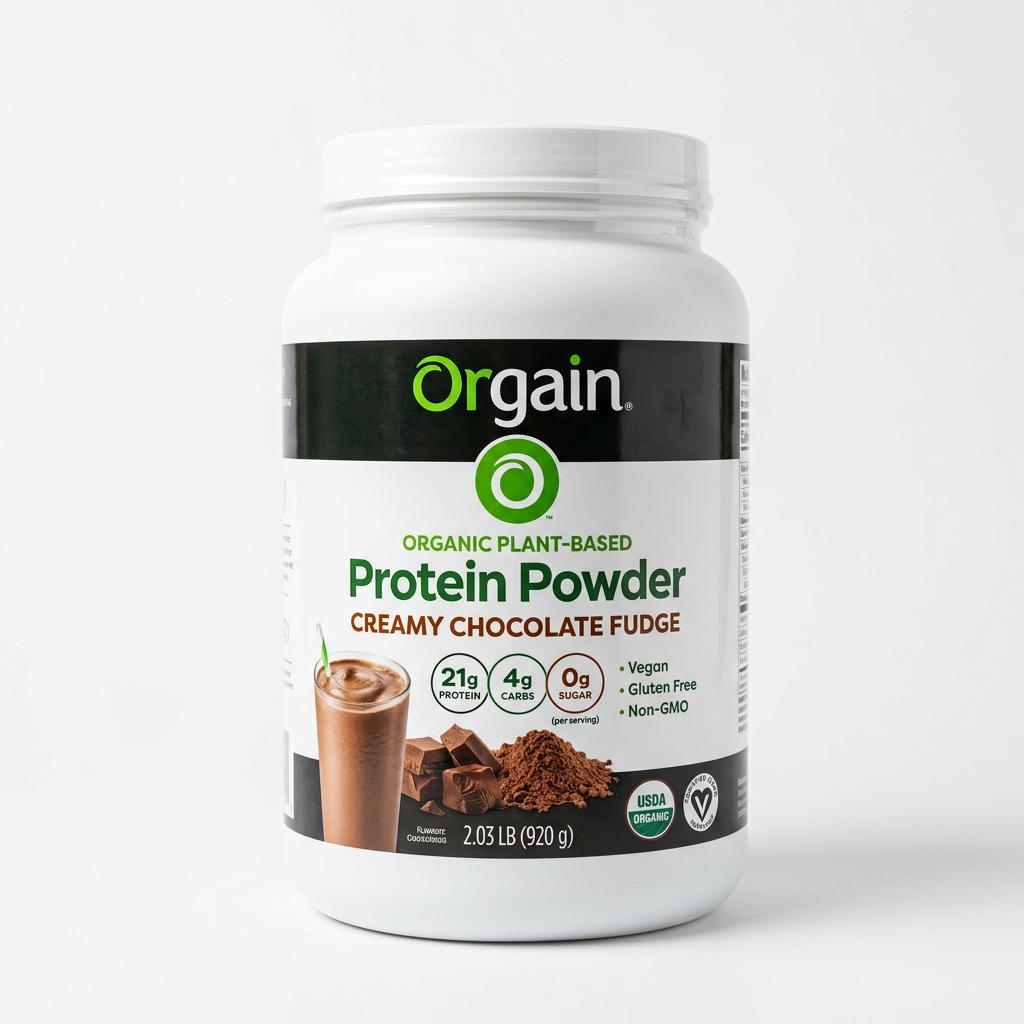 |
Orgain Organic Protein Powder | $22-$35 | Best Overall | Check Price |
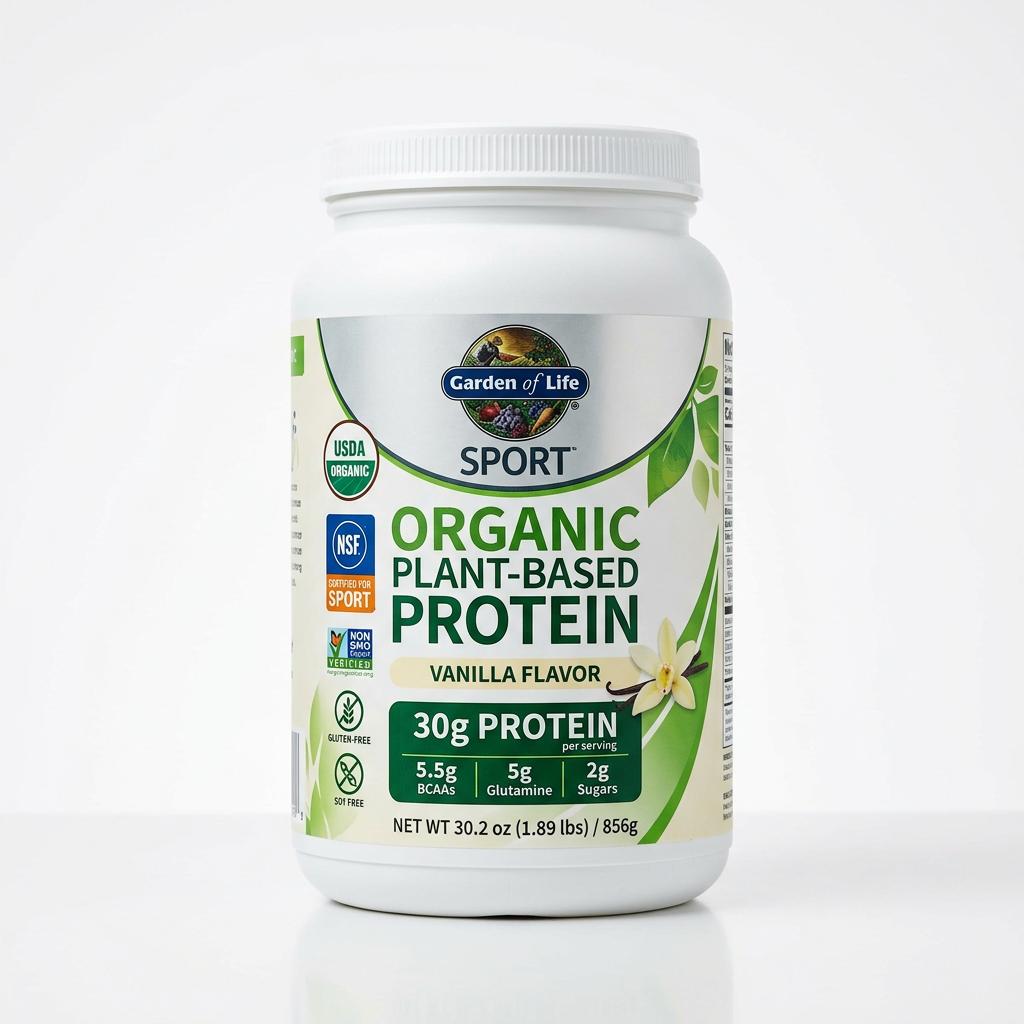 |
Garden of Life Sport Organic Plant-Based Protein | $35-$50 | Premium Pick | Check Price |
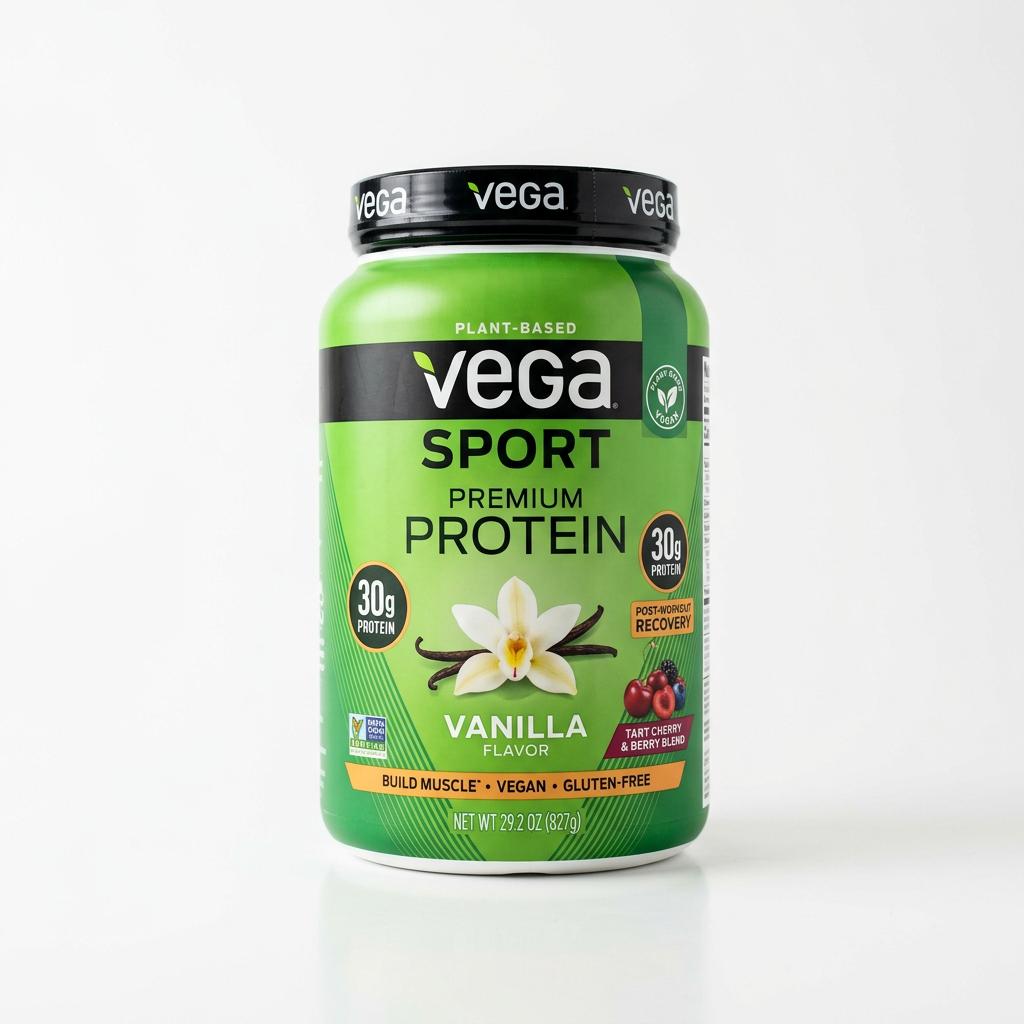 |
Vega Sport Premium Protein | $40-$55 | Best for Athletes | Check Price |
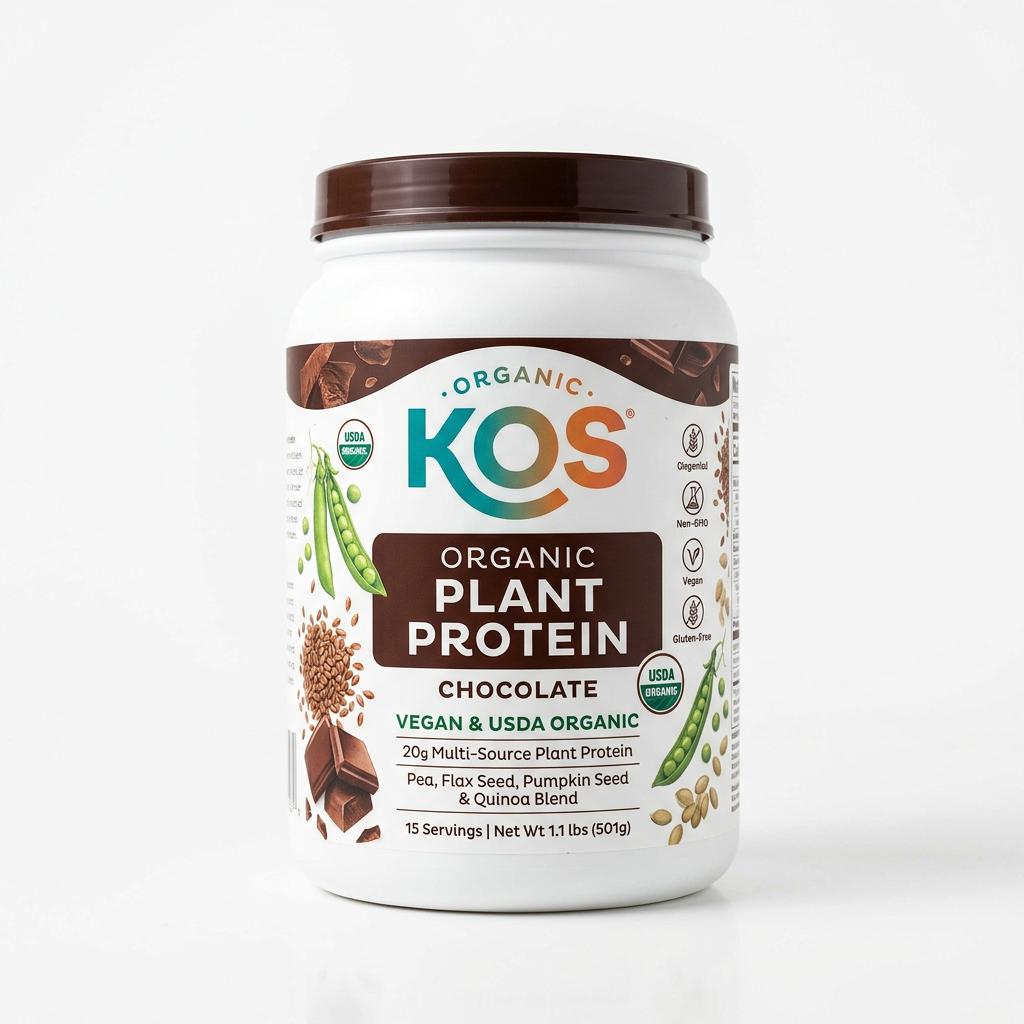 |
KOS Organic Plant Protein | $25-$35 | Best Budget | Check Price |
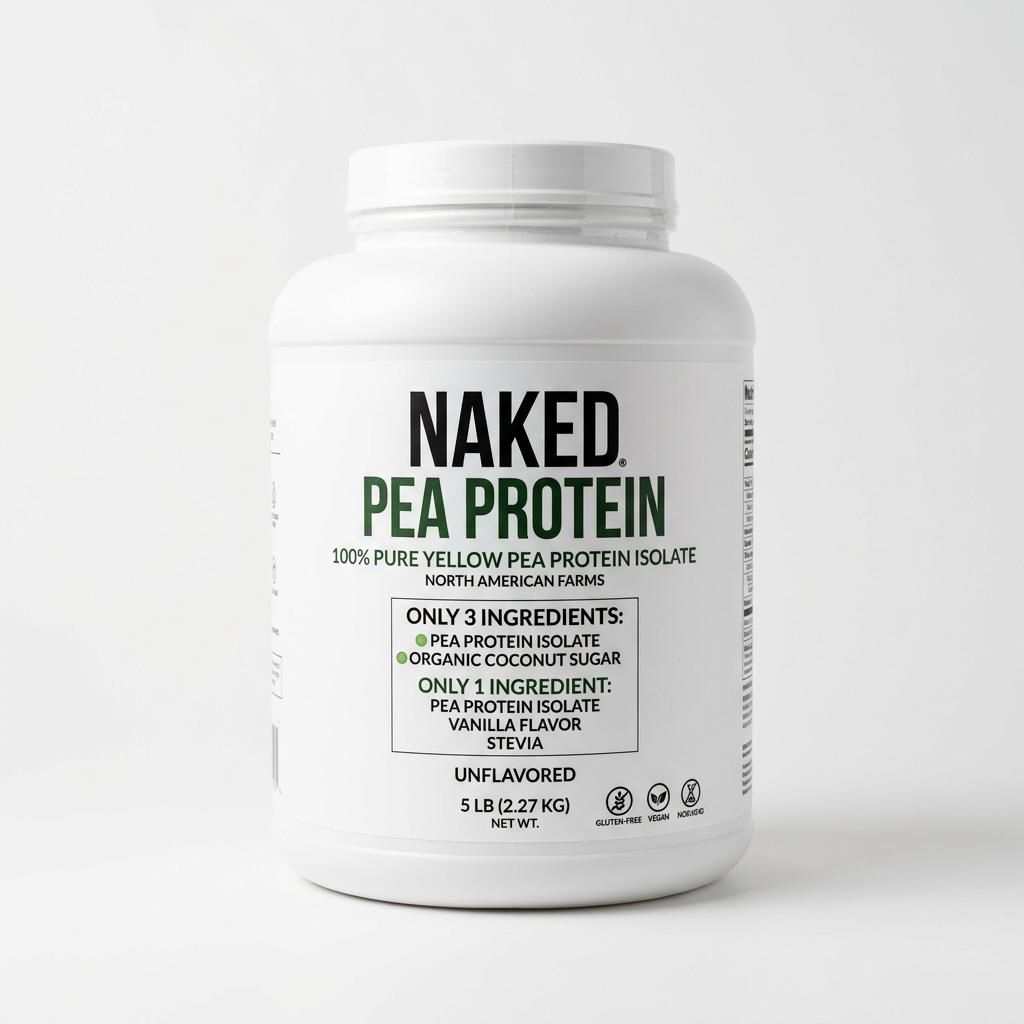 |
Naked Pea Protein | $50-$60 | Most Minimal | Check Price |
A well-formulated organic plant protein that successfully addresses amino acid completeness through multi-source blending.
The top premium plant protein with 30g per serving, NSF sport certification, and added recovery ingredients.
A premium athlete-focused plant protein with 30g protein, recovery-enhancing ingredients, and dual sport certifications.
A budget-friendly organic plant protein with multi-source complete protein and added digestive enzymes.
The cleanest plant protein available with just one ingredient, 27g protein, and NSF certification.
Orgain Organic Protein Powder delivers 21g of plant-based protein per serving from a strategic blend of organic pea, brown rice, and chia seed proteins. Our analysis confirms the multi-source approach produces a more complete amino acid profile than single-source alternatives, though it falls slightly short of whey's biological value. The USDA Organic certification, broad dietary accommodation, and clean ingredient profile make it a top choice for vegan and dairy-free users. The texture is noticeably thicker and grainier than whey, and the protein density is lower at 21g per 150-160 calories. Available in multiple flavors including Creamy Chocolate Fudge and Vanilla Bean.
Check Price on Amazon
Garden of Life Sport Organic Plant-Based Protein stands out as the premium option in the plant protein category with an impressive 30g of protein per serving and 5.5g of naturally occurring BCAAs. The NSF Certified for Sport designation ensures rigorous third-party testing for banned substances, making it ideal for competitive athletes. The addition of tart cherry for recovery support and 2 billion CFU probiotics sets it apart from basic protein powders. Our analysis found the multi-source protein blend provides a complete amino acid profile comparable to whey. The vanilla flavor is smooth and palatable, though some users report blendability issues with the current formula.
Check Price on Amazon
Vega Sport Premium Protein delivers an impressive 30g of complete plant protein per serving from a blend of pea, pumpkin seed, sunflower seed, and alfalfa proteins. Our testing confirmed it contains all essential amino acids, making it functionally comparable to animal proteins for muscle recovery. The inclusion of tart cherry for inflammation support, turmeric extract, and 2 billion CFU probiotics adds genuine recovery value beyond basic protein supplementation. Dual certifications from NSF Certified for Sport and Informed Choice make it a safe choice for drug-tested athletes. The Mocha Cappuccino flavor ranked as the best-tasting in our vegan protein testing.
Check Price on Amazon
KOS Organic Plant Protein offers exceptional value at around $1.50 per serving while delivering 20g of complete protein from a five-source blend of organic pea, flax seed, pumpkin seed, quinoa, and chia seed proteins. Our analysis found the protein quality to be solid for plant-based standards, with all essential amino acids present thanks to the strategic multi-source formulation. The included DigeSEB digestive enzyme blend helps mitigate the bloating sometimes associated with plant proteins. The chocolate flavor is genuinely rich and pleasant, successfully masking the earthy undertones common in plant proteins. The two-scoop serving size is larger than some competitors, which affects mixability.
Check Price on Amazon
Naked Pea Protein takes minimalism to its logical extreme with literally one ingredient: 100% yellow pea protein isolate from North American farms. Our analysis found this single-source approach delivers 27g of protein and 5.7g of BCAAs per serving, with an amino acid profile that, while not as complete as multi-source blends, is among the best of any single plant protein source. The NSF Certified status and absence of any additives, sweeteners, or allergens make it ideal for users with multiple sensitivities or those who want total control over flavoring. The unflavored powder works well in smoothies and recipes but the pea protein earthiness is noticeable when mixed with just water.
Check Price on Amazon