Best Adaptogen Supplements 2026: 5 Tested for Stress & Recovery
Tested 5 adaptogenic supplements for stress management and recovery. KSM-66 Ashwagandha wins for research backing and ef...
Evidence-based analysis of intermittent fasting for exercisers. Covers fasted vs. fed training, nutrient timing, muscle retention, strength performance, and practical implementation.
Intermittent fasting (IF) — cycling between periods of eating and fasting — has gained substantial popularity as an eating pattern for health and body composition. For individuals who also train, questions arise about how to structure workouts within fasting windows, whether fasted training affects performance and muscle retention, and how to optimize nutrient timing.
This article examines the evidence on intermittent fasting combined with resistance training, distinguishes between fasted and fed exercise effects, and provides practical implementation guidance for home gym users.
| Protocol | Fasting Window | Eating Window | Daily Structure |
|---|---|---|---|
| 16:8 (Leangains) | 16 hours | 8 hours | Most common; skip breakfast, eat 12 PM-8 PM |
| 18:6 | 18 hours | 6 hours | Compressed window; eat 2 PM-8 PM |
| 20:4 (Warrior Diet) | 20 hours | 4 hours | One large meal plus snacks |
| OMAD | 23 hours | 1 hour | One meal daily |
| 5:2 | 2 non-consecutive days/week | 5 normal days | 500-600 calories on fasting days |
Key clarification: Intermittent fasting is an eating schedule, not a diet. It specifies when to eat, not what to eat. Caloric balance, macronutrient intake, and food quality still determine body composition outcomes.
| Parameter | Fasted State | Fed State |
|---|---|---|
| Primary fuel source | Fatty acids and intramuscular triglycerides | Carbohydrates (glycogen and circulating glucose) |
| Fat oxidation during exercise | Higher proportion | Lower proportion |
| Carbohydrate oxidation during exercise | Lower | Higher |
| Insulin levels | Low | Elevated |
| Growth hormone levels | Elevated | Normal |
| Training performance (high intensity) | Potentially reduced | Typically maintained or enhanced |
| Muscle protein breakdown | Slightly elevated without protein intake | Lower |
The fasted training fat-burning myth: While fasted training does increase fat oxidation during the exercise session, research does not consistently support greater total fat loss over 24 hours or longer periods compared to fed training. The body compensates for increased fat use during exercise by reducing fat oxidation at rest and during subsequent meals. Total daily energy balance remains the primary determinant of fat loss.
Published research on fasted vs. fed resistance training indicates:
Strength performance:
Endurance performance:
Practical implication: If your training sessions are under 60 minutes and moderate-to-high intensity, fasted training is unlikely to significantly impair performance. If you perform long, high-volume sessions, fed training may be preferable.
The primary concern with fasted training is muscle protein balance — the relationship between muscle protein synthesis (MPS) and muscle protein breakdown (MPB):
| Scenario | MPS | MPB | Net Balance |
|---|---|---|---|
| Fasted, no protein | Baseline | Elevated | Negative (muscle loss risk) |
| Fasted, protein post-workout | Elevated post-intake | Reduced post-intake | Positive with adequate protein |
| Fed, protein pre-workout | Elevated | Suppressed | Positive |
Key finding: The presence of amino acids (from dietary protein) is the critical factor for muscle protein synthesis. The timing relative to training is secondary to total daily intake. A 2013 meta-analysis by Schoenfeld et al. concluded that the "anabolic window" is much wider than previously believed — protein intake within several hours of training is sufficient.
Studies examining intermittent fasting combined with resistance training:
Conclusion: Intermittent fasting does not inherently cause muscle loss when total protein intake is adequate (0.7-1g per pound of bodyweight) and resistance training is performed consistently. The presence of sufficient amino acids at some point around the training session is what matters.
Structure: Fast overnight, train in the morning, break fast with first meal immediately or within 1-2 hours post-workout
Best for: Morning exercisers, those who prefer training on an empty stomach, fat loss phases
Implementation:
Considerations:
Structure: Break fast at midday, consume 1-2 meals, train 2-3 hours after a moderate meal
Best for: Those who prefer afternoon/evening training, strength-focused trainees, muscle-building phases
Implementation:
Considerations:
Structure: Consume 10-20g protein (or BCAAs/EAAs) before fasted training, continue fast for 1-2 hours post-workout, then eat first full meal
Best for: Those who want fasted training benefits with muscle preservation insurance
Implementation:
Considerations:
The 16:8 eating window compresses all daily nutrition into 8 hours. For someone targeting 150g protein daily, this requires substantial protein intake per meal.
| Meal Timing | Protein Target | Example Foods |
|---|---|---|
| Meal 1 (break fast, 12 PM) | 40-50g | 8 oz chicken breast, Greek yogurt, protein shake |
| Snack (3 PM) | 20-25g | Protein shake, cottage cheese, hard-boiled eggs |
| Meal 2 (pre-workout, 5 PM) | 40-50g | 8 oz fish, lentils, vegetables |
| Meal 3 (post-workout, 8 PM) | 40-50g | Lean beef, casein protein, vegetables |
Research on protein distribution: While consuming protein every 3-4 hours may theoretically optimize MPS, the practical difference between 3 meals and 4 meals is small. Consuming adequate total protein daily is the primary factor; distribution is secondary.
| Population | Concern | Recommendation |
|---|---|---|
| Pregnant or breastfeeding women | Increased nutrient needs, fetal requirements | Avoid fasting; prioritize consistent nutrition |
| Adolescents | Growth and development requirements | Avoid fasting; regular meals support development |
| Underweight individuals | Risk of inadequate caloric intake | Avoid fasting; focus on adequate nutrition |
| History of eating disorders | Fasting may trigger restrictive behaviors | Avoid fasting; consult healthcare provider |
| High-volume athletes (>10h training/week) | May struggle to consume adequate calories in compressed window | Use longer eating windows (12:12) or avoid IF |
| Diabetic individuals on medication | Risk of hypoglycemia during fasts | Medical supervision required; may need medication adjustment |
| Day | Fasting Window | Training | First Meal | Notes |
|---|---|---|---|---|
| Monday | 8 PM-12 PM | Upper body, 11 AM (fasted) | 12:30 PM | High-protein post-workout meal |
| Tuesday | 8 PM-12 PM | Rest day, light walk | 12 PM | Normal meal timing |
| Wednesday | 8 PM-12 PM | Lower body, 6 PM (fed) | 12 PM | Pre-workout meal at 4 PM |
| Thursday | 8 PM-12 PM | Rest day | 12 PM | Normal meal timing |
| Friday | 8 PM-12 PM | Full body, 11 AM (fasted) | 12:30 PM | High-protein post-workout meal |
| Saturday | 8 PM-12 PM | Cardio/conditioning, 10 AM (fasted) | 12 PM | Moderate intensity cardio tolerates fasted state |
| Sunday | 8 PM-12 PM | Rest day | 12 PM | Normal meal timing |
Intermittent fasting is compatible with resistance training and muscle preservation when total daily protein intake (0.7-1g per pound) is maintained. Fasted training does not inherently burn more fat over 24 hours than fed training, though it increases fat oxidation during the exercise session. Performance effects of fasted training are individual — some experience no decrement, while others notice reduced strength-endurance. The optimal approach is the one that allows consistent training, adequate nutrition, and sustainable adherence. Nutrient timing matters less than total daily intake; breaking the fast with protein within 1-2 hours post-workout provides sufficient muscle protein synthesis support for most individuals.
As an Amazon Associate we earn from qualifying purchases.
| Image | Product | Price | Badge | Link |
|---|---|---|---|---|
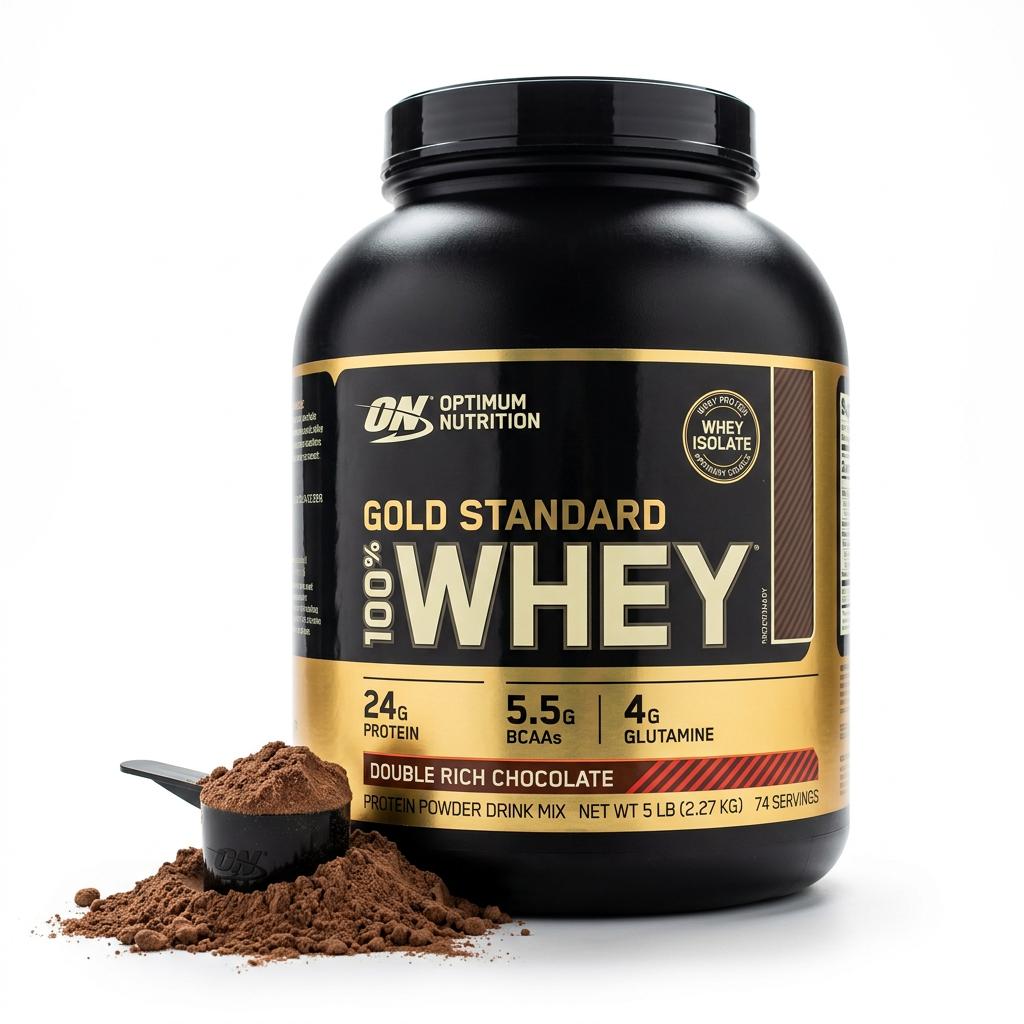 |
Optimum Nutrition Gold Standard 100% Whey | $35-$55 | Best Overall Protein | Check Price |
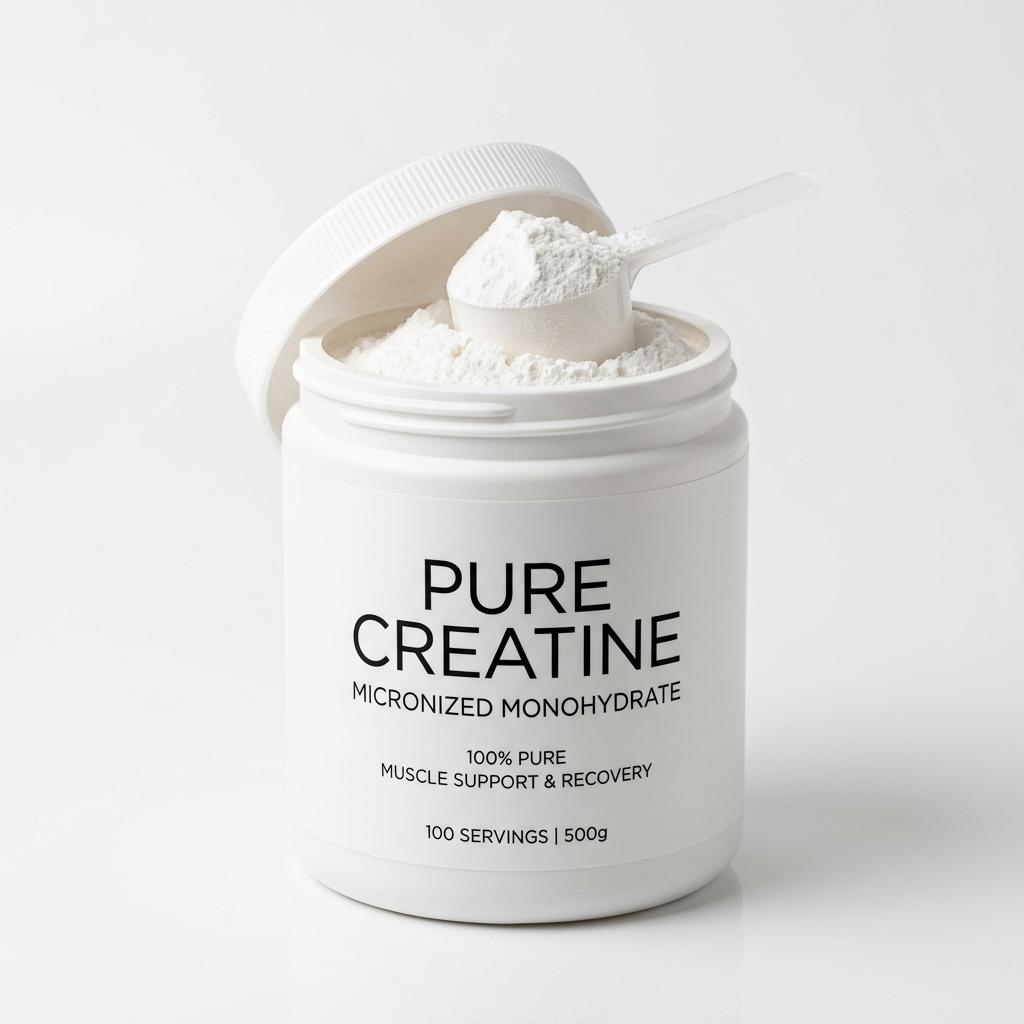 |
Optimum Nutrition Micronized Creatine Monohydrate | $25-$35 | Best for Strength | Check Price |
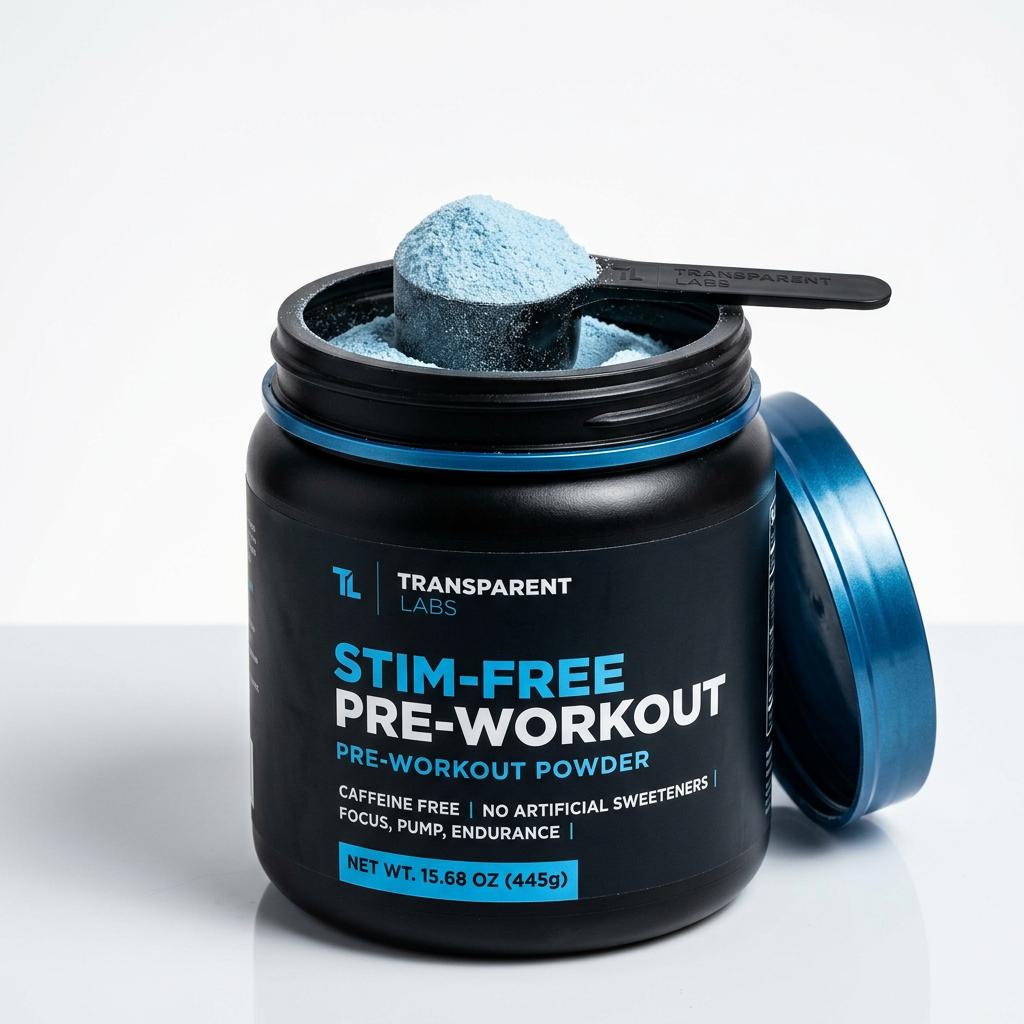 |
Transparent Labs Stim-Free Pre-Workout | $45-$50 | Best Fasted Pre-Workout | Check Price |
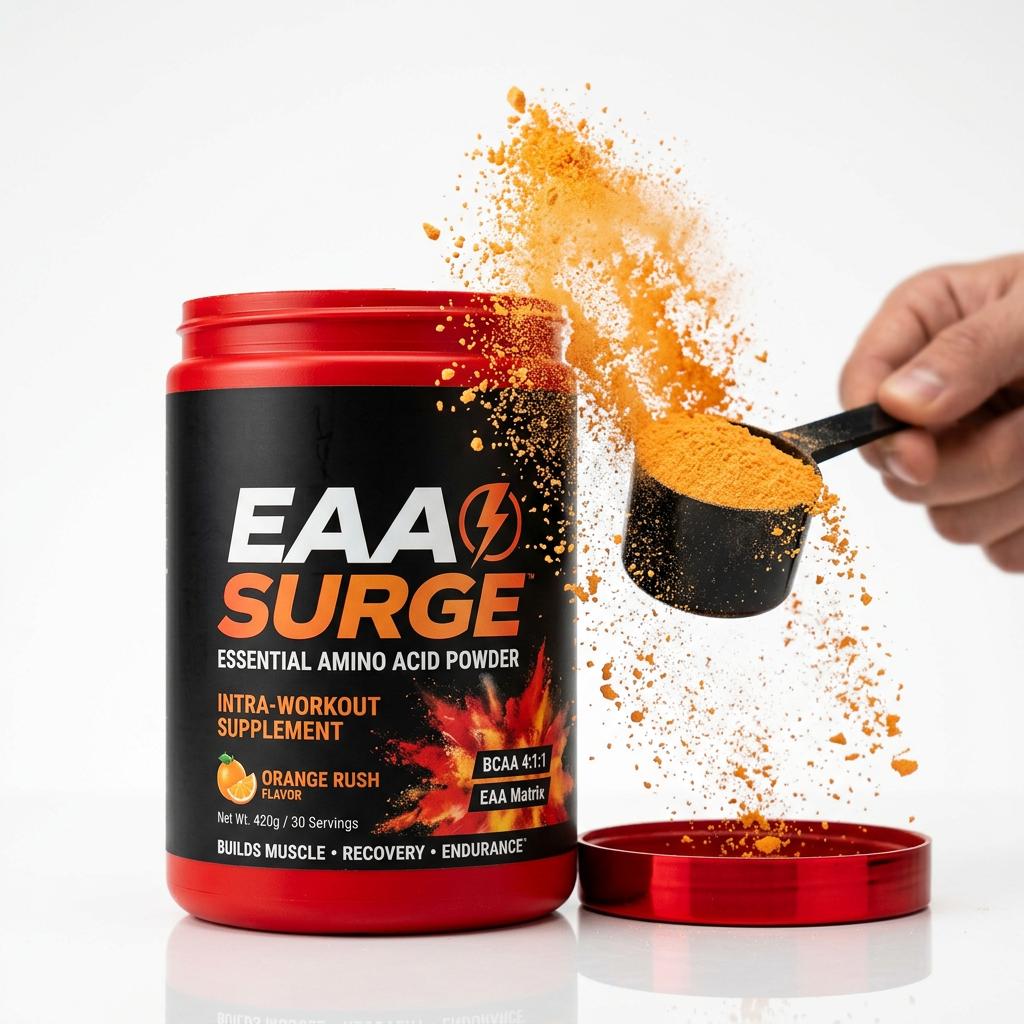 |
Jacked Factory EAA Surge | $30-$35 | Best Intra-Workout | Check Price |
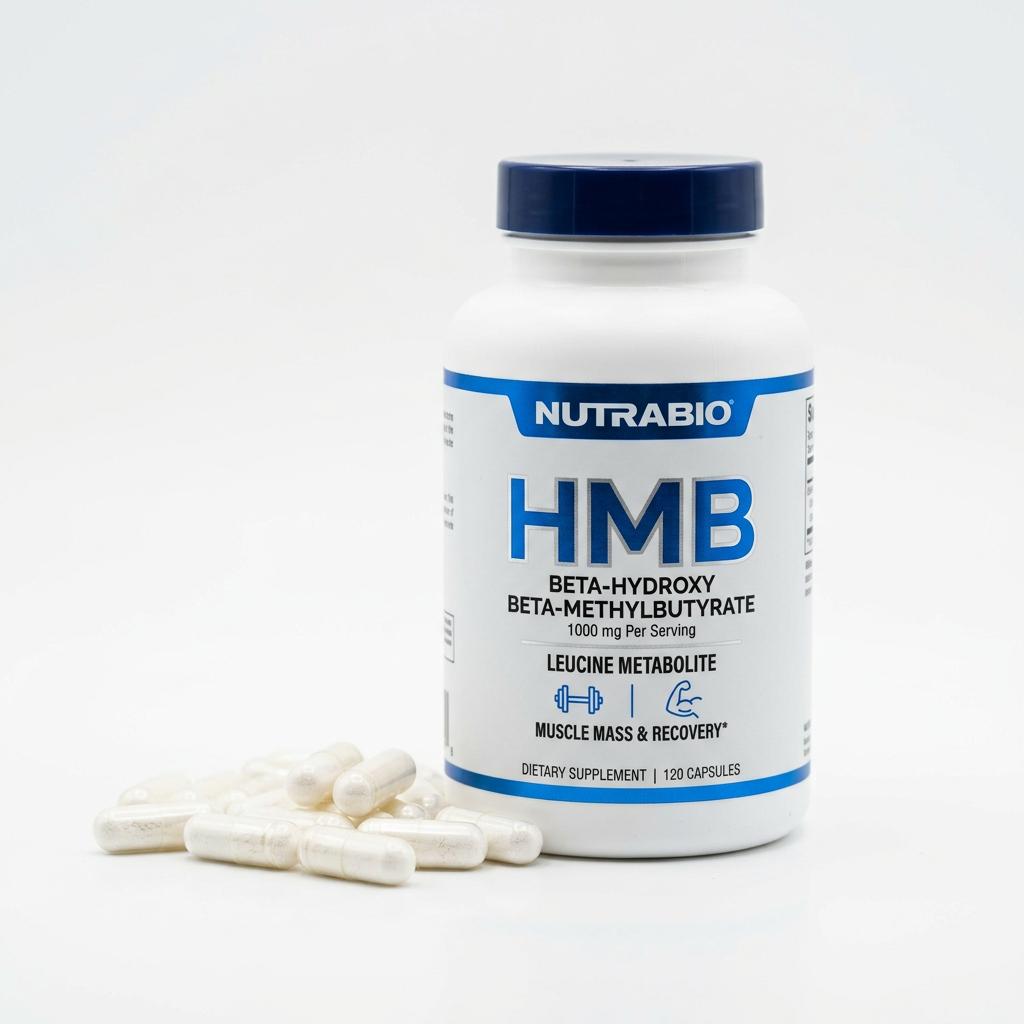 |
Nutricost HMB Supplement | $20-$25 | Best Muscle Protector | Check Price |
The gold standard in whey protein that delivers rapid-absorbing protein perfect for post-fasted-workout nutrition.
Pure micronized creatine monohydrate that supports strength and power output without adding any calories to your fasting window.
A stimulant-free pre-workout that enhances performance through hydration and pump ingredients without caffeine on an empty stomach.
A full-spectrum EAA intra-workout supplement that supports muscle protein synthesis during fasted training sessions.
An affordable HMB supplement that helps protect muscle tissue during fasted training and supports recovery.
Optimum Nutrition Gold Standard Whey has been the industry benchmark for over two decades. The primary protein source is whey protein isolate, the purest and fastest-absorbing form of whey. For intermittent fasting athletes, this rapid absorption is valuable post-workout when your muscles are primed for nutrient uptake. With 24g of protein and 5.5g of BCAAs per serving, it provides the building blocks needed for muscle recovery. The double rich chocolate and extreme milk chocolate flavors are customer favorites that mix smoothly with water or milk.
Check Price on Amazon
Creatine monohydrate is the most researched sports supplement in existence, with hundreds of studies supporting its effectiveness for increasing strength, power, and muscle mass. For intermittent fasting athletes, creatine has a unique benefit: it is calorie-free and can be taken at any time, including during your fasting window. The 5g daily dose saturates muscle creatine stores over 2-4 weeks, leading to improved performance in high-intensity exercises. Optimum Nutrition's micronized version dissolves better than standard creatine, reducing the gritty texture that some users dislike.
Check Price on Amazon
Training fasted can be challenging, especially when it comes to energy levels. Transparent Labs Stim-Free Pre-Workout addresses this through non-stimulant pathways. The 8g of citrulline malate enhances nitric oxide production for better blood flow and pumps. The beta-alanine supports muscular endurance. Most importantly for fasted trainers, it contains taurine and Himalayan sea salt to support hydration. Without any caffeine, there is no risk of jitters or stomach upset on an empty stomach. For those committed to fasted training, this formula provides meaningful performance support.
Check Price on Amazon
EAA Surge provides all nine essential amino acids, which research suggests is superior to BCAAs alone for stimulating muscle protein synthesis. For fasted training, sipping EAAs during your session provides circulating amino acids that may help reduce muscle protein breakdown. The addition of coconut water powder provides natural electrolytes for hydration. With zero calories, it will not significantly impact your fasted state. The orange rush flavor is refreshing and the powder mixes cleanly without foam or residue. For IF athletes concerned about muscle preservation during fasted training, this is a valuable intra-workout tool.
Check Price on Amazon
HMB (beta-hydroxy beta-methylbutyrate) is a metabolite of leucine that has been shown to reduce muscle protein breakdown, particularly in fasted states. For intermittent fasting athletes, this makes it a potentially valuable supplement. Research suggests that 3g of HMB daily can help preserve lean mass during periods of caloric restriction or fasted training. Nutricost provides a cost-effective HMB option that is third-party tested for purity. While the effects are not dramatic, the long-term muscle preservation benefits make it worth considering for IF athletes who train fasted regularly.
Check Price on Amazon