Best Adaptogen Supplements 2026: 5 Tested for Stress & Recovery
Tested 5 adaptogenic supplements for stress management and recovery. KSM-66 Ashwagandha wins for research backing and ef...
A comprehensive guide to combining intermittent fasting with gym training. Covers IF protocols, fasted vs fed training, muscle preservation, nutrient timing, and sample schedules.
Last updated: January 15, 2025
FTC Disclosure: SnugGym participates in the Amazon Associates Program. This guide contains affiliate links—purchases made through these links may earn us a commission at no cost to you.
Intermittent fasting (IF) has evolved from a niche dietary strategy to a mainstream approach embraced by millions. For home gym athletes, IF offers unique appeal: simplified meal planning, potential fat loss benefits, improved insulin sensitivity, and the convenience of fewer meals to prepare. But combining fasting with intense resistance training raises legitimate concerns about muscle preservation, workout performance, and recovery.
The central question is straightforward: can you build muscle and strength while restricting your eating to specific windows? The answer, backed by research, is yes—with the right protocol, adequate protein, and strategic nutrient timing around training. Fasting doesn't inherently impair muscle protein synthesis when total nutrition is adequate, and many athletes find that training in a fasted state actually improves focus and energy once they adapt.
This guide covers everything home gym athletes need to know about combining intermittent fasting with strength training: the science of fasting and muscle metabolism, the major IF protocols, practical considerations for fasted vs. fed training, muscle preservation strategies, and detailed sample schedules for different training times.
The most popular IF approach, 16:8 involves fasting for 16 hours and eating within an 8-hour window. For most athletes, this means skipping breakfast, eating the first meal around noon, and finishing the last meal by 8:00 PM.
Structure:
Best for: Most home gym athletes; beginners to IF; those who prefer social dinners; sustainable long-term adherence
Research support: Multiple studies show 16:8 reduces body fat while preserving lean mass when protein intake is adequate. A 2016 study by Moro et al. found that resistance-trained athletes doing 16:8 lost significant fat mass while maintaining muscle mass and performance.
A more compressed eating window of 4 hours with a 20-hour fast. Typically involves one large meal and one smaller meal or snack within the window.
Structure:
Best for: Advanced IF practitioners; those who genuinely don't experience hunger during the day; athletes training in the evening
Considerations: Fitting adequate protein into 4 hours is challenging. Requires larger individual meals that some find uncomfortable. Less research support than 16:8.
The most extreme IF protocol, OMAD compresses all daily nutrition into a single meal eaten within a 1-hour window.
Structure:
Best for: Experienced fasters; maintenance phases; those using IF primarily for convenience and simplicity rather than body composition optimization
Considerations for athletes: Very difficult to consume adequate protein (150-200g+) in a single sitting. Research suggests muscle protein synthesis plateaus around 40-50g per meal, making OMAD suboptimal for maximizing MPS signaling throughout the day. Fatigue during long fasts can impair training quality.
Not recommended for: Bulking phases; athletes prioritizing maximum muscle growth; those new to IF; anyone experiencing energy or performance declines
Involves alternating between normal eating days and fasting or very low-calorie days (typically 500 calories).
Structure:
Best for: Fat loss with maximum caloric deficit; those who prefer distinct diet and non-diet days
Considerations for athletes: Training scheduling becomes complex. Hard to align high-intensity training with feeding days consistently. May impair recovery between sessions. Not ideal for strength or hypertrophy-focused athletes.
Five days of normal eating with two non-consecutive days of very low calorie intake (500-600 calories).
Structure:
Best for: General health and longevity; modest fat loss goals; those who want IF benefits without daily restriction
Considerations for athletes: Plan fasting days on rest or light training days. Ensure the two normal days surrounding fasting days are high in protein to compensate. Not ideal for high-frequency training programs.
When you train in a fasted state (8+ hours without food), several metabolic shifts occur:
Increased fat oxidation: With depleted liver glycogen and low insulin levels, the body shifts toward greater fat utilization for energy. This doesn't necessarily mean more total fat loss over 24 hours (compensatory mechanisms exist), but it does increase the proportion of fat burned during the session.
Elevated catecholamines: Fasting increases adrenaline and noradrenaline, which can enhance focus, alertness, and lipolysis (fat breakdown). Some athletes report improved mental clarity and intensity during fasted training.
Potential AMPK activation: AMP-activated protein kinase is a cellular energy sensor activated during fasting and exercise. AMPK promotes fat oxidation and mitochondrial biogenesis but can inhibit mTOR (the muscle-building pathway) when chronically elevated.
Higher muscle protein breakdown: Without circulating amino acids, training in a fasted state increases muscle protein breakdown during the session. This is theoretically concerning, though research shows the net effect may be neutral if post-workout protein is consumed promptly.
A 2013 study by Schoenfeld et al. compared fed vs. fasted cardio for body composition changes and found no significant difference in fat loss between groups when total calories were matched. The fed group actually retained slightly more lean mass.
For resistance training specifically, a 2020 meta-analysis in the International Journal of Exercise Science found that while fasted resistance training increased fat oxidation during the session, it did not produce superior body composition changes compared to fed training when total nutrition was controlled. Performance metrics (strength, power) were generally maintained in fasted training once subjects were adapted.
For fat loss: Fasted training may offer a small advantage in fat oxidation during the session, but total daily caloric deficit remains the primary driver. Choose fasted or fed based on preference and performance.
For muscle gain: Fed training is likely optimal, as the presence of amino acids and carbohydrates supports performance and reduces catabolism. If training fasted, prioritize rapid post-workout protein intake.
For performance: Individual variation is enormous. Some athletes feel strong and focused fasted; others feel weak and dizzy. Experiment to find what works for you.
The primary concern for athletes combining IF with strength training is muscle preservation. Here are the evidence-based strategies:
This is non-negotiable. Research consistently shows that adequate total daily protein intake is the single most important factor for muscle preservation during caloric restriction or fasting protocols. Aim for:
A 2017 study by Tinsley et al. found that time-restricted feeding (8-hour window) did not reduce lean mass in resistance-trained males when protein intake was maintained at 1.6g/kg.
Leucine is the amino acid that triggers muscle protein synthesis. Ensure each meal contains 2-3g of leucine, which typically requires:
Whenever possible, schedule training so that your post-workout meal falls within your eating window. This ensures rapid amino acid delivery after the session.
Optimal: Train 2-3 hours before your eating window closes, allowing a full post-workout meal within the window.
Acceptable: Train during the eating window with a pre-workout meal 1-2 hours prior.
Suboptimal but manageable: Train at the very end of or slightly after your eating window, breaking the fast with a post-workout meal (essentially extending the window on training days).
While not necessary for everyone, 10g of essential amino acids (EAAs) consumed immediately before fasted training can provide circulating amino acids during the session without significantly breaking the fast (EAAs contain minimal calories and don't provoke the full metabolic response of a meal).
Note: Whey protein is superior to BCAAs alone, as BCAAs without the other essential amino acids can theoretically limit complete protein synthesis. If your fast is strict, EAAs are the better choice.
The most powerful signal for muscle preservation is mechanical tension from heavy resistance training. Don't let fasting reduce your training intensity or volume. If you can't maintain your normal loads and volumes, the fasting protocol is too aggressive.
Monitor these markers:
If the answer to any of these is "no," modify your fasting protocol or caloric intake.
If training during your eating window, follow standard pre-workout nutrition guidelines:
1-2 hours pre-workout:
30-60 minutes pre-workout (lighter option):
This is your most important meal of the day. Break your fast with a protein-rich meal if training fasted, or consume your largest meal post-workout if training fed.
Post-workout targets:
Example post-workout meal:
Even within a compressed eating window, aim for at least 3 protein feedings:
16:8 example distribution:
Highly recommended:
Consider:
IF is not appropriate for everyone. Consider avoiding or discontinuing IF if you:
Don't jump straight into 20:4 or OMAD. Gradually compress your eating window over 2-3 weeks:
Week 1: 14:10 (fast 14 hours, eat 10 hours)
Week 2: 16:8 (fast 16 hours, eat 8 hours)
Week 3+: Adjust based on response
| Time | Monday-Friday | Notes |
|---|---|---|
| 6:00 AM | Train fasted; black coffee + EAAs pre-workout | Optional: 10g EAAs |
| 7:30 AM | Post-workout protein shake (30g whey) | Break fast immediately post-workout |
| 9:00 AM | Breakfast: Eggs, oatmeal, fruit | First solid meal |
| 12:00 PM | Lunch: Chicken, rice, vegetables | Substantial meal |
| 3:00 PM | Snack: Greek yogurt, nuts | Protein and fat |
| 6:00 PM | Dinner: Salmon, potatoes, salad | Final large meal |
| 7:30 PM | Optional: Casein shake | Before fasting window closes at 8:00 PM |
Eating window: 7:30 AM - 8:00 PM (12.5 hours on training days, modified) Note: Morning trainers may need a modified window on training days, returning to strict 16:8 on rest days.
| Time | Monday-Friday | Notes |
|---|---|---|
| 8:00 AM | Black coffee, water | Fasting continues |
| 11:00 AM | Break fast: Light pre-workout meal | 20-25g protein, 30-40g carbs |
| 12:00 PM | Train fed | Good energy from pre-workout meal |
| 1:30 PM | Post-workout lunch: Large meal | 40-50g protein, 60-80g carbs |
| 4:30 PM | Snack: Protein shake, fruit | Maintain protein synthesis |
| 7:30 PM | Dinner: Balanced meal | 35-40g protein |
Eating window: 11:00 AM - 8:00 PM (9 hours) Advantage: Training falls within the eating window, allowing fed training and immediate post-workout nutrition
| Time | Monday-Friday | Notes |
|---|---|---|
| 12:00 PM | Break fast: Large lunch | 40-50g protein, 60g carbs |
| 3:00 PM | Pre-workout snack | 25-30g protein, 40g carbs |
| 6:00 PM | Train fed | Strong energy from afternoon meals |
| 7:30 PM | Post-workout dinner: Largest meal | 50g protein, 80g carbs |
| 9:30 PM | Optional: Casein before bed | Extend anabolic window overnight |
Eating window: 12:00 PM - 9:30 PM (9.5 hours) Advantage: Largest meal post-workout; casein before bed supports overnight recovery
Intermittent fasting can work for home gym athletes, but it requires thoughtful implementation. The 16:8 protocol offers the best balance of fasting benefits and training support for most athletes. Prioritize total daily protein (1.6-2.2g/kg), distribute protein across 3-4 meals within your window, time training near your eating window when possible, and monitor performance markers closely. If strength declines, recovery suffers, or sleep degrades, modify or discontinue the protocol. IF is a tool, not a religion—use it when it serves your goals, abandon it when it doesn't.
Consult a healthcare provider before starting intermittent fasting, especially if you have any medical conditions, take medications, or have a history of disordered eating.
| Image | Product | Price | Badge | Link |
|---|---|---|---|---|
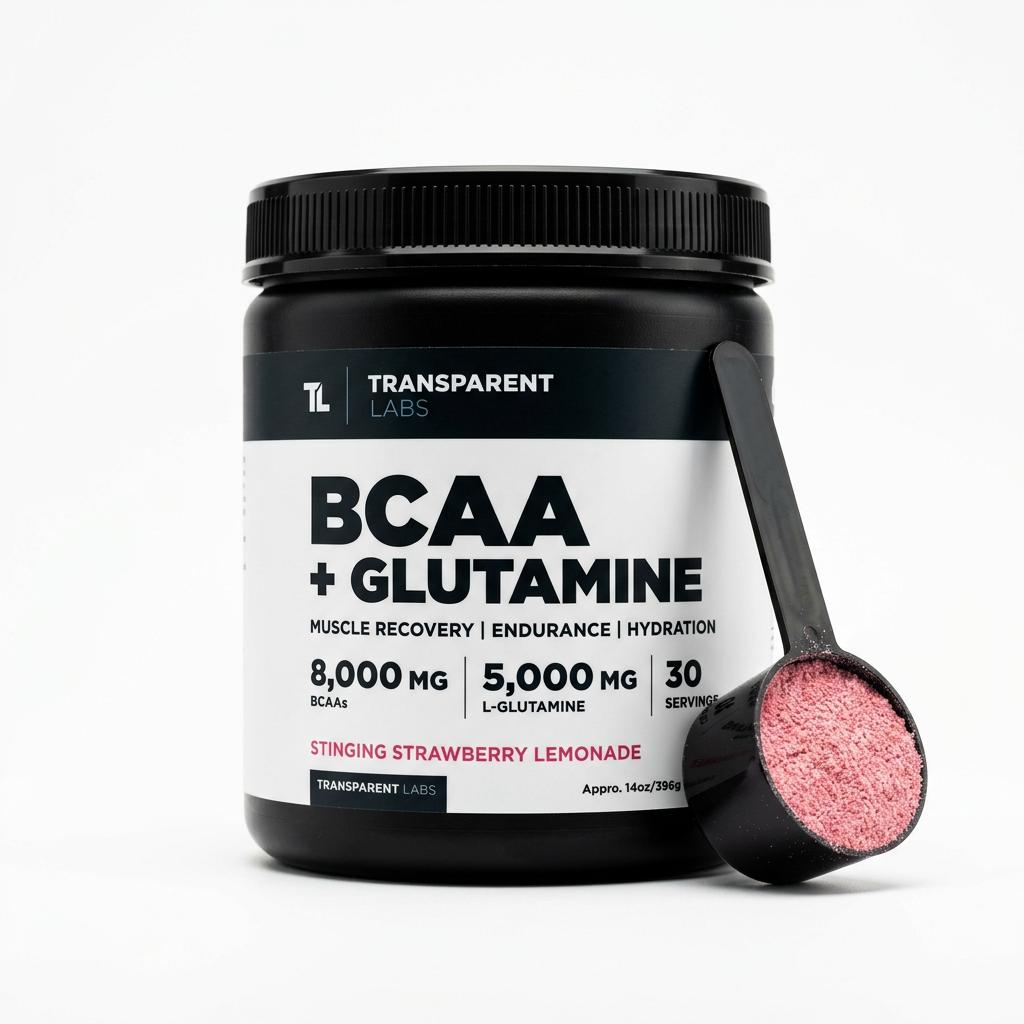 |
Transparent Labs BCAA + Glutamine | $35-$40 | Best for Fasted Training | Check Price |
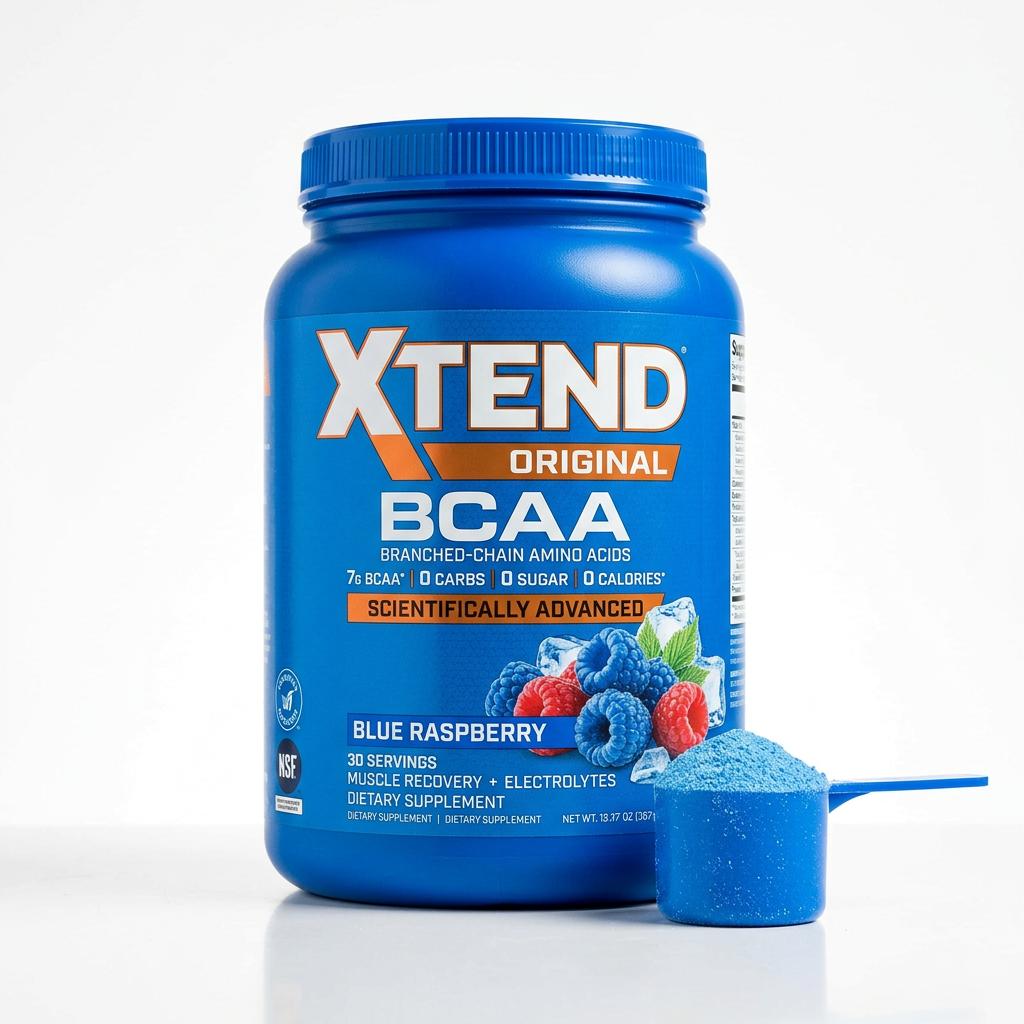 |
Xtend Original BCAA Powder | $25-$35 | Best Value BCAA | Check Price |
 |
Isopure Zero Carb Whey Protein Isolate | $45-$55 | Best Break-Fast Protein | Check Price |
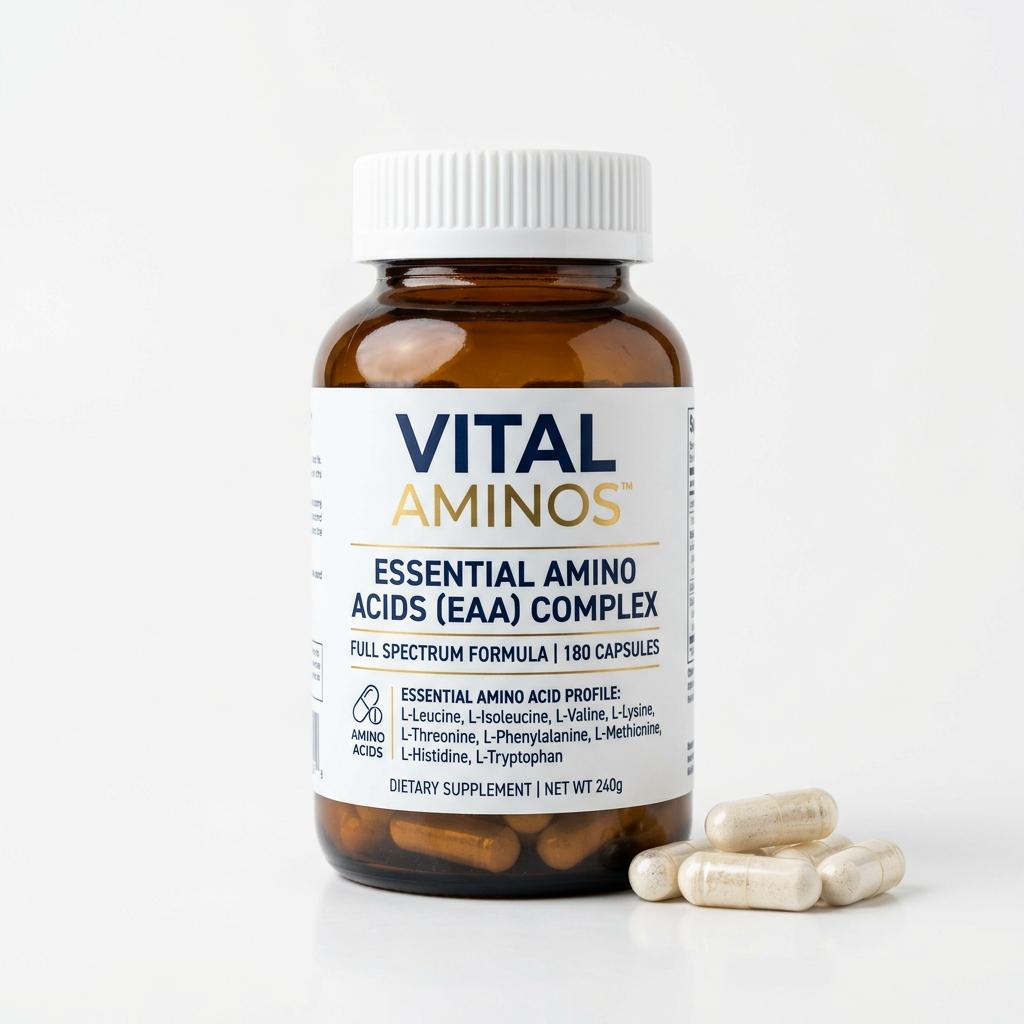 |
Thorne Amino Complex | $35-$42 | Best EAA Supplement | Check Price |
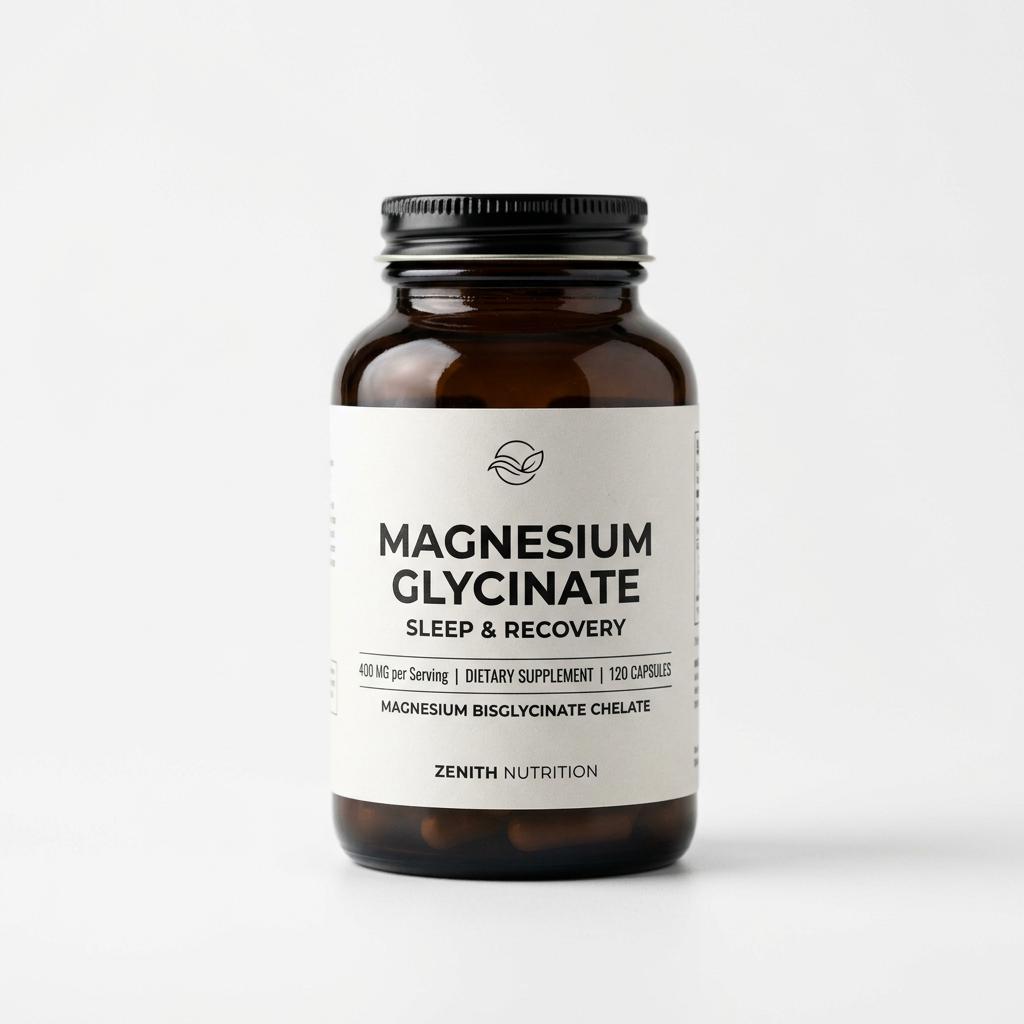 |
Nature Made Magnesium Glycinate | $15-$20 | Best Sleep Support | Check Price |
A clean BCAA and glutamine formula designed to support muscle preservation during fasted training sessions.
The best-selling BCAA powder that delivers muscle recovery support with zero calories for fasted training.
A zero-carb whey protein isolate that is perfect for breaking your fast with clean, rapidly absorbed protein.
A comprehensive essential amino acid supplement from a trusted brand that supports muscle protein synthesis during compressed eating windows.
A gentle, highly absorbable magnesium supplement that supports sleep quality and muscle recovery for fasting athletes.
For intermittent fasting athletes who train fasted, Transparent Labs BCAA + Glutamine provides amino acids that can help reduce muscle protein breakdown during the session. The 2:1:1 ratio of leucine, isoleucine, and valine provides the optimal BCAA profile, while the added glutamine supports recovery. The zero-calorie formula means it will not technically break a fast. While complete EAAs are theoretically superior, this BCAA formula is an excellent option for those who want to minimize any potential fast-breaking.
Check Price on Amazon
Xtend has been the best-selling BCAA brand for years, and for good reason. It delivers a clinically validated 7g dose of BCAAs in the optimal 2:1:1 ratio, plus electrolytes for hydration. The zero-calorie formula is perfect for fasted training. The NSF Certified for Sport designation means it is tested for banned substances, making it safe for competitive athletes. With over a dozen flavors available, there is something for every palate. For intermittent fasting gym-goers, Xtend is a reliable and affordable fasted-training companion.
Check Price on Amazon
Isopure Zero Carb is the ideal protein for breaking a fast post-workout. The whey protein isolate is rapidly absorbed, delivering amino acids to muscles when they need them most. With zero carbs and zero sugar, it is perfect for those combining intermittent fasting with ketogenic or low-carb approaches. The lactose-free formula means even those with dairy sensitivities can use it. The vanilla and dutch chocolate flavors mix smoothly and taste great. For IF athletes, having 50g of this protein within your eating window ensures adequate protein intake.
Check Price on Amazon
Thorne Amino Complex provides all nine essential amino acids, including the optimal dose of leucine needed to trigger muscle protein synthesis. For intermittent fasting athletes, this is particularly valuable because compressed eating windows can make it challenging to consume enough protein from whole foods alone. The NSF Certified for Sport designation ensures purity and safety. While the capsule form requires taking 4-8 pills for a full dose, the clinical quality of the ingredients justifies the inconvenience. Taking these during your eating window supports muscle preservation and growth.
Check Price on Amazon
Sleep quality can be affected by intermittent fasting, particularly when eating windows extend into the evening. Magnesium glycinate is the most bioavailable and gentle form of magnesium, supporting muscle relaxation and improved sleep quality without the laxative effect of magnesium oxide. For home gym athletes, adequate sleep is when the majority of muscle repair occurs. Taking 200-400mg of magnesium glycinate 1-2 hours before bed can improve both sleep onset and sleep depth. Nature Made is a trusted brand with USP verification, ensuring you get exactly what the label promises.
Check Price on Amazon