Complete Hydration Guide for Home Gym Athletes (2025)

Complete Hydration Guide for Home Gym Athletes (2025)

A science-based hydration guide for home gym users. Covers water intake, electrolyte needs, urine monitoring, workout hydration, dehydration signs, and tracking methods.

SnugGym Editorial Team Published

Complete Hydration Guide for Home Gym Athletes

Last updated: January 15, 2025

FTC Disclosure: SnugGym participates in the Amazon Associates Program. This guide contains affiliate links—purchases made through these links may earn us a commission at no cost to you.


Introduction: Water Is Your Most Important Nutrient

Water is the most abundant substance in the human body, comprising approximately 60% of total body weight in adult males and 55% in females. Every metabolic process, nutrient transport, temperature regulation mechanism, and cellular function depends on adequate hydration. For home gym athletes training hard in potentially less climate-controlled environments than commercial facilities, hydration isn't just important—it's a performance-critical variable that demands daily attention.

Research consistently demonstrates that even mild dehydration impairs athletic performance. A loss of just 2% of body weight through sweating is associated with decreased aerobic capacity, increased perceived exertion, reduced strength and power output, impaired thermoregulation, and compromised cognitive function including focus, decision-making, and reaction time.

For the home gym athlete, these impairments translate directly to worse workouts: missed reps, reduced training volume, slower recovery, and increased injury risk. A dehydrated muscle is a weak muscle. A dehydrated brain makes poor training decisions. And chronic under-hydration undermines the sleep quality and recovery that drive long-term progress.

This guide covers everything you need to know about hydration for home gym performance: water intake recommendations, electrolyte needs, monitoring methods, pre/during/post workout protocols, environmental factors, and practical tracking strategies.


Water Intake Recommendations for Athletes

Baseline Daily Hydration

The standard "8 glasses a day" (approximately 64oz or 1.9L) is a reasonable starting point for sedentary individuals but insufficient for athletes. Research and sports nutrition guidelines provide more specific recommendations:

National Academy of Medicine general recommendations:

  • Men: ~3.7L (125oz) total water per day from all sources
  • Women: ~2.7L (91oz) total water per day from all sources
  • Note: "Total water" includes water from food (~20% of intake) and beverages

American College of Sports Medicine (ACSM) exercise guidelines:

  • Consume 16-20oz (500-600ml) of water 2-3 hours before exercise
  • Consume 8-12oz (250-350ml) of water 10-20 minutes before exercise
  • During exercise: consume enough to prevent excessive dehydration (>2% body weight loss)

Practical daily targets for home gym athletes (training 45-90 minutes):

  • Minimum: 0.5-0.6oz per pound of body weight (33-40ml per kg)
  • Optimal: 0.6-0.7oz per pound of body weight (40-47ml per kg)
  • Heavy sweaters / hot environments: 0.7-1.0oz per pound (47-67ml per kg)

Examples:

  • 160lb (73kg) athlete: 100-110oz (3-3.3L) daily
  • 200lb (91kg) athlete: 120-140oz (3.5-4.2L) daily
  • 240lb (109kg) athlete: 145-170oz (4.3-5L) daily

Individual Variation Factors

Hydration needs vary significantly between individuals based on:

Body size: Larger individuals have higher absolute water requirements Sweat rate: Individual sweat rates vary enormously (0.5L to over 3L per hour of exercise) Training intensity and duration: Higher intensity and longer sessions increase sweat losses Environmental conditions: Heat, humidity, and altitude all increase fluid needs Diet: High-protein and high-sodium diets increase water needs; high-water-content foods (fruits, vegetables) contribute to hydration Caffeine and alcohol: Both have mild diuretic effects that increase fluid requirements Medications: Some medications affect fluid balance


Electrolyte Needs for Athletes

Water alone is insufficient for athletes who train intensely. Electrolytes—minerals that carry an electrical charge—are lost through sweat and must be replaced to maintain fluid balance, nerve function, muscle contraction, and cardiovascular stability.

Key Electrolytes for Athletes

Sodium: The primary electrolyte lost in sweat. Average sweat sodium concentration is 800-1,200mg per liter, but varies enormously (200mg to 2,000mg+ per liter) based on genetics and acclimatization. Sodium drives fluid retention and absorption in the intestine.

Potassium: Works with sodium to regulate fluid balance and muscle/nerve function. Found in many foods including bananas, potatoes, and leafy greens. Less concentrated in sweat than sodium but still important.

Magnesium: Involved in over 300 enzymatic reactions including muscle contraction and relaxation. Athletes often have higher magnesium needs due to losses through sweat and urine. See our magnesium supplement guide for detailed recommendations.

Calcium: Essential for muscle contraction and bone health. Present in sweat at lower concentrations than sodium but still relevant for heavy sweaters.

Chloride: Paired with sodium in sweat and stomach acid. Usually adequately replaced when sodium is addressed.

When to Use Electrolyte Supplements

Electrolyte supplementation is warranted when:

  • Training sessions exceed 60-75 minutes
  • Training in hot or humid environments (garage gyms in summer)
  • You notice salt crust on clothing or skin after training
  • You experience muscle cramps during or after training
  • You follow a low-sodium diet (rarely appropriate for athletes)
  • You train fasted in the morning (electrolyte depletion overnight)

Daily electrolyte intake targets for athletes:

  • Sodium: 2,000-4,000mg (higher end for heavy sweaters)
  • Potassium: 3,500-4,700mg
  • Magnesium: 400-600mg (supplemental, in addition to diet)
  • Calcium: 1,000-1,300mg

See our best electrolyte supplements guide for product recommendations.


Urine Color Monitoring: The Simplest Hydration Test

Urine color is the most practical day-to-day hydration assessment tool. The Armstrong urine color chart provides a validated 8-point scale:

Color Score Hydration Status Action
Pale straw 1-2 Well hydrated Maintain current intake
Light yellow 3 Normal hydration Slight increase may be beneficial
Bright yellow 4 Mildly dehydrated Increase fluid intake
Amber/honey 5-6 Dehydrated Increase fluid intake significantly
Dark amber 7 Very dehydrated Urgent rehydration needed
Brown 8 Severely dehydrated Seek medical attention

How to use urine color monitoring:

  • Check first morning urine as a baseline (will naturally be darker after overnight fast)
  • Check pre-workout urine to assess hydration status before training
  • Goal: pale yellow (score 1-3) for most of the day
  • Dark first-morning urine indicates insufficient previous-day hydration
  • Consistently clear urine may indicate overhydration (see below)

Limitations:

  • B-vitamin supplements can turn urine bright yellow regardless of hydration status
  • Certain foods (beets, asparagus) and medications affect urine color
  • Should be used in combination with other markers, not in isolation

Pre-Workout Hydration Protocol

2-3 Hours Before Training

Goal: Begin the hydration process well before your session starts.

  • Drink 16-20oz (500-600ml) of water
  • Add electrolytes if training in heat or if you're a heavy sweater
  • Include sodium with your pre-workout meal to promote fluid retention
  • Check urine color; should be light yellow

15-30 Minutes Before Training

Goal: Top off fluid status without causing gastric distress.

  • Drink 8-12oz (250-350ml) of water
  • If using a pre-workout supplement, mix with adequate water (8-12oz minimum)
  • Avoid chugging large volumes immediately before training—this can cause sloshing and discomfort
  • If fasted, consider an electrolyte drink for sodium and potassium

Pre-workout hydration mistakes to avoid:

  • Drinking nothing and starting training dehydrated
  • Chugging 32oz right before walking into the gym
  • Relying solely on pre-workout powder mixed in minimal water
  • Consuming excessive caffeine without adequate water (caffeine is a mild diuretic)

During-Workout Hydration Protocol

Sessions Under 45 Minutes

For most home gym sessions under 45 minutes in moderate temperatures, water alone is sufficient:

  • Sip 4-8oz of water every 15-20 minutes as needed
  • Drink to thirst; don't force excessive fluid intake
  • If you began the session well-hydrated, significant dehydration won't occur in 45 minutes

Sessions 45-90 Minutes

For longer sessions, especially in warm environments, add electrolytes:

  • Consume 8-12oz of fluid every 15-20 minutes
  • Include sodium (200-400mg per hour) through electrolyte supplements or salted foods
  • A sip-based approach (small, frequent sips) is better tolerated than large gulps
  • Consider a sports drink or electrolyte mix for the second half of the session

Sessions Over 90 Minutes

Extended training sessions require systematic hydration:

  • Target 16-24oz of fluid per hour
  • Replace sodium at 500-1,000mg per hour (based on individual sweat rate)
  • Weigh yourself before and after; replace 125-150% of weight lost
  • Alternate between water and electrolyte drinks

Practical During-Workout Tips

  • Keep your water bottle within arm's reach of your training area
  • Set a timer for hydration reminders if you tend to forget
  • Room-temperature water is often better tolerated than ice-cold water during intense training
  • If you feel thirsty, you're already slightly dehydrated—drink immediately

Post-Workout Hydration Protocol

Immediate (0-30 minutes post-workout)

Goal: Begin replacing fluid and electrolyte losses.

  • Drink 16-24oz (500-700ml) of water or electrolyte beverage
  • If you weighed yourself, replace 125-150% of weight lost (1lb lost = 20-24oz to drink)
  • Include sodium to promote fluid retention (electrolyte drink or salted meal)
  • Continue sipping over the next 2 hours rather than chugging immediately

The Next 2-4 Hours

Goal: Complete rehydration before your next meal or activity.

  • Continue drinking water with your post-workout meal
  • Include water-rich foods (fruits, vegetables, soups)
  • Monitor urine color; should return to pale yellow within 3-4 hours
  • If urine remains dark after 4 hours, increase fluid intake

Daily Recovery Hydration

Goal: Maintain optimal hydration status throughout the day.

  • Spread water intake across the day rather than consuming most at one time
  • Keep a water bottle visible and accessible in your home office or living space
  • Set hourly reminders if you tend to forget to drink
  • Include herbal teas and sparkling water for variety (both count toward hydration)
  • Limit alcohol, which impairs rehydration and recovery

Signs of Dehydration: Recognize Before Performance Suffers

Early Signs (1-2% body weight loss)

  • Thirst (already a lagging indicator)
  • Dark yellow urine
  • Slightly elevated heart rate for a given workload
  • Decreased urine frequency
  • Dry mouth and lips

Moderate Signs (2-4% body weight loss)

  • Noticeable decline in strength and power
  • Increased perceived exertion (weights feel heavier than normal)
  • Headache
  • Dizziness or lightheadedness, especially when standing
  • Reduced sweating despite continued exertion
  • Muscle cramps
  • Difficulty concentrating
  • Irritability

Severe Signs (4-6% body weight loss)

  • Significant weakness and fatigue
  • Nausea and vomiting
  • Rapid heartbeat
  • Confusion or disorientation
  • Cold, clammy skin
  • Medical attention required

If you experience moderate to severe dehydration signs during training:

  • Stop training immediately
  • Move to a cool environment
  • Sip electrolyte-containing fluids (sports drink, oral rehydration solution)
  • Lie down with legs elevated if dizzy
  • Seek medical attention if symptoms don't improve within 30 minutes

Overhydration and Hyponatremia Risks

While dehydration gets more attention, overhydration is a genuine risk—especially for athletes who drink plain water excessively without replacing electrolytes.

Exercise-associated hyponatremia occurs when blood sodium levels drop below 135 mmol/L due to excessive fluid intake diluting sodium concentration. This can cause:

  • Headache
  • Nausea and vomiting
  • Bloating and swelling
  • Confusion and seizures (in severe cases)
  • Potentially life-threatening cerebral edema

Risk factors:

  • Drinking excessive plain water during long training sessions
  • Low body weight (less dilution capacity)
  • Training longer than 4 hours
  • Consuming more than 1 liter of water per hour
  • Starting the session overhydrated

Prevention:

  • Don't force fluid intake beyond thirst during moderate-length sessions
  • Include sodium in fluids for sessions over 60 minutes
  • Weigh yourself; significant weight gain during training indicates overhydration
  • Monitor urine: consistently crystal-clear urine may indicate overhydration

Environmental Factors Affecting Hydration

Heat and Humidity

Home gym athletes training in garages, basements, or non-climate-controlled spaces face significant heat stress:

  • Heat increases sweat rate: Expect 50-100% more fluid loss in temperatures above 80°F
  • Humidity impairs evaporative cooling: Sweat doesn't evaporate efficiently above 60% humidity, reducing cooling and increasing sweat rate
  • Acclimatization: Regular heat exposure improves sweating efficiency over 7-14 days, but initial sessions require extra caution

Hot environment strategies:

  • Increase fluid intake by 25-50% in hot conditions
  • Use fans to improve evaporative cooling
  • Train during cooler parts of the day when possible
  • Take longer rest periods between sets
  • Wear moisture-wicking clothing
  • Consider moving training indoors on extreme heat days

Cold Environments

Cold-weather training (garage gyms in winter) also affects hydration:

  • Cold air holds less moisture, increasing respiratory water loss
  • Cold-induced diuresis increases urine output
  • Thirst sensation is blunted in cold weather
  • Layered clothing can cause significant sweating despite cold ambient temperatures

Cold environment strategies:

  • Don't reduce fluid intake just because it's cold
  • Warm fluids may be more appealing and better tolerated
  • Hydrate before heading to a cold garage gym
  • Be aware that you may still sweat significantly under layers

Altitude

Training at altitude (3,000+ feet) increases hydration needs:

  • Increased respiratory water loss due to dry air
  • Higher urine output in the first few days at altitude
  • Impaired thirst mechanism
  • Accelerated glycogen depletion

Altitude strategies:

  • Increase fluid intake by 25-50%
  • Monitor urine color more carefully (thirst is unreliable)
  • Include adequate carbohydrates
  • Allow 2-3 weeks for acclimatization

Practical Hydration Tracking Methods

Method 1: Body Weight Monitoring (Most Accurate)

  1. Weigh yourself nude or in minimal clothing before training
  2. Record the weight
  3. Train normally, tracking fluid intake during the session
  4. Weigh yourself again immediately post-workout (same conditions)
  5. Calculate fluid deficit: (Pre-weight - Post-weight) in pounds x 16oz = fluid deficit in ounces
  6. Add fluid consumed during training to deficit = total sweat loss
  7. Divide by training hours = sweat rate per hour

Example:

  • Pre-training weight: 180.0 lbs
  • Post-training weight: 178.5 lbs
  • Fluid consumed during training: 16oz
  • Fluid deficit: 1.5 lbs x 16oz = 24oz
  • Total sweat loss: 24oz + 16oz = 40oz
  • Training duration: 1.5 hours
  • Sweat rate: ~27oz per hour

Use this data: Target replacing ~80-90% of sweat losses during training for sessions over 60 minutes.

Method 2: Urine Color Tracking

  1. Check urine color first thing in the morning
  2. Check again mid-morning and pre-workout
  3. Record on a 1-8 scale
  4. Target average of 1-3 throughout the day
  5. If consistently 4+, increase baseline fluid intake by 16-24oz

Method 3: Simple Intake Tracking

  1. Use a measured water bottle (24oz or 32oz)
  2. Set a daily target based on body weight (0.6oz per pound)
  3. Track bottles consumed throughout the day
  4. Adjust target based on training days (higher) vs rest days (moderate)

Method 4: Habit-Based Approach

  1. Drink 16oz immediately upon waking
  2. Drink 8oz with each meal and snack (4-5x daily = 32-40oz)
  3. Drink 8oz every 15-20 minutes during training
  4. Drink 16oz with post-workout meal
  5. Drink 8oz before bed
  6. Total: 72-84oz baseline + training fluids

Hydration and Recovery

Sleep and Hydration

Dehydration impairs sleep quality:

  • Increased cortisol levels
  • Reduced melatonin production
  • More frequent nighttime awakenings
  • Dry mouth and nasal passages disrupting sleep

Evening hydration tips:

  • Front-load water intake earlier in the day
  • Taper fluid intake 2 hours before bed (to minimize bathroom trips)
  • Drink 8-12oz of water immediately before bed if you train in the evening
  • Keep water by the bed for overnight sipping

Hydration and Muscle Recovery

Muscle tissue is approximately 75% water. Dehydration impairs recovery through:

  • Reduced nutrient delivery to muscle tissue
  • Impaired removal of metabolic waste products
  • Decreased glycogen synthesis
  • Increased muscle protein breakdown
  • Elevated cortisol (catabolic hormone)

Post-training rehydration is recovery nutrition. Treat it with the same priority as protein and carbohydrates.


Bottom Line

Hydration is the most overlooked yet impactful nutritional factor for home gym performance. The guidelines are straightforward: drink 0.5-0.7oz per pound of body weight daily as a baseline, add electrolytes for sessions over 60 minutes, monitor urine color as a daily check, and systematically hydrate before, during, and after training. In hot home gym environments, increase intake by 25-50% and prioritize sodium replacement. Track your sweat rate at least once to personalize your hydration strategy. The performance difference between optimal and suboptimal hydration is measurable and meaningful—don't leave it to chance.

Individual hydration needs vary significantly. Those with kidney disease, heart conditions, or on diuretic medications should consult a healthcare provider for personalized hydration recommendations.

At a Glance: Our Top Picks

Image Product Price Badge Link
LMNT Zero-Sugar Electrolyte Drink Mix LMNT Zero-Sugar Electrolyte Drink Mix $39-$45 Best Overall Check Price
Nuun Sport Electrolyte Hydration Tablets Nuun Sport Electrolyte Hydration Tablets $7-$10 Best Budget Check Price
Ultima Replenisher Electrolyte Hydration Powder Ultima Replenisher Electrolyte Hydration Powder $25-$32 Best Sugar-Free Option Check Price
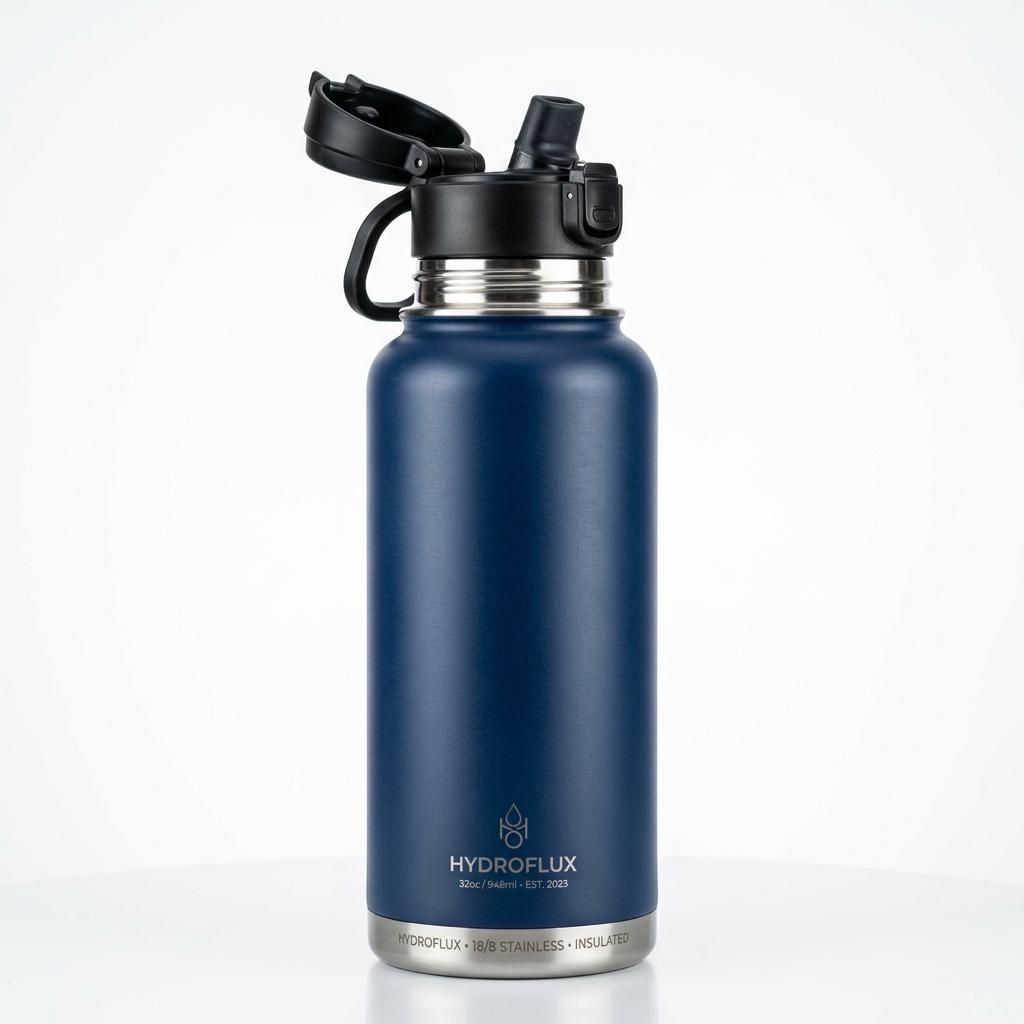
Hydro Flask 32oz Wide Mouth Water Bottle Hydro Flask 32oz Wide Mouth Water Bottle $35-$45 Best Water Bottle Check Price
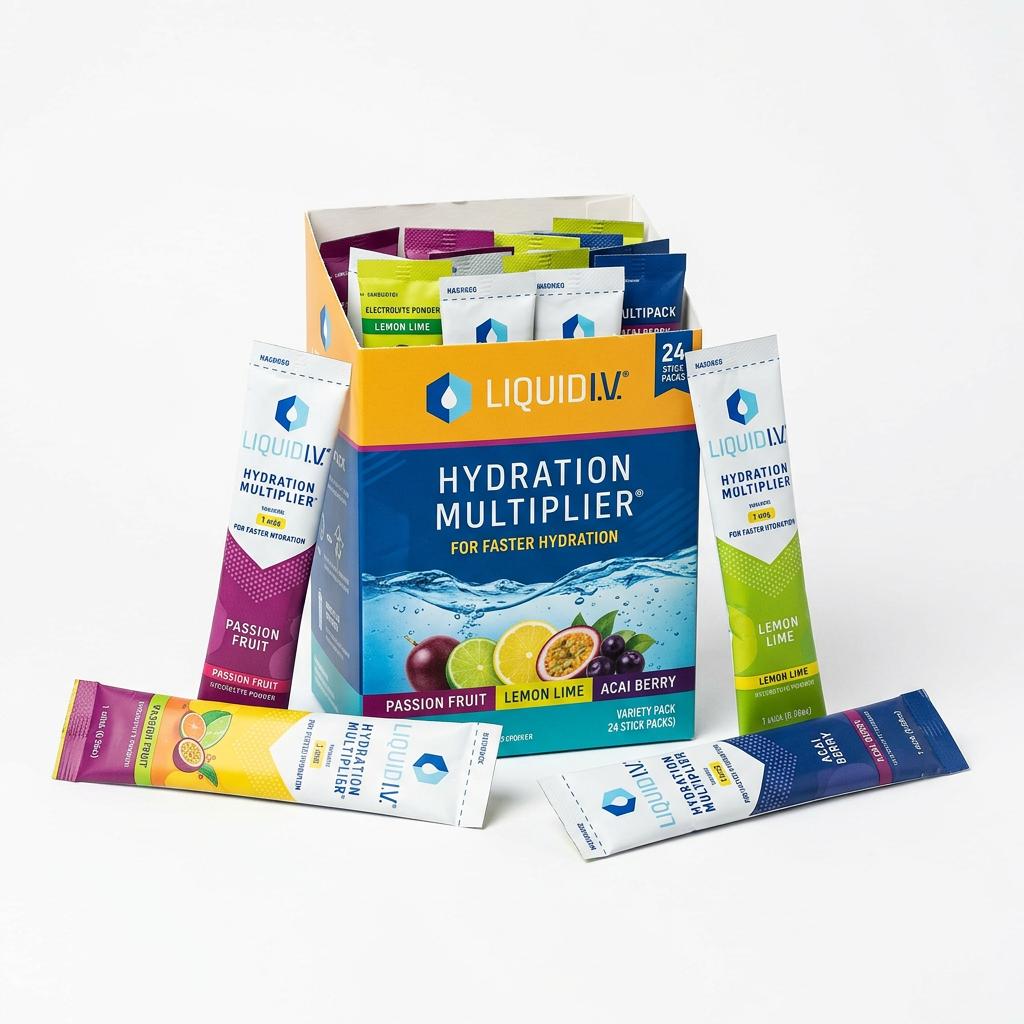
Liquid I.V. Hydration Multiplier Liquid I.V. Hydration Multiplier $20-$24 Most Convenient Check Price

Our Picks: Detailed Summaries

LMNT Zero-Sugar Electrolyte Drink Mix
#1

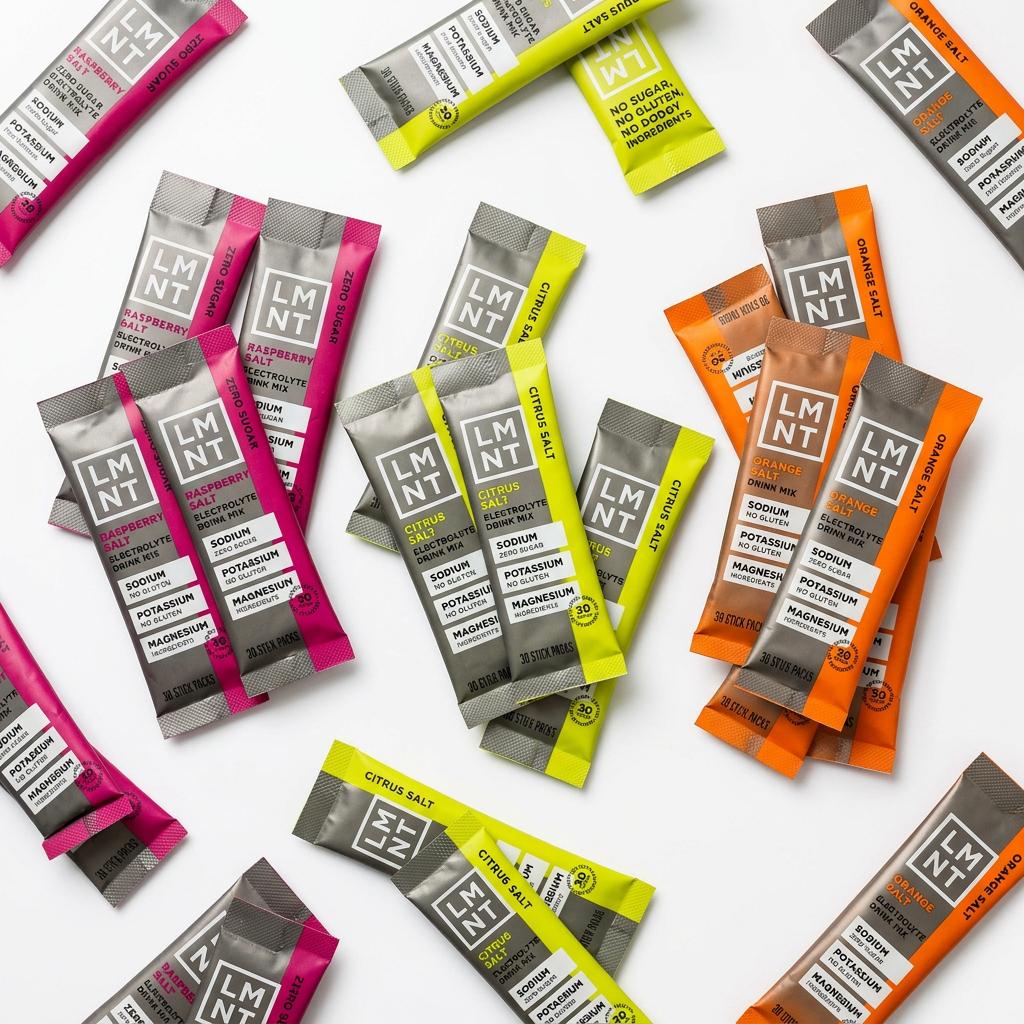
LMNT Zero-Sugar Electrolyte Drink Mix

Best Overall

The best electrolyte drink mix for home gym athletes who need serious sodium replacement without any sugar.

Nuun Sport Electrolyte Hydration Tablets
#2

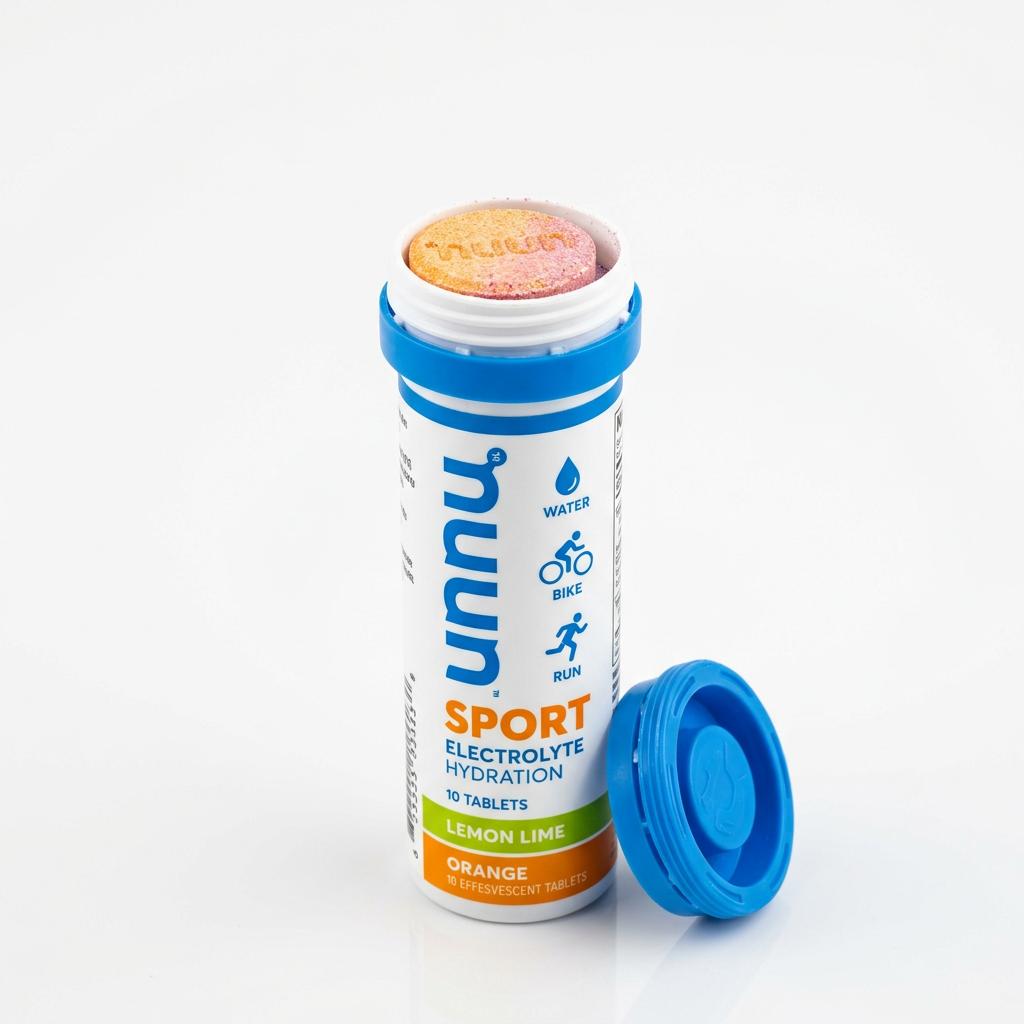
Nuun Sport Electrolyte Hydration Tablets

Best Budget

An affordable and convenient electrolyte tablet that is perfect for moderate-intensity home workouts.

Ultima Replenisher Electrolyte Hydration Powder
#3

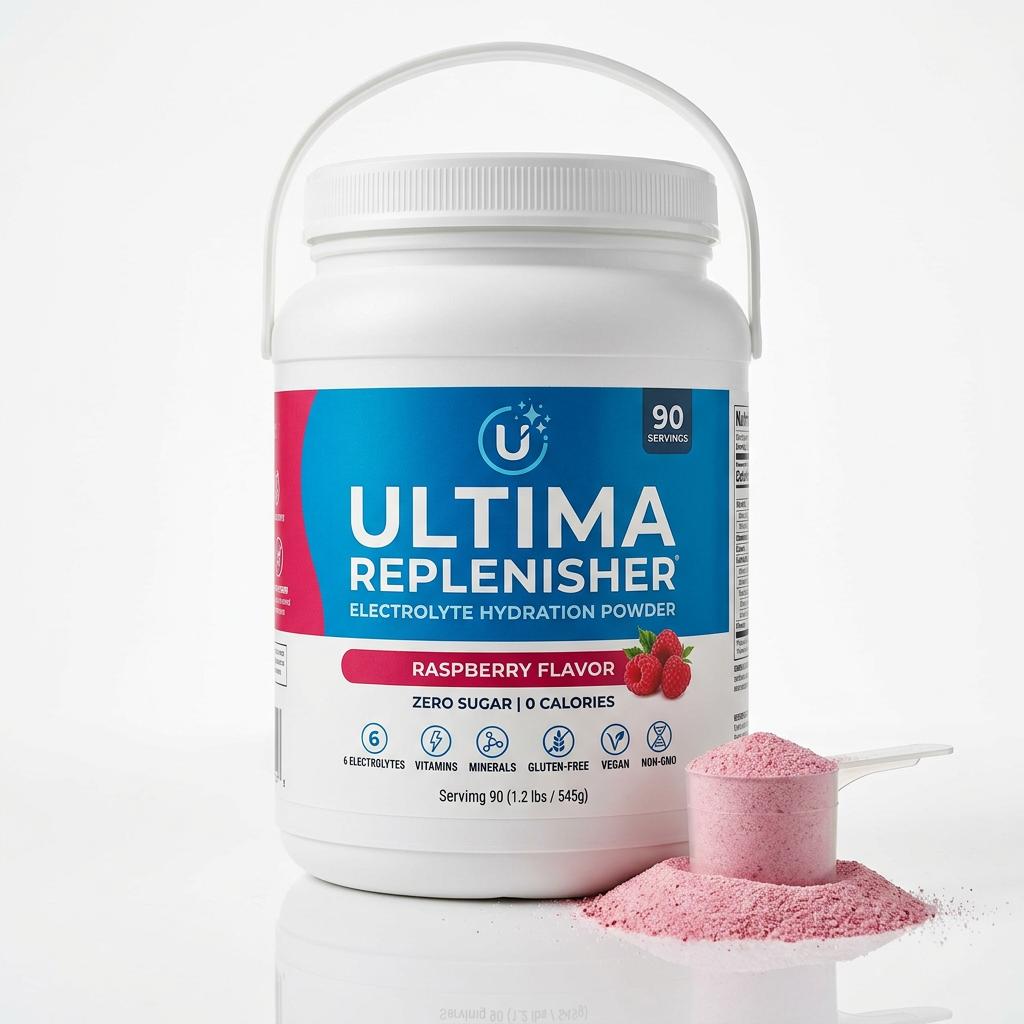
Ultima Replenisher Electrolyte Hydration Powder

Best Sugar-Free Option

A comprehensive sugar-free electrolyte powder that delivers exceptional value with 90 servings per container.

Hydro Flask 32oz Wide Mouth Water Bottle
#4

Hydro Flask 32oz Wide Mouth Water Bottle

Best Water Bottle

The ultimate insulated water bottle for home gym athletes who need their water ice-cold throughout long training sessions.

Liquid I.V. Hydration Multiplier
#5

Liquid I.V. Hydration Multiplier

Most Convenient

A highly effective hydration multiplier that uses cellular transport technology to deliver rapid fluid absorption.

Detailed Product Reviews

LMNT Zero-Sugar Electrolyte Drink Mix
#1

LMNT Zero-Sugar Electrolyte Drink Mix

Best Overall

Pros

  • 1,000mg sodium per packet for serious electrolyte replacement
  • Zero sugar and no artificial ingredients
  • Multiple delicious flavors including citrus and raspberry
  • Individual packets are gym-bag friendly

Cons

  • Higher sodium content may be too much for light sweaters
  • Premium price point compared to basic electrolyte drinks

LMNT has become the gold standard for electrolyte supplementation among serious athletes. Each packet delivers a potent 1,000mg of sodium alongside potassium and magnesium, making it ideal for high-intensity home gym sessions where sweat loss is significant. The zero-sugar formula means no insulin spike, and the natural flavors are genuinely enjoyable. For athletes training in garages or non-climate-controlled spaces, LMNT provides the electrolyte density needed to maintain performance and prevent cramping.

Check Price on Amazon
Nuun Sport Electrolyte Hydration Tablets
#2

Nuun Sport Electrolyte Hydration Tablets

Best Budget

Pros

  • Portable tablet format dissolves easily in water
  • Only 15 calories per serving
  • Added B-vitamins for energy support
  • Very affordable per-serving cost

Cons

  • Lower electrolyte concentration than premium options
  • Some flavors taste slightly artificial

Nuun Sport tablets offer an incredibly convenient way to stay hydrated during home workouts. The effervescent tablets dissolve quickly and provide a balanced blend of sodium, potassium, magnesium, and calcium. While the electrolyte content is lower than some premium options, it is perfectly adequate for most 45-90 minute strength training sessions. The portability is a major plus for home gym athletes who want a simple, no-mess hydration solution.

Check Price on Amazon
Ultima Replenisher Electrolyte Hydration Powder
#3

Ultima Replenisher Electrolyte Hydration Powder

Best Sugar-Free Option

Pros

  • 6 key electrolytes plus trace minerals
  • Plant-based colors and natural flavors
  • 90 servings per container is excellent value
  • Vegan and keto-friendly formula

Cons

  • Flavor can be mild for those used to sweeter drinks
  • Large tub takes up storage space

Ultima Replenisher stands out for its comprehensive electrolyte profile that goes beyond just sodium and potassium. The addition of magnesium, calcium, chloride, and phosphorus makes it a true full-spectrum hydration solution. With zero sugar and zero calories, it is ideal for athletes watching their caloric intake. The 90-serving container represents excellent long-term value, and the variety of fruit flavors keeps daily hydration from becoming monotonous.

Check Price on Amazon
Hydro Flask 32oz Wide Mouth Water Bottle
#4

Hydro Flask 32oz Wide Mouth Water Bottle

Best Water Bottle

Pros

  • Double-wall vacuum insulation keeps water cold for 24+ hours
  • 32oz capacity matches hourly hydration targets
  • Durable stainless steel construction
  • Wide mouth fits ice cubes and is easy to clean

Cons

  • Heavier than plastic bottles
  • Premium price for a water bottle

The Hydro Flask 32oz has become an essential part of our home gym setup. The vacuum insulation genuinely keeps water ice-cold for entire 90-minute training sessions, even in a hot garage gym. The 32oz capacity aligns perfectly with the recommended 16-24oz of fluid per hour for intense training. The wide mouth design makes it easy to add ice and clean thoroughly. While it is pricier than basic bottles, the durability and performance justify the investment for serious athletes.

Check Price on Amazon
Liquid I.V. Hydration Multiplier
#5

Liquid I.V. Hydration Multiplier

Most Convenient

Pros

  • Cellular Transport Technology for rapid absorption
  • 3x the electrolytes of traditional sports drinks
  • Individual stick packets are ultra-portable
  • 5 essential vitamins included

Cons

  • Contains 11g of sugar per serving
  • Higher calorie content than sugar-free alternatives

Liquid I.V. has earned its popularity through genuine effectiveness. The Cellular Transport Technology, which uses a specific ratio of sodium, glucose, and potassium, does appear to accelerate hydration compared to water alone. For home gym athletes doing high-volume sessions, this can mean faster rehydration between sets. The individual stick packets are incredibly convenient for gym bags. The main drawback is the 11g of sugar per serving, which may not align with every nutritional strategy.

Check Price on Amazon