Best Adaptogen Supplements 2026: 5 Tested for Stress & Recovery
Tested 5 adaptogenic supplements for stress management and recovery. KSM-66 Ashwagandha wins for research backing and ef...
A science-based hydration guide for home gym users. Covers water intake, electrolyte needs, urine monitoring, workout hydration, dehydration signs, and tracking methods.
Last updated: January 15, 2025
FTC Disclosure: SnugGym participates in the Amazon Associates Program. This guide contains affiliate links—purchases made through these links may earn us a commission at no cost to you.
Water is the most abundant substance in the human body, comprising approximately 60% of total body weight in adult males and 55% in females. Every metabolic process, nutrient transport, temperature regulation mechanism, and cellular function depends on adequate hydration. For home gym athletes training hard in potentially less climate-controlled environments than commercial facilities, hydration isn't just important—it's a performance-critical variable that demands daily attention.
Research consistently demonstrates that even mild dehydration impairs athletic performance. A loss of just 2% of body weight through sweating is associated with decreased aerobic capacity, increased perceived exertion, reduced strength and power output, impaired thermoregulation, and compromised cognitive function including focus, decision-making, and reaction time.
For the home gym athlete, these impairments translate directly to worse workouts: missed reps, reduced training volume, slower recovery, and increased injury risk. A dehydrated muscle is a weak muscle. A dehydrated brain makes poor training decisions. And chronic under-hydration undermines the sleep quality and recovery that drive long-term progress.
This guide covers everything you need to know about hydration for home gym performance: water intake recommendations, electrolyte needs, monitoring methods, pre/during/post workout protocols, environmental factors, and practical tracking strategies.
The standard "8 glasses a day" (approximately 64oz or 1.9L) is a reasonable starting point for sedentary individuals but insufficient for athletes. Research and sports nutrition guidelines provide more specific recommendations:
National Academy of Medicine general recommendations:
American College of Sports Medicine (ACSM) exercise guidelines:
Practical daily targets for home gym athletes (training 45-90 minutes):
Examples:
Hydration needs vary significantly between individuals based on:
Body size: Larger individuals have higher absolute water requirements Sweat rate: Individual sweat rates vary enormously (0.5L to over 3L per hour of exercise) Training intensity and duration: Higher intensity and longer sessions increase sweat losses Environmental conditions: Heat, humidity, and altitude all increase fluid needs Diet: High-protein and high-sodium diets increase water needs; high-water-content foods (fruits, vegetables) contribute to hydration Caffeine and alcohol: Both have mild diuretic effects that increase fluid requirements Medications: Some medications affect fluid balance
Water alone is insufficient for athletes who train intensely. Electrolytes—minerals that carry an electrical charge—are lost through sweat and must be replaced to maintain fluid balance, nerve function, muscle contraction, and cardiovascular stability.
Sodium: The primary electrolyte lost in sweat. Average sweat sodium concentration is 800-1,200mg per liter, but varies enormously (200mg to 2,000mg+ per liter) based on genetics and acclimatization. Sodium drives fluid retention and absorption in the intestine.
Potassium: Works with sodium to regulate fluid balance and muscle/nerve function. Found in many foods including bananas, potatoes, and leafy greens. Less concentrated in sweat than sodium but still important.
Magnesium: Involved in over 300 enzymatic reactions including muscle contraction and relaxation. Athletes often have higher magnesium needs due to losses through sweat and urine. See our magnesium supplement guide for detailed recommendations.
Calcium: Essential for muscle contraction and bone health. Present in sweat at lower concentrations than sodium but still relevant for heavy sweaters.
Chloride: Paired with sodium in sweat and stomach acid. Usually adequately replaced when sodium is addressed.
Electrolyte supplementation is warranted when:
Daily electrolyte intake targets for athletes:
See our best electrolyte supplements guide for product recommendations.
Urine color is the most practical day-to-day hydration assessment tool. The Armstrong urine color chart provides a validated 8-point scale:
| Color | Score | Hydration Status | Action |
|---|---|---|---|
| Pale straw | 1-2 | Well hydrated | Maintain current intake |
| Light yellow | 3 | Normal hydration | Slight increase may be beneficial |
| Bright yellow | 4 | Mildly dehydrated | Increase fluid intake |
| Amber/honey | 5-6 | Dehydrated | Increase fluid intake significantly |
| Dark amber | 7 | Very dehydrated | Urgent rehydration needed |
| Brown | 8 | Severely dehydrated | Seek medical attention |
How to use urine color monitoring:
Limitations:
Goal: Begin the hydration process well before your session starts.
Goal: Top off fluid status without causing gastric distress.
Pre-workout hydration mistakes to avoid:
For most home gym sessions under 45 minutes in moderate temperatures, water alone is sufficient:
For longer sessions, especially in warm environments, add electrolytes:
Extended training sessions require systematic hydration:
Goal: Begin replacing fluid and electrolyte losses.
Goal: Complete rehydration before your next meal or activity.
Goal: Maintain optimal hydration status throughout the day.
If you experience moderate to severe dehydration signs during training:
While dehydration gets more attention, overhydration is a genuine risk—especially for athletes who drink plain water excessively without replacing electrolytes.
Exercise-associated hyponatremia occurs when blood sodium levels drop below 135 mmol/L due to excessive fluid intake diluting sodium concentration. This can cause:
Risk factors:
Prevention:
Home gym athletes training in garages, basements, or non-climate-controlled spaces face significant heat stress:
Hot environment strategies:
Cold-weather training (garage gyms in winter) also affects hydration:
Cold environment strategies:
Training at altitude (3,000+ feet) increases hydration needs:
Altitude strategies:
Example:
Use this data: Target replacing ~80-90% of sweat losses during training for sessions over 60 minutes.
Dehydration impairs sleep quality:
Evening hydration tips:
Muscle tissue is approximately 75% water. Dehydration impairs recovery through:
Post-training rehydration is recovery nutrition. Treat it with the same priority as protein and carbohydrates.
Hydration is the most overlooked yet impactful nutritional factor for home gym performance. The guidelines are straightforward: drink 0.5-0.7oz per pound of body weight daily as a baseline, add electrolytes for sessions over 60 minutes, monitor urine color as a daily check, and systematically hydrate before, during, and after training. In hot home gym environments, increase intake by 25-50% and prioritize sodium replacement. Track your sweat rate at least once to personalize your hydration strategy. The performance difference between optimal and suboptimal hydration is measurable and meaningful—don't leave it to chance.
Individual hydration needs vary significantly. Those with kidney disease, heart conditions, or on diuretic medications should consult a healthcare provider for personalized hydration recommendations.
| Image | Product | Price | Badge | Link |
|---|---|---|---|---|
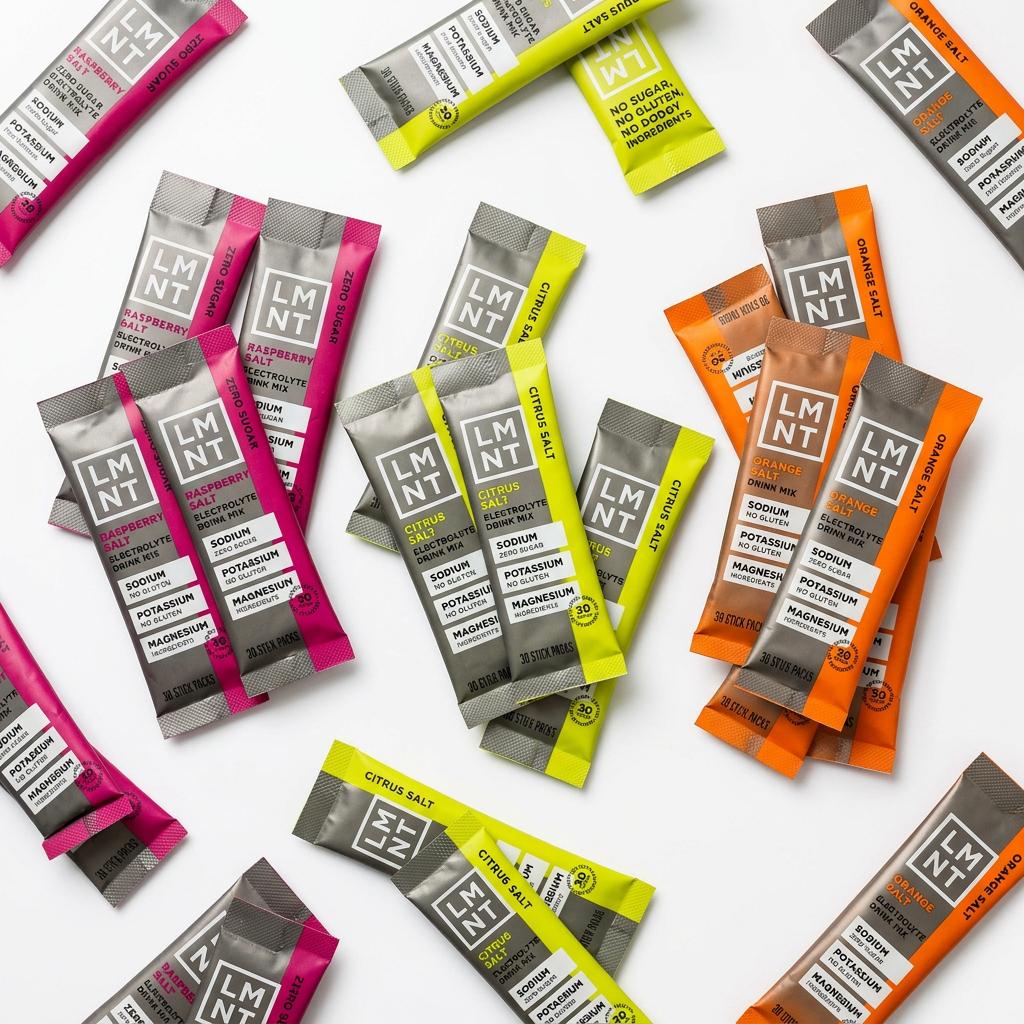 |
LMNT Zero-Sugar Electrolyte Drink Mix | $39-$45 | Best Overall | Check Price |
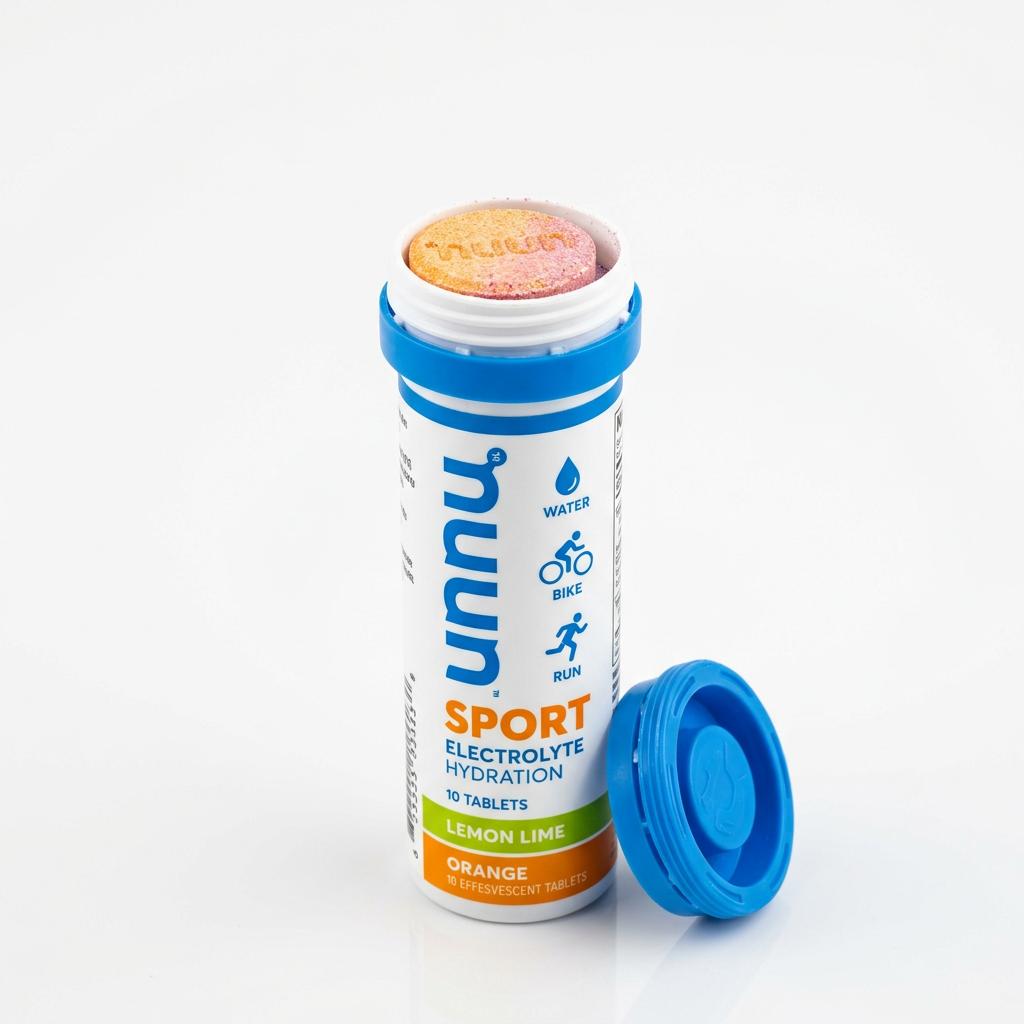 |
Nuun Sport Electrolyte Hydration Tablets | $7-$10 | Best Budget | Check Price |
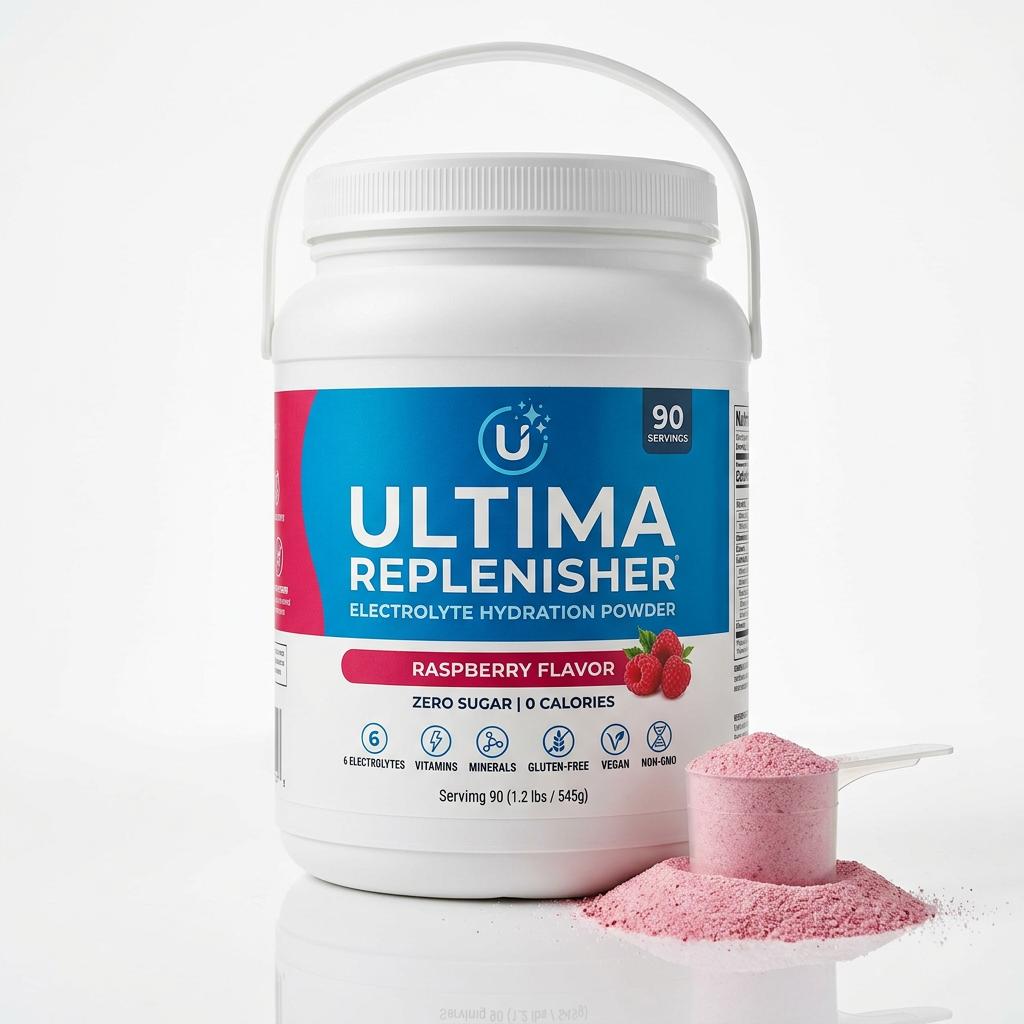 |
Ultima Replenisher Electrolyte Hydration Powder | $25-$32 | Best Sugar-Free Option | Check Price |
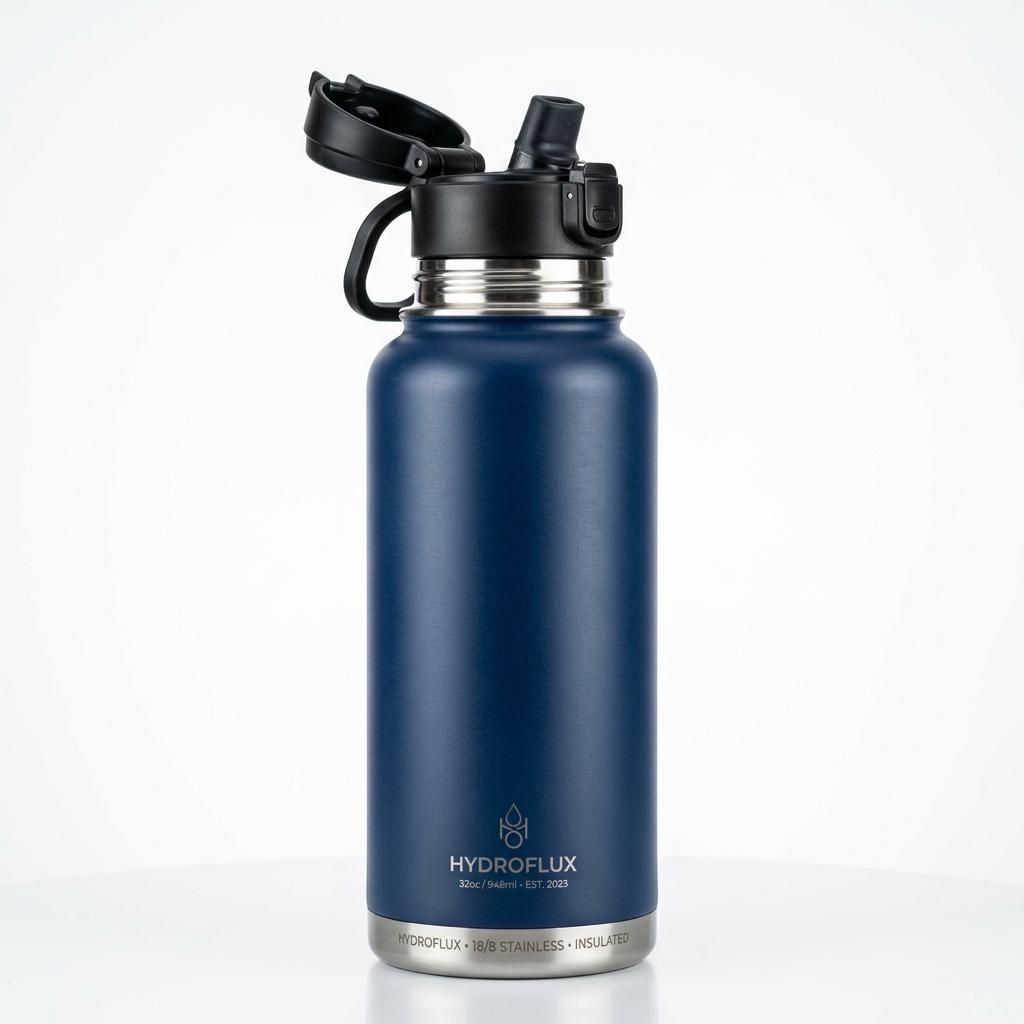 |
Hydro Flask 32oz Wide Mouth Water Bottle | $35-$45 | Best Water Bottle | Check Price |
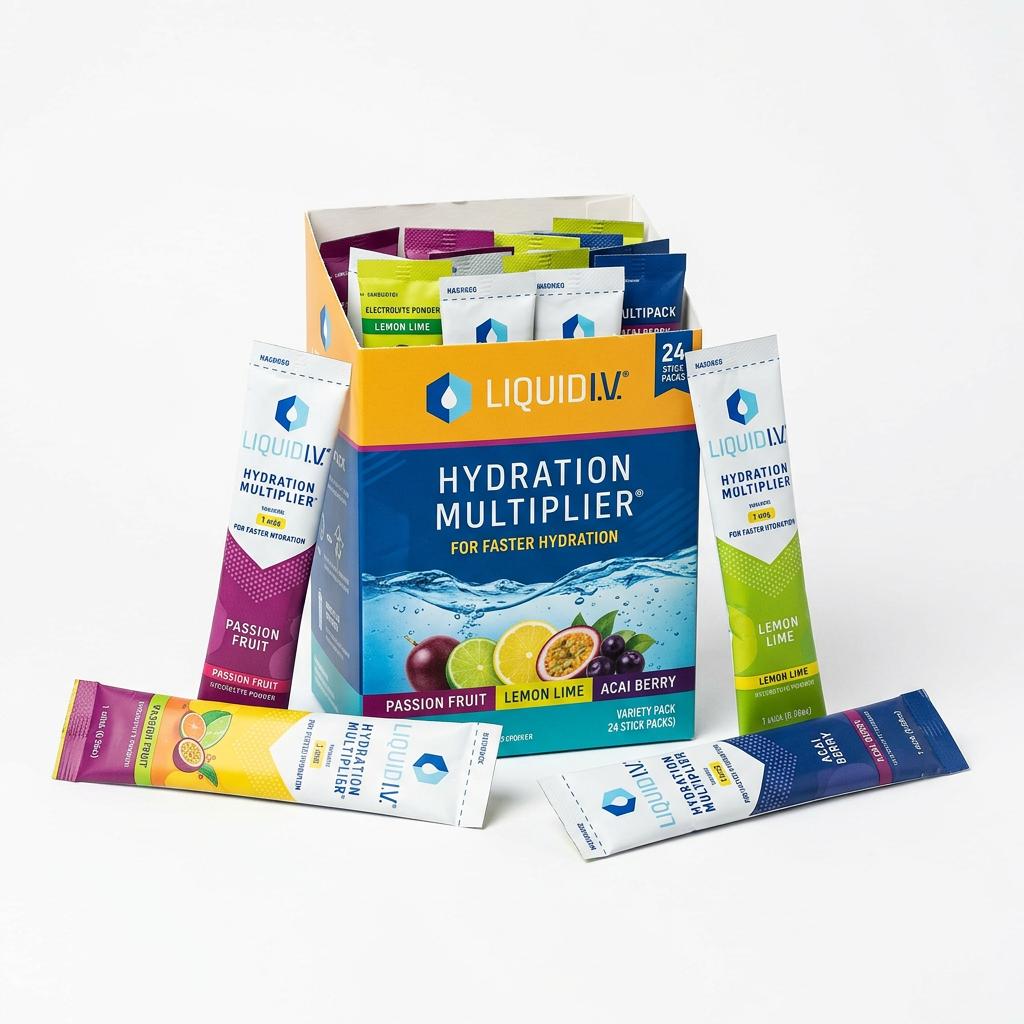 |
Liquid I.V. Hydration Multiplier | $20-$24 | Most Convenient | Check Price |
The best electrolyte drink mix for home gym athletes who need serious sodium replacement without any sugar.
An affordable and convenient electrolyte tablet that is perfect for moderate-intensity home workouts.
A comprehensive sugar-free electrolyte powder that delivers exceptional value with 90 servings per container.
The ultimate insulated water bottle for home gym athletes who need their water ice-cold throughout long training sessions.
A highly effective hydration multiplier that uses cellular transport technology to deliver rapid fluid absorption.
LMNT has become the gold standard for electrolyte supplementation among serious athletes. Each packet delivers a potent 1,000mg of sodium alongside potassium and magnesium, making it ideal for high-intensity home gym sessions where sweat loss is significant. The zero-sugar formula means no insulin spike, and the natural flavors are genuinely enjoyable. For athletes training in garages or non-climate-controlled spaces, LMNT provides the electrolyte density needed to maintain performance and prevent cramping.
Check Price on Amazon
Nuun Sport tablets offer an incredibly convenient way to stay hydrated during home workouts. The effervescent tablets dissolve quickly and provide a balanced blend of sodium, potassium, magnesium, and calcium. While the electrolyte content is lower than some premium options, it is perfectly adequate for most 45-90 minute strength training sessions. The portability is a major plus for home gym athletes who want a simple, no-mess hydration solution.
Check Price on Amazon
Ultima Replenisher stands out for its comprehensive electrolyte profile that goes beyond just sodium and potassium. The addition of magnesium, calcium, chloride, and phosphorus makes it a true full-spectrum hydration solution. With zero sugar and zero calories, it is ideal for athletes watching their caloric intake. The 90-serving container represents excellent long-term value, and the variety of fruit flavors keeps daily hydration from becoming monotonous.
Check Price on Amazon
The Hydro Flask 32oz has become an essential part of our home gym setup. The vacuum insulation genuinely keeps water ice-cold for entire 90-minute training sessions, even in a hot garage gym. The 32oz capacity aligns perfectly with the recommended 16-24oz of fluid per hour for intense training. The wide mouth design makes it easy to add ice and clean thoroughly. While it is pricier than basic bottles, the durability and performance justify the investment for serious athletes.
Check Price on Amazon
Liquid I.V. has earned its popularity through genuine effectiveness. The Cellular Transport Technology, which uses a specific ratio of sodium, glucose, and potassium, does appear to accelerate hydration compared to water alone. For home gym athletes doing high-volume sessions, this can mean faster rehydration between sets. The individual stick packets are incredibly convenient for gym bags. The main drawback is the 11g of sugar per serving, which may not align with every nutritional strategy.
Check Price on Amazon