Best Adaptogen Supplements 2026: 5 Tested for Stress & Recovery
Tested 5 adaptogenic supplements for stress management and recovery. KSM-66 Ashwagandha wins for research backing and ef...
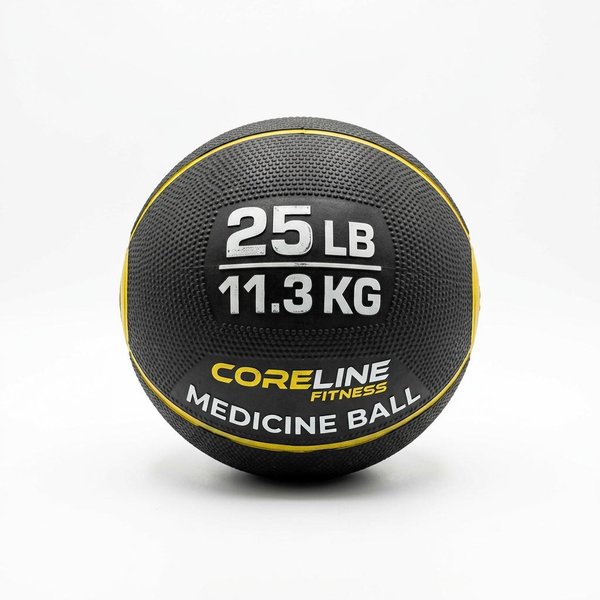
Science-based hydration guide for home gym training. Learn how to assess fluid needs, optimize electrolyte intake, time hydration around workouts, and avoid common hydration mistakes.
Hydration status is among the most modifiable factors affecting exercise performance, yet it receives less attention than training programming, nutrition, and supplementation. For home gym users training without the structured environment of commercial facilities — where water fountains, vending machines, and coaching reminders are ubiquitous — establishing intentional hydration protocols becomes essential. Our evidence-based guide covers the physiology of exercise hydration, assessment methods, practical strategies, and product selection for home training contexts.
Key Principle: Even mild dehydration (1–2% body weight loss) impairs strength, power, endurance, and cognitive function. Home gym users often train in less climate-controlled environments (garages, spare rooms without commercial HVAC), potentially increasing sweat losses compared to commercial gym training. Proactive hydration planning is not optional for optimal performance.
| Function | Mechanism | Performance Impact When Compromised |
|---|---|---|
| Thermoregulation | Sweat evaporation dissipates metabolic heat | Overheating; reduced exercise tolerance; heat illness risk |
| Cardiovascular function | Maintains plasma volume for cardiac output | Reduced oxygen delivery; increased heart rate at given workload |
| Joint lubrication | Synovial fluid maintenance | Joint discomfort; reduced range of motion |
| Nutrient transport | Blood flow to working muscles | Reduced substrate delivery; slower metabolite clearance |
| Muscle contraction | Cellular hydration maintains contractile function | Reduced strength; increased cramping risk |
| Cognitive function | Brain hydration maintains focus and decision-making | Reduced concentration; impaired technique; safety risk |
Individual sweat rates vary enormously based on multiple factors:
| Factor | Effect on Sweat Rate | Magnitude |
|---|---|---|
| Exercise intensity | Higher intensity = greater metabolic heat production | 2–3× increase from low to high intensity |
| Environmental temperature | Hot environments increase sweating | 50–100% increase per 10°C (18°F) rise |
| Environmental humidity | High humidity reduces evaporative cooling, increasing sweat requirement | 20–40% increase in humid vs. dry conditions at same temperature |
| Body size | Larger individuals produce more metabolic heat | Proportional to body surface area and mass |
| Fitness level (acclimatization) | Trained individuals sweat earlier and more profusely | 10–30% higher sweat rate in trained vs. untrained |
| Genetics | Sweat gland density and response vary | Up to 5× difference between individuals in same conditions |
| Clothing/equipment | Non-breathable fabrics trap heat | Variable; can increase sweat rate 10–20% |
Typical sweat rates during exercise:
| Dehydration Level | Strength Impact | Power Impact | Mechanism |
|---|---|---|---|
| <1% body weight loss | Negligible | Negligible | Compensated by normal homeostatic mechanisms |
| 1–2% body weight loss | Small decrease (−2 to −5%) | Small decrease (−2 to −5%) | Reduced plasma volume; increased cardiovascular strain |
| 2–3% body weight loss | Moderate decrease (−5 to −10%) | Moderate decrease (−5 to −10%) | Significant plasma volume reduction; impaired thermoregulation |
| >3% body weight loss | Large decrease (−10 to −15%) | Large decrease (−10 to −20%) | Severe cardiovascular strain; CNS impairment; safety risk |
Sources: Cheuvront et al. (2003) MSSE; Judelson et al. (2007) MSSE.
Key finding for home gym users: A 2% dehydration level for an 80 kg (176 lb) individual represents only 1.6 kg (3.5 lb) of fluid loss — achievable in 45–90 minutes of moderate-to-high intensity training in a warm environment. This is easily overlooked when focused on training rather than fluid replacement.
Dehydration impairs endurance performance more dramatically than strength:
| Dehydration Level | Endurance Impact |
|---|---|
| 1% | 2–5% performance decrement |
| 2% | 5–10% performance decrement |
| 3% | 10–15% performance decrement; significant thermoregulatory impairment |
| 4%+ | 15–25% performance decrement; heat illness risk |
Dehydration impairs concentration, reaction time, and decision-making — all critical for exercise safety, particularly when training alone without spotters:
| Cognitive Function | Effect of 1–2% Dehydration |
|---|---|
| Attention/focus | Reduced sustained attention |
| Reaction time | Slowed by 5–10% |
| Motor skill accuracy | Decreased fine motor control |
| Perceived exertion | Increased (exercise feels harder) |
| Mood state | Increased fatigue, confusion, tension |
The most practical approach to individualizing hydration strategy:
Protocol:
Sweat rate (L/hr) = (Pre-weight − Post-weight) in kg
(1 kg weight loss ≈ 1 liter of sweat)
Example: Pre-weight: 80.0 kg. Post-weight: 78.8 kg after 60 minutes. Sweat rate = 1.2 L/hr.
| Measured Sweat Rate | Classification | 60-Minute Fluid Replacement Need |
|---|---|---|
| <0.5 L/hr | Low | 0.3–0.5 liters |
| 0.5–1.0 L/hr | Moderate | 0.5–0.8 liters |
| 1.0–1.5 L/hr | High | 0.8–1.2 liters |
| 1.5–2.0 L/hr | Very high | 1.2–1.6 liters |
| >2.0 L/hr | Extremely high | 1.5+ liters; consider environmental modification |
| Indicator | Well-Hydrated | Mild Dehydration | Significant Dehydration |
|---|---|---|---|
| Urine color | Pale yellow (straw) | Yellow | Dark yellow/amber |
| Urine frequency | Every 2–3 hours | Reduced | Infrequent |
| Urine volume | Moderate to large | Small | Very small |
Note: Urine color can be influenced by B-vitamin supplementation (bright yellow), certain foods (beets), and medications. Use as a general guide, not absolute metric.
| Timing | Fluid Volume | Composition | Notes |
|---|---|---|---|
| 2–4 hours before | 5–7 mL/kg body weight (350–500 mL for 70 kg) | Water or dilute electrolyte | Allows time for absorption and excess elimination |
| 10–20 minutes before | 150–250 mL | Water | Top-off hydration without stomach fullness |
Example for 75 kg individual:
| Session Duration | Hydration Strategy | Rationale |
|---|---|---|
| <30 minutes | Generally unnecessary if pre-hydrated | Minimal fluid loss in short sessions |
| 30–60 minutes | 150–300 mL every 15–20 minutes for moderate-to-high sweaters | Replace 50–75% of sweat losses |
| 60–90 minutes | 150–300 mL every 15–20 minutes; add electrolytes if high sweat rate | Sodium replacement becomes important |
| 90+ minutes | 150–300 mL every 15–20 minutes with electrolytes and possibly carbohydrates | Glycogen depletion and significant sodium loss |
Practical tip: Set a timer on your phone for 15–20 minute intervals during longer sessions. Home gym users lack the natural break points of commercial gym water fountains — the timer prevents forgetting to drink.
| Goal | Protocol | Notes |
|---|---|---|
| Replace sweat losses | 150% of measured weight loss over 2–4 hours | The 150% accounts for obligatory urine losses during rehydration |
| Rapid rehydration | Include sodium (electrolytes or food) | Sodium enhances fluid retention and drives thirst |
| Speed of replacement | Drink gradually rather than chugging | Better absorption; reduced urine output |
Example: You lost 1.0 kg during a 75-minute session. Rehydration target: 1.5 liters over 3–4 hours, including sodium source.
Sodium is the most abundant electrolyte in sweat and the most critical for exercise performance:
| Factor | Typical Range | Notes |
|---|---|---|
| Sweat sodium concentration | 200–2,000 mg/L (highly individual) | "Salty sweaters" lose more; visible salt stains on clothing indicate high losses |
| Daily sodium requirement (sedentary) | 1,500 mg | Easily met through normal diet |
| Exercise sodium replacement need | 200–1,000+ mg/hour | Depends on sweat rate and concentration |
When sodium replacement matters:
| Electrolyte | Role in Exercise | Replacement Need |
|---|---|---|
| Potassium | Muscle contraction, nerve function | Generally met through diet; minimal sweat loss |
| Magnesium | Muscle relaxation, energy metabolism | May benefit cramp-prone individuals; evidence mixed |
| Calcium | Muscle contraction, bone health | Minimal exercise-related depletion |
| Chloride | Companion to sodium; fluid balance | Replaced with sodium |
| Product Type | Sodium per Serving | Carbohydrates | Best For |
|---|---|---|---|
| Plain water | 0 mg | 0 g | Sessions <60 min; low sweaters |
| Sports drink (Gatorade, Powerade) | 100–200 mg | 15–25 g | Sessions 60–90 min; moderate intensity |
| Electrolyte tablets (Nuun, Hammer) | 150–350 mg | 0–4 g | Any duration; customizable; low calorie |
| Electrolyte powder (LMNT, Liquid IV) | 500–1,000 mg | 0–12 g | High sweaters; hot environments; cramp prevention |
| Coconut water | 250–400 mg | 6–10 g | Natural option; modest electrolyte content |
| Homemade (salt + lemon + water) | Customizable | 0 g | Cost-effective; full control over composition |
Recipe — Basic homemade electrolyte drink:
Check price at Amazon — electrolyte drink tablets
| Home Gym Location | Typical Challenge | Hydration Adaptation |
|---|---|---|
| Garage (no climate control) | Extreme heat in summer; cold in winter | Additional 200–500 mL/hr in summer; pre-cool with cold fluids |
| Basement | Cool but potentially humid; poor ventilation | May not feel like you're sweating; monitor weight changes |
| Spare bedroom | Standard HVAC; may be warmer than rest of house | Standard protocols usually adequate |
| Outdoor (patio, backyard) | Direct sun exposure; variable conditions | Shade when possible; increase fluids 20–30% in direct sun |
| Item | Purpose | Recommendation |
|---|---|---|
| Large water bottle or jug (1–2 L) | Reduce refill friction during workouts | Keep within arm's reach of training area |
| Insulated bottle | Maintain cold temperature preference | Hydro Flask, Yeti, or similar |
| Electrolyte supply | Convenient access for longer sessions | Tub of powder or container of tablets near training area |
| Small refrigerator or cooler | Cold drinks without leaving training space | Mini-fridge if space/budget allows; otherwise insulated container with ice |
| Scale | Pre/post workout sweat rate monitoring | Digital scale in or near gym |
| Towel | Wipe sweat; reduce evaporative cooling if overheating | Multiple towels for long sessions |
| Mistake | Why It Happens | Consequence | Correction |
|---|---|---|---|
| Drinking only when thirsty | Thirst is a lagging indicator; delayed response to dehydration | Already 1–2% dehydrated when thirst hits | Scheduled drinking intervals; pre-hydration |
| Overhydration (hyponatremia) | "More is better" mentality; excessive plain water intake during long events | Dilutional hyponatremia; potentially fatal | Match intake to measured losses; include electrolytes for long sessions |
| Ignoring electrolytes in hot conditions | Focus on water only; lack of awareness | Muscle cramps; reduced performance; heat illness risk | Add sodium for sessions >60 min in heat |
| Training dehydrated (morning fasted) | Overnight fluid loss without replacement; intentional dehydration for physique goals | Impaired performance; increased cardiovascular strain | Pre-hydrate with 300–500 mL upon waking |
| Alcohol consumption before/after training | Social drinking adjacent to training hours | Diuretic effect; impaired recovery; poor sleep | Avoid alcohol within 4–6 hours of training |
| Excessive caffeine without compensatory fluids | Pre-workout supplements; coffee | Mild diuretic effect at high doses; individual variation | Moderate caffeine; additional water if sensitive |
| Approach | Hydration Protocol | Notes |
|---|---|---|
| Upon waking | 300–500 mL water immediately | Replace overnight fluid losses |
| Pre-workout (15–20 min) | Additional 200 mL | Light hydration without stomach discomfort |
| During workout | Standard protocol based on duration | Electrolytes if >45 minutes |
| Post-workout | Rehydrate fully before first meal | 500+ mL with electrolytes |
HIIT generates high sweat rates in short periods:
Strength training generates less metabolic heat than continuous cardio but still produces significant sweating in warm environments:
As an Amazon Associate we earn from qualifying purchases. Hydration recommendations based on ACSM, NATA, and IOC position stands on exercise fluid replacement. Affiliate links on this page use the tag snuggym0626-20.
| Image | Product | Price | Badge | Link |
|---|---|---|---|---|
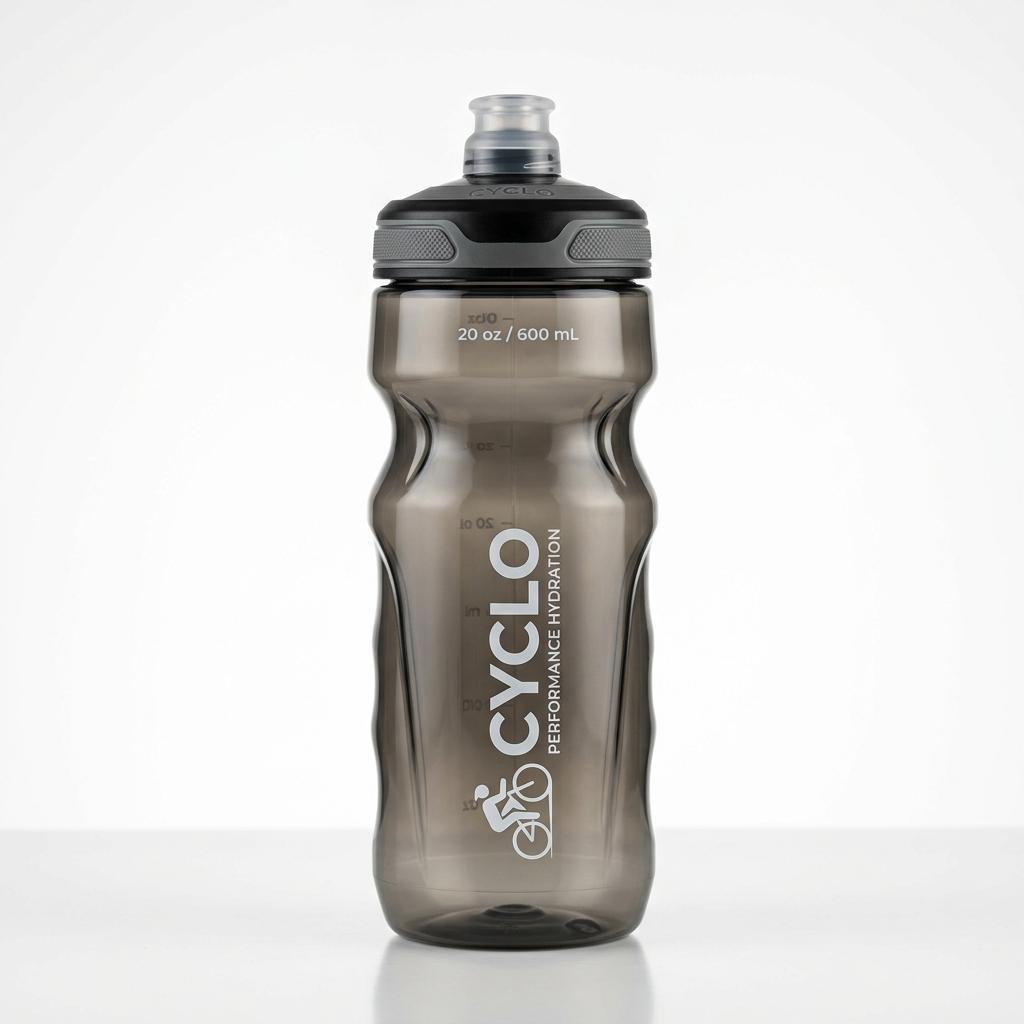 |
CamelBak Podium 21 oz Squeeze Water Bottle | $10-$14 | Best for Quick Sips | Check Price |
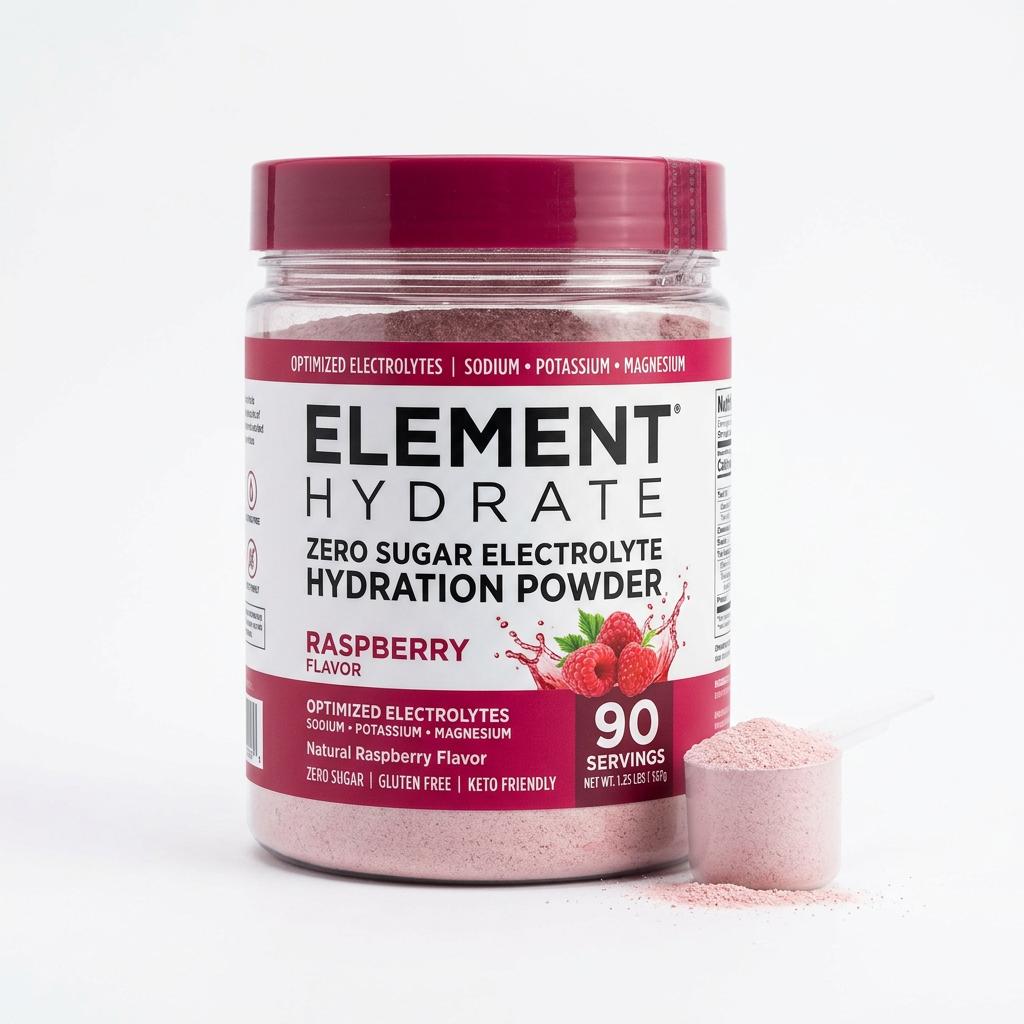 |
Ultima Replenisher Electrolyte Hydration Powder | $20-$30 | Best Clean Formula | Check Price |
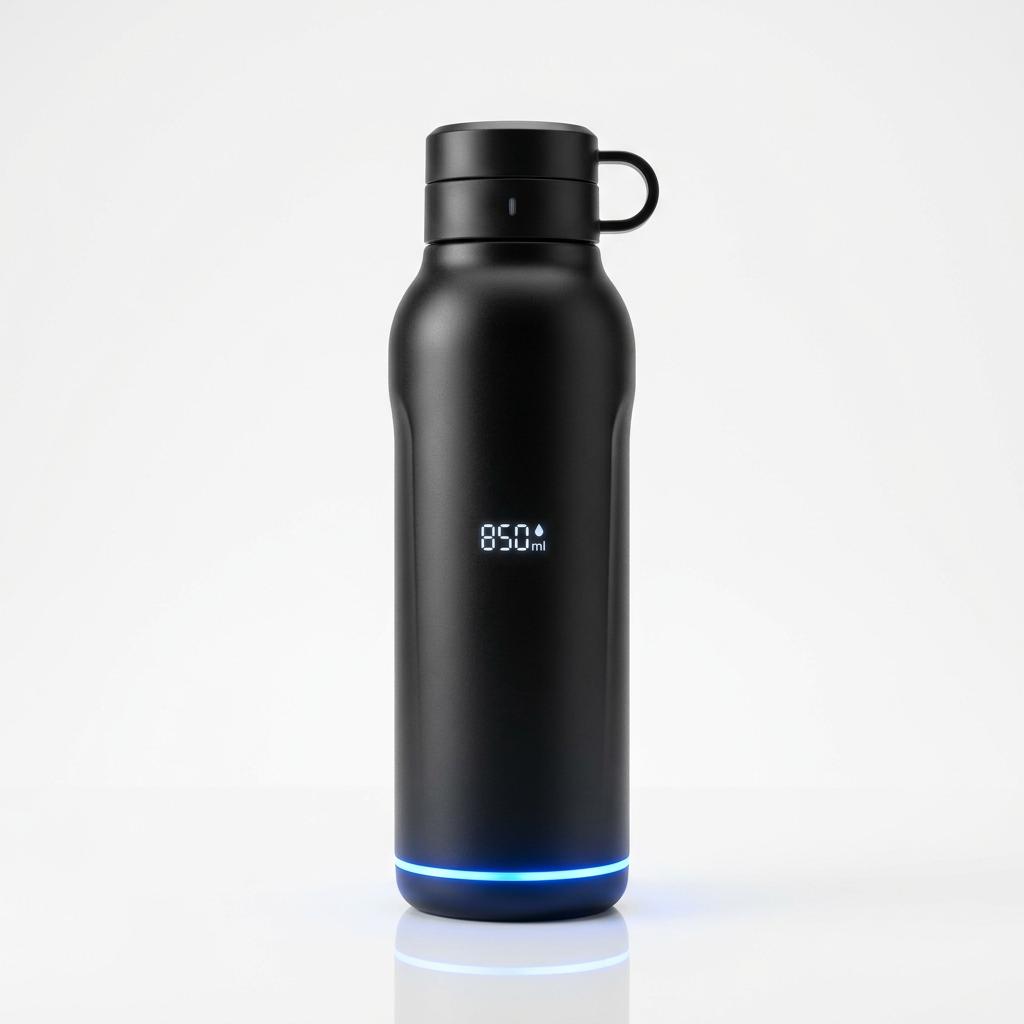 |
HidrateSpark Pro Smart Water Bottle | $55-$70 | Best Smart Bottle | Check Price |
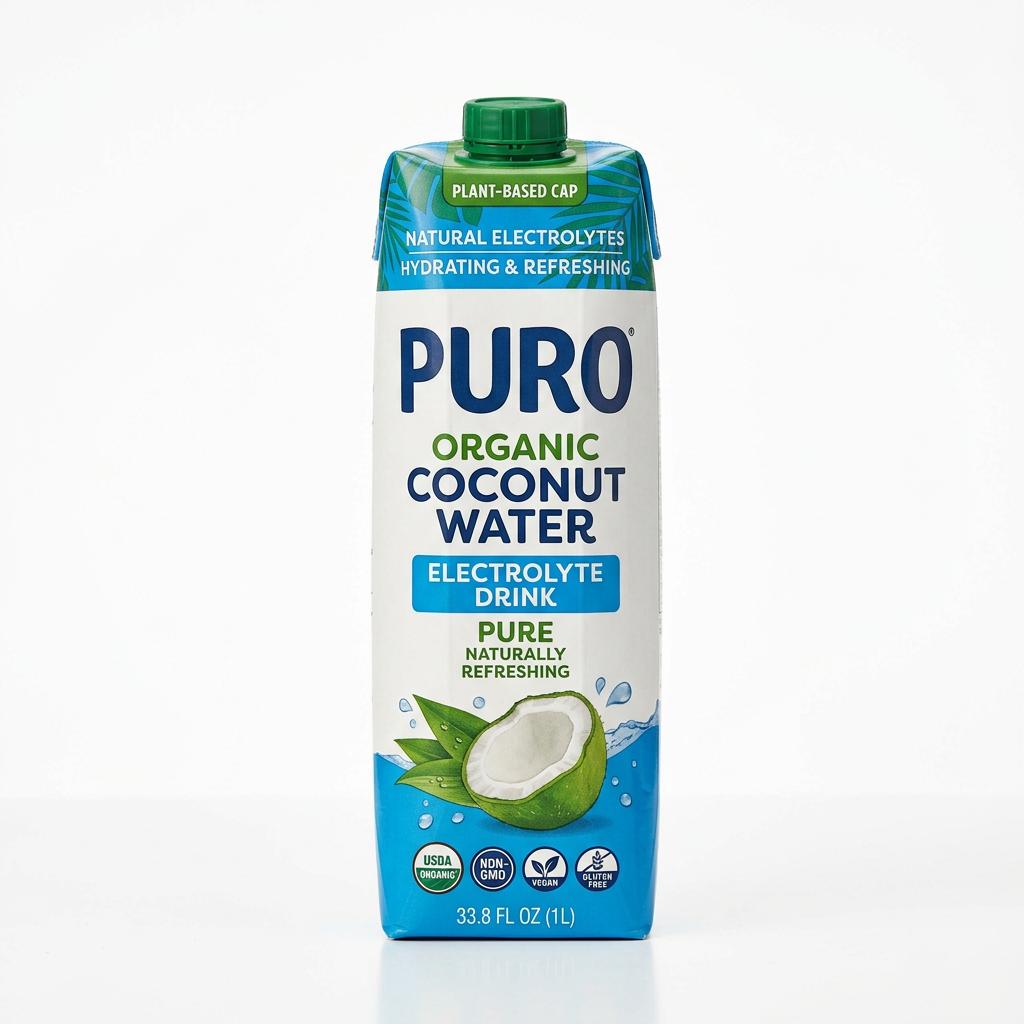 |
Vita Coco Organic Coconut Water | $15-$22 | Best Natural Option | Check Price |
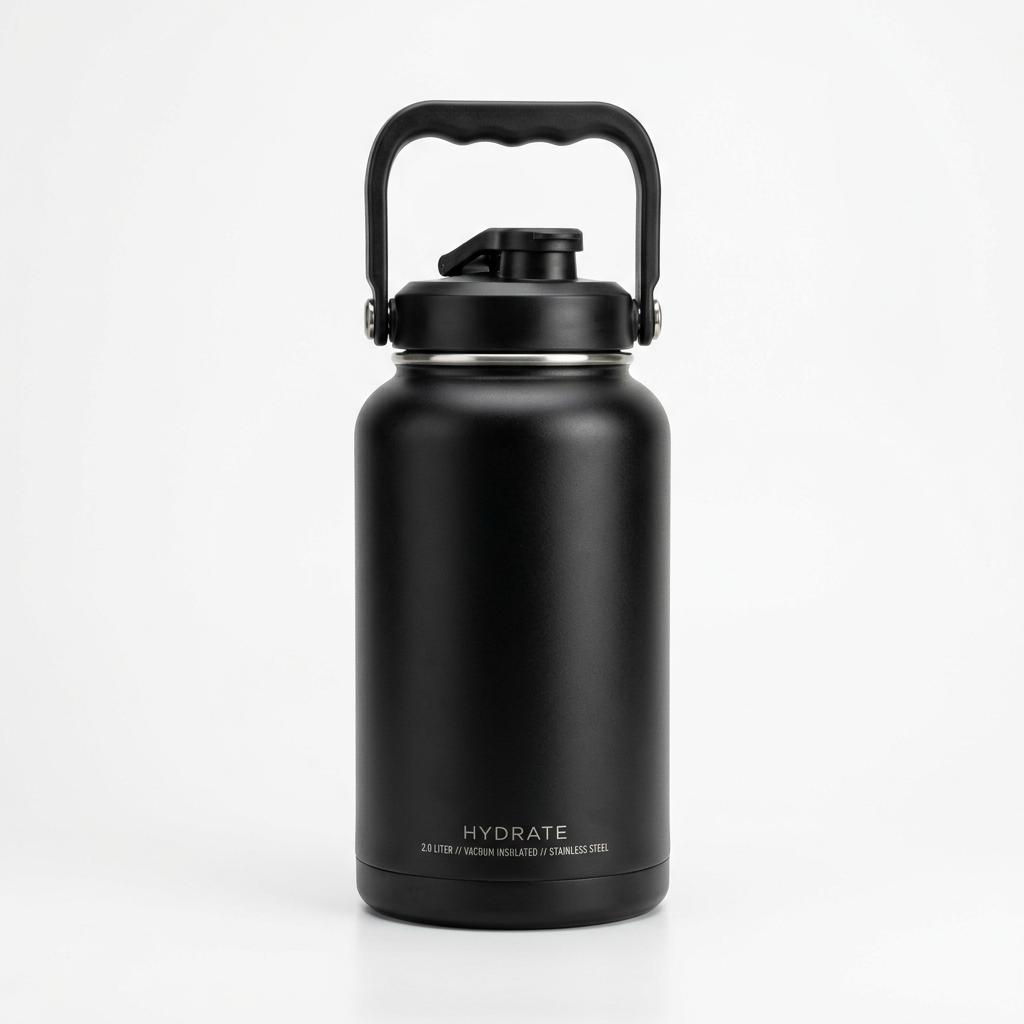 |
RTIC Half Gallon Jug | $25-$35 | Best High-Capacity | Check Price |
A leak-proof squeeze bottle designed for quick one-handed hydration between sets in your home gym.
A comprehensive zero-sugar electrolyte powder with 6 essential electrolytes and 90 servings per container.
A smart insulated water bottle that glows to remind you to drink and tracks your hydration via a smartphone app.
Nature's sports drink with more potassium than a banana and all five essential electrolytes in a refreshing organic formula.
A rugged half-gallon insulated jug that keeps training drinks cold all day in the toughest home gym environments.
The CamelBak Podium is purpose-built for athletes who need quick, spill-free hydration between sets. The self-sealing Jet Valve means you can squeeze a mouthful of water and set it down without a single drop spilling onto your gym floor. The ergonomic shape fits comfortably in one hand during rest periods, and the 21-ounce size is perfect for home workout sessions under 45 minutes.
Check Price on Amazon
Ultima Replenisher offers the most complete electrolyte profile of any zero-calorie product, with all six major electrolytes: sodium, potassium, magnesium, calcium, chloride, and phosphorus. The clean formula uses plant-based colors and real fruit flavors, with no artificial sweeteners or dyes. At 90 servings per container, it's also one of the most economical choices for daily home gym hydration.
Check Price on Amazon
The HidrateSpark Pro solves the most common hydration problem for home gym users: forgetting to drink. The bottle's LED sensor glows when it's time to take a sip, and the Bluetooth-connected app tracks every ounce you consume against personalized daily goals. The vacuum-insulated stainless steel body keeps water cold for hours, making it the perfect high-tech hydration companion for data-driven athletes.
Check Price on Amazon
Vita Coco provides nature's own electrolyte solution, with more potassium than a banana and a natural balance of sodium, magnesium, calcium, and phosphorus. Unlike engineered sports drinks, coconut water contains these electrolytes in their natural ratios along with beneficial enzymes and antioxidants. It's the ideal choice for home gym users who prefer whole-food nutrition approaches and want to avoid artificial ingredients entirely.
Check Price on Amazon
The RTIC Half Gallon Jug is built for serious home gym setups where you need a reliable supply of cold water for extended training sessions. The double-wall vacuum insulation maintains ice-cold temperatures for over 24 hours, while the built-in carrying handle makes it easy to move from room to room. The heavy-duty construction can handle drops and bumps that would crack lesser bottles, making it a long-term investment in your hydration infrastructure.
Check Price on Amazon