Best Adaptogen Supplements 2026: 5 Tested for Stress & Recovery
Tested 5 adaptogenic supplements for stress management and recovery. KSM-66 Ashwagandha wins for research backing and ef...
Evidence-based hydration guide for home gym exercisers. Water needs by workout duration and intensity, electrolyte considerations, dehydration signs, and a practical hydration schedule.
Proper hydration supports every physiological process involved in exercise: temperature regulation, nutrient transport, joint lubrication, and muscular contraction. Even mild dehydration — as little as 1-2% loss of body mass — measurably impairs physical and cognitive performance.
For home gym exercisers, hydration may seem less critical than for outdoor endurance athletes. However, training in small, poorly ventilated apartments can actually increase sweat loss relative to air-conditioned commercial gyms. This guide provides evidence-based hydration recommendations scaled to home training contexts.
The National Academies of Sciences, Engineering, and Medicine established Adequate Intake (AI) levels for total water (from all beverages and foods) at approximately 3.7 liters per day for men and 2.7 liters per day for women. Exercise increases these requirements.
| Population | Daily Fluid Intake (beverages) | Total Water (including food) |
|---|---|---|
| Adult men | ~3.0 liters | ~3.7 liters |
| Adult women | ~2.2 liters | ~2.7 liters |
Approximately 20% of total water intake typically comes from food; the remaining 80% from beverages.
| Workout Duration | Intensity | Additional Fluid Needed | Practical Guidance |
|---|---|---|---|
| Under 30 minutes | Low to moderate | Minimal (~0-200 ml) | Water before and after is typically sufficient |
| 30-60 minutes | Moderate | 300-500 ml | Sip water during workout if desired |
| 30-60 minutes | High | 500-750 ml | Drink during workout; consider electrolytes if heavy sweater |
| 60+ minutes | Any intensity | 750-1500+ ml | Structured drinking protocol; electrolytes recommended |
Sweat rate varies substantially between individuals. Two people performing the same workout in the same environment can lose fluid at rates differing by 100% or more due to genetic factors, acclimatization status, and body size.
A simple weigh-in/weigh-out protocol allows you to estimate your individual sweat loss:
Sweat rate (liters per hour) = (Pre-exercise weight in kg — Post-exercise weight in kg) + Fluid consumed in liters] / Exercise duration in hours
| Weight Loss | Dehydration Level | Performance Impact |
|---|---|---|
| <1% body mass | Minimal | Likely negligible |
| 1-2% body mass | Mild | Measurable performance decline; increased perception of effort |
| 2-3% body mass | Moderate | Significant performance impairment; thermoregulatory strain |
| >3% body mass | Severe | Serious impairment; health risk in hot environments |
Example: A 75 kg person who loses 1.0 kg during a 60-minute workout has a sweat rate of approximately 1.0 liter per hour and is dehydrated to roughly 1.3% — mild but potentially performance-impairing.
Electrolytes — primarily sodium, potassium, magnesium, and chloride — are lost through sweat. For most home workouts under 60 minutes, electrolyte replacement through normal dietary intake is typically sufficient. Longer or higher-intensity sessions in warm environments may warrant supplementation.
| Scenario | Recommendation |
|---|---|
| Workouts under 60 minutes, moderate intensity | Water is sufficient; diet provides adequate electrolytes |
| Workouts 60+ minutes | Consider electrolyte beverage or add pinch of salt to water |
| Heavy sweating (visible salt on skin/clothing post-workout) | Electrolyte replacement recommended |
| Training in hot, humid apartment | Increase electrolyte intake; sodium is the priority |
| Low-carbohydrate or ketogenic diet | Sodium needs increase; prioritize electrolyte intake |
| Source | Sodium | Potassium | Practical Notes |
|---|---|---|---|
| Sports drink (typical) | 200-400 mg per 500 ml | 50-150 mg | Convenient; may contain unnecessary sugar for short workouts |
| Coconut water | 250 mg per cup | 600 mg | Natural option; higher potassium than sports drinks |
| Pinch of sea salt in water | ~150-200 mg | Minimal | Cost-effective; no added sugar |
| Electrolyte tablets | Varies by brand | Varies | Portable; easy to dose; check sodium content |
Recognizing dehydration during a workout allows for timely intervention before performance is significantly impaired.
| Sign | What to Do |
|---|---|
| Thirst | Drink 150-250 ml water; thirst is a lagging indicator |
| Dark yellow urine (if checked post-workout) | Increase fluid intake over next several hours |
| Slightly elevated heart rate for given workload | Slow down; drink water; cool environment if possible |
| Perception of increased effort | This is often the earliest reliable indicator |
| Sign | What to Do |
|---|---|
| Dry mouth and lips | Drink 250-500 ml fluid with electrolytes |
| Noticeable fatigue | Stop or significantly reduce exercise intensity |
| Headache | Rehydrate; rest; cool compress if available |
| Reduced urine output | Prioritize rehydration over continued exercise |
| Dizziness on standing | Stop exercising; lie down; seek cool environment |
Warning: If you experience dizziness, confusion, rapid heartbeat, or fainting, stop exercising immediately. These may indicate severe dehydration or heat-related illness requiring medical attention.
This schedule provides a framework. Individual needs vary based on sweat rate, environment, and body size.
| Action | Amount | Purpose |
|---|---|---|
| Drink water with meal | 300-500 ml | Establish baseline hydration |
| Action | Amount | Purpose |
|---|---|---|
| Drink water | 200-300 ml | Top off fluid status; avoid stomach discomfort from excessive volume |
| Duration | Recommendation |
|---|---|
| Under 30 minutes | Generally not necessary; drink if thirsty |
| 30-60 minutes | 150-250 ml every 15-20 minutes (small sips) |
| 60+ minutes | 150-250 ml every 15 minutes; include electrolytes |
| Timing | Action | Amount |
|---|---|---|
| Immediately | Drink water or recovery beverage | 500 ml per kg of body weight lost |
| Next 2-4 hours | Continue normal fluid intake | Return to baseline hydration; urine should be pale yellow |
Practical tip: For most home gym sessions under 45 minutes, a single glass of water consumed before or during the workout is adequate. Complexity increases primarily for sessions exceeding 60 minutes or those performed in warm conditions.
| Factor | Impact | Mitigation |
|---|---|---|
| Poor ventilation | Increased sweat rate; faster dehydration | Open windows; use fan; take breaks |
| High humidity | Reduced evaporative cooling; more sweating | Dehumidifier if available; train at cooler times |
| Carpeted flooring | Insulates heat; may feel warmer | Use exercise mat; train in non-carpeted area if possible |
| Upper floor apartment | Heat rises; typically warmer | Train in morning; use air conditioning or fans |
How much water should I drink during a 30-minute home workout?
For most individuals, 150-300 ml (approximately one standard glass) consumed before or during the session is sufficient. If you sweat heavily, increase this amount. Urine color 1-2 hours post-workout should be pale yellow; dark urine indicates insufficient intake.
Do I need a sports drink for home workouts?
Generally, no. Sports drinks are designed for sustained exercise (typically 60+ minutes) where both fluid and carbohydrate replacement are beneficial. For most home gym sessions, water is sufficient. If your sessions exceed 60 minutes at high intensity, a low-sugar electrolyte beverage or water with a pinch of salt is a more appropriate choice than a sugary sports drink.
Can I drink too much water?
Yes — though it is rare in healthy individuals. Hyponatremia (dangerously low blood sodium) can occur when fluid intake far exceeds sweat and urine losses, diluting blood sodium concentration. This is primarily a concern during endurance events lasting several hours. For home gym training, drinking to thirst with occasional structured sips is safe.
Does coffee dehydrate me before a workout?
Moderate caffeine intake (1-3 cups of coffee) does not cause net dehydration in habitual consumers. The diuretic effect of caffeine is offset by the fluid content of the beverage. You do not need to avoid coffee before training, though excessive intake may increase heart rate and anxiety in sensitive individuals.
| Timing | Action |
|---|---|
| Morning | Check urine color (pale yellow = hydrated) |
| Pre-workout (15-30 min) | Drink 200-300 ml water |
| During workout | Sip as needed; 150-250 ml per 15-20 min for sessions 45+ min |
| Post-workout | Rehydrate; urine should return to pale yellow within 2-4 hours |
| Throughout day | Maintain consistent fluid intake; approximately 2-3 liters from beverages |
Disclaimer: This content is for informational purposes only and does not constitute medical advice. Individuals with kidney disease, heart conditions, or those on fluid-restricted diets should consult a healthcare provider for personalized hydration guidance.
Last updated: January 2025.
| Image | Product | Price | Badge | Link |
|---|---|---|---|---|
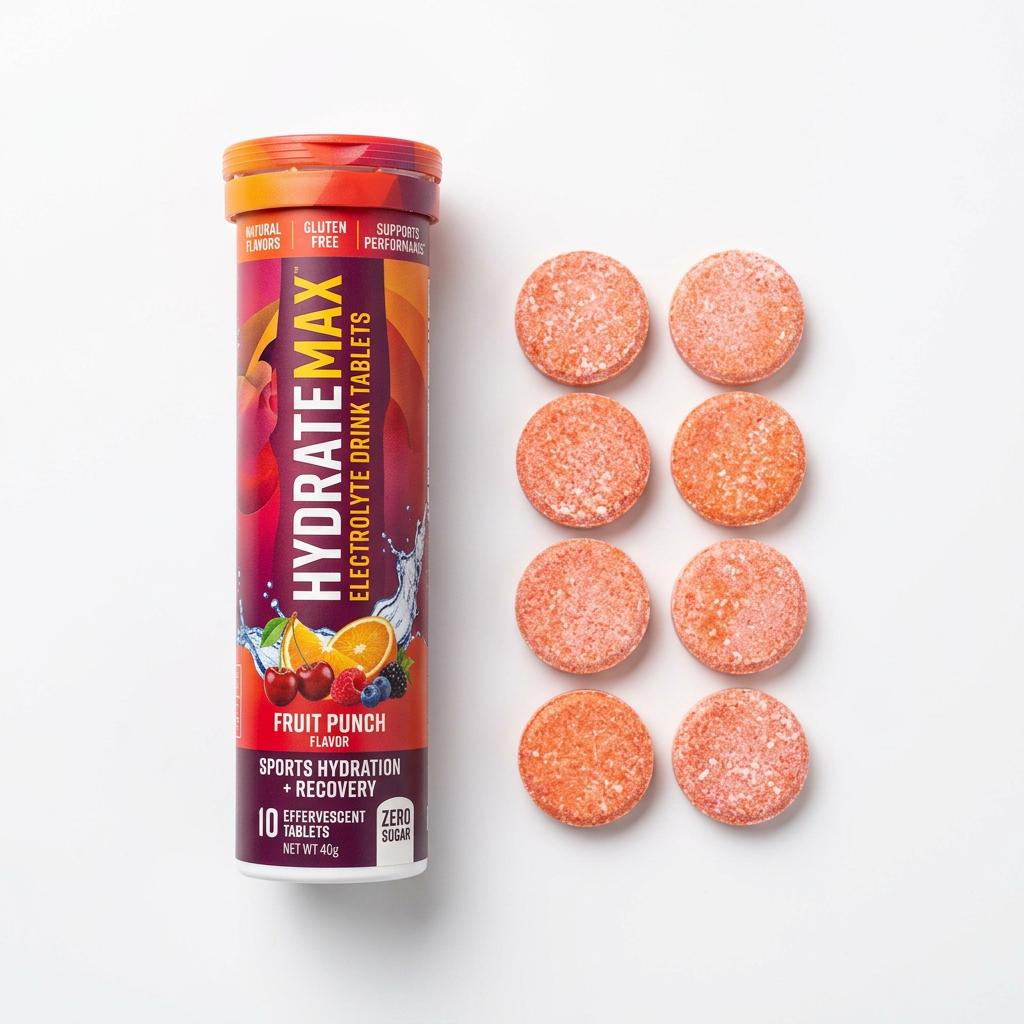 |
Nuun Sport Electrolyte Drink Tablets | $25-$35 | Best Overall | Check Price |
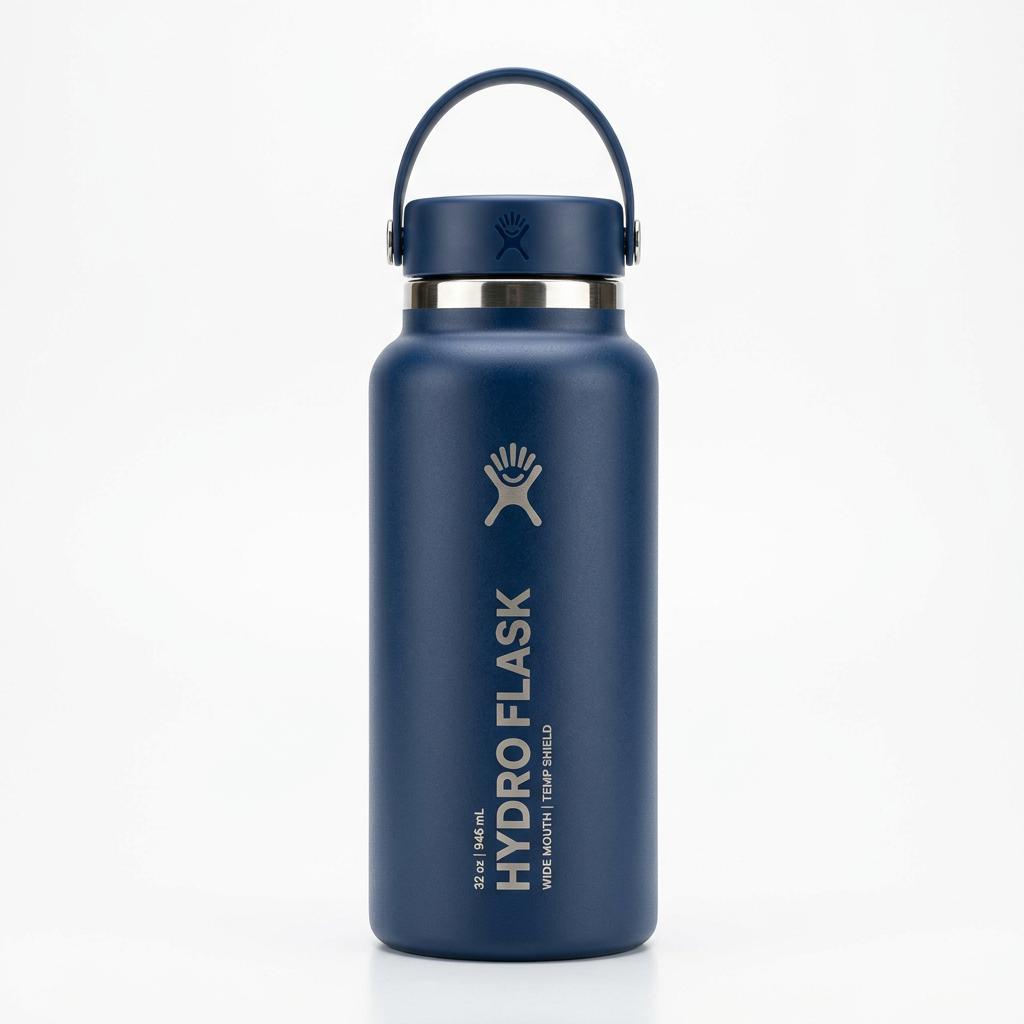 |
Hydro Flask Wide Mouth 32 oz Water Bottle | $35-$45 | Best Insulated | Check Price |
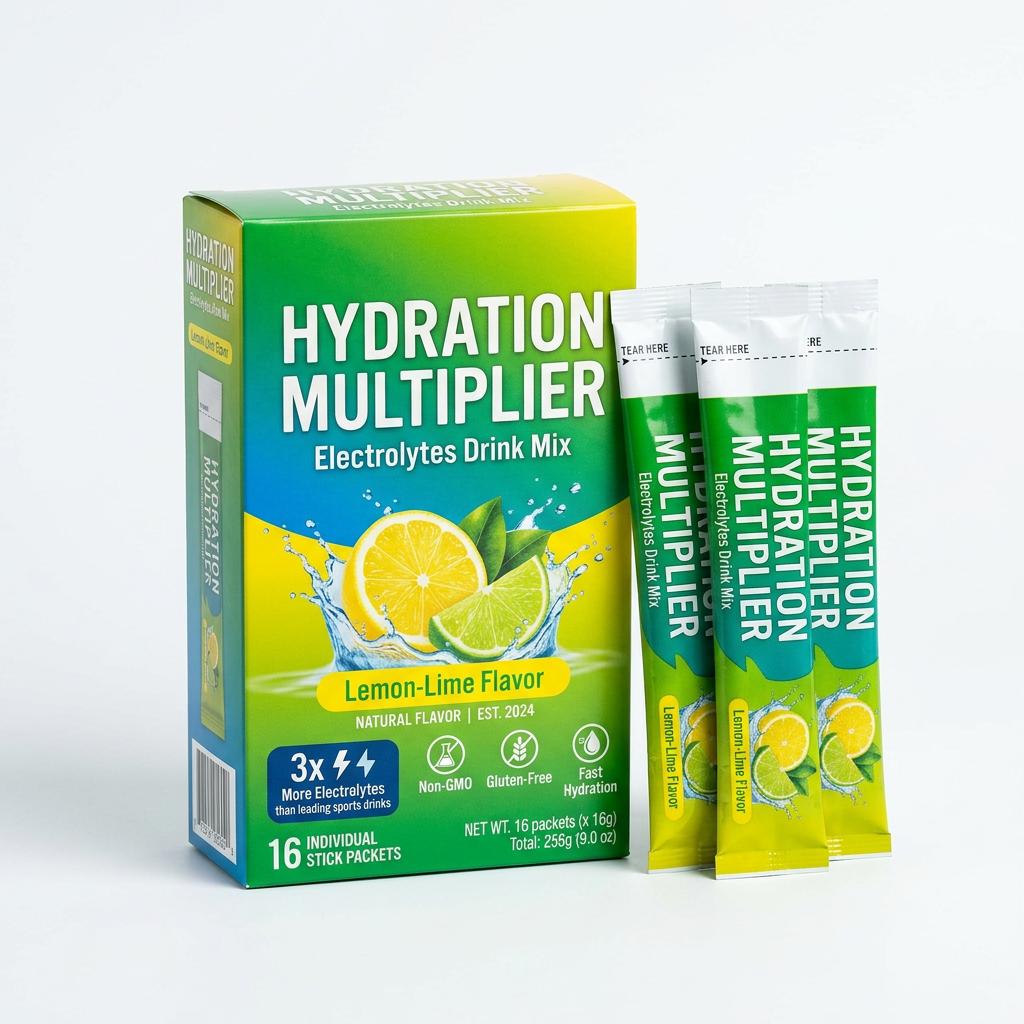 |
Liquid I.V. Hydration Multiplier Electrolyte Drink Mix | $20-$28 | Best for Intense Sessions | Check Price |
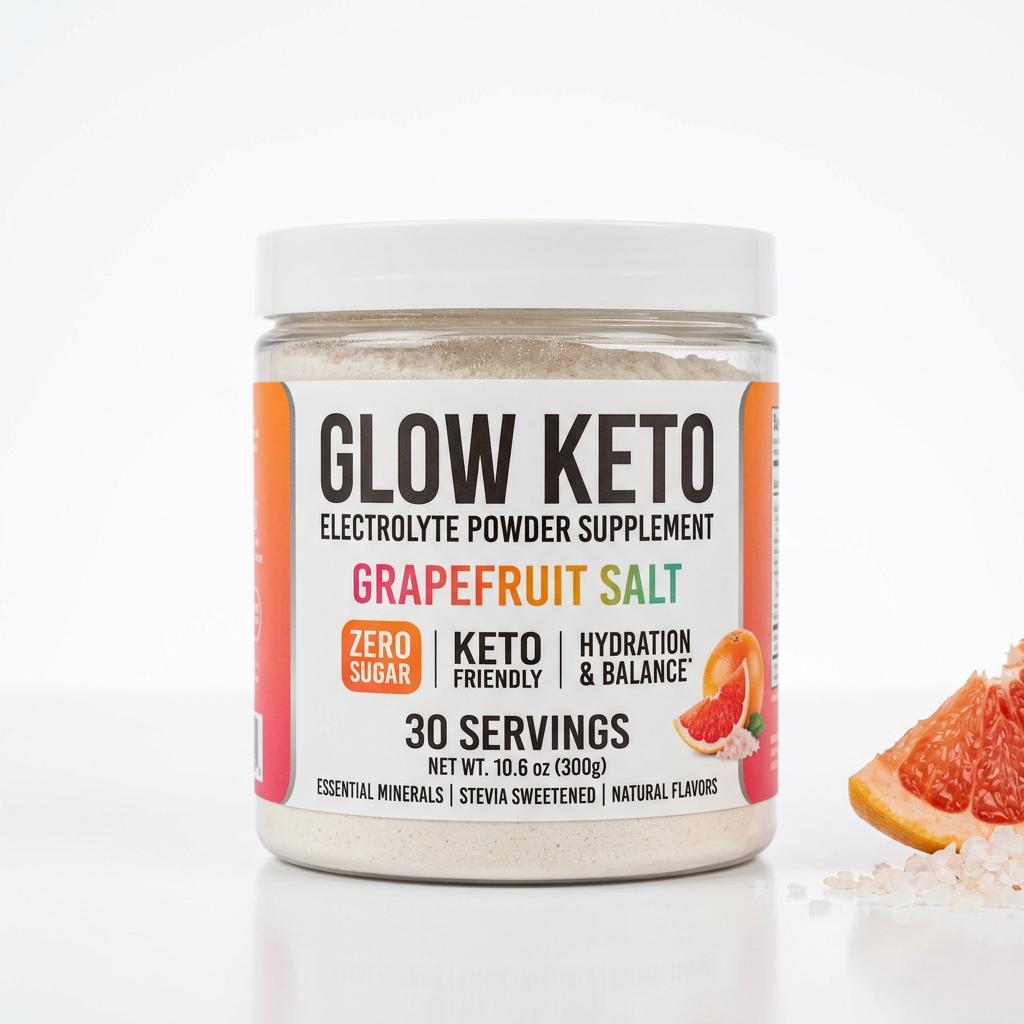 |
LMNT Keto Electrolyte Powder | $45-$55 | Best Zero-Sugar | Check Price |
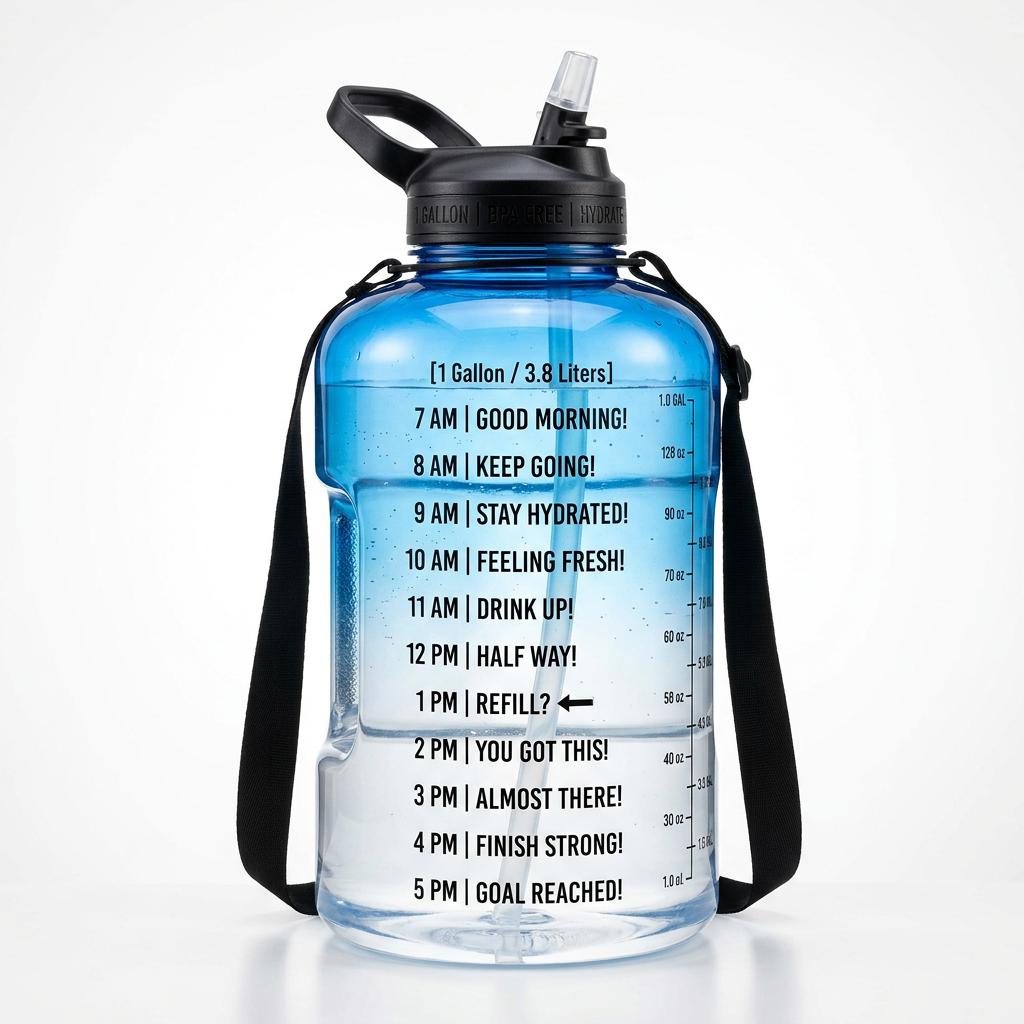 |
BuildLife Gallon Motivational Water Bottle | $12-$18 | Best Budget | Check Price |
Low-sugar electrolyte tablets that provide complete mineral replacement for home workouts under 60 minutes.
Premium insulated water bottle that keeps training drinks ice-cold through even the longest home workout sessions.
Advanced hydration multiplier using Cellular Transport Technology to deliver electrolytes faster during intense training.
The most potent sugar-free electrolyte formula on the market, designed for heavy sweaters and low-carb athletes.
A motivational gallon water bottle with time markers that makes hitting daily hydration goals effortless and fun.
Nuun Sport tablets strike the perfect balance for home gym hydration, delivering essential electrolytes without the sugar overload of traditional sports drinks. Each tablet dissolves quickly in water and provides a complete electrolyte profile including sodium, potassium, magnesium, and calcium. The portable tubes mean you can keep one in your gym bag and one at your training station, ensuring you never train without proper hydration support.
Check Price on Amazon
The Hydro Flask 32 oz Wide Mouth is the ultimate training companion for home gym enthusiasts who demand ice-cold water throughout their session. The double-wall vacuum insulation maintains temperature for over 24 hours, while the wide mouth makes adding ice cubes or electrolyte powders effortless. The durable stainless steel construction handles drops and dings, and the powder-coated finish provides a secure grip even with sweaty hands.
Check Price on Amazon
Liquid I.V.'s Hydration Multiplier is engineered for maximum absorption using Cellular Transport Technology, which the company claims hydrates 2-3x faster than water alone. Each stick packet delivers a potent electrolyte punch with 500mg sodium and 370mg potassium, making it ideal for high-intensity home training sessions exceeding 60 minutes. The individual packets make it easy to grab and mix on training days.
Check Price on Amazon
LMNT packs the most aggressive electrolyte punch of any sugar-free product, with a staggering 1000mg of sodium per serving. Developed by Robb Wolf and the team at Elemental Labs, it's specifically formulated for athletes following ketogenic or low-carb diets who lose significant electrolytes through sweat. The clean ingredient list contains no sugar, no artificial sweeteners, and no fillers, just pure electrolytes in refreshing fruit flavors.
Check Price on Amazon
The BuildLife Gallon Bottle takes the guesswork out of daily hydration with clearly printed time markers and motivational phrases that encourage you to drink consistently throughout the day. The one-gallon capacity aligns perfectly with the hydration recommendations for active individuals, and the leak-proof design means you can keep it next to your squat rack without worrying about spills. It's the most affordable and effective hydration tool for home gym users.
Check Price on Amazon