Best Adaptogen Supplements 2026: 5 Tested for Stress & Recovery
Tested 5 adaptogenic supplements for stress management and recovery. KSM-66 Ashwagandha wins for research backing and ef...
Research-backed guide to home gym nutrition meal plan for small-space home gyms.
Full disclosure: SnugGym earns a commission on purchases made through the Amazon links below, at no extra cost to you. SnugGym is an Amazon Associate and also participates in other affiliate programs.
You built your home gym. You learned proper form for squats, presses, and deadlifts. You programmed progressive overload and track your lifts. But if your nutrition isn't aligned with your training, you're leaving progress on the floor—literally.
The relationship between nutrition and resistance training is well-established. A landmark 2017 meta-analysis in the British Journal of Sports Medicine found that protein supplementation enhanced muscle size and strength gains by an average of 9% and 15% respectively when combined with resistance training versus training alone[^1]. But supplementation is only the surface layer. Total caloric intake, macronutrient distribution, meal timing, and food quality collectively determine whether your home gym investment produces the physique and performance outcomes you're training for.
This guide provides actionable meal planning frameworks for three common home gym goals: muscle gain, fat loss, and maintenance. Each framework includes calorie targets, macro breakdowns, meal timing strategies, sample meal plans, budget-friendly protein sources, supplement recommendations, and hydration guidelines.
Building muscle requires energy availability. The ISSN recommends a modest caloric surplus of approximately 300–500 calories above maintenance to support lean mass accretion while minimizing excessive fat gain[^2].
Calculate your maintenance calories:
Add 300–500 calories for surplus.
Example: 180 lb male, moderately active
| Macronutrient | Target | Rationale |
|---|---|---|
| Protein | 1.6–2.2 g/kg (0.73–1.0 g/lb) | Maximizes MPS, supports recovery[^3] |
| Carbohydrates | 4–6 g/kg (1.8–2.7 g/lb) | Fuels training, spares protein, supports insulin-mediated MPS |
| Fats | 0.8–1.0 g/kg (0.36–0.45 g/lb) | Hormonal health, nutrient absorption, satiety |
Example macros for 180 lb male at 3,100 calories:
Meal 1 — Breakfast (7:00 AM)
Meal 2 — Mid-Morning Snack (10:00 AM)
Meal 3 — Pre-Workout (1:00 PM)
Workout (2:30–3:30 PM)
Meal 4 — Post-Workout Shake (3:45 PM)
Meal 5 — Dinner (7:00 PM)
Meal 6 — Before Bed (9:30 PM)
Daily Total: ~265P, 363C, 132F = 3,064 calories
Sustainable fat loss requires a moderate deficit that preserves lean mass while reducing adipose tissue. The ISSN recommends a deficit of approximately 500 calories below maintenance, producing approximately 1 lb of fat loss per week[^2]. More aggressive deficits risk muscle loss, hormonal disruption, and metabolic adaptation.
Calculate your deficit:
Example: 180 lb male, moderately active
During caloric restriction, protein becomes the priority macronutrient for preserving lean mass:
| Macronutrient | Target | Rationale |
|---|---|---|
| Protein | 2.3–3.1 g/kg (1.05–1.4 g/lb) | Preserves muscle in deficit, maximizes satiety[^4] |
| Carbohydrates | 2–4 g/kg (0.9–1.8 g/lb) | Training fuel, timed around workouts |
| Fats | 0.5–0.8 g/kg (0.23–0.36 g/lb) | Essential fatty acids, hormonal support |
Example macros for 180 lb male at 2,200 calories:
Meal 1 — Breakfast (7:00 AM)
Meal 2 — Mid-Morning (10:00 AM)
Meal 3 — Pre-Workout (12:30 PM)
Workout (2:00–3:00 PM)
Meal 4 — Post-Workout (3:15 PM)
Meal 5 — Dinner (6:30 PM)
Meal 6 — Evening (9:00 PM)
Daily Total: ~213P, 116C, 50F = 1,722 calories
Note: This is a 978-calorie deficit from the 2,700 maintenance example—more aggressive than the standard 500-calorie recommendation. Adjust upward by adding carbohydrates (oatmeal at breakfast, larger rice portions, fruit) to reach your specific target.
At maintenance calories, the goal shifts from scale weight changes to body recomposition—simultaneously building muscle and losing fat, primarily achievable in beginners, those returning from layoffs, or individuals using performance-enhancing drugs. Natural, experienced lifters should expect slow recomposition at true maintenance.
Target: Bodyweight × 14–16 calories
Example: 180 lb male, moderately active
| Macronutrient | Target | Rationale |
|---|---|---|
| Protein | 1.8–2.2 g/kg (0.82–1.0 g/lb) | Supports ongoing MPS and recovery |
| Carbohydrates | 3–5 g/kg (1.4–2.3 g/lb) | Fuels training intensity |
| Fats | 0.8–1.0 g/kg (0.36–0.45 g/lb) | Supports hormonal health |
Example macros for 180 lb male at 2,700 calories:
A mixed meal containing protein and carbohydrates 1–3 hours before training provides amino acids for MPS during exercise and glucose for training fuel[^5]. Fat intake should be moderate—high-fat meals slow gastric emptying and may cause GI discomfort during training.
Example pre-workout meals:
The "anabolic window" is wider than traditionally believed—research suggests protein consumed within several hours of training supports recovery effectively[^6]. However, practical considerations favor sooner rather than later:
Post-workout priorities:
Protein is typically the most expensive macronutrient. Optimizing your protein budget:
| Source | Protein per $1 | Protein per 100g | Cost/lb |
|---|---|---|---|
| Chicken breast (bulk frozen) | ~25 g | 31 g | $2.50–$3.50 |
| Eggs (conventional, dozen) | ~18 g | 13 g | $2.00–$3.00 |
| Canned tuna | ~22 g | 26 g | $1.50–$2.50 |
| Lentils (dried, bulk) | ~30 g | 9 g | $1.50–$2.00 |
| Whey protein (5 lb tub) | ~30 g | 80 g (powder) | $45–$60 |
| Ground turkey (bulk) | ~20 g | 27 g | $3.00–$4.00 |
| Cottage cheese | ~15 g | 11 g | $2.50–$3.50 |
| Greek yogurt (large tubs) | ~12 g | 10 g | $4.00–$6.00 |
| Canned beans | ~15 g | 9 g | $1.00–$1.50 |
| Frozen tilapia | ~20 g | 26 g | $4.00–$5.00 |
Budget strategy: Combine bulk chicken and eggs as primary sources, supplement with whey protein for convenience, and use legumes for variety and fiber.
Supplements are tools, not substitutes. The foundation of any nutrition plan should be whole foods providing:
That said, specific supplements offer genuine value for home gym users:
Tier 1 — Evidence-Based Essentials:
As an Amazon Associate, we earn from qualifying purchases. Learn more
Tier 2 — Goal-Specific Support:
Tier 3 — Optional Extras:
Hydration profoundly affects training performance. Even mild dehydration (2% body weight loss) impairs strength, power, and cognitive function[^8].
Daily targets:
Practical guidelines:
[^1]: Morton RW, et al. "A systematic review, meta-analysis and meta-regression of the effect of protein supplementation on resistance training-induced gains." Br J Sports Med. 2018;52(6):376-384. [^2]: Kerksick CM, et al. "ISSN exercise & sports nutrition review update." J Int Soc Sports Nutr. 2018;15:38. [^3]: Schoenfeld BJ, Aragon AA. "How much protein can the body use in a single meal?" J Int Soc Sports Nutr. 2018;15:10. [^4]: Helms ER, et al. "A systematic review of dietary protein during caloric restriction in resistance trained lean athletes." J Int Soc Sports Nutr. 2014;11:7. [^5]: Kerksick CM, et al. "International Society of Sports Nutrition position stand: nutrient timing." J Int Soc Sports Nutr. 2017;14:33. [^6]: Schoenfeld BJ, Aragon AA. "Is nutrient timing dead?" J Int Soc Sports Nutr. 2018;15:29. [^7]: Kreider RB, et al. "ISSN position stand: safety and efficacy of creatine supplementation." J Int Soc Sports Nutr. 2017;14:18. [^8]: Sawka MN, et al. "American College of Sports Medicine position stand: Exercise and fluid replacement." Med Sci Sports Exerc. 2007;39(2):377-390.
| Image | Product | Price | Badge | Link |
|---|---|---|---|---|
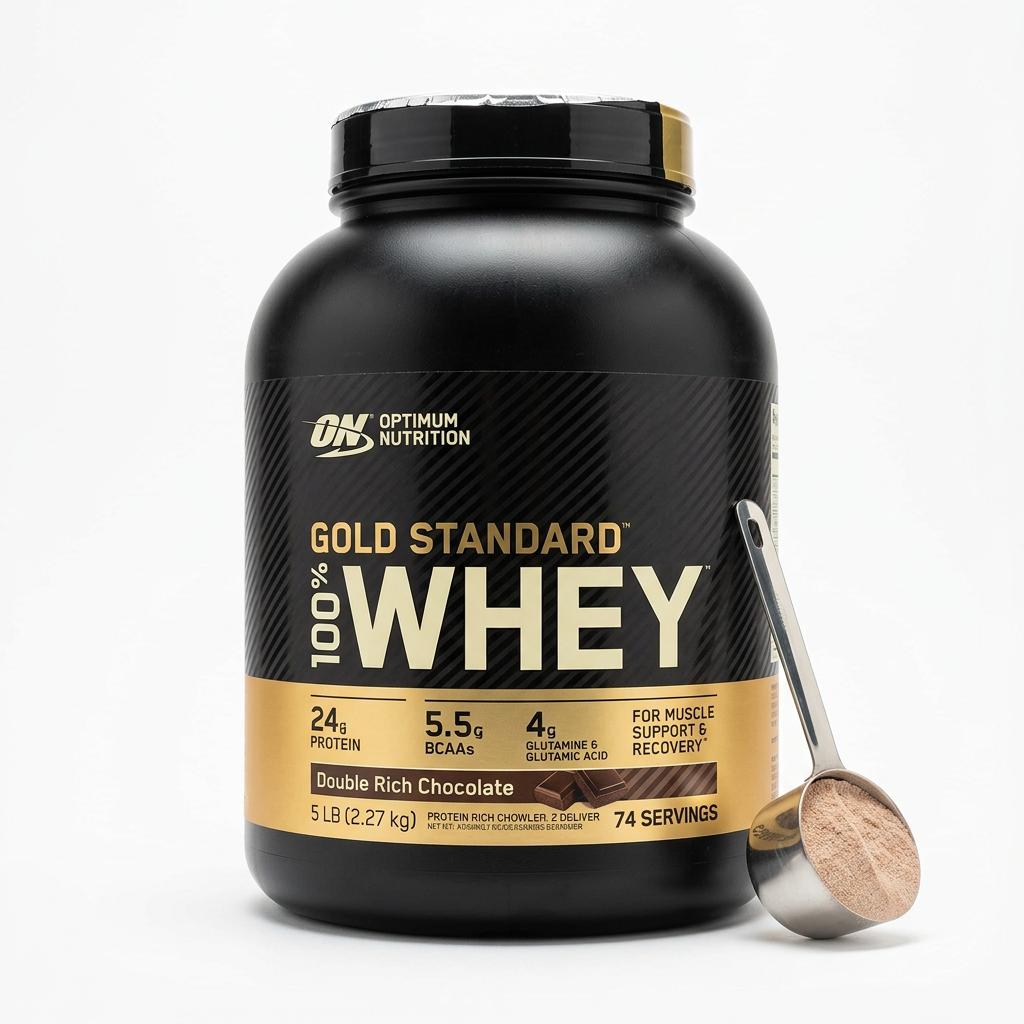 |
Optimum Nutrition Gold Standard 100% Whey Protein | $45-$65 | Best Overall | Check Price |
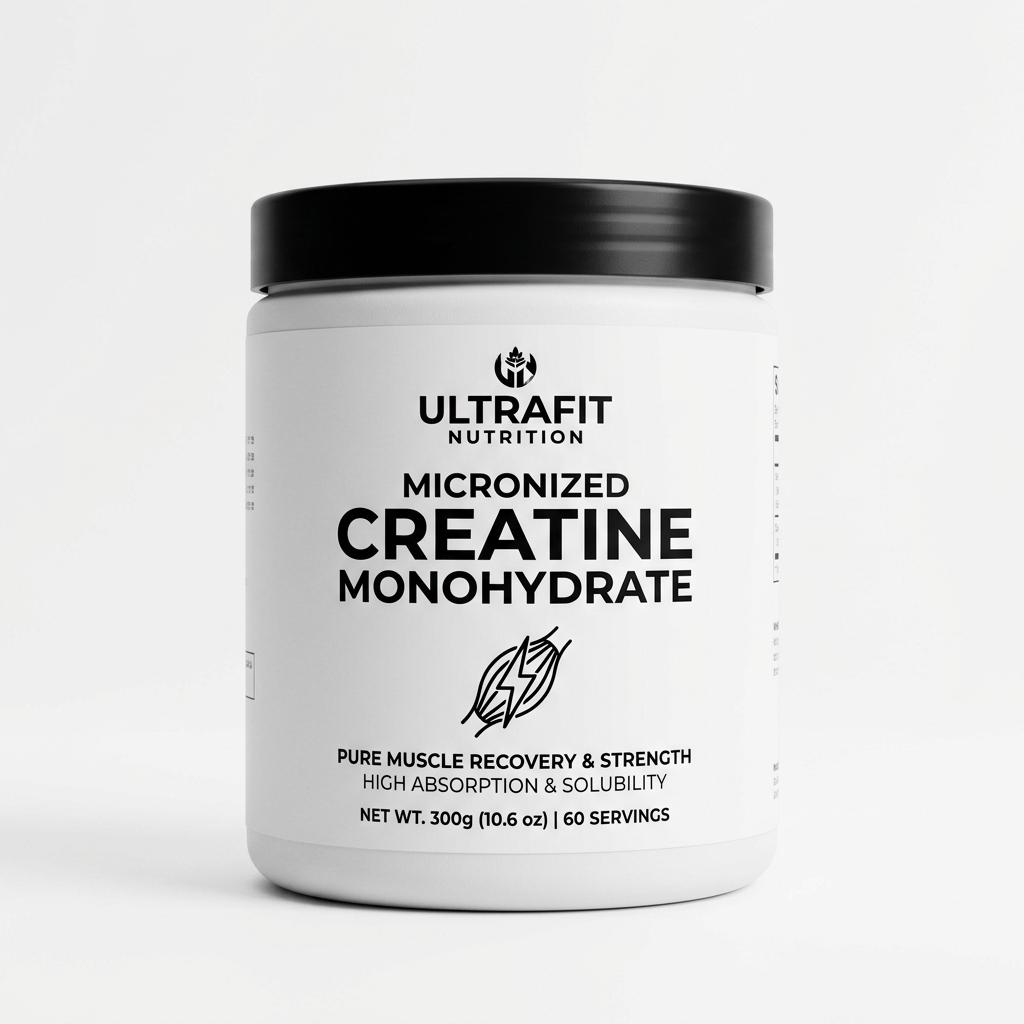 |
Optimum Nutrition Micronized Creatine Monohydrate Powder | $15-$25 | Best Value | Check Price |
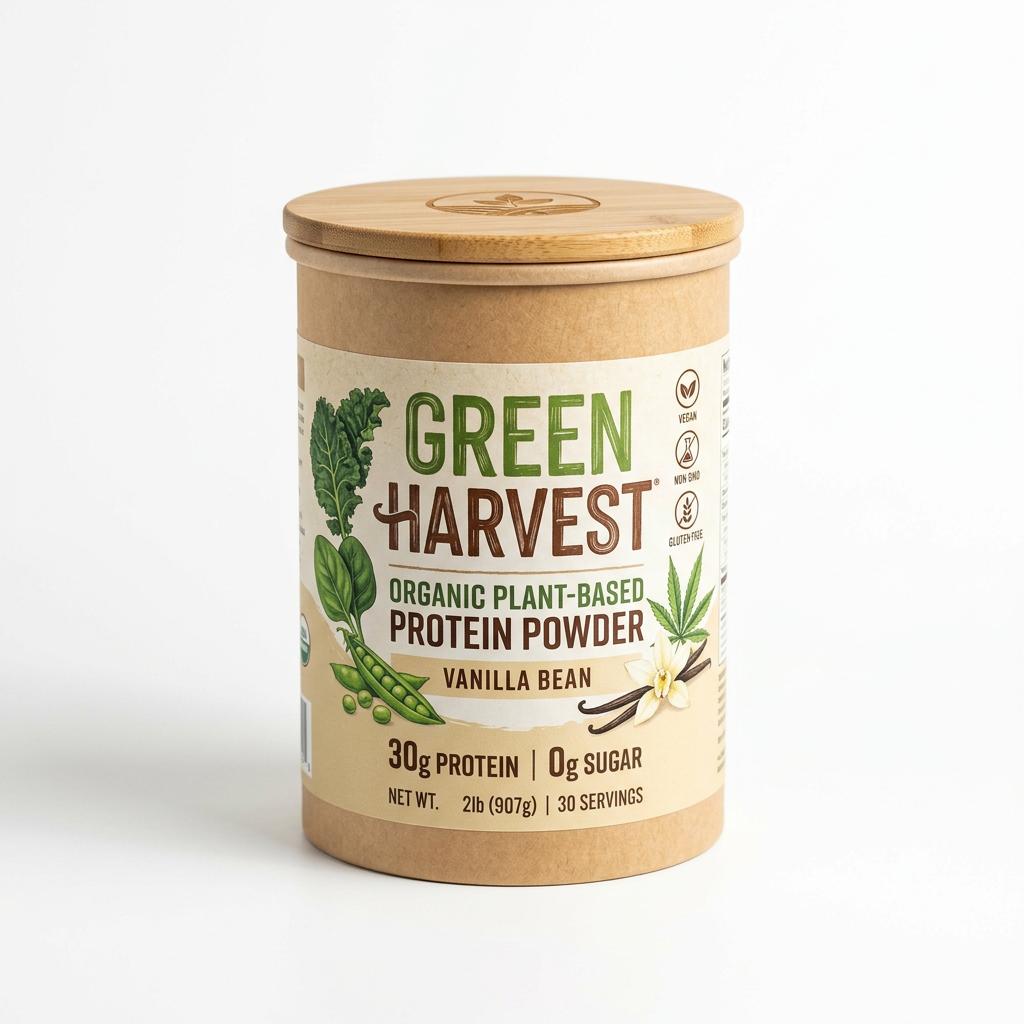 |
Garden of Life Organic Plant-Based Protein Powder | $30-$42 | Best Plant-Based | Check Price |
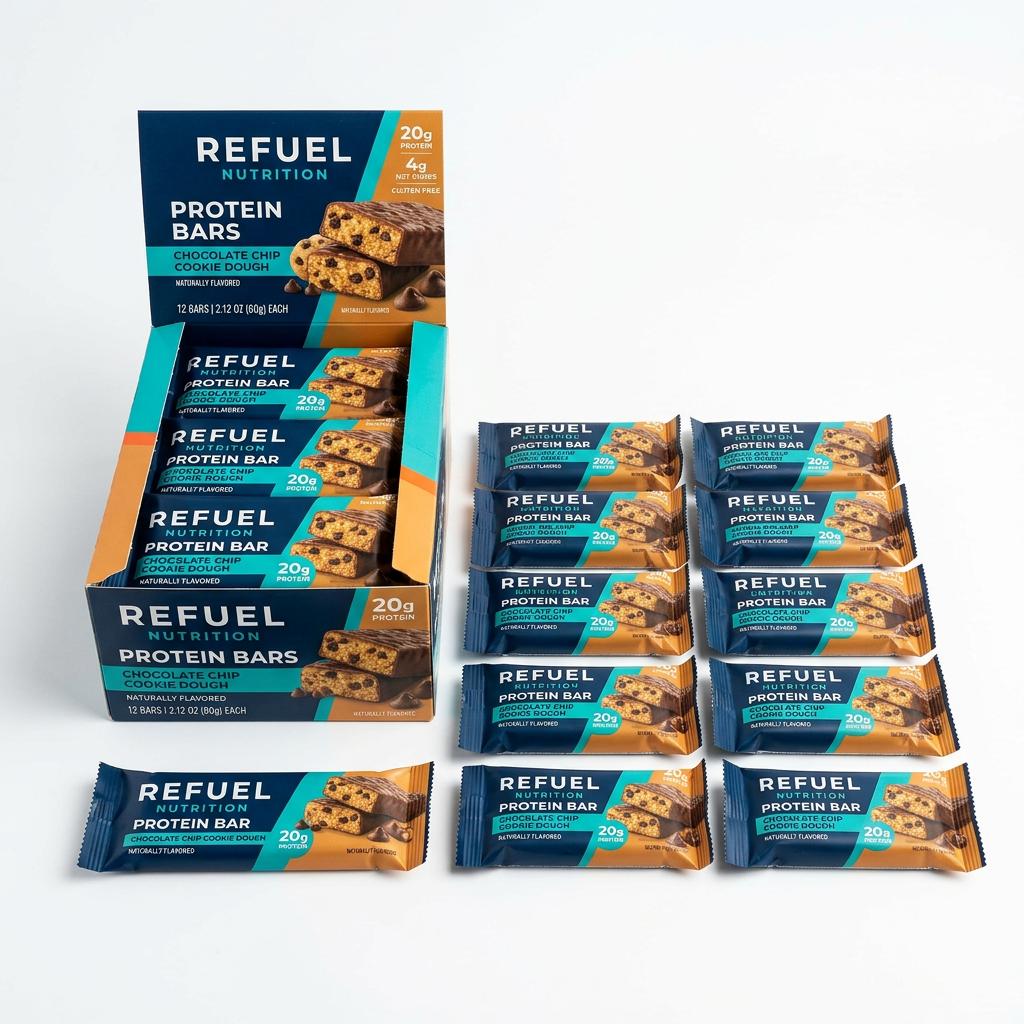 |
Quest Nutrition Ultimate Variety Pack Protein Bars | $25-$32 | Best On-the-Go | Check Price |
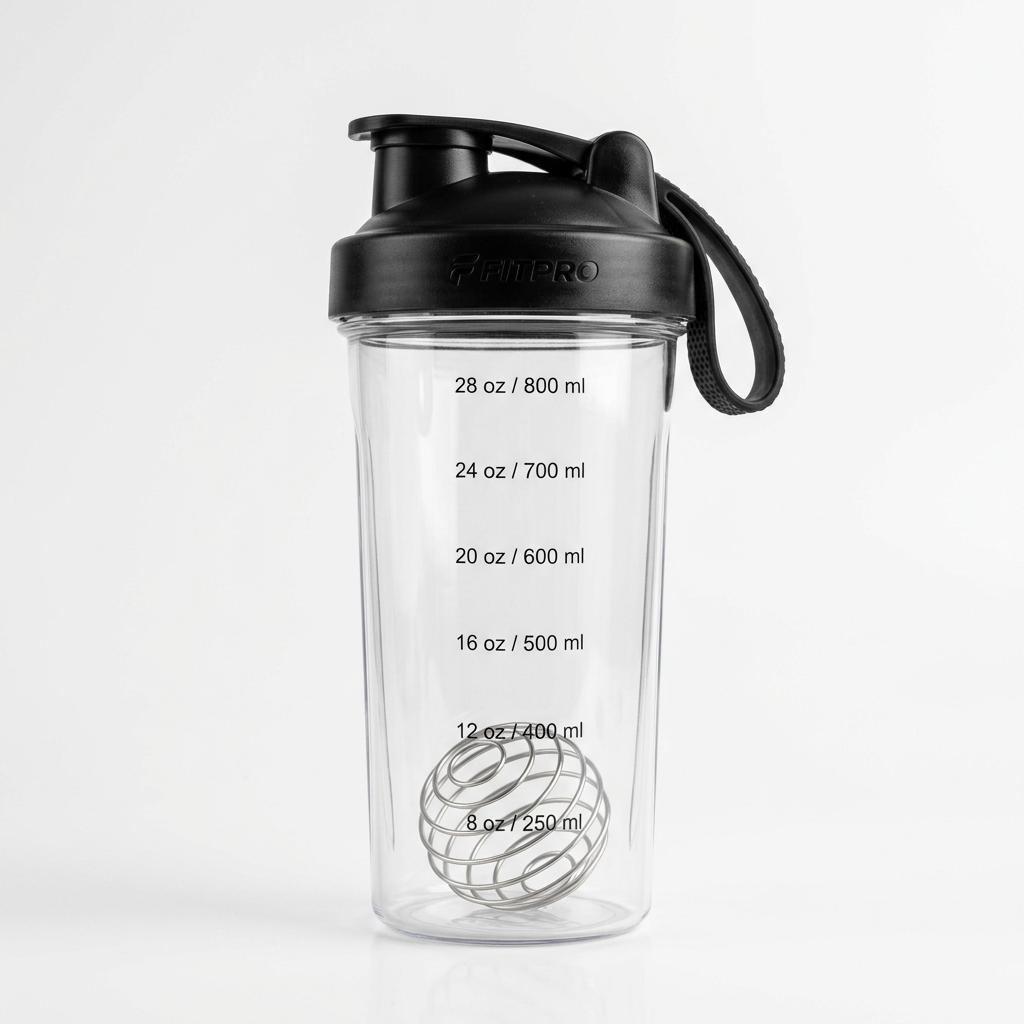 |
BlenderBottle Pro28 Shaker Bottle | $10-$15 | Essential Tool | Check Price |
The world's best-selling whey protein with 24g of high-quality protein per serving, ideal for muscle gain meal plans.
Pure micronized creatine monohydrate that delivers proven strength gains at an unbeatable price per serving.
A premium USDA Organic plant protein delivering 30g of complete protein with added probiotics and digestive enzymes.
High-protein, low-sugar bars perfect for meal prep and on-the-go nutrition between home gym sessions.
The essential meal prep companion that ensures smooth, lump-free protein shakes every time.
Optimum Nutrition Gold Standard Whey has been the industry benchmark for over two decades, delivering 24 grams of premium whey protein isolate per scoop. Its instantized formula mixes effortlessly with water, milk, or into smoothies, making it a seamless addition to any meal plan. With over 20 flavors available and rigorous banned substance testing, it's the go-to protein source for home gym users serious about hitting their daily protein targets.
Check Price on Amazon
Creatine monohydrate is the single most studied sports supplement, and Optimum Nutrition's micronized version sets the standard. Each serving provides 5 grams of pure Creapure creatine, which research shows can increase strength, power output, and lean muscle mass when combined with resistance training. The micronized particle size dissolves more easily than standard creatine, making it simple to add to your post-workout shake or morning smoothie.
Check Price on Amazon
For those following vegan or dairy-free meal plans, Garden of Life's Organic Plant Protein is a standout choice. Each serving packs 30 grams of protein from organic peas, sprouted grains, and legumes, along with a complete amino acid profile. The addition of raw probiotics and digestive enzymes aids nutrient absorption, making it ideal for plant-based eaters who need to maximize every gram of protein in their meal planning.
Check Price on Amazon
Quest Protein Bars have redefined what a protein bar can be, delivering 20-21 grams of complete dairy-based protein with just 1 gram of sugar. The variety pack ensures you never get bored, and the chewy, satisfying texture makes them feel like a treat rather than a supplement. They're the perfect solution for busy home gym users who need a quick protein hit between meals or a portable post-workout recovery option.
Check Price on Amazon
No home gym nutrition setup is complete without a reliable shaker bottle, and the BlenderBottle Pro28 is the gold standard. The patented BlenderBall wire whisk powers through even the thickest protein powders, eliminating clumps without requiring a powered blender. The leak-proof design means you can toss it in your gym bag without worry, and the 28-ounce capacity handles even the largest protein servings with ease.
Check Price on Amazon