Best Adaptogen Supplements 2026: 5 Tested for Stress & Recovery
Tested 5 adaptogenic supplements for stress management and recovery. KSM-66 Ashwagandha wins for research backing and ef...
Science-based guide to electrolytes for home gym athletes. Sodium, potassium, and magnesium roles, replacement strategies, and when supplementation matters.
Electrolytes are minerals that carry an electrical charge and regulate critical physiological functions: muscle contraction, nerve signaling, fluid balance, and pH maintenance. For people who exercise regularly, understanding electrolyte needs separates appropriate supplementation from unnecessary product purchases.
This guide explains what electrolytes actually do during exercise, when replacement matters, and how to meet needs through food and targeted supplementation.
Primary functions:
During exercise: Sodium is lost in sweat at varying rates. The average person loses 400–1,200 mg of sodium per liter of sweat, with significant individual variation driven by genetics, acclimatization, and diet. Sweat sodium concentration ranges from 200 mg/L (low) to 2,000+ mg/L (high) in extreme "salty sweaters."
Signs of inadequate sodium: Muscle cramps (in some individuals), lightheadedness, headache, reduced exercise performance in sessions exceeding 60–90 minutes, hyponatremia in extreme cases (dangerously low blood sodium, most common in endurance athletes who over-consume plain water).
Primary functions:
During exercise: Potassium shifts between intracellular and extracellular spaces during muscle contraction and relaxation. Unlike sodium, potassium is lost in sweat at relatively low rates (100–300 mg per liter of sweat). The body maintains tight regulation of blood potassium levels, and significant deficiency during exercise is rare in healthy individuals eating a varied diet.
Primary functions:
During exercise: Magnesium is lost in sweat at modest rates (10–20 mg per liter). More relevant than acute exercise losses is chronic magnesium status. Published research indicates that a significant portion of the population consumes less than the recommended daily allowance. Low magnesium status is associated with muscle cramps, fatigue, and impaired recovery in some individuals, though causality is complex.
Calcium is critical for muscle contraction (the sliding filament mechanism) and bone health. It's lost in sweat at low rates. Most adults meet calcium needs through diet. Chloride follows sodium in sweat and is replaced whenever sodium is replaced.
Electrolyte need: Minimal to none during session.
For a typical 30–45 minute home gym session—strength training, moderate cardio, HIIT—a well-fed individual loses negligible electrolytes through sweat. Post-workout, a normal meal replaces any modest losses within hours.
Our assessment: Drinking water to thirst is sufficient. Pre-workout electrolyte drinks, electrolyte-enhanced waters, and intra-workout supplementation provide no performance benefit for sessions under 60 minutes in temperate conditions. Marketing claims suggesting otherwise are not supported by exercise physiology research.
Electrolyte need: Moderate, primarily sodium.
As exercise duration extends past 60 minutes, cumulative sweat losses become meaningful. This applies to:
Replacement strategy: 200–500 mg sodium per hour of exercise, consumed with fluid. This can come from:
Electrolyte need: Significant.
High sweat rates (1.5–3+ liters per hour) in hot environments produce substantial sodium losses regardless of duration. A 45-minute HIIT session in an un-air-conditioned apartment in summer can produce equivalent sweat loss to a 90-minute session in cool conditions.
Replacement strategy: Pre-hydrate with electrolyte-containing fluid. Replace sodium during and after at approximately 500–700 mg per liter of sweat lost.
Electrolyte need: Moderate to significant.
Two-a-day training (morning cardio, evening strength) increases total sweat losses and reduces recovery time between sessions. Sodium and magnesium replacement between sessions supports performance in the second workout.
Most home gym athletes training 3–5 times per week for 30–60 minutes in climate-controlled environments do not need electrolyte supplements. Their needs are met by:
Exceptions where supplementation provides measurable benefit:
| Electrolyte | Food Sources | Approximate Content |
|---|---|---|
| Sodium | Table salt (1/4 tsp) | ~575 mg |
| Pickles (1 medium) | ~800 mg | |
| Broth/soup (1 cup) | ~700–1,000 mg | |
| Cheese (1 oz) | ~200–400 mg | |
| Potassium | Banana (1 medium) | ~420 mg |
| Potato, baked (medium) | ~950 mg | |
| Avocado (1/2) | ~500 mg | |
| Spinach, cooked (1 cup) | ~840 mg | |
| White beans (1/2 cup) | ~600 mg | |
| Magnesium | Pumpkin seeds (1 oz) | ~156 mg |
| Almonds (1 oz) | ~80 mg | |
| Dark chocolate 70% (1 oz) | ~65 mg | |
| Black beans (1/2 cup) | ~60 mg | |
| Quinoa, cooked (1 cup) | ~118 mg |
| Specification | What to Look For | What to Avoid |
|---|---|---|
| Sodium per serving | 200–700 mg | Less than 100 mg (ineffective) or more than 1,000 mg (unless endurance-specific) |
| Potassium per serving | 50–200 mg | None (should be present) |
| Magnesium per serving | 30–100 mg | Absent or negligible |
| Carbohydrate content | 0–15 g depending on use case | High sugar (20+ g) for short sessions |
| Artificial ingredients | Personal preference | Unnecessary dyes and artificial sweeteners if sensitive |
Product categories:
| Method | Sodium per Dollar | Convenience | Notes |
|---|---|---|---|
| Table salt + water | ~50,000 mg/$ | High | The simplest, most effective option for sodium |
| Commercial electrolyte powder | 500–2,000 mg/$ | High | Adds potassium, magnesium, flavor |
| Sports drink (bottled) | 200–500 mg/$ | Very high | Expensive per unit sodium; includes carbs |
| Coconut water | 250–400 mg/$ | Moderate | Natural source; lower sodium than most sports drinks |
Our assessment: For most home gym users, salting food to taste and drinking water to thirst covers electrolyte needs. Commercial products offer convenience and palatability but are not physiologically necessary for typical training durations. Heavy sweaters and long-session athletes benefit from targeted supplementation.
Magnesium deserves separate discussion because:
| Form | Bioavailability | Notes |
|---|---|---|
| Magnesium glycinate | High | Well-tolerated, less GI distress, good for sleep/stress |
| Magnesium citrate | High | Good absorption; mild laxative effect at higher doses |
| Magnesium oxide | Low (~4%) | Cheap but poorly absorbed; often causes diarrhea |
| Magnesium chloride | Moderate | Good for topical application (oils, baths) |
| Magnesium L-threonate | High | Crosses blood-brain barrier; studied for cognitive effects |
Our assessment: A magnesium glycinate or citrate supplement at 200–400 mg elemental magnesium daily is reasonable for athletes who don't consistently consume magnesium-rich foods. It's not a performance enhancer but may support recovery, sleep, and cramp prevention in deficient individuals.
| Profile | Duration | Environment | Recommendation |
|---|---|---|---|
| Casual strength training | 30–45 min | Climate-controlled | Water to thirst; no supplementation needed |
| Regular HIIT | 20–30 min | Climate-controlled | Water to thirst; salt food normally |
| Extended cardio (60+ min) | 60–90 min | Climate-controlled | 200–400 mg sodium during session; water |
| High-volume training | 60+ min | Hot/humid | Electrolyte drink with 400–700 mg sodium; monitor sweat rate |
| Fasted morning training | 30–60 min | Any | Small electrolyte dose pre-workout (100–200 mg sodium) may improve comfort |
| Two-a-day training | Multiple | Any | Replace sodium between sessions; ensure dietary magnesium intake |
| Symptom | Possible Cause | Solution |
|---|---|---|
| Frequent muscle cramps during/after exercise | Sodium or magnesium depletion; inadequate conditioning | Increase dietary sodium; trial magnesium supplementation; gradual training progression |
| Headache after long sessions | Sodium deficit or mild dehydration | Add sodium to intra-workout fluids; ensure adequate total fluid intake |
| Dizziness or lightheadedness | Hyponatremia (low sodium) or dehydration | For long sessions, include sodium; don't overconsume plain water |
| Persistent fatigue despite adequate sleep | Multiple causes including low magnesium, iron, or total calories | Check dietary magnesium and iron intake; consult healthcare provider if persistent |
| GI distress during exercise | Too concentrated or too dilute fluid; wrong carbohydrate type | Match drink concentration to sweat rate; trial different products |
Electrolytes are essential, but supplementation is often unnecessary. A typical home gym athlete training 30–60 minutes in a temperate environment loses minimal electrolytes through sweat and replaces them at their next meal. Sodium needs are almost always met by normal dietary intake. Magnesium is the most likely deficit but is addressable through food or inexpensive supplementation.
Targeted electrolyte replacement becomes relevant as exercise duration extends past 60–90 minutes, sweat rates increase in heat, or individual sweat sodium concentration is high. In those scenarios, a commercial product or simple salted water provides appropriate replacement. For everyone else, water and a balanced diet are sufficient.
As an Amazon Associate we earn from qualifying purchases.
Last updated: 2025-07-21
| Image | Product | Price | Badge | Link |
|---|---|---|---|---|
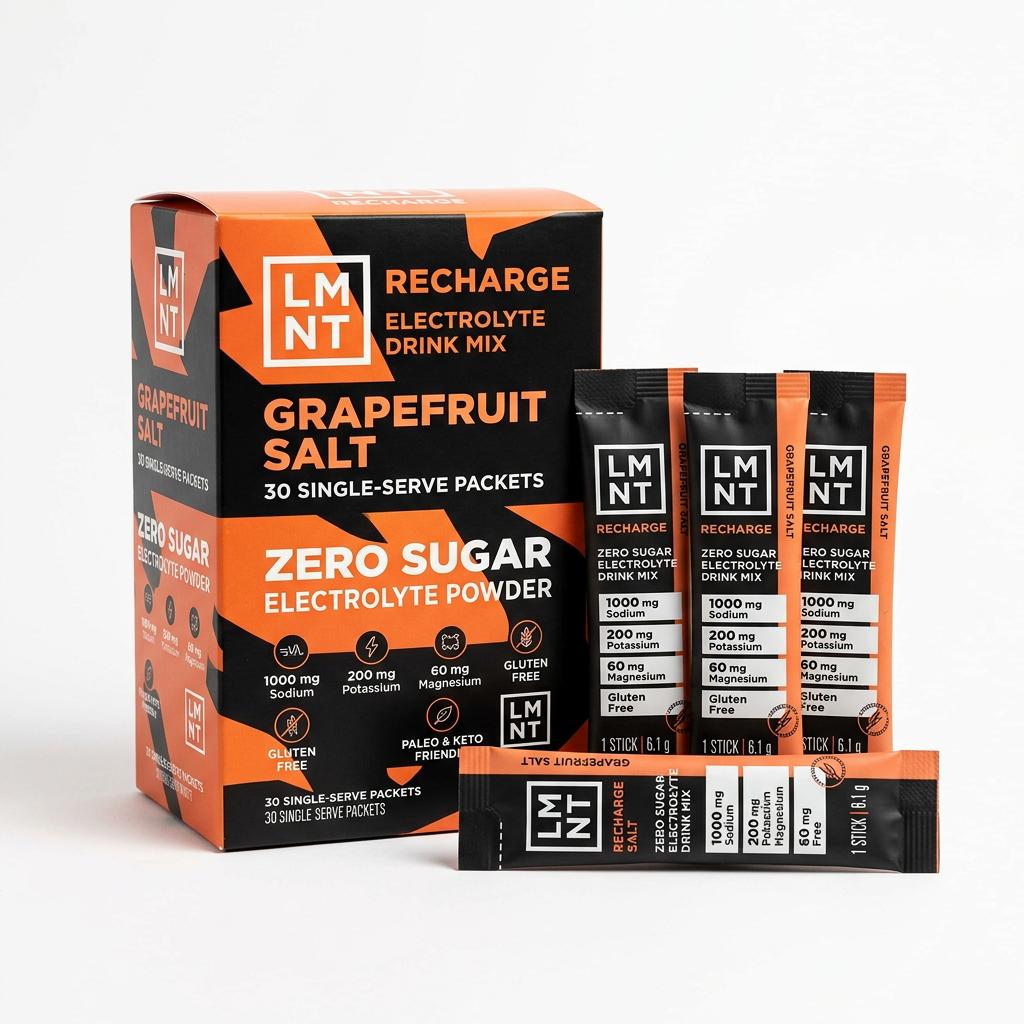 |
LMNT Recharge Electrolyte Drink Mix | $45-$55 | Best Overall | Check Price |
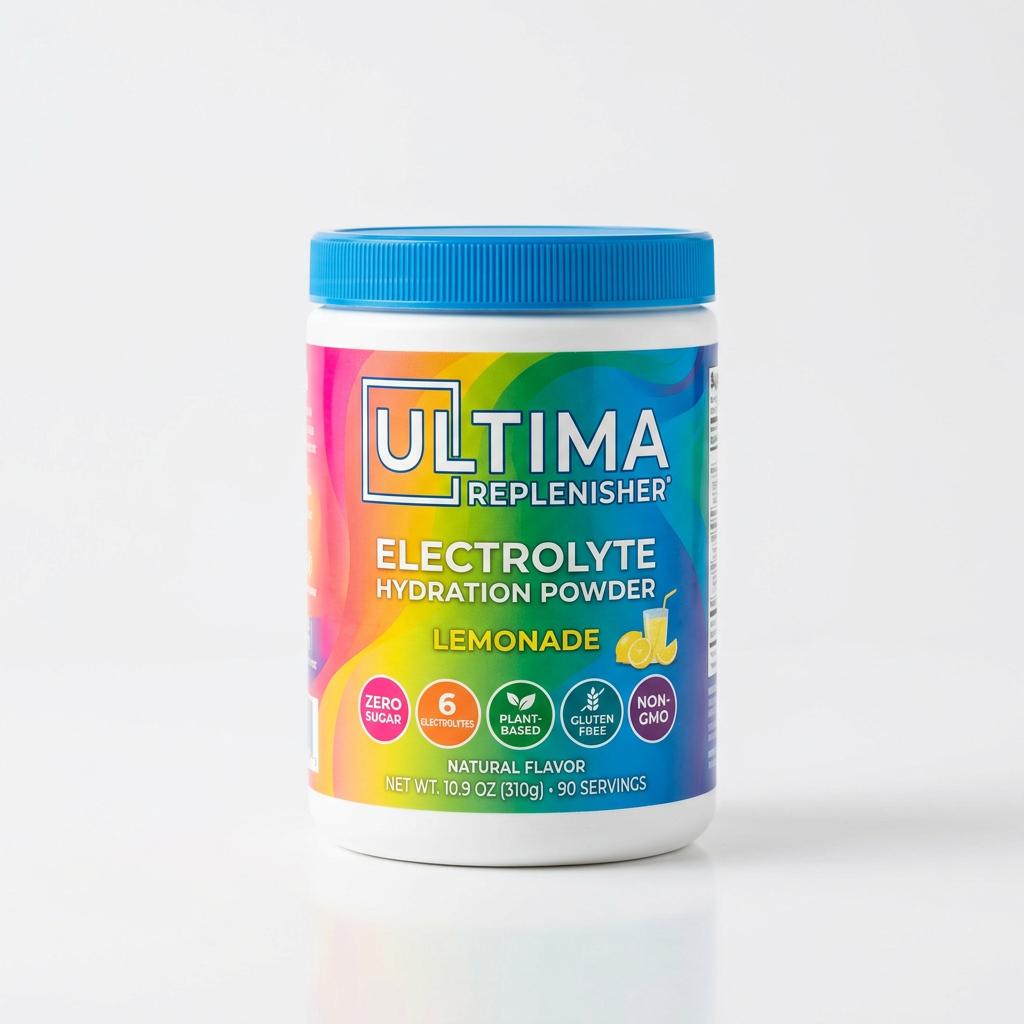 |
Ultima Replenisher Electrolyte Hydration Powder | $20-$30 | Best Zero Sugar | Check Price |
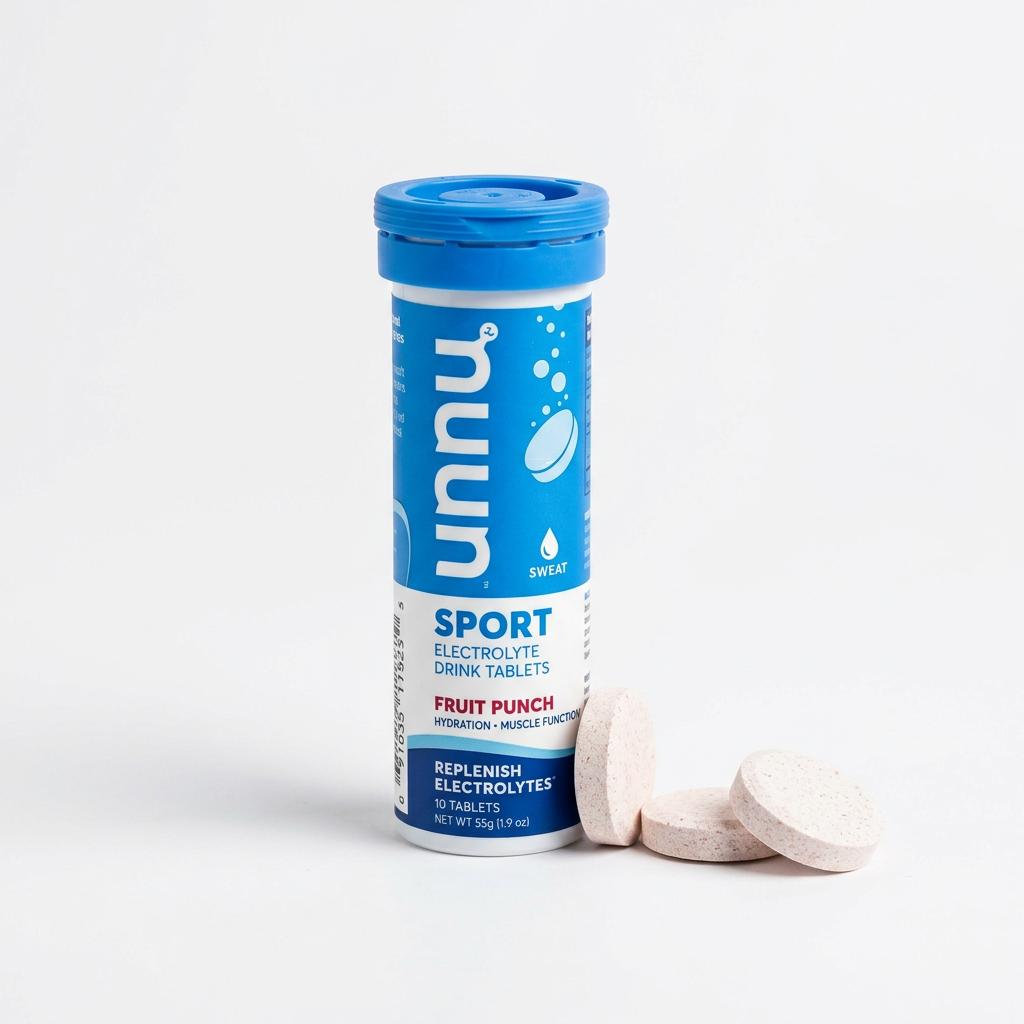 |
Nuun Sport Electrolyte Drink Tablets | $7-$10 | Best Portable | Check Price |
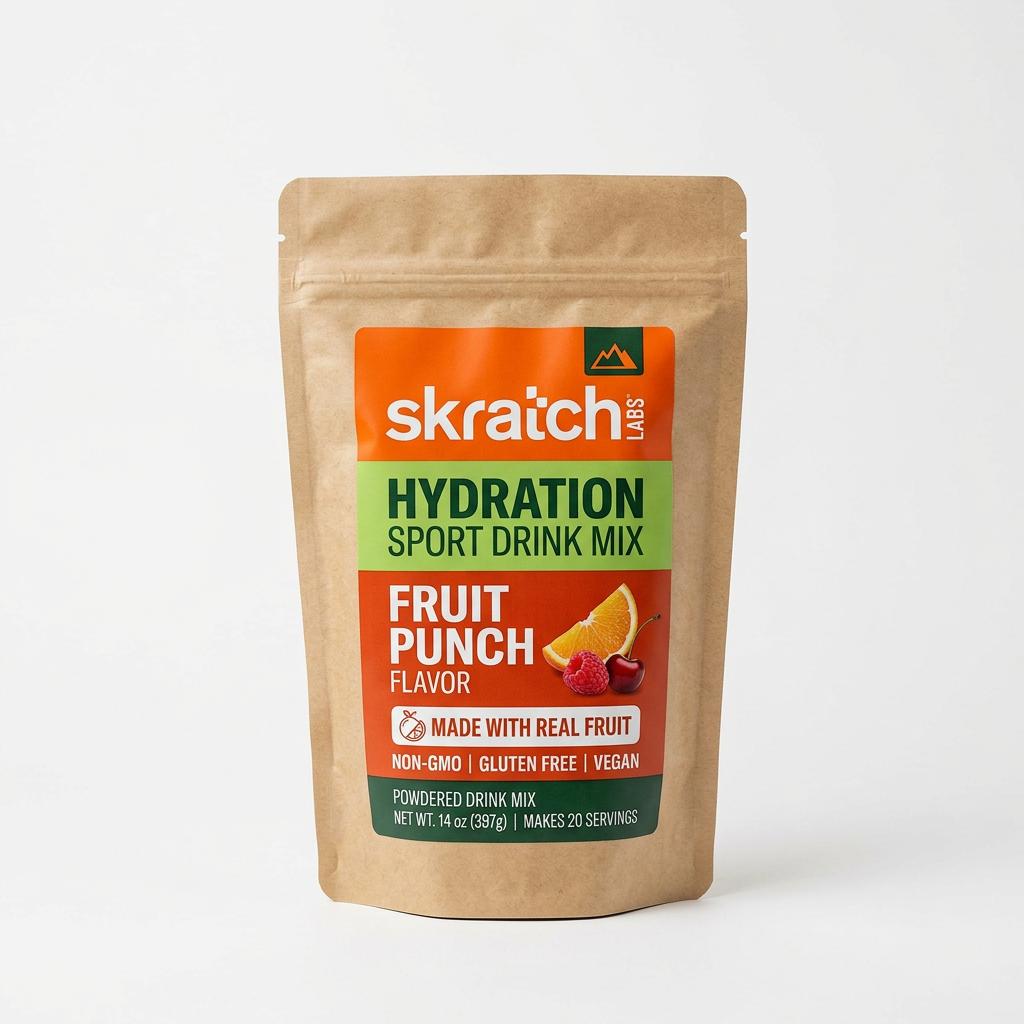 |
Skratch Labs Hydration Sport Drink Mix | $20-$25 | Best Natural | Check Price |
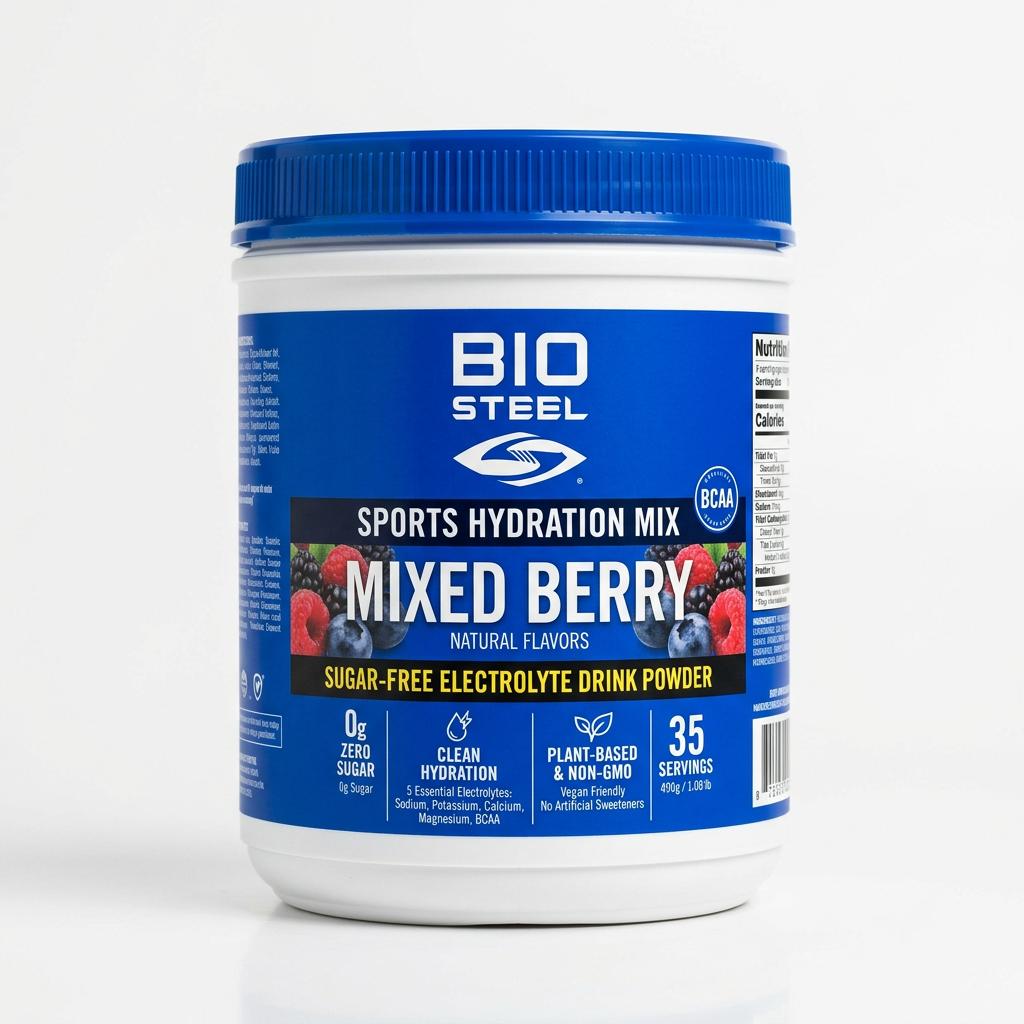 |
BioSteel Sports Hydration Mix | $15-$20 | Best Sugar-Free | Check Price |
The most electrolyte-dense zero-sugar hydration product on the market, designed for serious athletes and heavy sweaters.
A comprehensive plant-based electrolyte formula with six essential electrolytes at an exceptional per-serving value.
The most convenient electrolyte solution with effervescent tablets that turn any water bottle into a sports drink on the go.
A science-backed hydration mix made with real fruit, developed by sports scientists who understand that some sugar aids electrolyte absorption.
A clean sugar-free hydration mix that adds modest BCAA support alongside its electrolyte blend, trusted by professional athletes.
LMNT Recharge is the most electrolyte-dense zero-sugar hydration product available, designed specifically for athletes who need serious sodium replacement. Each packet delivers a remarkable 1,000mg of sodium - far more than conventional sports drinks - alongside 200mg of potassium and 60mg of magnesium. This high sodium content makes LMNT ideal for heavy sweaters, those training in hot environments, and athletes following low-carb or keto diets where sodium needs are elevated. The zero-sugar formula uses no artificial sweeteners, relying instead on natural flavors that are genuinely pleasant. Grapefruit Salt is the standout flavor - tart, refreshing, and not overly salty. The single-serve packets are perfect for tossing in a gym bag. However, the high sodium content may be excessive for casual gym-goers doing moderate 30-45 minute sessions. LMNT is specifically formulated for athletes training 60+ minutes in challenging conditions, and for that demographic, it's unmatched.
Check Price on Amazon
Ultima Replenisher takes a more balanced approach to electrolyte supplementation than sodium-heavy products like LMNT. Each serving provides six electrolytes - sodium, potassium, magnesium, calcium, chloride, and phosphorus - plus trace minerals, all with zero sugar and zero calories. The plant-based colors and flavors, along with the absence of artificial sweeteners, make it appealing to health-conscious consumers. The Lemonade flavor is pleasantly tart and refreshing without being overly sweet. With 90 servings per container, Ultima offers exceptional value for daily hydration. However, the sodium content is relatively modest at 55mg per serving, making it better suited for general daily hydration and light-to-moderate exercise rather than intense, prolonged sessions in hot conditions. For home gym athletes doing 30-60 minute sessions who want a pleasant-tasting daily electrolyte drink without sugar, Ultima is an excellent choice. For endurance athletes or heavy sweaters, a higher-sodium option may be more appropriate.
Check Price on Amazon
Nuun Sport Electrolyte Drink Tablets are the ultimate in hydration convenience. Each effervescent tablet dissolves in water to create a light, refreshing sports drink with just 15 calories and 1 gram of sugar. The tablet format eliminates the need to measure powder or carry bulky containers - simply drop one in your water bottle and let it fizz. Each tube contains 10 tablets and is small enough to fit in any pocket or gym bag, making Nuun perfect for travel, outdoor workouts, or keeping at your desk. The electrolyte content is moderate: 300mg sodium, 150mg potassium, and 25mg magnesium per tablet, making it suitable for light-to-moderate exercise but potentially insufficient for heavy sweaters or sessions exceeding 90 minutes. The Fruit Punch and Strawberry Lemonade flavors are particularly good. For home gym athletes who want a convenient, low-calorie electrolyte option that's easy to grab and go, Nuun Sport is unbeatable.
Check Price on Amazon
Skratch Labs Hydration Sport Drink Mix was developed by Allen Lim, a sports scientist who worked with professional cyclists, and his approach reflects real exercise physiology. Unlike zero-sugar electrolyte products, Skratch contains 4 grams of sugar per serving - not for taste, but because research shows that a small amount of carbohydrate actually enhances sodium absorption through the intestinal wall during exercise. The electrolyte profile is balanced for athletic performance: 380mg sodium, 40mg potassium, 39mg magnesium, and 44mg calcium. The real fruit flavors - Fruit Punch being a standout - taste genuinely natural without the artificial aftertaste of many sports drinks. The kraft paper packaging is eco-friendly and resealable. For home gym athletes doing 45-90 minute sessions, Skratch represents a thoughtfully formulated option that balances electrolyte replacement with the practical reality that some sugar aids hydration during exercise.
Check Price on Amazon
BioSteel Sports Hydration Mix occupies a unique position in the electrolyte market by combining zero-sugar hydration with a modest dose of BCAAs (branched-chain amino acids). The formula delivers five essential electrolytes - sodium, potassium, magnesium, calcium, and chloride - sweetened naturally with stevia and flavored without artificial colors or preservatives. The Mixed Berry flavor is genuinely refreshing and not overly sweet. Originally formulated for professional hockey players, BioSteel has expanded to become the hydration choice for athletes across multiple sports. The added BCAAs are a nice bonus for intra-workout use, though at roughly 1 gram per serving they're not a replacement for dedicated BCAA or EAA supplements. The electrolyte content is moderate, making BioSteel suitable for general training sessions of 45-75 minutes. For home gym athletes who want a clean, sugar-free hydration mix with a bit of amino acid support, BioSteel offers a well-rounded formula at a reasonable price point.
Check Price on Amazon