Best Adaptogen Supplements 2026: 5 Tested for Stress & Recovery
Tested 5 adaptogenic supplements for stress management and recovery. KSM-66 Ashwagandha wins for research backing and ef...
SnugGym is an Amazon Associate. We earn from qualifying purchases at no extra cost to you. Learn more
Evidence-based comparison of creatine monohydrate vs other forms including HCL, ethyl ester, and buffered creatine. Covers effectiveness, absorption, price, dosage, and why monohydrate remains the gold standard.
FTC Disclosure: SnugGym.com is reader-supported. We may earn a commission through affiliate links at no extra cost to you. This helps fund our independent analysis and reviews.
Creatine monohydrate is the most researched sports supplement in history, with over 1,000 peer-reviewed studies supporting its safety and efficacy for increasing strength, power, and lean muscle mass. It's also among the cheapest supplements available — a year's supply of quality creatine monohydrate costs less than a month of most other fitness supplements.
Yet despite this overwhelming evidence base, the supplement industry continues launching "advanced" creatine formulations claiming superior absorption, reduced side effects, or enhanced effectiveness. Creatine hydrochloride (HCL), creatine ethyl ester, buffered creatine (Kre-Alkalyn), creatine magnesium chelate, and liquid creatine products all promise to improve upon the original — usually at 3-10 times the price.
The critical question for anyone investing in creatine supplementation is whether these alternative forms deliver on their promises or simply extract more money from consumers through marketing. This research-backed comparison examines the scientific evidence for each major creatine form, analyzes absorption claims, compares pricing, evaluates side effect profiles, and explains why creatine monohydrate remains the unequivocal gold standard despite two decades of supposed innovation.
Creatine is a naturally occurring compound found in muscle cells that helps regenerate ATP (adenosine triphosphate), your body's primary energy currency for high-intensity exercise. Supplementing with creatine increases intramuscular phosphocreatine stores, allowing for:
These benefits are well-established for creatine monohydrate specifically. For alternative forms to justify their premium, they must demonstrate either superior bioavailability (more creatine reaching muscle tissue) or measurably better outcomes than monohydrate at equivalent doses.
| Criteria | Monohydrate | HCL | Ethyl Ester | Buffered (Kre-Alkalyn) | Magnesium Chelate |
|---|---|---|---|---|---|
| Research volume | 1,000+ studies | ~10 studies | ~15 studies | ~5 studies | ~3 studies |
| Proven efficacy | Excellent | Good (not superior) | Disproven | Not superior | Insufficient data |
| Absorption claims | Baseline (well-absorbed) | "Better solubility" | "Bypass creatine transporter" | "Resists stomach acid" | "Enhanced uptake" |
| Evidence for claims | N/A | Not clinically meaningful | False — inferior to mono | Not supported | Insufficient |
| Loading phase needed | Optional (5g/day works) | No (lower dose claimed) | No (claimed) | No (claimed) | No (claimed) |
| Water retention | Moderate (5-10 days) | Claimed less | Variable | Claimed less | Unknown |
| Digestive side effects | Rare at 3-5g | Rare | More GI issues reported | Rare | Unknown |
| Price per serving | $0.10-$0.20 | $0.30-$0.60 | $0.40-$0.80 | $0.50-$1.00 | $0.40-$0.70 |
| Cost per effective dose | $0.10-$0.20 | $0.30-$0.60 | $0.40-$0.80 | $0.50-$1.00 | $0.40-$0.70 |
| Value rating | Excellent | Poor | Very poor | Very poor | Poor |
Overall Winner: Creatine Monohydrate — no alternative form has demonstrated superior outcomes in well-designed research.
Creatine monohydrate consists of a creatine molecule bound to one water molecule. When consumed, it's absorbed through the intestines (via the CMT1 creatine transporter and passive diffusion), enters the bloodstream, and is taken up by muscle tissue through sodium-dependent creatine transporters. Approximately 95% of the body's creatine stores reside in skeletal muscle.
Check price at Amazon
Monohydrate has approximately 88% creatine by weight (the remaining 12% is the water molecule). It's typically micronized to improve solubility in water — micronized creatine dissolves more readily and may cause less stomach discomfort for sensitive users.
Key findings from the extensive monohydrate research literature:
Creatine monohydrate's side effect profile is remarkably benign:
Check price at Amazon — Micronized Creatine
Creatine HCL manufacturers claim that binding creatine to a hydrochloride molecule:
The scientific reality does not support these marketing claims:
Solubility: HCL is indeed more soluble in water — this is objectively true and easily demonstrated. However, solubility in a glass of water does not translate to superior absorption in the human body. Monohydrate is already well-absorbed (nearly 100% at standard doses), so there's limited room for improvement.
Dose efficiency: Despite claims that HCL requires only 750mg-1.5g, no peer-reviewed study has demonstrated equivalent muscle creatine saturation at these doses compared to 3-5g of monohydrate. The 2015 study most frequently cited by HCL manufacturers was funded by the patent holder and has methodological limitations that prevent strong conclusions.
Absorption: A 2019 study in the Journal of the International Society of Sports Nutrition found no significant difference in plasma creatine levels or muscle creatine content between HCL and monohydrate when adjusted for creatine content. The improved solubility did not translate to improved bioavailability.
Side effects: No high-quality evidence shows HCL produces fewer side effects than monohydrate. Both are well-tolerated at standard doses.
Creatine HCL appears to work — creatine is creatine, and any form that delivers creatine to muscle tissue will produce benefits. However, there's no credible evidence that HCL works better than monohydrate. The premium pricing (3-5x the cost) is not justified by any clinically meaningful advantage.
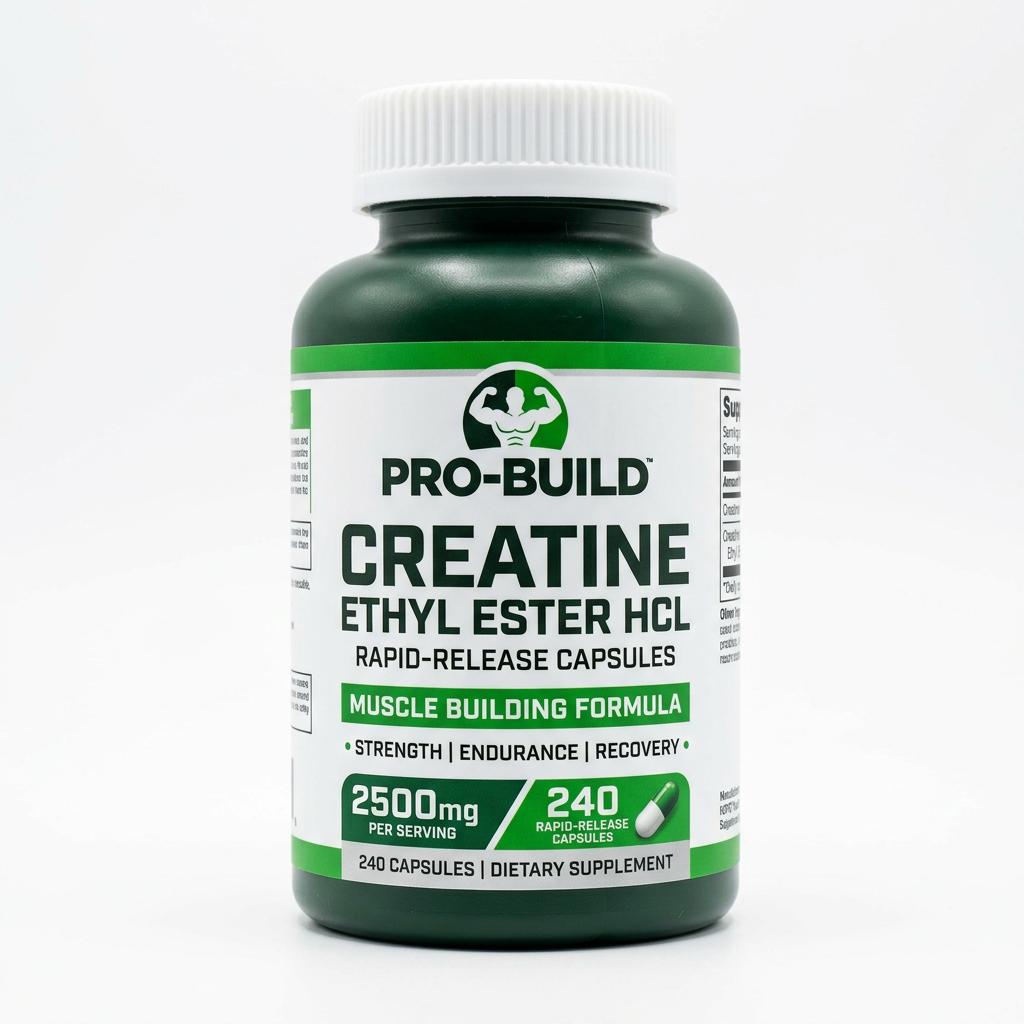
Creatine ethyl ester was marketed with the claim that adding an ethyl ester group would allow creatine to bypass the creatine transporter and directly enter muscle cells, dramatically improving absorption and eliminating the need for loading.
CEE has been the most thoroughly debunked alternative creatine form:
The 2009 Spillane Study: Published in the Journal of the International Society of Sports Nutrition, this randomized controlled trial compared CEE, monohydrate, and placebo over 47 days. Results showed:
Subsequent research: Multiple studies have confirmed CEE's instability in acidic environments and its failure to increase muscle creatine stores effectively. Some research suggests CEE may convert primarily to creatinine (a waste product) rather than functional creatine.
Check price at Amazon
Creatine ethyl ester is the clearest example of supplement marketing divorced from science. Not only does CEE fail to outperform monohydrate, but high-quality evidence suggests it's actually inferior — breaking down before reaching muscle tissue and failing to increase creatine stores. Despite this, CEE products remain on the market, often at premium prices. Avoid entirely.
Kre-Alkalyn (patented buffered creatine) claims that adding an alkaline buffer (raising the pH) prevents creatine from breaking down into creatinine in stomach acid, resulting in:
The claims around Kre-Alkalyn have not held up to scientific scrutiny:
The 2012 Jagim Study: Researchers compared Kre-Alkalyn to monohydrate at equivalent creatine doses (5g each) over 28 days. Results showed:
Stability claims: Independent analysis has shown that while buffered creatine is more stable in solution over extended periods, this stability doesn't translate to superior absorption. Monohydrate is already efficiently absorbed during normal digestion.
Dose efficiency claims: No peer-reviewed study supports the claim that 1.5g of Kre-Alkalyn equals 5g of monohydrate. The company-sponsored study making this claim lacked proper controls and has not been replicated.
Buffered creatine works because it contains creatine, but there's no evidence the buffering provides any advantage over standard monohydrate. At 5-10x the price per gram of creatine, it represents poor value. The money saved by choosing monohydrate over Kre-Alkalyn funds months of protein supplementation or gym equipment.
| Form | Claim | Evidence | Verdict |
|---|---|---|---|
| Liquid creatine | Pre-dissolved for better absorption | Creatine is unstable in liquid; degrades to creatinine | Avoid — likely ineffective |
| Creatine magnesium chelate | Enhanced uptake via magnesium | 1-2 small studies; not superior to mono | Unproven — insufficient evidence |
| Creatine nitrate | Enhanced blood flow from nitrate | No creatine-specific advantages shown | Unproven — use mono + beetroot instead |
| Creatine pyruvate | Enhanced endurance from pyruvate | No meaningful advantage over mono | Unproven — insufficient evidence |
| Creatine citrate | Better solubility | More soluble; not better absorbed | Unnecessary — micronized mono works fine |
| Form | Typical 300g Cost | Servings (effective) | Cost per serving | Annual cost |
|---|---|---|---|---|
| Monohydrate (bulk) | $15-20 | 60 (5g each) | $0.15 | ~$55 |
| Monohydrate (branded) | $20-35 | 60 (5g each) | $0.30 | ~$110 |
| HCL | $25-40 | 40 (1.5g claimed = 5g mono) | $0.50 | ~$183 |
| Kre-Alkalyn | $30-50 | 30 (1.5g claimed = 5g mono) | $1.00 | ~$365 |
| Ethyl Ester | $25-40 | 40 | $0.63 | ~$230 |
Check price at Amazon — Bulk Creatine Monohydrate
The pricing reality is stark: a year's supply of quality creatine monohydrate ($55-110) costs less than 2-3 months of Kre-Alkalyn or premium HCL. Over a five-year supplementation period, the difference is $1,000+ — money that could purchase a premium barbell, power rack, or years of gym membership.
Despite the overwhelming case for monohydrate, there are limited scenarios where alternatives could be considered:
A small percentage of users experience persistent stomach discomfort with monohydrate even at low doses, with food, and in micronized form. For these rare individuals, HCL's improved solubility might reduce GI symptoms — though switching to smaller divided doses of monohydrate should be attempted first.
The lower dose volume of HCL (1.5g vs 5g) creates marginally more convenient travel packets. This is a convenience consideration, not an effectiveness one — and empty gelatin capsules filled with monohydrate powder achieve the same portability at lower cost.
If you've used an alternative form, believe it works better for you, and the cost difference is irrelevant to your budget, the placebo effect may provide genuine psychological benefit. This is a valid personal choice, though not a scientifically supported one.
Some pre-workout supplements include creatine HCL rather than monohydrate for formulation reasons (solubility in liquid products, smaller serving sizes). In these contexts, the form is less important than the total product formula.
Not all creatine monohydrate is equal. Here's how to evaluate quality:
The vast majority of creatine monohydrate sold globally comes from Chinese manufacturers, with several large facilities producing pharmaceutical-grade creatine. Look for:
Micronized creatine has smaller particle size (typically 20-80 microns vs 200+ for standard), improving:
Most quality brands now micronize by default. Look for "micronized" on the label.
Quality creatine monohydrate should be:
The best products contain exactly one ingredient: creatine monohydrate.
| Form | Pros | Cons |
|---|---|---|
| Powder | Most cost-effective, flexible dosing, fast absorption | Requires mixing, slight taste |
| Capsules | Convenient, no taste, portable | More expensive, large capsules (5g = 7-10 capsules) |
| Chews | Convenient, flavored | Expensive, added sugars/ingredients |
Powder is the optimal form for cost and dosing flexibility.
| Product | Features | Price per 5g serving |
|---|---|---|
| Nutricost Creatine Monohydrate | 1kg, micronized, unflavored, tested | ~$0.10 |
| BulkSupplements Creatine | Bulk bags, multiple sizes, COA available | ~$0.08 |
| Optimum Nutrition Micronized Creatine | Creapure source, trusted brand | ~$0.15 |
| Thorne Creatine | NSF Certified, pharmaceutical grade | ~$0.45 |
| Kaged Muscle CreaClear | Microencapsulated, vegan | ~$0.40 |
Check price at Amazon
After two decades of "advanced" creatine formulations, creatine monohydrate remains the undisputed gold standard for good reason: it works reliably, it's safe, it's cheap, and no alternative form has demonstrated superior effectiveness in well-controlled research.
The supplement industry profits from confusion and novelty. Each new creatine form arrives with marketing claims that sound scientific and promises that appeal to desire for optimization. But the research consistently shows that creatine is creatine — once it reaches muscle tissue, the form it arrived in is irrelevant. And since monohydrate is already nearly 100% bioavailable at standard doses, there's simply no meaningful performance gap to close.
For 95% of users: Buy micronized creatine monohydrate from a reputable brand. Take 3-5g daily, consistently. Don't cycle on and off — continuous supplementation maintains saturation. Don't bother with loading unless you need immediate results for a competition. Don't pay more for "advanced" forms that have never beaten the original in a fair fight.
For the 5% with genuine GI sensitivity to monohydrate: Try divided doses (2.5g twice daily), micronized powder, taking with meals, or mixing in warm water. If symptoms persist after these adjustments, HCL may be worth trying — but purchase with the understanding that you're paying more for tolerance, not effectiveness.
The $500-1,000 you'll save over five years by choosing monohydrate over alternatives? That's a premium barbell, a year of quality protein, or a significant payment toward a power rack. Invest in equipment that lasts, not marketing that doesn't.
Last updated: January 2025. Prices subject to change. Consult a healthcare provider before beginning any supplement regimen, particularly if you have pre-existing kidney conditions.
| Image | Product | Price | Badge | Link |
|---|---|---|---|---|
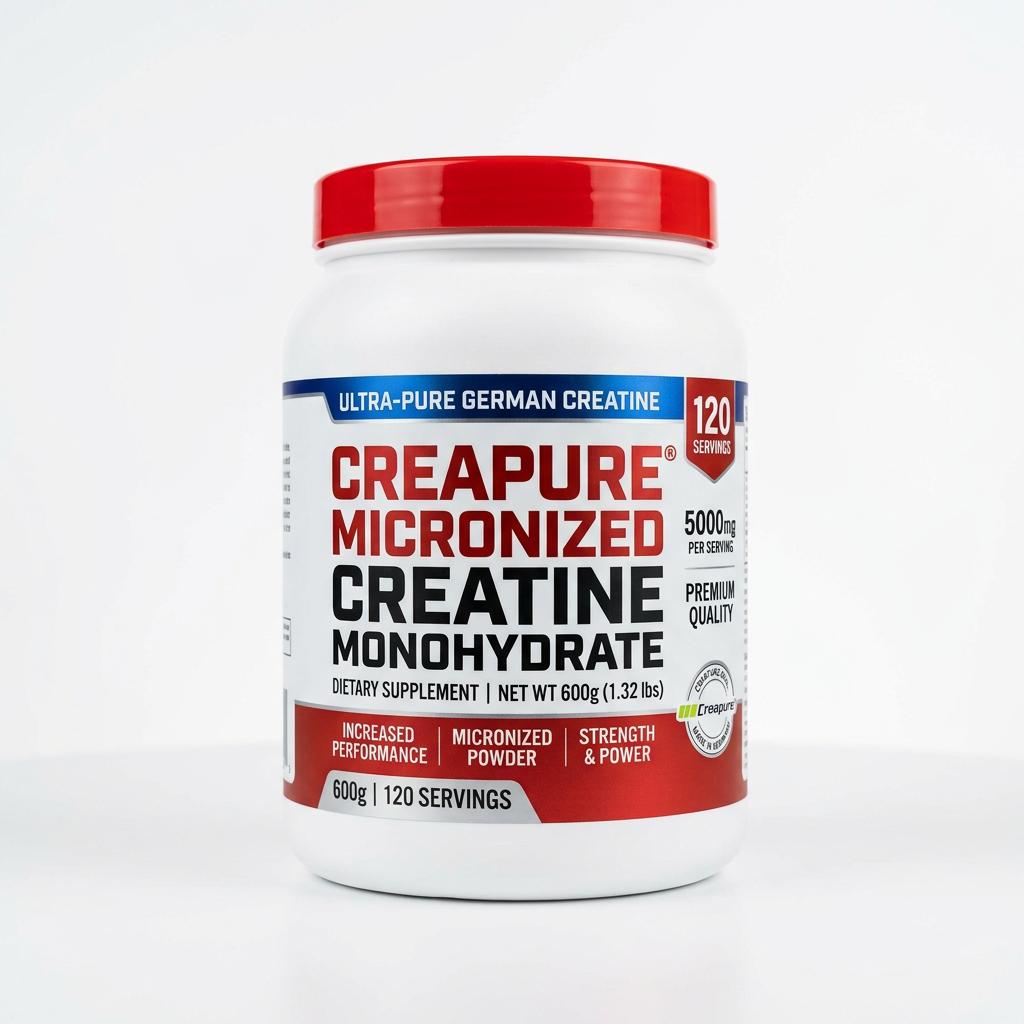 |
Klean Athlete Klean Creatine | $30-$40 | Best Monohydrate | Check Price |
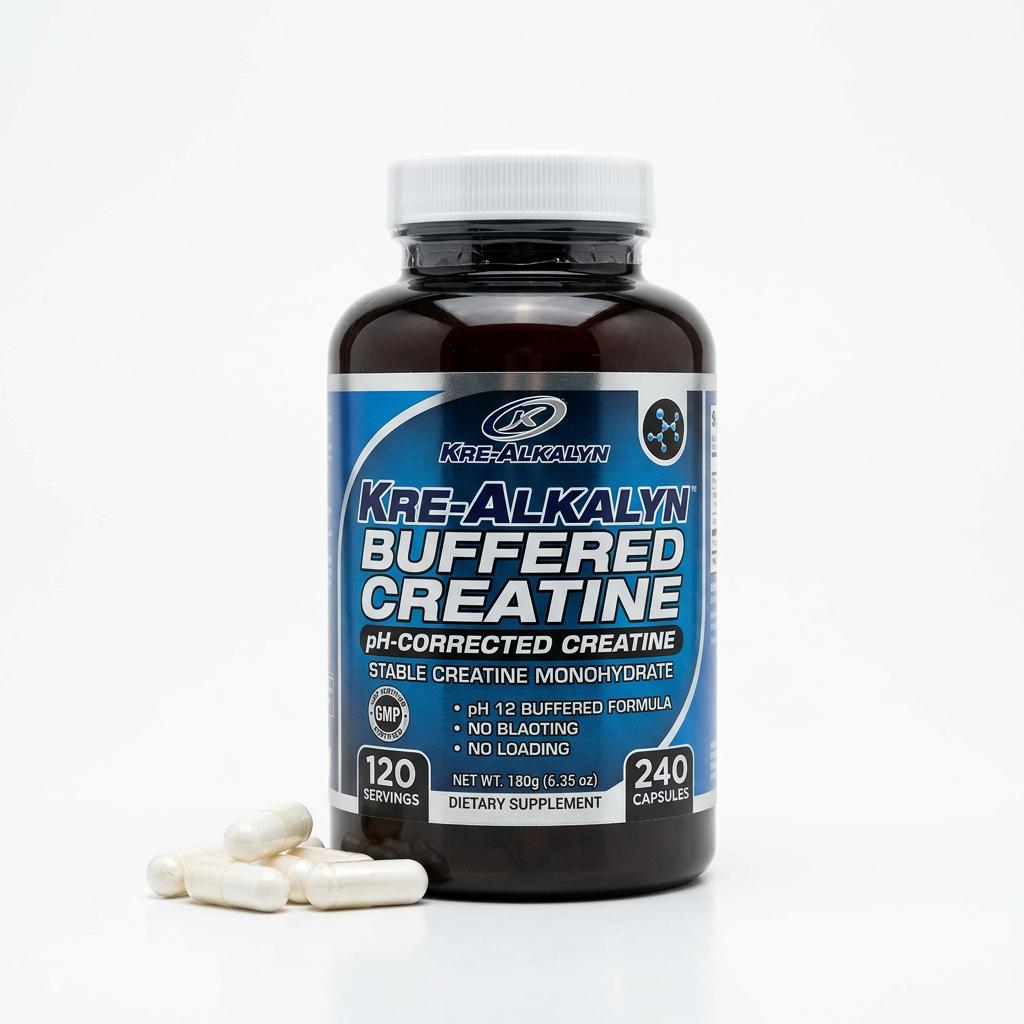 |
CON-CRET Creatine HCL | $25-$35 | Best HCL Option | Check Price |
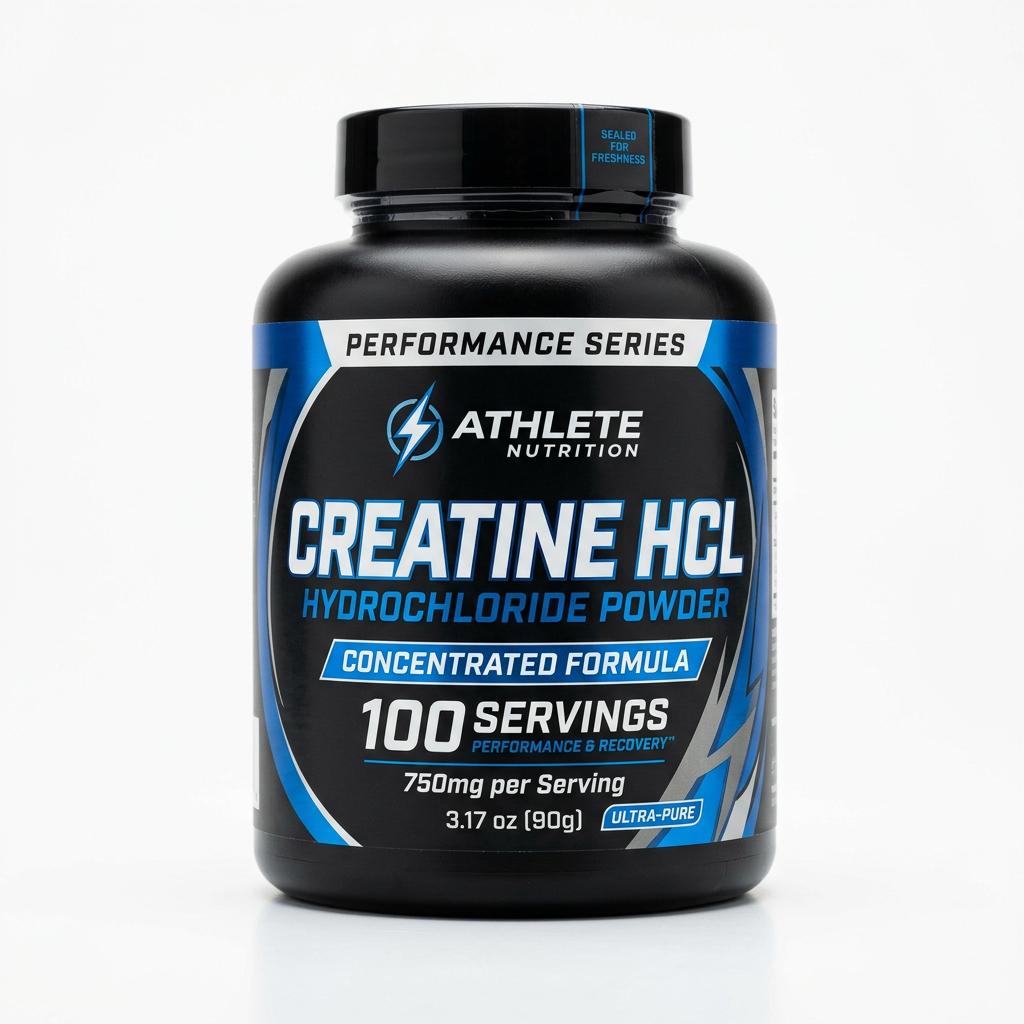 |
ALLMAX Nutrition Creatine Monohydrate | $20-$30 | Best Creapure | Check Price |
 |
EFX Sports Kre-Alkalyn | $25-$35 | Best Buffered | Check Price |
 |
Jacked Factory Creatine Monohydrate | $15-$25 | Best Budget Monohydrate | Check Price |
The definitive creatine monohydrate choice with NSF for Sport certification and overwhelming research backing compared to all alternative forms.
The most popular creatine HCL option with superior solubility, though research has not demonstrated it outperforms standard monohydrate.
Premium German Creapure creatine monohydrate with pharmaceutical-grade purity standards and excellent micronization.
The original buffered creatine that claims pH-correct technology, though studies have not demonstrated it outperforms standard monohydrate.
A straightforward, affordable creatine monohydrate that proves the simplest form remains the most cost-effective choice.
Klean Athlete Klean Creatine represents the gold standard against which all other creatine forms should be measured. As an NSF Certified for Sport product, it undergoes the most rigorous third-party testing available, making it suitable for Olympic and professional athletes. Pure creatine monohydrate has been the subject of over 1,000 peer-reviewed studies, consistently demonstrating safety and efficacy for increasing strength, power, and lean mass. No alternative form - whether HCL, ethyl ester, or buffered - has ever demonstrated superiority to monohydrate in well-controlled research. Klean Creatine mixes well, has virtually no taste, and delivers exactly 5 grams of pure creatine per serving. For anyone comparing creatine forms, Klean Creatine serves as the benchmark: it's the most researched, most cost-effective, and most proven option available.
Check Price on Amazon
CON-CRET Creatine HCL is the most recognized creatine hydrochloride product on the market, marketed as a more soluble and absorbable alternative to monohydrate. It is true that creatine HCL dissolves more readily in water - approximately 60 times more soluble than monohydrate. However, solubility in a glass does not necessarily translate to superior absorption in the body. CON-CRET requires a much smaller dose (750mg to 1.5g) compared to monohydrate's standard 5g, but no peer-reviewed study has demonstrated equivalent or superior muscle creatine saturation at these lower doses. The improved solubility may reduce stomach discomfort for the small percentage of users who experience GI issues with monohydrate. For those specifically interested in trying HCL, CON-CRET is the category leader, but buyers should understand that the premium pricing is not supported by evidence of superior effectiveness compared to monohydrate.
Check Price on Amazon
ALLMAX Nutrition Creatine Monohydrate uses Creapure, the branded creatine monohydrate manufactured in Germany by AlzChem Trostberg GmbH. Creapure is widely considered the highest-quality creatine monohydrate available, with a purity standard of 99.99% and rigorous manufacturing controls that exceed typical supplement industry standards. ALLMAX micronizes this Creapure source for improved solubility and mixability. The result is a creatine powder that dissolves cleanly in water with minimal residue and virtually no taste. While Creapure's purity advantage over other quality monohydrates is likely negligible in practical terms - all pure creatine monohydrate is chemically identical - the German manufacturing standards and quality control provide additional peace of mind. For those comparing monohydrate to alternative forms, this product represents monohydrate at its absolute best.
Check Price on Amazon
EFX Sports Kre-Alkalyn is the original buffered creatine product, claiming that its pH-corrected formula prevents conversion to creatinine in stomach acid, thereby improving absorption and requiring smaller doses. In theory, this sounds compelling. In practice, multiple independent studies have found no significant difference in muscle creatine content or performance outcomes between Kre-Alkalyn and standard creatine monohydrate when equivalent doses are compared. The 2012 Jagim study directly compared Kre-Alkalyn to monohydrate and found identical results. Kre-Alkalyn requires 1.5-gram doses rather than the standard 5 grams, but this is because the buffering agents take up volume, not because the creatine itself is more effective. The capsule form is convenient for travel. For those specifically interested in buffered creatine, Kre-Alkalyn is the category originator, but the scientific evidence does not support its premium pricing over quality monohydrate.
Check Price on Amazon
Jacked Factory Creatine Monohydrate embodies the principle that has made creatine monohydrate the undisputed king of sports supplements: it works, it's safe, and it's cheap. This product delivers 5 grams of pure micronized creatine monohydrate per serving with absolutely nothing else added. Manufactured in a GMP-certified facility, it meets quality standards that ensure consistency and purity. The micronized powder dissolves well and has no taste, making it easy to add to any beverage. At roughly $0.15-0.25 per serving, it demonstrates the massive cost advantage that monohydrate holds over HCL, buffered, ethyl ester, and other alternative forms. When you compare the 1,000+ studies supporting monohydrate's efficacy against the handful of studies on alternative forms (none of which show superiority), the choice becomes clear: for the vast majority of users, a quality monohydrate like this is all you need.
Check Price on Amazon