Best Adaptogen Supplements 2026: 5 Tested for Stress & Recovery
Tested 5 adaptogenic supplements for stress management and recovery. KSM-66 Ashwagandha wins for research backing and ef...
Research-backed guide to creatine guide beginners for small-space home gyms.
Full disclosure: SnugGym earns a commission on purchases made through the Amazon links below, at no extra cost to you. SnugGym is an Amazon Associate and also participates in other affiliate programs.
Walk into any supplement store and you'll face a wall of products promising transformative results. Most don't deliver. Creatine monohydrate does.
With over 1,000 peer-reviewed studies spanning three decades, creatine is the most extensively researched sports supplement in existence[^1]. The International Society of Sports Nutrition (ISSN) position stand calls it "the most effective ergogenic nutritional supplement currently available"[^2]. It's not marketing hype—it's scientific consensus.
For home gym users specifically, creatine offers unique value. You don't have training partners pushing you through final reps. You don't have the competitive atmosphere of a commercial gym. Creatine provides the marginal performance enhancement—the extra rep, the faster recovery between sets—that can make the difference between progress and plateau when training alone.
This guide covers everything you need to know as a beginner: the science, the practical application, the myths, and the mistakes to avoid.
Creatine is a naturally occurring compound synthesized in the liver, kidneys, and pancreas from the amino acids glycine, arginine, and methionine[^3]. It's also found in dietary sources, primarily meat and fish—a pound of raw beef contains approximately 1–2 g of creatine.
Approximately 95% of the body's creatine stores reside in skeletal muscle, where it exists primarily as phosphocreatine (PCr). The phosphocreatine energy system serves as the body's rapid ATP regeneration pathway during high-intensity, short-duration exercise[^4].
Adenosine triphosphate (ATP) is the body's immediate energy currency. Every muscle contraction requires ATP hydrolysis. During intense exercise, ATP stores deplete within seconds. Phosphocreatine donates its phosphate group to ADP (adenosine diphosphate), rapidly regenerating ATP and allowing continued high-intensity effort[^5].
Supplementing with creatine increases muscle phosphocreatine stores by 10–40%, depending on baseline levels[^6]. More phosphocreatine means faster ATP regeneration, which translates to:
These acute performance enhancements accumulate over training cycles, producing greater strength and muscle gains than identical training without supplementation[^7].
A landmark 2003 meta-analysis by Rawson and Volek reviewed 22 studies and found creatine supplementation increased one-repetition maximum strength by an average of 8% and weightlifting volume (reps × sets × load) by 14% compared to placebo[^8]. The effect size is particularly pronounced in upper body exercises and during the initial loading phase.
Creatine supplementation, combined with resistance training, consistently produces greater lean mass gains than training alone. A 2018 meta-analysis in the Journal of the International Society of Sports Nutrition reported an average additional 2.2 lbs of lean mass with creatine versus placebo over 6–12 week training periods[^9].
The mechanism is partially water-related—creatine draws water into muscle cells, increasing intracellular hydration. But longitudinal studies show the gains persist beyond initial water retention, indicating genuine muscle tissue accretion driven by enhanced training capacity[^10].
Emerging research suggests creatine may support cognitive performance, particularly under conditions of metabolic stress. Studies have demonstrated improved working memory and reduced mental fatigue during sleep deprivation[^11]. The mechanism likely involves enhanced cerebral ATP turnover, analogous to the muscular effect.
For home gym users training early mornings or after demanding workdays, this potential cognitive benefit—while less robustly established than the physical effects—is a welcome secondary consideration.
The traditional loading phase involves consuming 20 g of creatine monohydrate daily, divided into four 5 g doses, for 5–7 days[^12]. This rapidly saturates muscle creatine stores, producing noticeable performance benefits within the first week.
Pros: Faster results, earlier performance enhancement, psychological reinforcement of supplement efficacy.
Cons: Potential for GI discomfort at high single doses, requires remembering multiple daily doses, marginally more expensive in the first week.
Alternatively, simply consuming 3–5 g daily will gradually saturate muscle stores over 3–4 weeks[^13]. Research demonstrates identical long-term outcomes between loading and maintenance approaches—the loading phase just reaches saturation faster.
Recommendation for beginners: Skip the loading phase. Start with 5 g daily. The gradual saturation avoids any GI adjustment period, and by week four, your muscle stores will be fully saturated with no disruption to your routine.
3–5 g per day, every day. This is the research-supported maintenance dose that saturates muscle creatine stores in virtually all individuals[^14].
Larger individuals (200+ lbs) may benefit from the higher end (5 g), while smaller individuals may achieve saturation at 3 g. There's no harm in taking 5 g regardless of body weight—excess creatine is simply excreted in urine.
The evidence suggests timing is largely irrelevant for creatine effectiveness[^15]. Consistency matters far more than clock-watching. However, some research indicates post-workout creatine consumption may produce marginally better muscle retention, likely due to exercise-enhanced blood flow and nutrient uptake[^16].
Practical recommendation: Take your 5 g whenever you'll remember it. Many users add it to their post-workout protein shake for convenience. Others take it with breakfast. The difference is trivial—daily consistency is what drives results.
The supplement industry has spent two decades trying to improve on creatine monohydrate. None have succeeded.
The original, most-researched, and most cost-effective form. Monohydrate has demonstrated efficacy in over 1,000 studies. It's approximately 88% creatine by weight (the remaining 12% is water molecule). Micronized versions improve solubility but offer no functional advantage over standard powder[^17].
Marketed as a more absorbable form requiring lower doses. Research shows CEE is actually less effective than monohydrate, with inferior plasma and muscle creatine levels despite higher prices[^18].
Claimed to resist conversion to creatinine in stomach acid, requiring lower doses. Multiple studies have found no advantage over monohydrate[^19]. The "buffering" provides no measurable benefit.
Marketed as more soluble and therefore more absorbable. While HCl is more water-soluble, this doesn't translate to superior muscle uptake. No studies demonstrate HCl outperforming monohydrate at equivalent creatine doses[^20].
Creatine is unstable in liquid solution, gradually degrading to creatinine (the inactive byproduct). Research confirms liquid creatine products are ineffective compared to powder[^21].
The verdict: Buy creatine monohydrate. It's the cheapest, most effective, and most thoroughly validated form. Every other variant represents a solution in search of a problem.
This is the most persistent creatine myth. The ISSN position stand confirms that creatine supplementation does not impair kidney function in healthy individuals[^2]. Decades of research, including studies lasting up to five years, have found no evidence of renal stress at recommended doses[^22].
Individuals with pre-existing kidney disease should consult their physician before supplementing—not because creatine is dangerous, but because their condition requires medical oversight of all dietary changes.
Early concerns suggested creatine might cause dehydration or muscle cramping due to water shifting into muscle cells. Large-scale studies have found no increased cramping incidence with creatine supplementation[^23]. In fact, some research suggests creatine may be protective against dehydration-related performance decrements.
Practical note: Creatine does draw water into muscle tissue. Drink adequate fluids daily—standard hydration advice, not creatine-specific, but worth emphasizing.
A single 2009 study found creatine increased DHT (dihydrotestosterone), a hormone implicated in male pattern baldness[^24]. However, this study has not been replicated, the DHT increase remained within normal physiological ranges, and no study has directly linked creatine supplementation to hair loss. The evidence is far too preliminary to warrant concern for most users.
Some users report stomach discomfort, particularly during loading phases with large single doses. This is easily mitigated:
Creatine's osmotic effect—drawing water into muscle cells—makes adequate hydration particularly important. While this doesn't require extraordinary fluid intake, it does mean you shouldn't neglect hydration.
Guidelines:
Given that all quality creatine monohydrate is chemically identical, your purchasing criteria are:
Recommended product: Optimum Nutrition Micronized Creatine Monohydrate Powder — Creapure-sourced, Informed Choice certified, micronized for solubility, at approximately $0.35 per serving.
As an Amazon Associate, we earn from qualifying purchases. Learn more
Day 1–7: Begin taking 5 g creatine monohydrate daily. Mix into your post-workout protein shake, morning oatmeal, or any beverage. No loading phase needed.
Day 8–14: You may notice subtle improvements in training capacity—slightly less fatigue between sets, one extra rep on challenging exercises. These early effects are partially psychological; physiological saturation is still developing.
Day 15–21: Muscle creatine stores approach full saturation. Performance benefits should be clearly noticeable. You may gain 1–3 lbs of water weight as creatine draws fluid into muscle cells. This is normal and desirable (fuller-looking muscles).
Day 22–30: Full saturation achieved. Continue 5 g daily indefinitely. The water retention stabilizes. Strength and performance improvements should be clearly measurable in training logs.
Ongoing: Continue 5 g daily, every day, including rest days. Consistency is more important than timing. There is no need to cycle off creatine—it's safe for continuous long-term use[^2].
Q: Can I mix creatine with my protein shake? A: Yes. Creatine mixes well with whey protein and may actually enhance uptake when co-consumed with carbohydrates or protein[^26].
Q: Do I need to take creatine on rest days? A: Yes. Muscle creatine stores deplete gradually; maintaining saturation requires daily supplementation.
Q: Will I lose my gains if I stop taking creatine? A: You'll lose the water weight within 2–4 weeks. Strength and muscle gains achieved through enhanced training capacity will largely remain, though performance may decrease slightly as phosphocreatine stores normalize.
Q: Can women take creatine? A: Absolutely. Research in female athletes shows equivalent performance benefits to men, with no adverse effects on body composition beyond the desired lean mass increases[^27].
Q: Does caffeine interfere with creatine? A: Early research suggested caffeine might blunt creatine's effects, but subsequent studies have found no meaningful interaction[^28]. Take both if desired.
[^1]: Buford TW, et al. "International Society of Sports Nutrition position stand: creatine supplementation and exercise." J Int Soc Sports Nutr. 2007;4:6. [^2]: Kreider RB, et al. "ISSN position stand: safety and efficacy of creatine supplementation." J Int Soc Sports Nutr. 2017;14:18. [^3]: Brosnan ME, Brosnan JT. "The role of dietary creatine." Amino Acids. 2016;48(8):1785-1791. [^4]: Casey A, Greenhaff PL. "Does dietary creatine supplementation play a role in skeletal muscle metabolism?" Am J Clin Nutr. 2000;72(2):607S-617S. [^5]: Saks VA, et al. "Creatine kinase in energy metabolic regulation." IUBMB Life. 1998;45(4):845-854. [^6]: Harris RC, et al. "Elevation of creatine in resting and exercised muscle of normal subjects by creatine supplementation." Acta Physiol Scand. 1992;144(4):435-443. [^7]: Lanhers C, et al. "Creatine supplementation and lower limb strength performance." J Sports Sci Med. 2015;14(2):374-380. [^8]: Rawson ES, Volek JS. "Effects of creatine supplementation and resistance training on muscle strength." J Strength Cond Res. 2003;17(4):822-831. [^9]: Devries MC, Phillips SM. "Creatine supplementation during resistance training in older adults." Med Sci Sports Exerc. 2014;46(6):1194-1203. [^10]: Volek JS, Kraemer WJ. "Creatine supplementation: its effect on human muscular performance." J Strength Cond Res. 1996;10(4):200-210. [^11]: Roschel H, et al. "Creatine supplementation and brain health." Nutrients. 2021;13(2):586. [^12]: Hultman E, et al. "Muscle creatine loading in men." J Appl Physiol. 1996;81(1):232-237. [^13]: Harris RC, et al. "Elevation of creatine in resting and exercised muscle." Acta Physiol Scand. 1992;144(4):435-443. [^14]: Buford TW, et al. "International Society of Sports Nutrition position stand." J Int Soc Sports Nutr. 2007;4:6. [^15]: Antonio J, Ciccone V. "The effects of pre versus post workout supplementation of creatine monohydrate." J Int Soc Sports Nutr. 2013;10:36. [^16]: Antonio J, Ciccone V. "The effects of pre versus post workout supplementation of creatine monohydrate." J Int Soc Sports Nutr. 2013;10:36. [^17]: Jäger R, et al. "Comparison of new forms of creatine in raising plasma creatine levels." J Int Soc Sports Nutr. 2011;8:23. [^18]: Spillane M, et al. "The effects of creatine ethyl ester supplementation combined with heavy resistance training." J Int Soc Sports Nutr. 2009;6:6. [^19]: Jagim AR, et al. "A buffered form of creatine does not promote greater changes in muscle creatine content." J Int Soc Sports Nutr. 2012;9:43. [^20]: Gufford BT, et al. "Physicochemical characterization of creatine N-methylguanidinium salts." J Diet Suppl. 2013;10(3):241-251. [^21]: Harris RC, et al. "The creatine content of Creatine Serum." J Sports Sci Med. 2004;3(1):54-58. [^22]: Kreider RB, et al. "Long-term creatine supplementation does not significantly affect clinical markers of health in athletes." Mol Cell Biochem. 2003;244(1-2):95-104. [^23]: Greenwood M, et al. "Creatine supplementation during college football training does not increase the incidence of cramping or injury." Mol Cell Biochem. 2003;244(1-2):83-88. [^24]: van der Merwe J, et al. "Three weeks of creatine monohydrate supplementation affects dihydrotestosterone to testosterone ratio." Clin J Sport Med. 2009;19(5):399-404. [^25]: Kaviani M, et al. "Benefits of creatine supplementation for vegetarians." J Int Soc Sports Nutr. 2020;17:43. [^26]: Pittas G, et al. "Optimization of insulin-mediated creatine retention during creatine feeding in humans." J Sports Sci. 2010;28(1):67-74. [^27]: Smith-Ryan AE, et al. "Creatine supplementation in women's health." Nutrients. 2021;13(10):3289. [^28]: Vandenberghe K, et al. "Caffeine counteracts the ergogenic action of muscle creatine loading." J Appl Physiol. 1996;80(2):452-457.
| Image | Product | Price | Badge | Link |
|---|---|---|---|---|
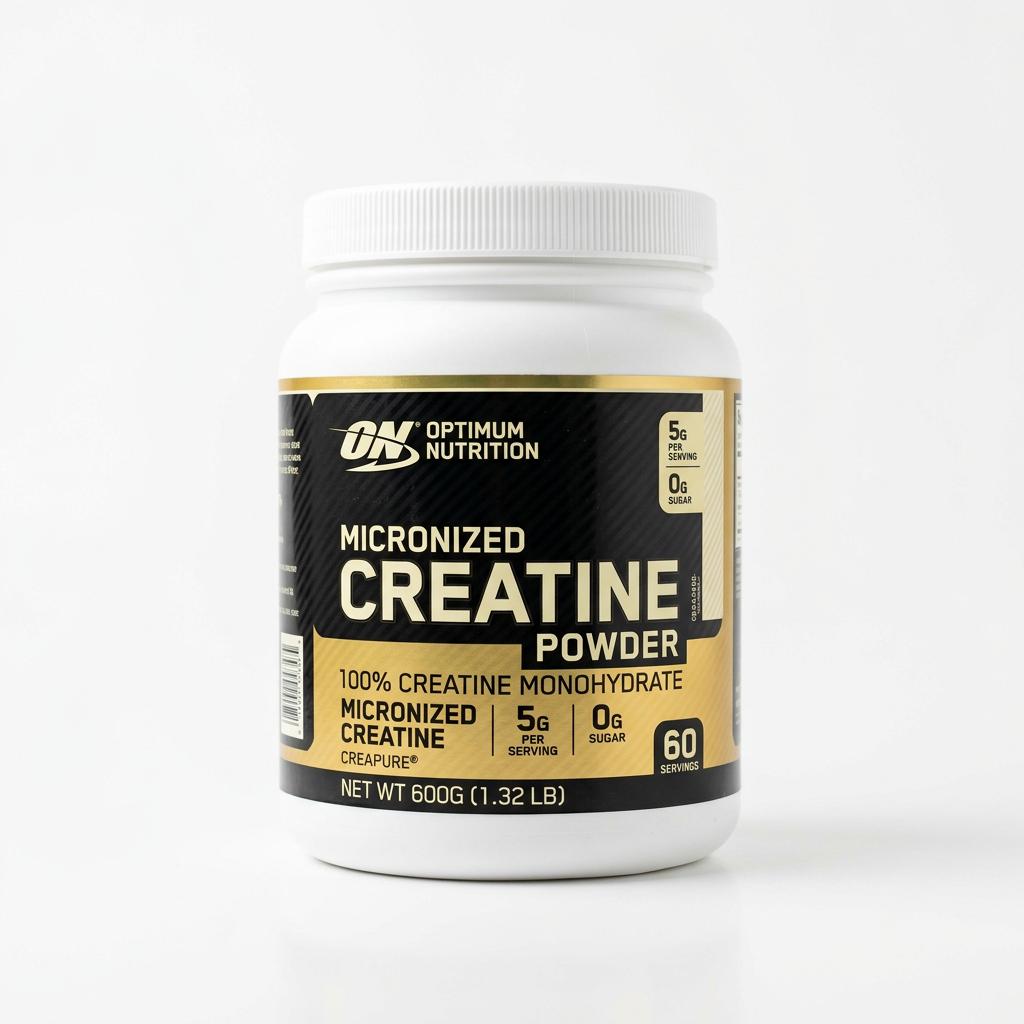 |
Optimum Nutrition Micronized Creatine Monohydrate Powder | $35-$50 | Best Overall | Check Price |
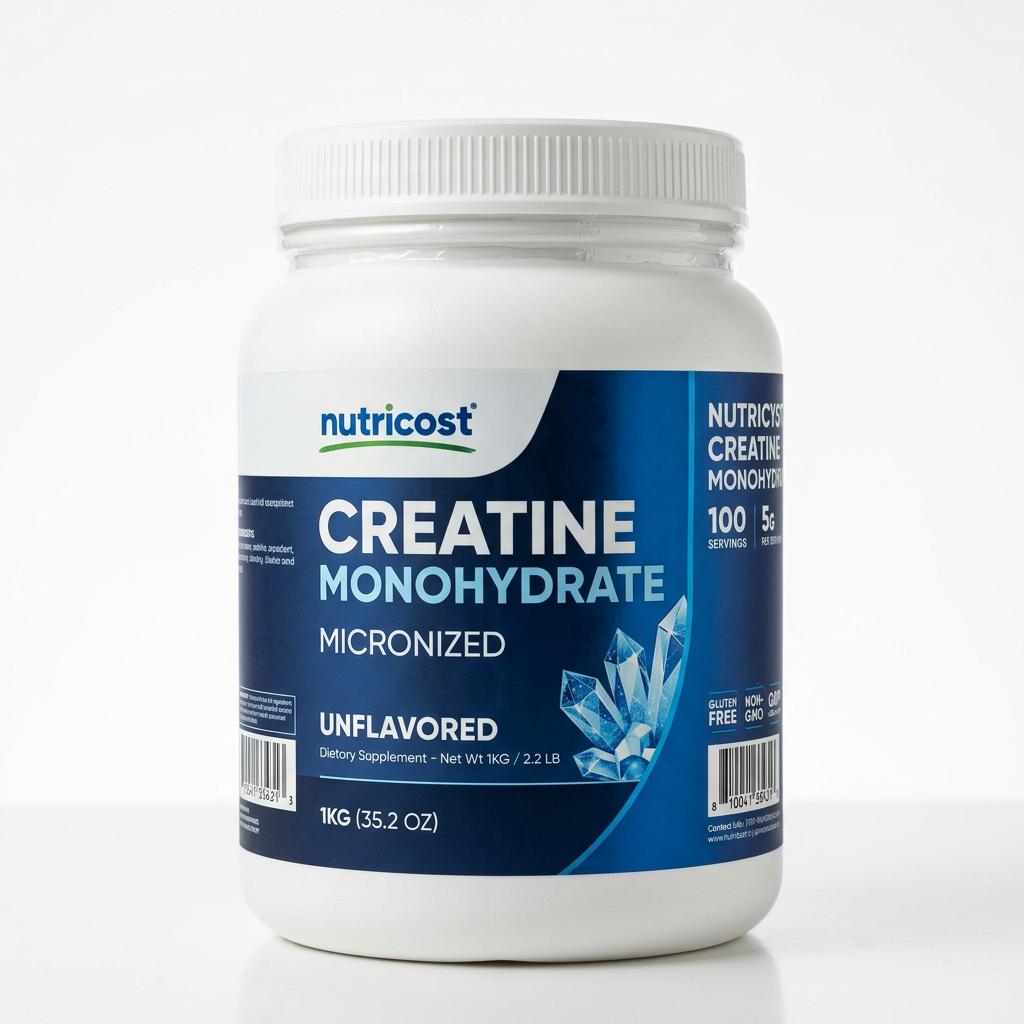 |
Nutricost Creatine Monohydrate Powder | $25-$35 | Best Budget | Check Price |
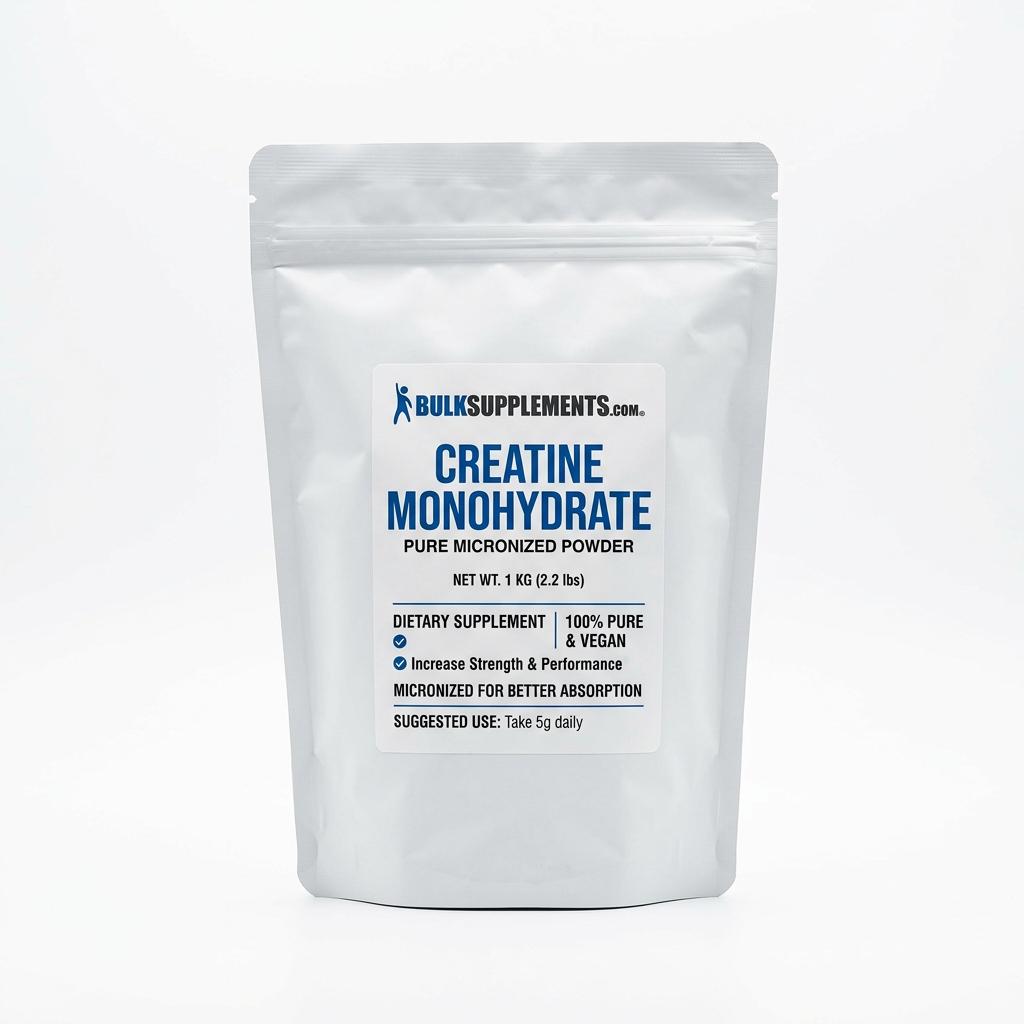 |
BulkSupplements.com Creatine Monohydrate Powder | $20-$30 | Best Bulk Value | Check Price |
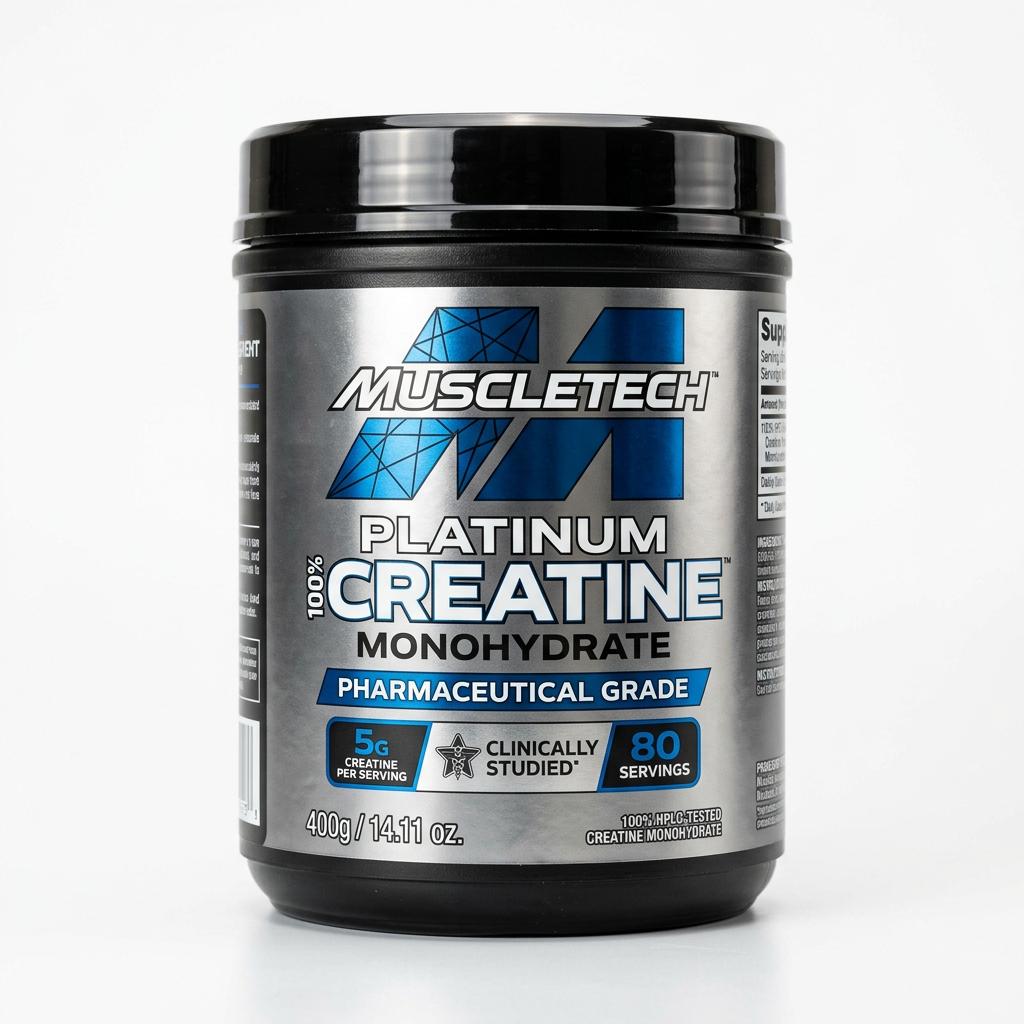 |
MuscleTech Platinum 100% Creatine | $15-$25 | Best for Beginners | Check Price |
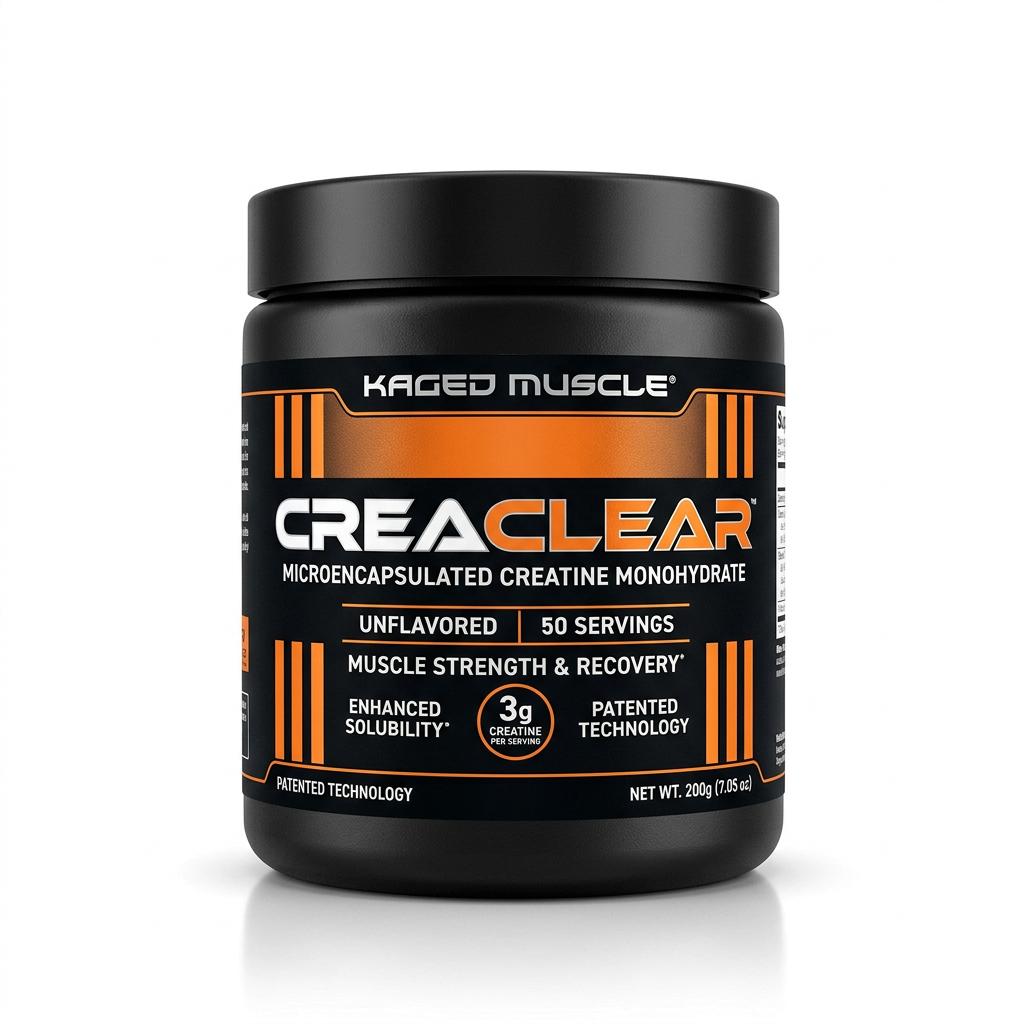 |
Kaged Muscle CreaClear Creatine Monohydrate | $20-$30 | Most Innovative | Check Price |
The gold-standard creatine monohydrate that combines Creapure sourcing, third-party certification, and excellent mixability for beginners.
An outstanding budget-friendly creatine that delivers pure micronized monohydrate without sacrificing quality or testing standards.
The go-to choice for bulk buyers who want pure creatine monohydrate at the lowest possible cost per gram.
A beginner-friendly option with HPLC purity testing and a manageable tub size that's perfect for first-time creatine users.
Microencapsulated creatine monohydrate that dissolves completely and eliminates the gritty texture that turns some beginners away.
Optimum Nutrition's Micronized Creatine Monohydrate is the ideal starting point for anyone new to creatine supplementation. Each serving delivers 5 grams of pure Creapure creatine monohydrate, the gold standard in creatine manufacturing. The micronized particle size dissolves easily in water or protein shakes with no gritty texture, making it far more pleasant to consume than non-micronized alternatives. As an Informed Choice certified product, it undergoes rigorous third-party testing for banned substances, providing peace of mind for competitive athletes. While it costs slightly more than generic bulk creatine, the quality assurance, brand reputation, and superior mixability make it worth the modest premium for beginners who want a reliable, hassle-free introduction to creatine supplementation.
Check Price on Amazon
Nutricost Creatine Monohydrate proves that effective creatine supplementation doesn't require a large investment. This 1-kilogram container provides an impressive 200 servings at roughly $0.10 per serving, making it one of the most cost-effective quality creatine products available. The micronized powder dissolves well in water and is completely unflavored, making it easy to mix into protein shakes, juice, or any beverage. Each batch undergoes third-party testing to verify purity and potency, ensuring you get exactly what's on the label. For beginners who want to try creatine for an extended period without committing to a premium price point, Nutricost offers an excellent balance of affordability and quality assurance.
Check Price on Amazon
BulkSupplements.com Creatine Monohydrate is perfect for beginners who want to purchase in bulk and don't mind the no-frills packaging. The pure micronized powder delivers exactly what you need: 5 grams of creatine monohydrate per serving with zero additives, fillers, or artificial ingredients. Available in sizes ranging from 100 grams to 25 kilograms, it's ideal for those who want to stock up and save. Each batch comes with a Certificate of Analysis (COA) verifying purity, and the powder mixes well despite the budget-friendly price point. The resealable foil bag packaging is less convenient than rigid tubs but keeps the product fresh. For beginners planning a loading phase who need larger quantities, this represents exceptional value.
Check Price on Amazon
MuscleTech Platinum 100% Creatine is an excellent entry point for beginners who want a trusted brand without overwhelming quantities. Each container provides 80 servings of HPLC-tested pure micronized creatine monohydrate, ensuring pharmaceutical-grade purity. The 400-gram tub size is less intimidating than massive bulk bags, making it feel like a manageable commitment for someone trying creatine for the first time. MuscleTech is one of the most recognized names in sports nutrition, and their Platinum line emphasizes purity and quality. The powder mixes cleanly in water and has no taste, making it easy to incorporate into your daily routine. For beginners who want a straightforward, reliable creatine from a brand they recognize, this is a solid choice.
Check Price on Amazon
Kaged Muscle CreaClear stands out from standard creatine powders thanks to its patented microencapsulation technology. Each creatine particle is coated to enhance solubility, meaning it dissolves almost completely in water without the sandy residue that many beginners find off-putting. This improved dissolution may also enhance absorption and reduce the gastrointestinal discomfort that some users experience with standard creatine monohydrate. At 3 grams of creatine per serving, the dose is slightly lower than the typical 5-gram recommendation, but the enhanced delivery technology may compensate. The vegan-friendly formula and Informed Sport certification add to its appeal. For beginners who have been hesitant to try creatine because of texture or digestive concerns, CreaClear offers an innovative solution.
Check Price on Amazon