Best Adaptogen Supplements 2026: 5 Tested for Stress & Recovery
Tested 5 adaptogenic supplements for stress management and recovery. KSM-66 Ashwagandha wins for research backing and ef...
Research-backed guide to caffeine supplementation for fitness. Covers effective dosing, timing strategies, performance benefits, tolerance development, and cycling protocols.
Caffeine is among the most researched and consistently effective ergogenic aids available. Unlike many supplements where evidence is preliminary or inconsistent, caffeine's performance-enhancing effects are well-documented across multiple meta-analyses and systematic reviews.
This article examines the evidence for caffeine as a training aid, provides practical dosing and timing guidelines, discusses tolerance development and cycling strategies, and addresses common questions about safety and side effects.
Our analysis of published meta-analyses indicates the following effects are well-supported:
| Performance Metric | Typical Improvement | Evidence Quality |
|---|---|---|
| Muscular endurance | Small-to-moderate improvement | Strong |
| Maximal strength (1RM) | Small improvement (2-5%) | Moderate |
| Strength-endurance (reps to failure) | Moderate improvement | Strong |
| Anaerobic power | Small improvement | Moderate |
| Aerobic endurance | Moderate improvement | Strong |
| Rate of perceived exertion (RPE) | Reduced at equivalent work output | Strong |
| Reaction time | Improved | Strong |
Key distinction: Caffeine's primary mechanism is not "energy" in the colloquial sense. It acts as an adenosine receptor antagonist, reducing perceived fatigue and enabling sustained effort at higher intensities. The physical capacity does not change — the willingness and ability to express it does.
| Mechanism | Effect on Exercise |
|---|---|
| Adenosine receptor antagonism | Reduced perception of fatigue and effort |
| Increased catecholamine release | Enhanced neural drive and muscle recruitment |
| Enhanced calcium handling in muscle | Improved excitation-contraction coupling |
| Increased free fatty acid mobilization | Greater fat oxidation during endurance exercise |
| Central nervous system stimulation | Increased alertness, focus, and pain tolerance |
The International Society of Sports Nutrition (ISSN) position stand on caffeine recommends:
| Dose Range | mg/kg Body Weight | 150 lb Person | 200 lb Person | Effect |
|---|---|---|---|---|
| Low | 1-2 mg/kg | 70-140 mg | 90-180 mg | Minimal to mild |
| Moderate | 3-6 mg/kg | 200-400 mg | 270-540 mg | Optimal for performance |
| High | 7-9 mg/kg | 470-600 mg | 630-810 mg | Increased side effects, no additional benefit |
| Very high | >9 mg/kg | >600 mg | >810 mg | Not recommended |
The optimal dose for most individuals is 3-6 mg/kg body weight taken 30-60 minutes before exercise.
Caffeine content reference:
Important: Caffeine content in coffee varies significantly by bean, roast, and preparation method. Pre-workout supplements and caffeine pills provide more precise dosing.
Caffeine reaches peak plasma concentration approximately 30-60 minutes after oral consumption. Plan intake accordingly:
| Workout Start | Caffeine Intake Time | Notes |
|---|---|---|
| 6:00 AM | 5:15-5:30 AM | Allow 30-45 min for absorption |
| 12:00 PM | 11:00-11:30 AM | Standard timing |
| 5:00 PM | 4:00-4:30 PM | Risk of sleep disruption — use lower dose |
Caffeine's half-life is approximately 5 hours in most individuals (range: 3-8 hours depending on genetics). Performance effects are most pronounced during the first 1-3 hours after peak plasma concentration.
Caffeine consumed within 6 hours of bedtime significantly disrupts sleep quality in most individuals. Even if you can fall asleep, caffeine reduces deep sleep (slow-wave sleep) and REM sleep. Given that sleep is the primary recovery modality, afternoon caffeine use may produce a net negative effect on training adaptation.
Recommendation: Do not consume caffeine after 2:00 PM if your bedtime is 10:00 PM or earlier. Individual sensitivity varies; some individuals should cease caffeine intake by noon.
Daily caffeine consumption upregulates adenosine receptors in the central nervous system — the brain produces more receptors to compensate for chronic blockade. This tolerance development:
| Protocol | Schedule | Effectiveness | Practicality |
|---|---|---|---|
| Training-day only | Caffeine only on workout days; none on rest days | Moderate | High — easy to implement |
| 4-on/1-off | 4 weeks daily use, 1 week complete abstinence | High | Moderate — requires discipline |
| 8-on/2-off | 8 weeks daily use, 2 weeks abstinence | High | Moderate — standard periodization |
| Staggered dosing | Lower dose (2-3 mg/kg) daily, higher dose (5-6 mg/kg) on priority sessions | Moderate | High — maintains partial sensitivity |
Our recommendation for most trainees: Use caffeine only on training days (2-4 days per week for most). This maintains reasonable sensitivity while avoiding the lifestyle disruption of complete abstinence periods. If daily use is unavoidable, implement a 1-week break every 6-8 weeks.
The CYP1A2 enzyme metabolizes approximately 95% of consumed caffeine. Genetic variation in this enzyme creates two distinct phenotypes:
| Phenotype | Population | Characteristics |
|---|---|---|
| Fast metabolizer | ~50% of population | Clears caffeine quickly; tolerates higher doses; greater performance benefit |
| Slow metabolizer | ~50% of population | Clears caffeine slowly; more side effects at equivalent doses; may experience reduced performance at high doses |
Slow metabolizers may actually experience decreased performance at high caffeine doses (≥6 mg/kg) due to excessive sympathetic nervous system activation, anxiety, and increased perceived exertion.
Variation in the adenosine receptor gene affects anxiety response to caffeine and sleep sensitivity. Some individuals are genetically predisposed to caffeine-induced anxiety regardless of tolerance.
Practical implication: If you experience significant anxiety, jitters, or sleep disruption at moderate doses, you may be a slow metabolizer or carry ADORA2A variants. Reduce dose or avoid caffeine as a pre-workout aid.
| Side Effect | Prevalence | Management |
|---|---|---|
| Increased heart rate | Common | Reduce dose; slow metabolizers more affected |
| Elevated blood pressure | Common (temporary) | Avoid if uncontrolled hypertension; reduce dose |
| Anxiety/nervousness | Common | Reduce dose; avoid if anxiety disorder |
| Gastrointestinal distress | Moderate | Consume with food; avoid if IBS or ulcer history |
| Sleep disturbance | Common | Restrict timing (no caffeine after 2 PM) |
| Headache | Moderate | Often withdrawal-related; maintain consistent moderate intake or fully abstain |
| Tremor | Moderate | Reduce dose; avoid precision tasks post-consumption |
Consult a healthcare provider before using caffeine as an ergogenic aid if you have:
| Population | Maximum Daily Caffeine |
|---|---|
| Healthy adults | 400 mg |
| Pregnant women | 200 mg |
| Adolescents | 100 mg |
| Children | Not recommended |
Pros: Widely available, contains beneficial polyphenols and antioxidants, enjoyable ritual Cons: Variable caffeine content, may cause GI distress on an empty stomach, diuretic effect (mild)
Pros: Precise dosing, often includes additional ergogenic ingredients (creatine, beta-alanine, citrulline), convenient Cons: Proprietary blends obscure exact caffeine content, expensive relative to caffeine pills, often contain unnecessary ingredients
Pros: Lowest cost per dose, precise dosing (100-200 mg per pill), no additional ingredients Cons: No additional benefits from coffee polyphenols, may cause GI distress in sensitive individuals
Pros: Contains L-theanine, which may smooth caffeine's effects and reduce jitters; lower dose for sensitive individuals Cons: Lower total caffeine may be insufficient for ergogenic effect; requires larger volume
| Goal | Dose | Timing | Notes |
|---|---|---|---|
| Strength (low reps, high intensity) | 3-5 mg/kg | 45-60 min pre-workout | Enhances neural drive and RPE reduction |
| Hypertrophy (moderate reps, moderate-high volume) | 3-6 mg/kg | 30-45 min pre-workout | Reduces RPE during high-volume work |
| Endurance (steady-state cardio) | 3-6 mg/kg | 45-60 min pre-workout | Enhanced fat oxidation and reduced perceived effort |
| HIIT/conditioning | 3-5 mg/kg | 30-45 min pre-workout | Maintains power output across intervals |
| Morning training (fasted) | 2-4 mg/kg | 30 min pre-workout | Lower dose may be sufficient due to fasted state |
Caffeine is one of the few supplements with robust, replicated evidence supporting its ergogenic effects. For most healthy adults, 3-6 mg/kg body weight consumed 30-60 minutes before exercise improves strength-endurance, reduces perceived exertion, and enhances focus. Daily use creates tolerance that diminishes these benefits; cycling caffeine by restricting use to training days or implementing periodic abstinence weeks maintains sensitivity. Individual response varies significantly based on genetics; slow metabolizers should use lower doses or avoid caffeine pre-workout. Avoid caffeine within 6-8 hours of bedtime to protect sleep quality.
As an Amazon Associate we earn from qualifying purchases.
| Image | Product | Price | Badge | Link |
|---|---|---|---|---|
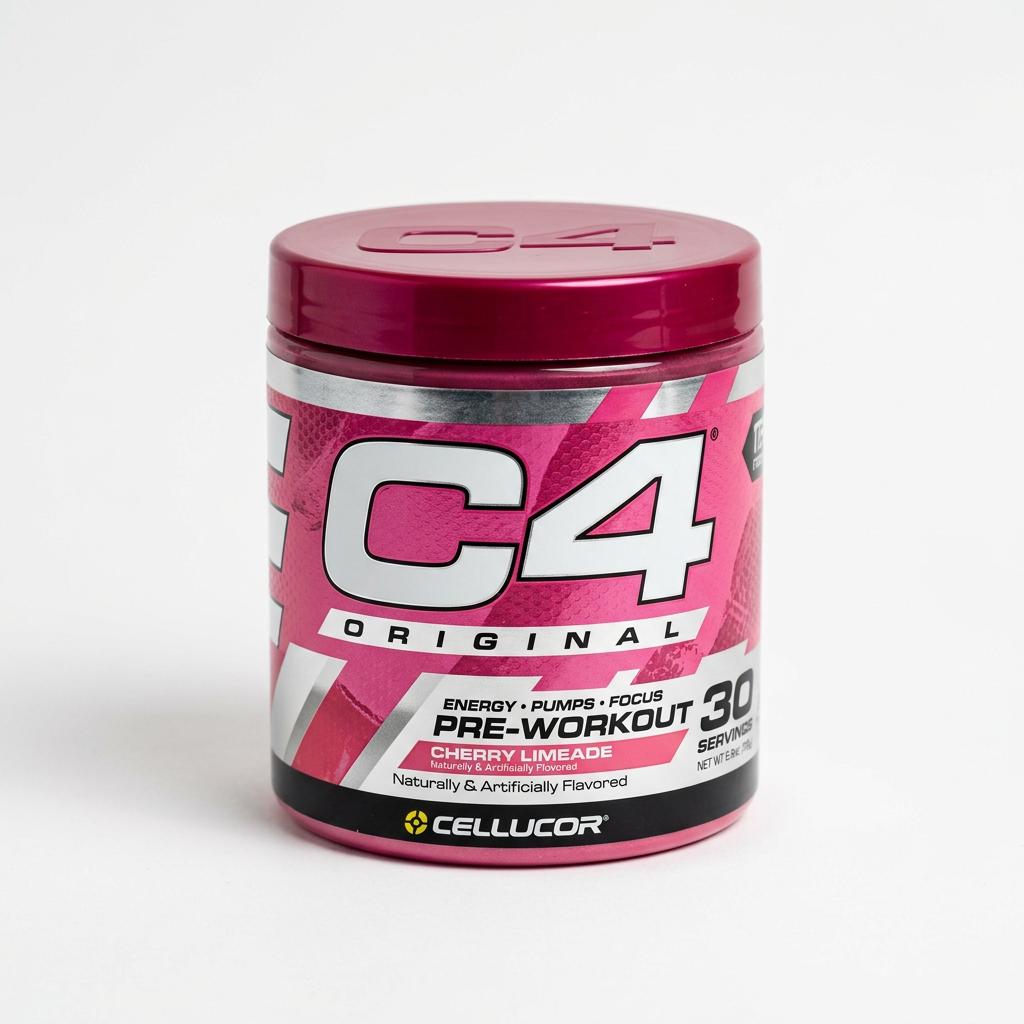 |
Cellucor C4 Original Pre-Workout | $20-$35 | Best Overall Pre-Workout | Check Price |
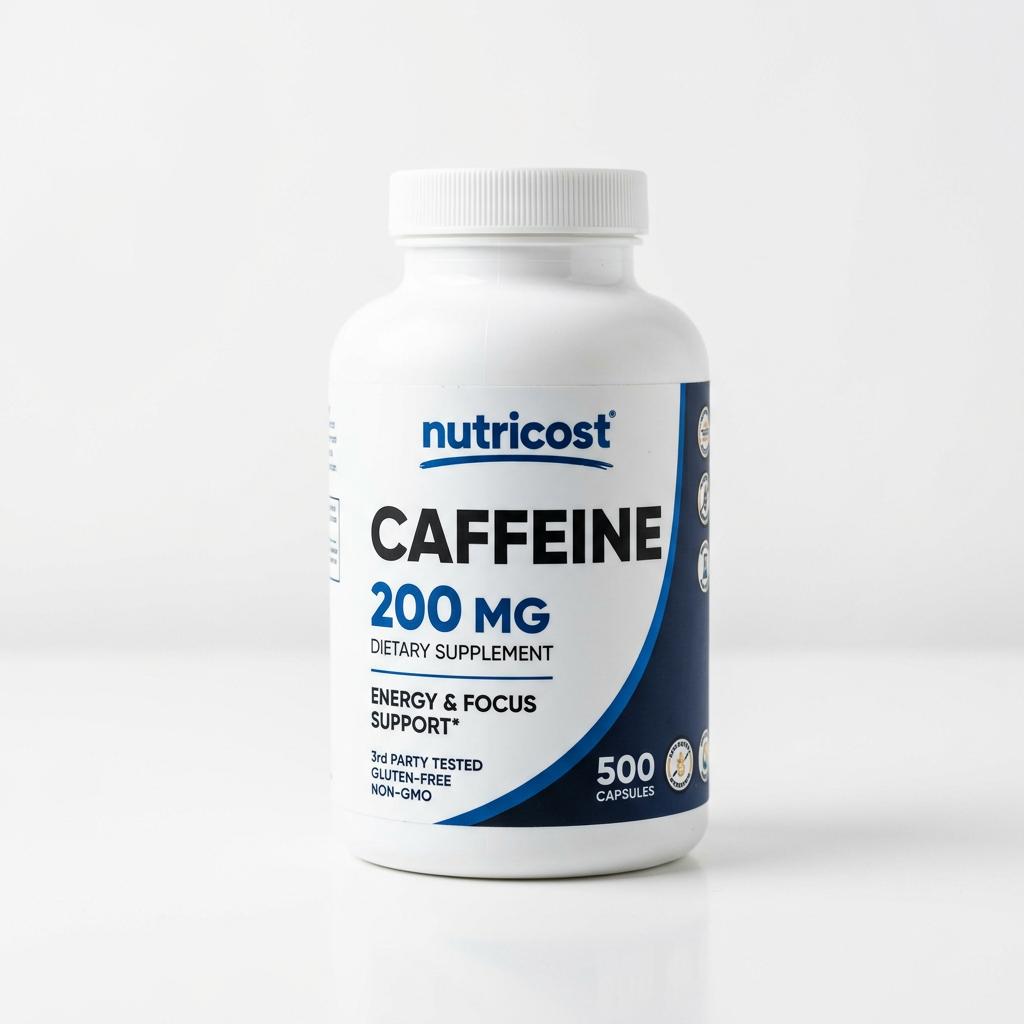 |
Nutricost Caffeine Pills 200mg | $10-$18 | Best Budget Caffeine | Check Price |
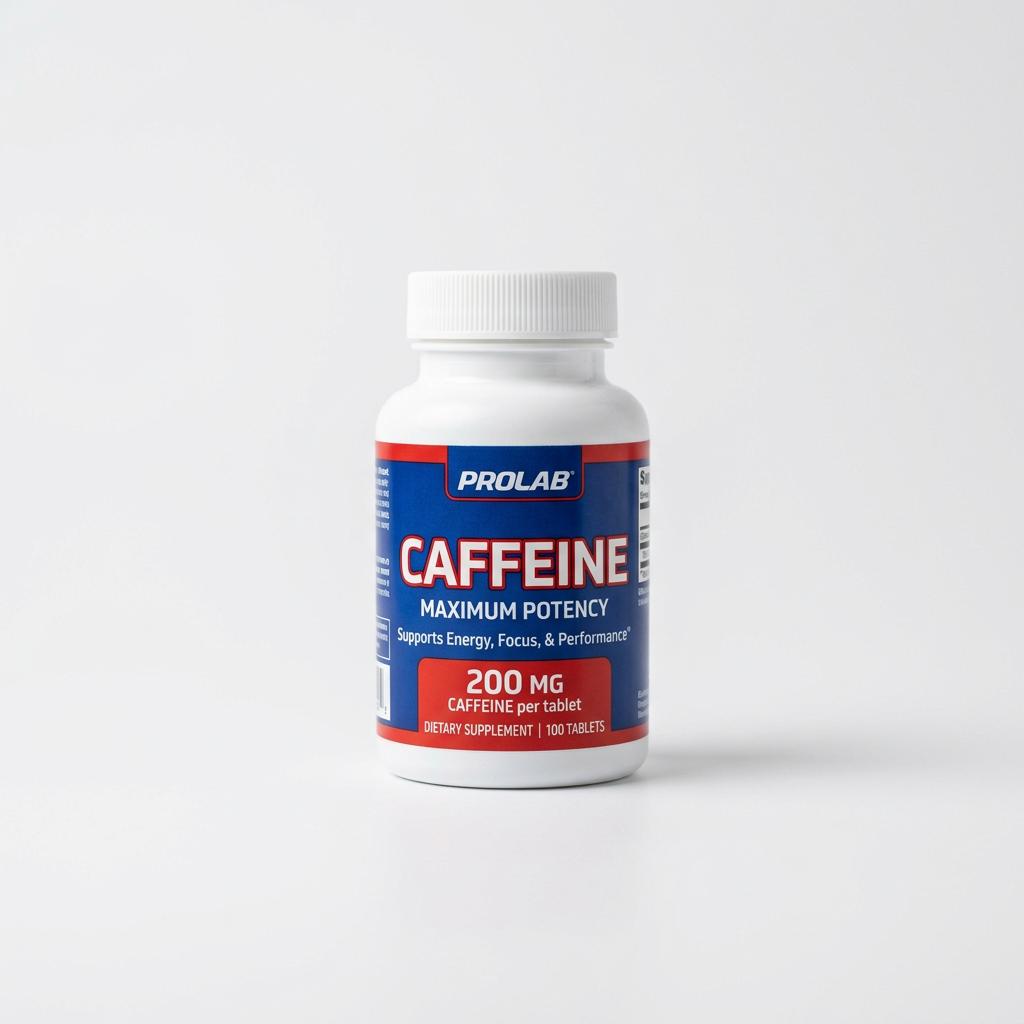 |
ProLab Caffeine Maximum Potency 200mg | $8-$15 | Best Caffeine Tablets | Check Price |
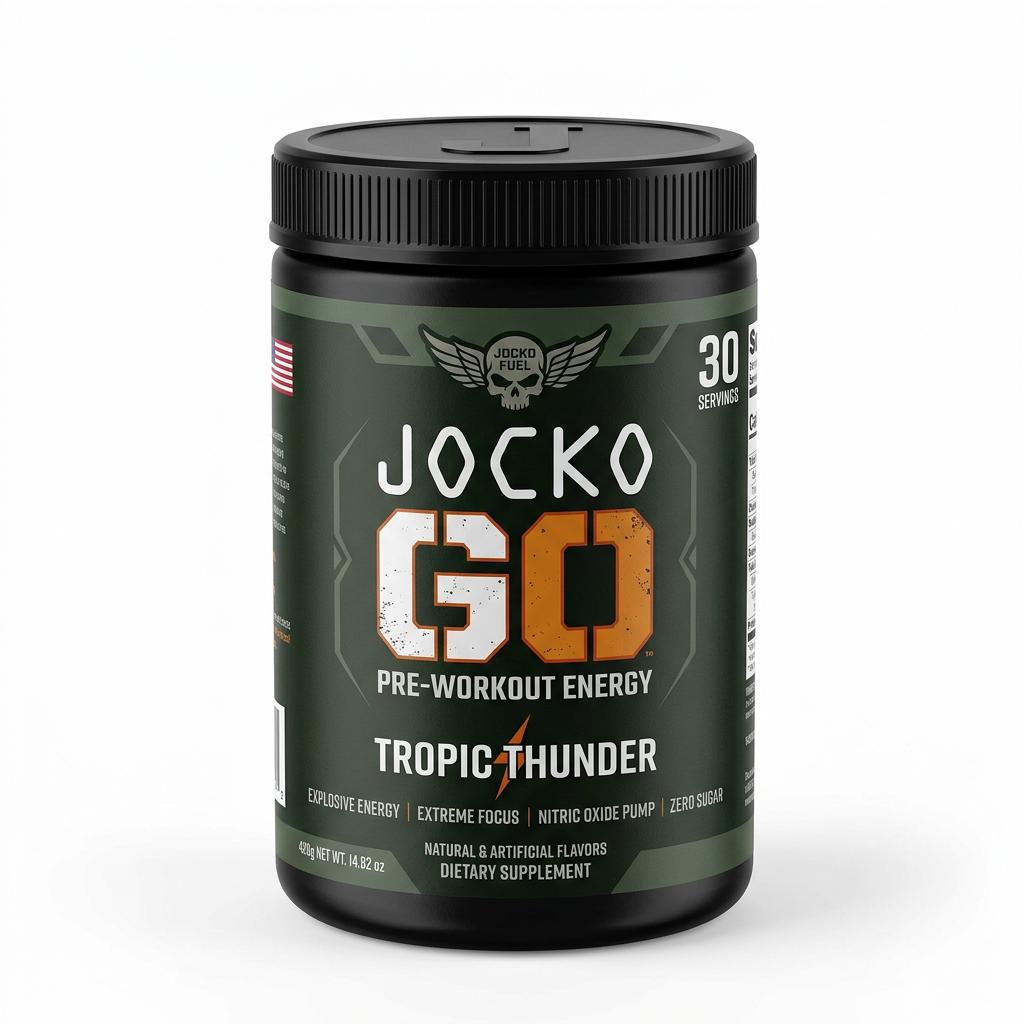 |
Jocko GO Pre-Workout Energy | $30-$45 | Best No-Crash Energy | Check Price |
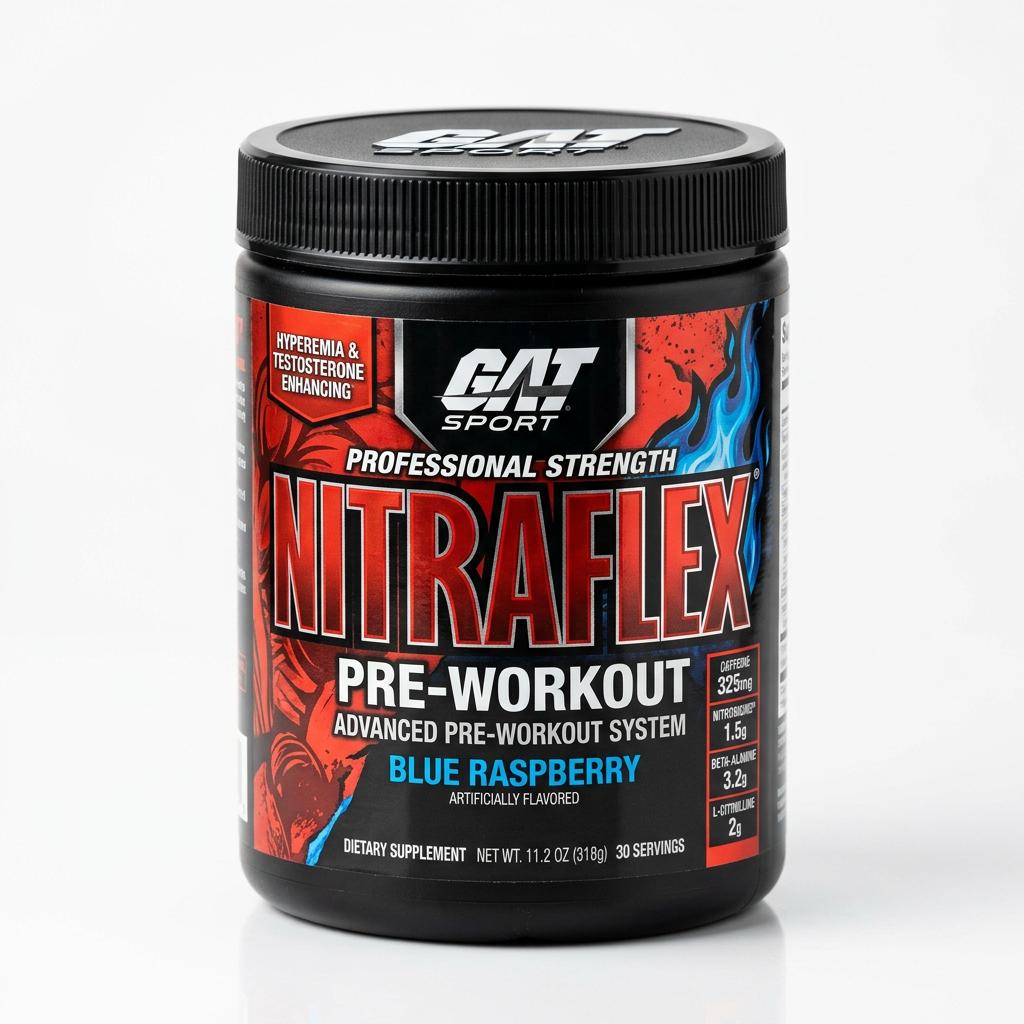 |
GAT Sport Nitraflex Pre-Workout | $25-$40 | Best High-Stimulant | Check Price |
America's best-selling pre-workout delivers reliable energy, endurance, and pumps for every training session.
A cost-effective, no-nonsense caffeine source that delivers precise 200mg doses for consistent energy.
A trusted, no-frills caffeine tablet that delivers consistent energy and focus at the lowest price point.
A clean, naturally caffeinated pre-workout that delivers smooth energy without the dreaded crash.
A clinically dosed, high-stimulant pre-workout engineered for extreme training intensity and vascular pumps.
Cellucor C4 Original has dominated the pre-workout market for over a decade, and its popularity is well-deserved. The formula delivers a balanced 150mg of caffeine per serving, enough to boost energy and focus without overwhelming newer users. The inclusion of 1.6 grams of CarnoSyn beta-alanine helps buffer lactic acid during high-intensity sets, allowing for more reps before fatigue sets in. Creatine nitrate supports both strength and muscle pumps, while the explosive energy blend keeps you dialed in throughout your entire workout. The Cherry Limeade flavor is refreshing and easy to drink, with no unpleasant aftertaste. C4 is the ideal entry point for anyone new to pre-workout supplements, offering noticeable performance benefits without the extreme stimulant load of harder-hitting formulas.
Check Price on Amazon
Nutricost Caffeine Pills strip away all the marketing hype and deliver exactly what caffeine-conscious athletes need: pure, precisely dosed caffeine at an unbeatable price. Each capsule contains exactly 200mg of caffeine, equivalent to about two cups of coffee, allowing users to fine-tune their intake with surgical precision. With 500 capsules per bottle, a single purchase can last well over a year even with daily use, making it the most economical caffeine option available. The gluten-free, non-GMO formula contains no fillers, dyes, or unnecessary additives. While it lacks the additional performance ingredients found in dedicated pre-workouts, pairing these caffeine pills with a standalone pump formula like citrulline malate creates a custom pre-workout stack at a fraction of the cost. For budget-conscious athletes who want reliable energy without the premium price tag, Nutricost Caffeine Pills are impossible to beat.
Check Price on Amazon
ProLab Caffeine Tablets have been a staple in the supplement industry for decades, offering a straightforward and reliable source of energy for athletes and busy professionals alike. Each tablet delivers exactly 200mg of pure caffeine, providing a clean energy boost equivalent to a strong cup of coffee without any added sugar, calories, or artificial colors. The quick-dissolving formula ensures rapid absorption, typically taking effect within 15-20 minutes of consumption. At roughly 10 cents per serving, it's one of the most affordable ways to enhance workout performance and mental alertness. While serious lifters may want to stack it with additional pre-workout ingredients like beta-alanine and citrulline, ProLab Caffeine is the perfect foundation for anyone building a custom supplement stack or simply looking for a clean, predictable energy boost before training.
Check Price on Amazon
Jocko GO Pre-Workout takes a fundamentally different approach to pre-workout energy, using just 95mg of natural caffeine from green tea combined with adaptogens like ashwagandha and rhodiola rosea. This creates a smooth, sustained energy curve without the jittery peaks and crushing crashes associated with synthetic caffeine. The formula is completely free of artificial sweeteners, relying on monk fruit for a naturally pleasant taste. The adaptogenic herbs help modulate cortisol response to intense training, promoting better recovery and reduced stress. While the caffeine dose is lower than traditional pre-workouts, the synergistic blend of nootropics and adaptogens creates a uniquely focused and dialed-in feeling that many users prefer over pure stimulant-based formulas. For athletes sensitive to caffeine or those who train late in the day, Jocko GO offers the perfect balance of energy without compromising sleep quality.
Check Price on Amazon
GAT Sport Nitraflex is designed for experienced lifters who demand maximum intensity from every training session. With a potent 325mg of caffeine per serving, it delivers one of the strongest stimulant profiles available in a mainstream pre-workout. But Nitraflex goes beyond just caffeine, incorporating a clinically studied NitroBerg formula that promotes skin-splitting muscle pumps through enhanced nitric oxide production. The addition of cognitive enhancers like DMAE and L-Theanine helps channel the intense energy into focused, productive training rather than scattered jitters. The Blue Raspberry flavor is a fan favorite, mixing cleanly without any chalky residue. For advanced athletes with a high caffeine tolerance who train in the morning or early afternoon, Nitraflex provides the explosive energy and pump enhancement needed to push through the most demanding workouts.
Check Price on Amazon