Best Adaptogen Supplements 2026: 5 Tested for Stress & Recovery
Tested 5 adaptogenic supplements for stress management and recovery. KSM-66 Ashwagandha wins for research backing and ef...
SnugGym is an Amazon Associate. We earn from qualifying purchases at no extra cost to you. Learn more
A complete guide to bulking and cutting phases for home gym athletes. Covers calorie calculations, macro adjustments, training differences, transitioning, and body recomposition.
Last updated: January 15, 2025
FTC Disclosure: SnugGym participates in the Amazon Associates Program. This guide contains affiliate links—purchases made through these links may earn us a commission at no cost to you.
Building an impressive physique requires alternating between two distinct nutritional and training phases: bulking (building muscle in a caloric surplus) and cutting (losing fat in a caloric deficit). This isn't just bodybuilder dogma—it's physiological reality. Muscle growth requires energy and building materials beyond maintenance needs, while fat loss requires an energy deficit that inevitably limits muscle growth. Attempting to do both simultaneously (body recomposition) works for some populations but proceeds at a frustratingly slow pace for most.
For home gym athletes, the bulk-cut cycle is particularly relevant. Without the social pressure of gym aesthetics or the timeline of competition prep, you have the freedom to run longer, more patient phases that maximize muscle gain and minimize fat accumulation. But this freedom can become a trap if you bulk too aggressively (gaining excessive fat) or cut too slowly (losing hard-earned muscle).
This guide provides a comprehensive framework for executing both phases effectively: calculating caloric needs, setting appropriate rates of weight change, adjusting macros and training by phase, managing transitions, and knowing when to switch between goals.
Goal: Maximize muscle growth while minimizing fat gain.
Caloric approach: 10-20% caloric surplus above maintenance.
Expected outcomes:
Who should bulk:
Duration: 3-6 months typically, up to 8-12 months for beginners
Goal: Maximize fat loss while preserving muscle mass.
Caloric approach: 15-25% caloric deficit below maintenance.
Expected outcomes:
Who should cut:
Duration: 8-16 weeks typically, up to 20-24 weeks for larger cuts
Often overlooked, maintenance phases serve important functions:
Duration: 2-4 weeks between phases, or longer if desired
BMR is the calories your body burns at complete rest. The Mifflin-St Jeor equation is the most accurate for athletes:
Men: BMR = (10 × weight in kg) + (6.25 × height in cm) - (5 × age) + 5 Women: BMR = (10 × weight in kg) + (6.25 × height in cm) - (5 × age) - 161
Example (30-year-old male, 200lbs/91kg, 5'10"/178cm): BMR = (10 × 91) + (6.25 × 178) - (5 × 30) + 5 BMR = 910 + 1,112 - 150 + 5 = 1,877 calories
TDEE = BMR × activity multiplier
| Activity Level | Multiplier | Description |
|---|---|---|
| Sedentary | 1.2 | Desk job, little exercise |
| Lightly active | 1.375 | Light exercise 1-3 days/week |
| Moderately active | 1.55 | Moderate exercise 3-5 days/week |
| Very active | 1.725 | Hard exercise 6-7 days/week |
| Extremely active | 1.9 | Very hard exercise + physical job |
Example (moderately active home gym athlete): TDEE = 1,877 × 1.55 = 2,909 calories
Bulking calories: TDEE × 1.10-1.20
Cutting calories: TDEE × 0.75-0.85
Note: These are starting points. Track your weight for 2-3 weeks and adjust based on actual weight change.
After 2-3 weeks of consistent tracking:
Bulking adjustments:
Cutting adjustments:
Protein intake should remain high in both phases to support muscle growth or preservation.
Protein targets:
Example (200lb/91kg athlete):
Dietary fat supports hormone production (including testosterone), cell membrane function, and nutrient absorption. Never drop below minimum thresholds.
Fat targets:
Example (200lb/91kg athlete):
Carbohydrates fuel training performance and should be set after protein and fat targets are determined. Carbs are the primary lever for adjusting calories between phases.
Carbohydrate calculation: Remaining calories after protein and fat ÷ 4 = carbohydrate grams
Example (200lb athlete, bulking at 3,200 calories):
Example (200lb athlete, cutting at 2,500 calories):
| Macro | Bulking (200lb athlete) | Cutting (200lb athlete) |
|---|---|---|
| Calories | 3,200 | 2,500 |
| Protein | 180g (720 cal) | 200g (800 cal) |
| Fat | 80g (720 cal) | 65g (585 cal) |
| Carbs | 440g (1,760 cal) | 279g (1,115 cal) |
Primary goal: Maximize mechanical tension and progressive overload to drive muscle growth.
Training characteristics:
Advantages of training in a surplus:
Sample bulk training week:
Primary goal: Maintain strength and muscle mass while creating the caloric deficit through diet.
Training characteristics:
Critical cutting training principles:
Sample cut training week:
During a bulk:
During a cut:
Beginners (0-1 year training): 6-12 months
Intermediate (1-3 years training): 4-6 months
Advanced (3+ years training): 3-5 months
Conservative approach: Lose 0.5% body weight per week
Aggressive approach: Lose 1% body weight per week
Maximum recommended cut duration: 16-20 weeks
| Phase | Men | Women |
|---|---|---|
| Start bulking | Under 12% | Under 20% |
| End bulking (start cutting) | 15-17% | 25-27% |
| Start cutting | Over 15% | Over 25% |
| End cutting (start bulking) | 8-10% | 18-20% |
| Maintenance range | 10-15% | 20-25% |
The transition from surplus to deficit requires strategic adjustment:
Week 1 (Preparation):
Week 2-3 (Full deficit):
Weeks 4+ (Ongoing cut):
Common mistakes transitioning to a cut:
Transitioning from deficit to surplus also benefits from a gradual approach:
Week 1-2 (Reverse dieting):
Week 3-4 (Approaching surplus):
Week 5+ (Full bulk):
Common mistakes transitioning to a bulk:
Refeed days (during a cut):
Diet breaks (during extended cuts):
Body recomposition—simultaneously building muscle and losing fat—is the holy grail of physique transformation. While challenging, it is possible under specific conditions:
Beginners (0-1 year serious training):
Detrained individuals returning to training:
Individuals with higher body fat (15-20%+ men, 25-30%+ women):
Those using performance-enhancing drugs:
Calories: Maintenance or slight deficit (5-10% below TDEE) Protein: 2.0-2.4g per kg (higher end to support both goals) Training: Progressive overload with emphasis on compound movements Cardio: Moderate (2-3 sessions weekly) Timeline: Slower than dedicated bulk/cut cycles; 6-12 months for noticeable changes
For trained individuals at moderate body fat (10-15% men, 20-25% women), recomposition proceeds at a frustratingly slow pace. The caloric deficit needed for fat loss limits muscle growth, and the calories needed for muscle growth limit fat loss. After 1-2 years of serious training, dedicated bulk and cut phases typically produce faster, more predictable results.
Primary metrics:
Target progress:
Red flags:
Primary metrics:
Target progress:
Red flags:
"Dirty bulking" (eating everything in sight): Excessive fat gain that requires extended cutting later. The fat you gain is not proportional to the muscle you build beyond a moderate surplus.
Not tracking calories: "I'm bulking so I just eat more" leads to inconsistent surplus and unpredictable results. Track at least during the first month to establish eating patterns.
Neglecting progressive overload: Eating more calories without training harder just makes you fatter, not more muscular. The surplus supports growth; training stimulates it.
Bulking too long: Extended bulks beyond 6-8 months (for non-beginners) typically result in diminishing muscle returns and accelerating fat gain.
Not accepting some fat gain: A small amount of fat gain during a bulk is normal and expected. Trying to stay lean while bulking severely limits muscle growth.
Cutting calories too aggressively: Crash dieting loses muscle, crashes metabolism, and creates rebound potential. Be patient.
Excessive cardio: Cardio should complement diet for the deficit, not create it entirely. Too much cardio in a deficit increases muscle loss risk.
Dropping protein intake: Protein must stay high during a cut—higher than during a bulk. This is when you need it most for muscle preservation.
Not lifting heavy: Light weights and high reps don't "cut you up." Heavy compound lifts preserve muscle mass during a deficit.
Cutting too long without breaks: Extended cutting without diet breaks leads to metabolic adaptation, hormone disruption, and inevitable binge episodes.
The bulk-cut cycle is the most effective framework for building an impressive physique as a natural athlete. Execute your bulk with a moderate 10-20% surplus, prioritize progressive overload in training, and accept modest fat gain as the cost of muscle growth. When you reach 15-17% body fat (men) or 25-27% (women), transition to a cut with a 15-25% deficit, maintain heavy training, and preserve the muscle you built. Run dedicated phases for predictable timelines, track progress objectively, and transition gradually between phases. Body recomposition works for beginners and those returning from breaks, but trained individuals will see faster results from committed bulk and cut cycles.
Individual results vary significantly based on genetics, training history, age, and adherence. For personalized nutrition programming, consult a registered dietitian or certified sports nutritionist. Those with metabolic conditions, eating disorder history, or who are pregnant should not attempt aggressive bulking or cutting without medical supervision.
| Image | Product | Price | Badge | Link |
|---|---|---|---|---|
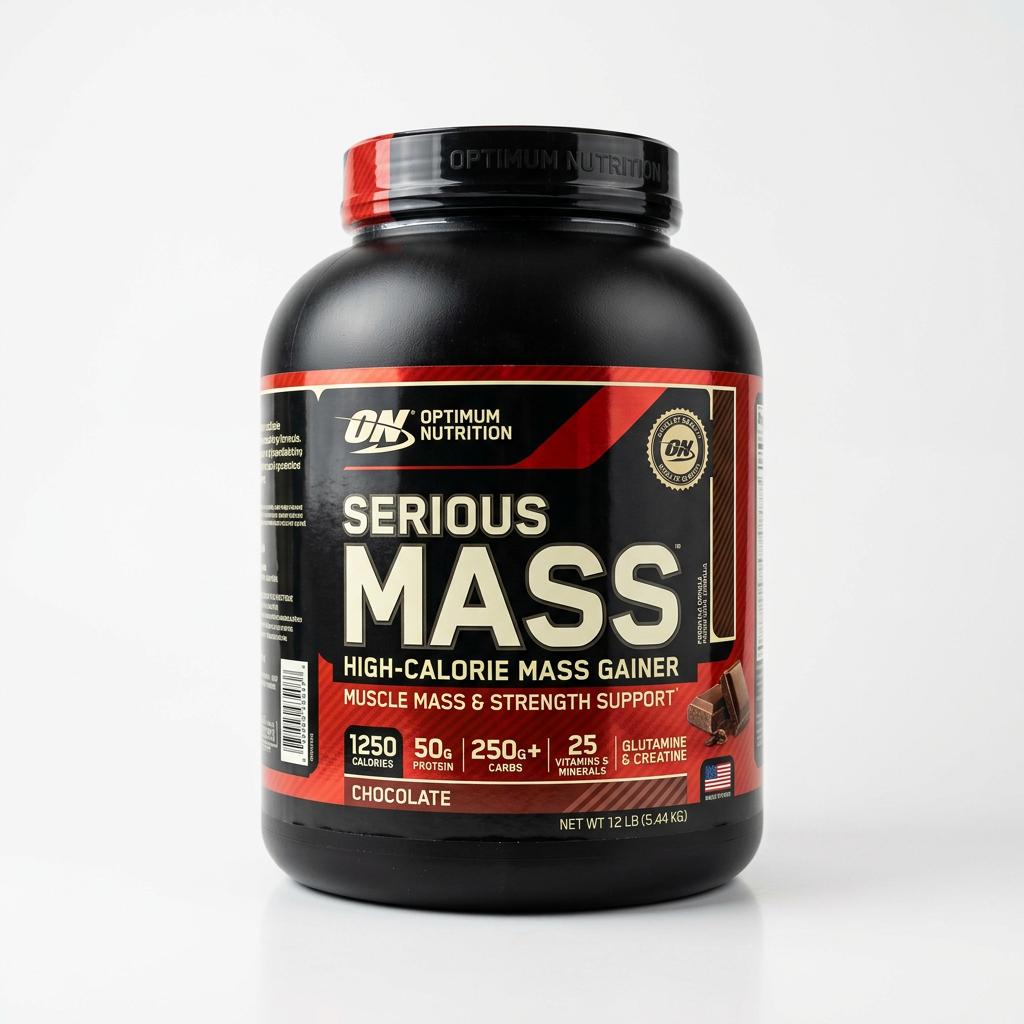 |
Optimum Nutrition Serious Mass Weight Gainer | $35-$65 | Best for Bulking | Check Price |
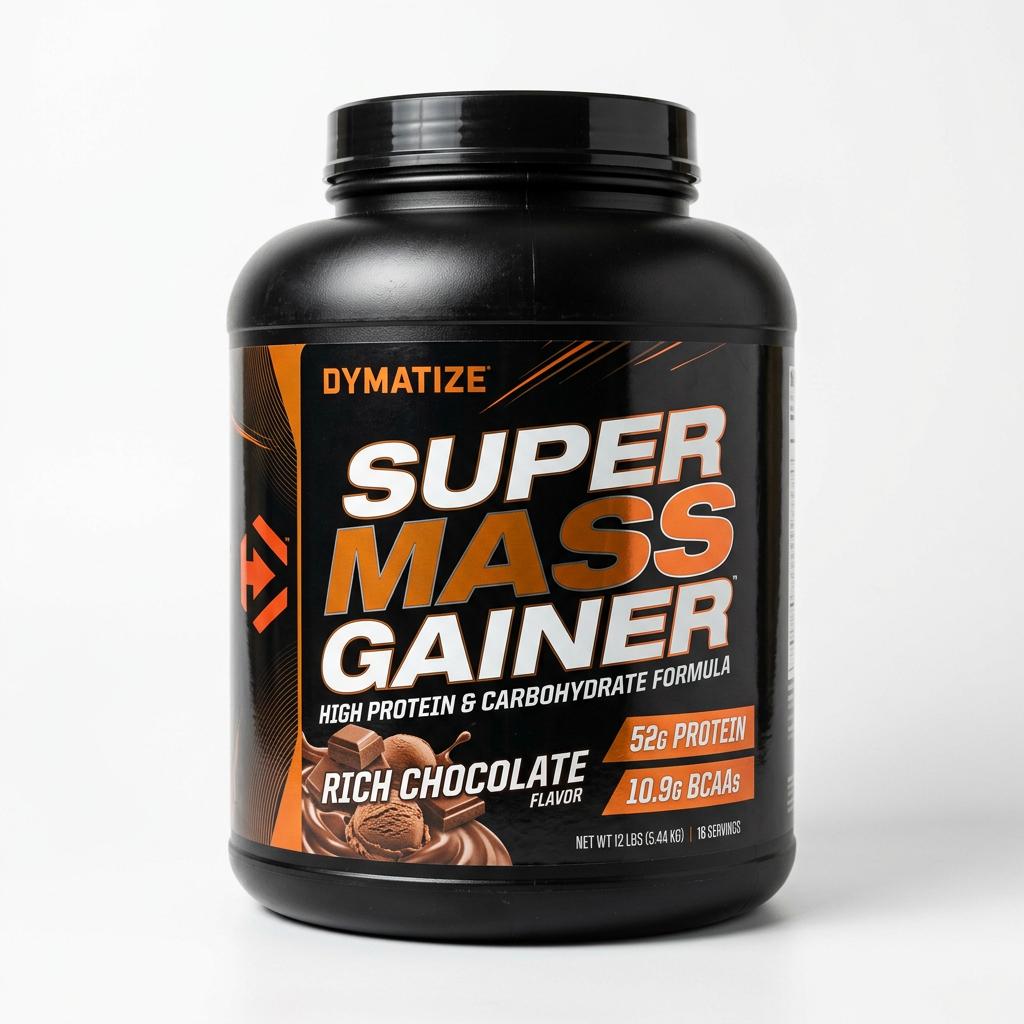 |
Dymatize Super Mass Gainer | $40-$70 | Best High-Calorie Gainer | Check Price |
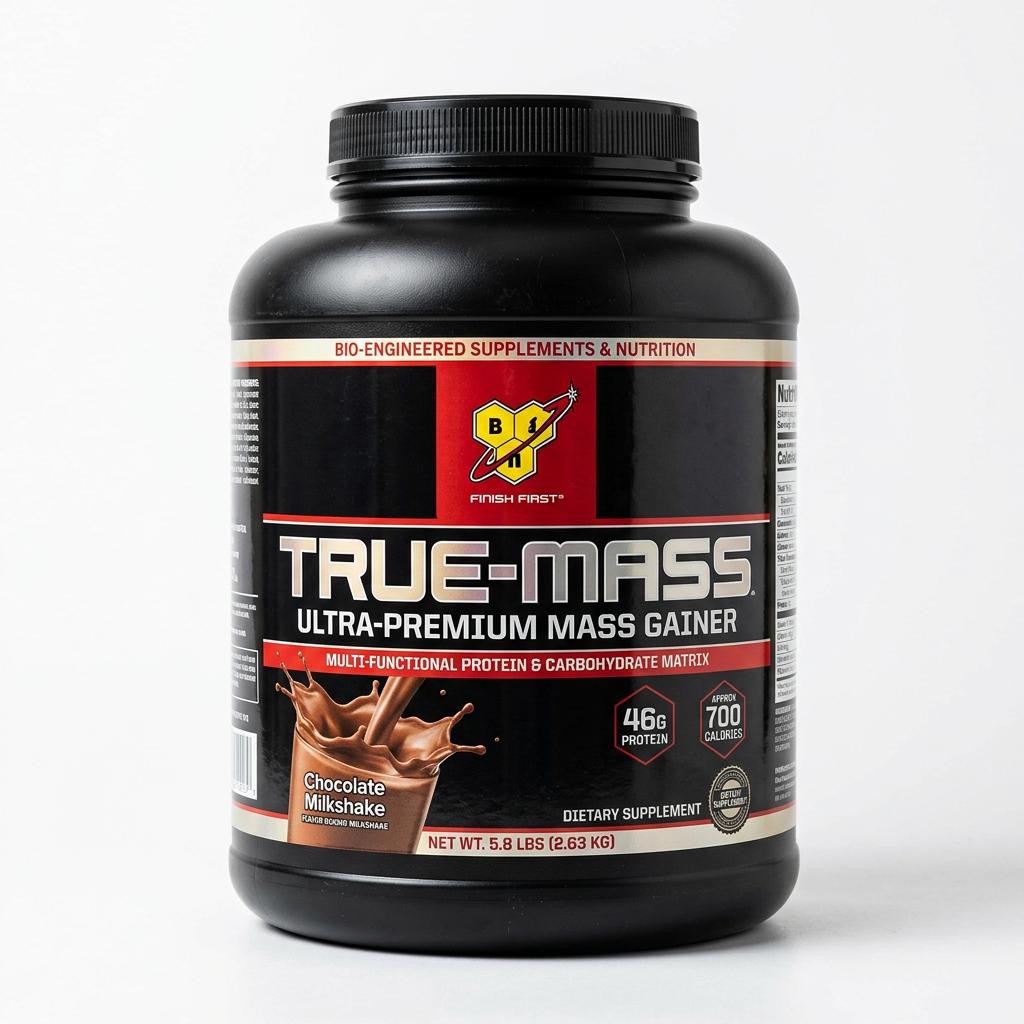 |
BSN True-Mass Ultra-Premium Mass Gainer | $45-$70 | Best Tasting Mass Gainer | Check Price |
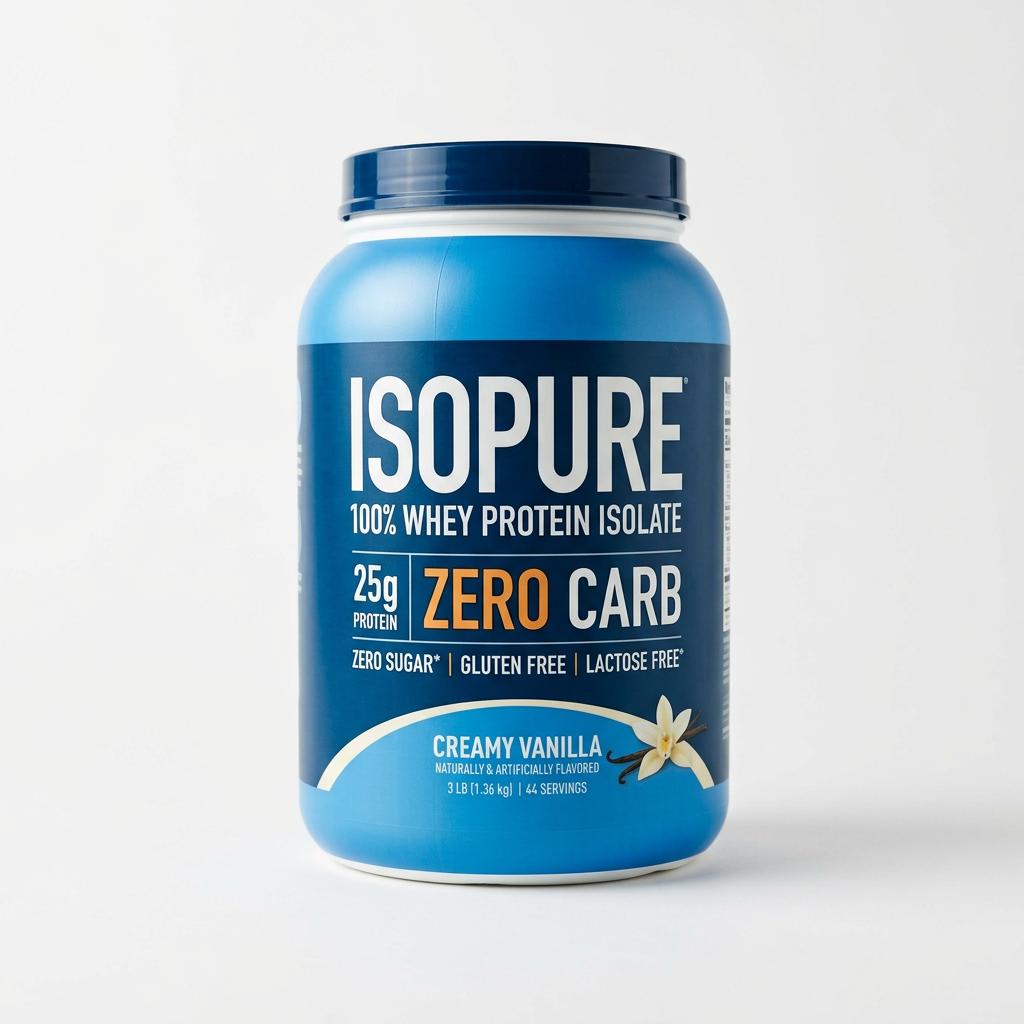 |
Isopure Zero Carb Protein Powder | $35-$60 | Best for Cutting | Check Price |
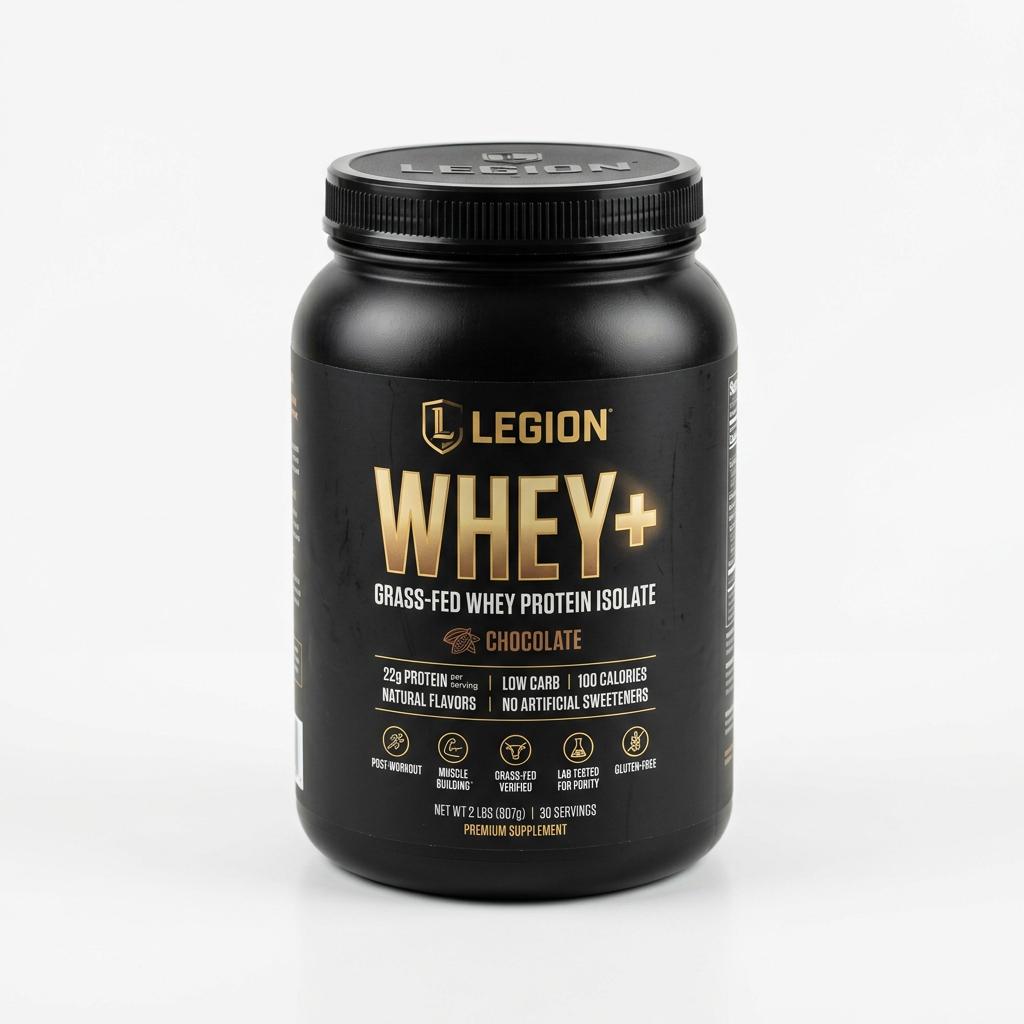 |
Legion Whey+ Grass-Fed Whey Isolate | $40-$55 | Best Clean Protein for Cutting | Check Price |
The ultimate high-calorie mass gainer for hardgainers looking to pack on serious size quickly.
A supercharged mass gainer delivering over 1,200 calories and 52g protein to fuel explosive muscle growth.
A premium mass gainer that balances incredible taste with quality nutrition for lean muscle gains.
A pure zero-carb whey protein isolate perfect for cutting phases and ketogenic diets.
A clean, naturally sweetened grass-fed whey isolate perfect for health-conscious cutting phases.
Optimum Nutrition Serious Mass is the heavyweight champion of mass gainers, delivering an impressive 1,250 calories per serving that makes it nearly impossible for hardgainers to stay in a caloric deficit. Each two-scoop serving provides 50 grams of blended protein and over 250 grams of carbohydrates, plus creatine, glutamine, and a comprehensive vitamin and mineral complex. This all-in-one approach eliminates the need for multiple supplements during a bulk phase. The Chocolate flavor mixes surprisingly well for such a calorie-dense formula, and it can be easily customized by adding peanut butter, oats, or fruit for even more calories. For ectomorphs who struggle to gain weight despite eating constantly, Serious Mass provides the caloric surplus needed to finally see the scale move in the right direction.
Check Price on Amazon
Dymatize Super Mass Gainer is engineered for those who need extreme caloric intake to support their bulking goals. With 52 grams of high-quality protein derived from a blend of whey isolate, whey concentrate, and casein, plus a massive 1,280 calories per serving, it's designed to push your body into a significant caloric surplus. The inclusion of 10.9 grams of BCAAs supports muscle recovery during intense training blocks, while the added vitamin and mineral complex ensures your micronutrient needs are met even when whole food intake is challenging. The Rich Chocolate flavor is genuinely enjoyable, which is remarkable for a gainer of this caloric density. For athletes in their off-season or bodybuilders in a dedicated bulk phase, Super Mass Gainer provides the nutritional ammunition needed to achieve substantial size gains.
Check Price on Amazon
BSN True-Mass takes a more balanced approach to mass gaining compared to extreme high-calorie gainers, delivering 700 calories per serving with a thoughtful 2:1 carbohydrate-to-protein ratio. This makes it ideal for those seeking leaner gains without excessive fat accumulation. The multi-source protein blend includes whey concentrate, milk protein isolate, whey isolate, micellar casein, calcium caseinate, and egg whites, providing both fast and slow-digesting proteins for sustained amino acid delivery. True-Mass has earned a cult following for its extraordinary taste, with the Chocolate Milkshake flavor genuinely rivaling a fast-food milkshake in flavor and texture. The inclusion of medium-chain triglycerides provides a quality fat source that supports hormone production during a bulk. For those who want quality gains without the bloat of extreme gainers, True-Mass hits the sweet spot.
Check Price on Amazon
Isopure Zero Carb is the gold standard for cutting-phase protein supplementation, delivering a pure 25 grams of 100% whey protein isolate with absolutely zero carbohydrates or sugar. At just 100 calories per serving, it's the perfect protein source for anyone operating in a caloric deficit while trying to preserve lean muscle mass. The lactose-free formula makes it suitable for those with dairy sensitivities, and the addition of essential vitamins and minerals helps fill nutritional gaps that can occur during restrictive dieting. The Creamy Vanilla flavor serves as a versatile base for smoothies and recipes without adding any unwanted carbs. For bodybuilders preparing for competition, fitness models, or anyone following a ketogenic diet, Isopure Zero Carb provides the pure protein needed to maintain muscle while stripping away body fat.
Check Price on Amazon
Legion Whey+ stands out in the crowded protein market by prioritizing ingredient quality and transparency above all else. Sourced exclusively from small dairy farms in Ireland, the whey protein isolate comes from 100% grass-fed cows that are never treated with hormones or antibiotics. The formula contains zero artificial sweeteners, flavors, or food dyes, relying instead on natural sweeteners like stevia and erythritol. Each serving delivers 22 grams of ultra-pure protein with just 100 calories, making it ideal for cutting phases where every calorie counts. The third-party testing program ensures that what's on the label is exactly what's in the tub, providing peace of mind that many competitors can't match. While the price point is higher than conventional whey, the grass-fed sourcing, clean ingredient profile, and exceptional taste make Whey+ worth the investment for anyone serious about their nutrition during a cut.
Check Price on Amazon