Best Adaptogen Supplements 2026: 5 Tested for Stress & Recovery
Tested 5 adaptogenic supplements for stress management and recovery. KSM-66 Ashwagandha wins for research backing and ef...
SnugGym is an Amazon Associate. We earn from qualifying purchases at no extra cost to you. Learn more

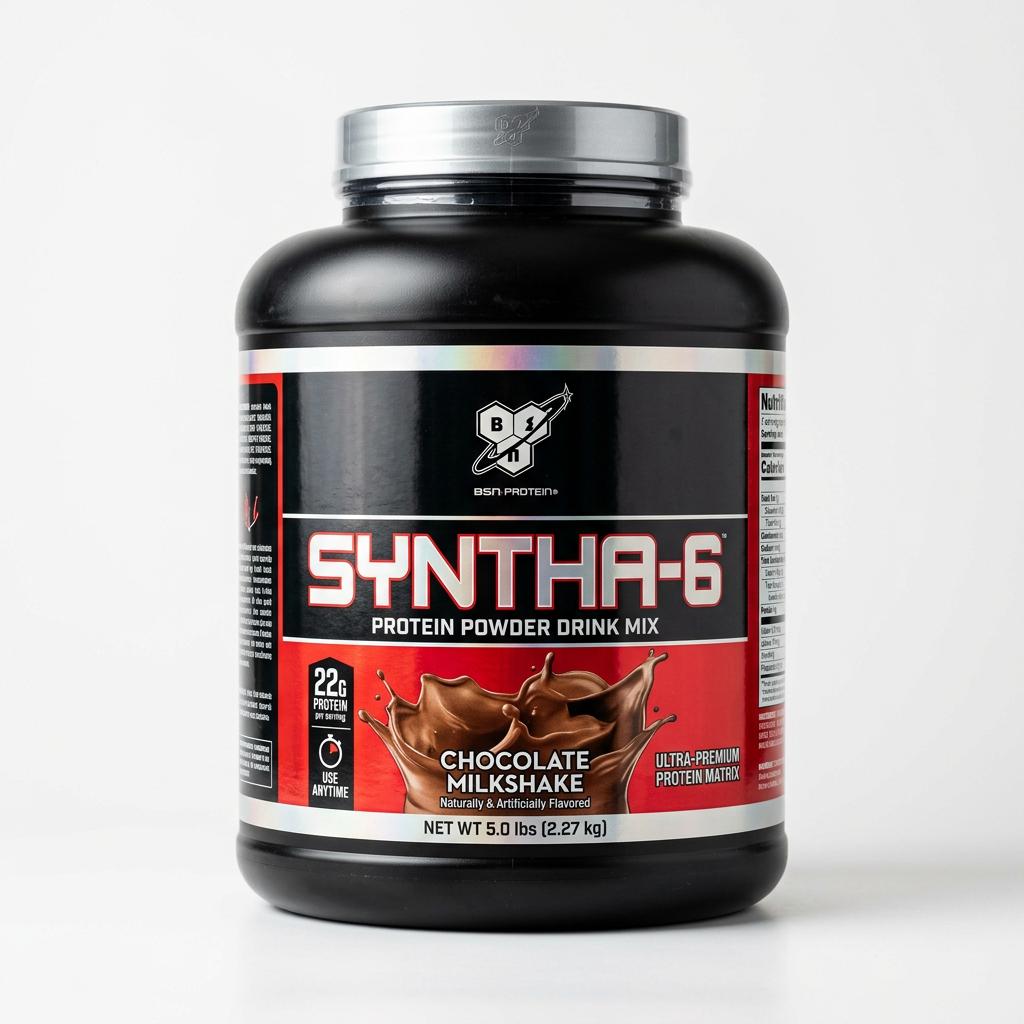
Our research-backed review of BSN Syntha-6 examines its multi-source protein matrix, taste quality, macronutrient balance, and meal replacement suitability.
Protein powders differ in their absorption kinetics: whey isolate absorbs rapidly, casein absorbs slowly over hours, and egg protein falls between. BSN Syntha-6 takes a blended approach, combining six protein sources with different digestion rates to create a sustained-release amino acid profile. Our analysis evaluates whether this multi-source strategy delivers practical benefits over single-source alternatives for home gym users.
| Attribute | Specification |
|---|---|
| Protein per serving | 22g |
| Protein sources | Whey concentrate, whey isolate, calcium caseinate, micellar casein, milk isolate, egg albumin |
| Carbohydrates per serving | 14-15g (flavor dependent) |
| Fat per serving | 6g |
| Calories per serving | 200 |
| Fiber per serving | 5-6g |
| BCAAs per serving | 10g (naturally occurring) |
| Sizes | 2.91 lb, 5 lb |
The manufacturer specifies six distinct protein sources: whey protein concentrate, whey protein isolate, calcium caseinate, micellar casein, milk protein isolate, and egg albumin. Our analysis indicates the theoretical rationale is sound: whey components provide rapid amino acid availability post-workout, casein components provide sustained release over 4-6 hours, and egg albumin provides intermediate absorption. This sustained-release profile may be beneficial for meal replacement usage or pre-bed consumption.
Syntha-6 has cultivated a reputation for superior taste and creamy texture compared to protein powders that prioritize purity over palatability. The higher fat and carbohydrate content (6g fat, 14-15g carbs per serving) contribute to a richer, milkshake-like consistency. Our analysis suggests this palatability advantage is meaningful for users who struggle with the thin, artificially sweetened taste of isolate-based powders.
At 200 calories with 22g protein, 5-6g fiber, and moderate fat and carbohydrate content, Syntha-6 approaches meal replacement macronutrient distribution more closely than pure protein supplements. Our analysis indicates this nutritional profile may be advantageous for users substituting a shake for breakfast or managing weight through controlled-calorie meal replacements.
| Criterion | Rating | Analysis |
|---|---|---|
| Protein Content | 6/10 | 22g protein per 200-calorie serving is moderate. Protein represents only 44% of total calories. Significantly less protein-dense than isolates. |
| Absorption Profile | 7/10 | Multi-source blend (fast, medium, slow proteins) creates sustained amino acid release. Theoretical advantage for meal replacement and pre-sleep use. Limited independent research confirming superiority over single-source for muscle protein synthesis. |
| Amino Acid Content | 7/10 | 10g naturally occurring BCAAs is substantial. Complete amino acid profile from animal sources. Leucine content per serving is approximately 2.2g. |
| Flavor Quality | 8/10 | Consistently rated among the best-tasting protein powders. Higher fat and carb content enable richer, creamier texture. Chocolate Milkshake and Vanilla Ice Cream are standout flavors. |
| Satiety | 8/10 | Higher calorie, fat, fiber, and casein content produce greater fullness than whey isolates. Effective for meal replacement and appetite management. |
| Mixability | 8/10 | Richer texture dissolves smoothly in water or milk. Lower powder density reduces clumping compared to isolates. |
| Versatility | 7/10 | Suitable for post-workout, between-meal, and meal-replacement use cases. The sustained-release profile broadens applicable timing windows. |
| Value | 7/10 | Cost-per-serving is moderate. The premium over basic whey is justified by taste, texture, and multi-source formulation for users who value these attributes. |
Overall Score: 7.3/10
BSN Syntha-6 successfully delivers on its core value proposition: a palatable, multi-source protein blend with sustained-release characteristics and meal replacement viability. Our analysis confirms the taste and texture are genuinely superior to most competitors, the multi-source protein matrix has theoretical and some evidence-based merit, and the nutritional profile supports versatile use beyond pure post-workout supplementation.
The tradeoff is transparent: you accept lower protein density, higher calories, and more carbohydrates in exchange for taste, texture, and sustained-release properties. For users who view their protein shake as a enjoyable meal component rather than a pure supplementation tool, this tradeoff is reasonable. For macro-precise athletes maximizing protein per calorie, whey isolates remain the more efficient choice.
| Alternative | Key Difference | Best For |
|---|---|---|
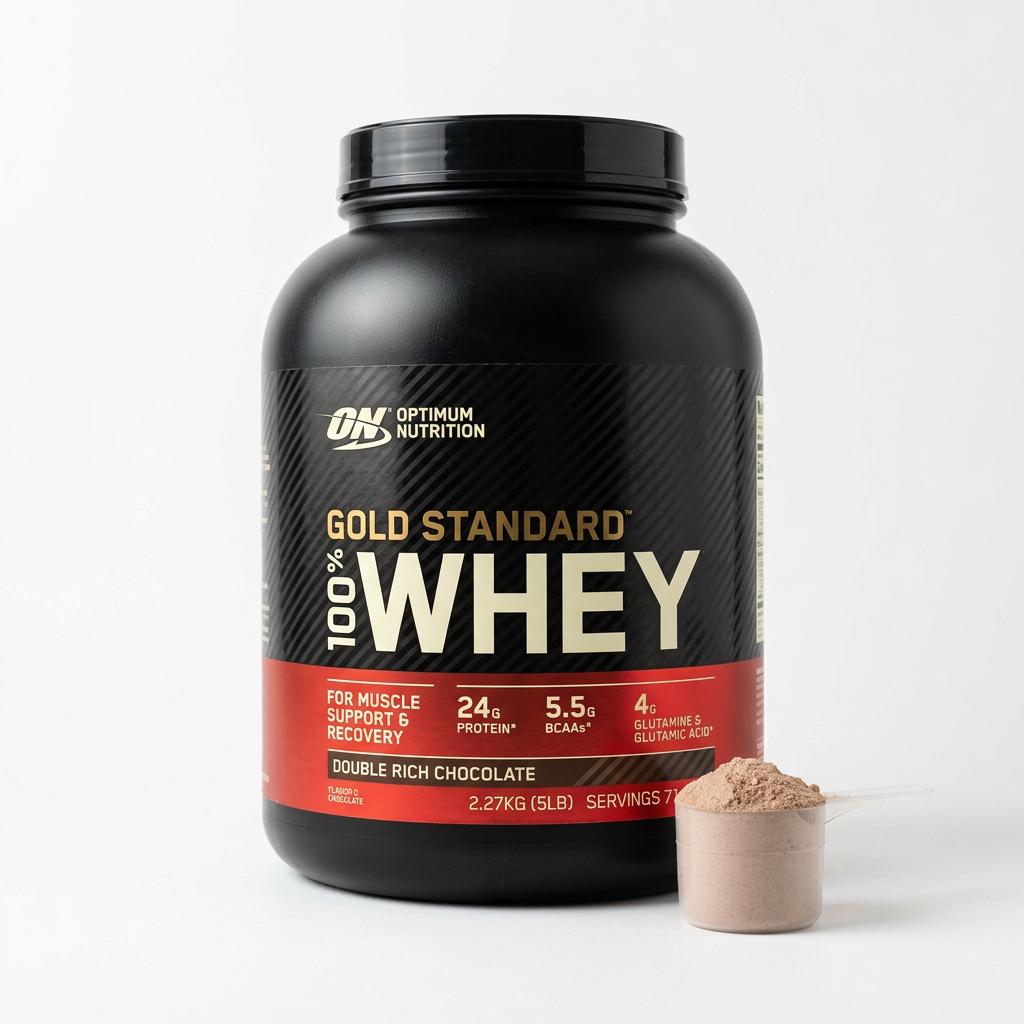
| Optimum Nutrition Gold Standard | Whey isolate + concentrate blend, lower calories (120 per serving) | Users wanting higher protein density at lower calories |
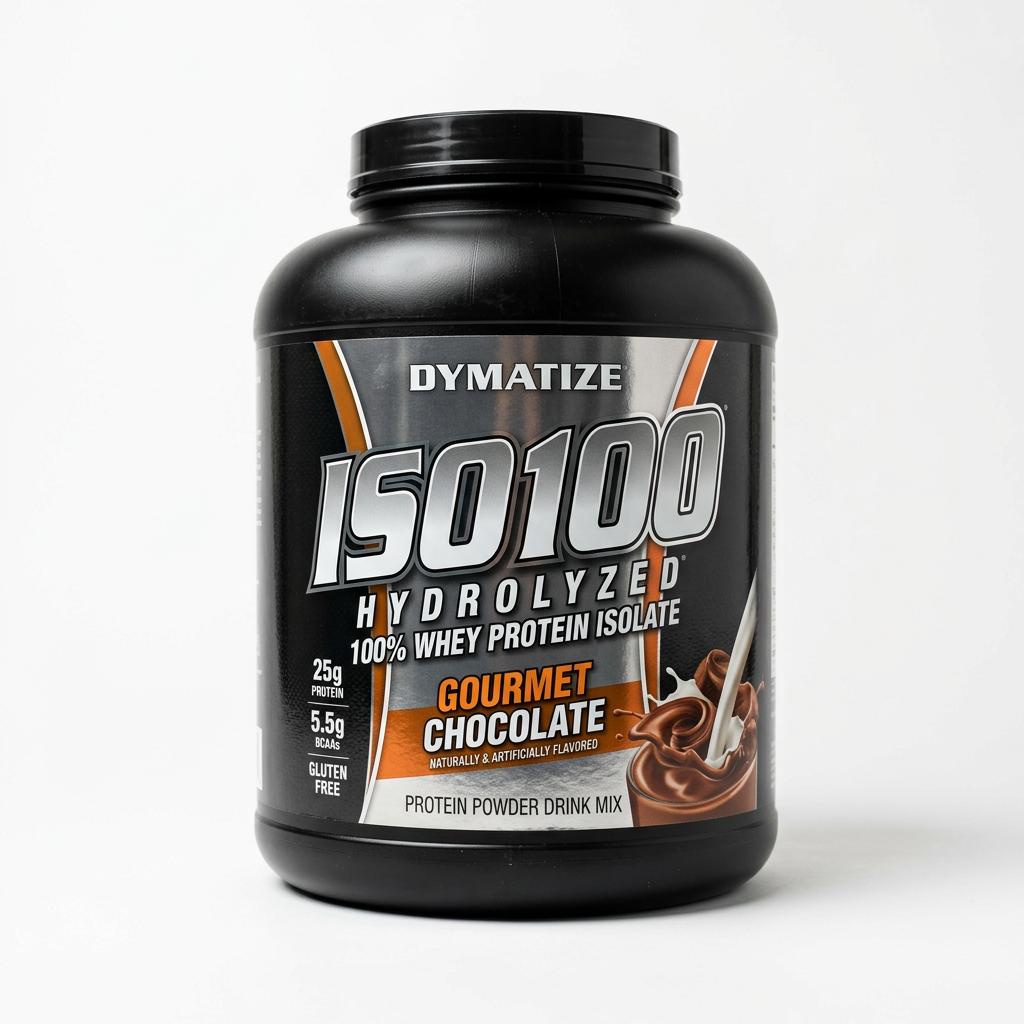
| Dymatize ISO100 | Pure whey isolate, minimal carbs/fat | Post-workout rapid absorption priority |
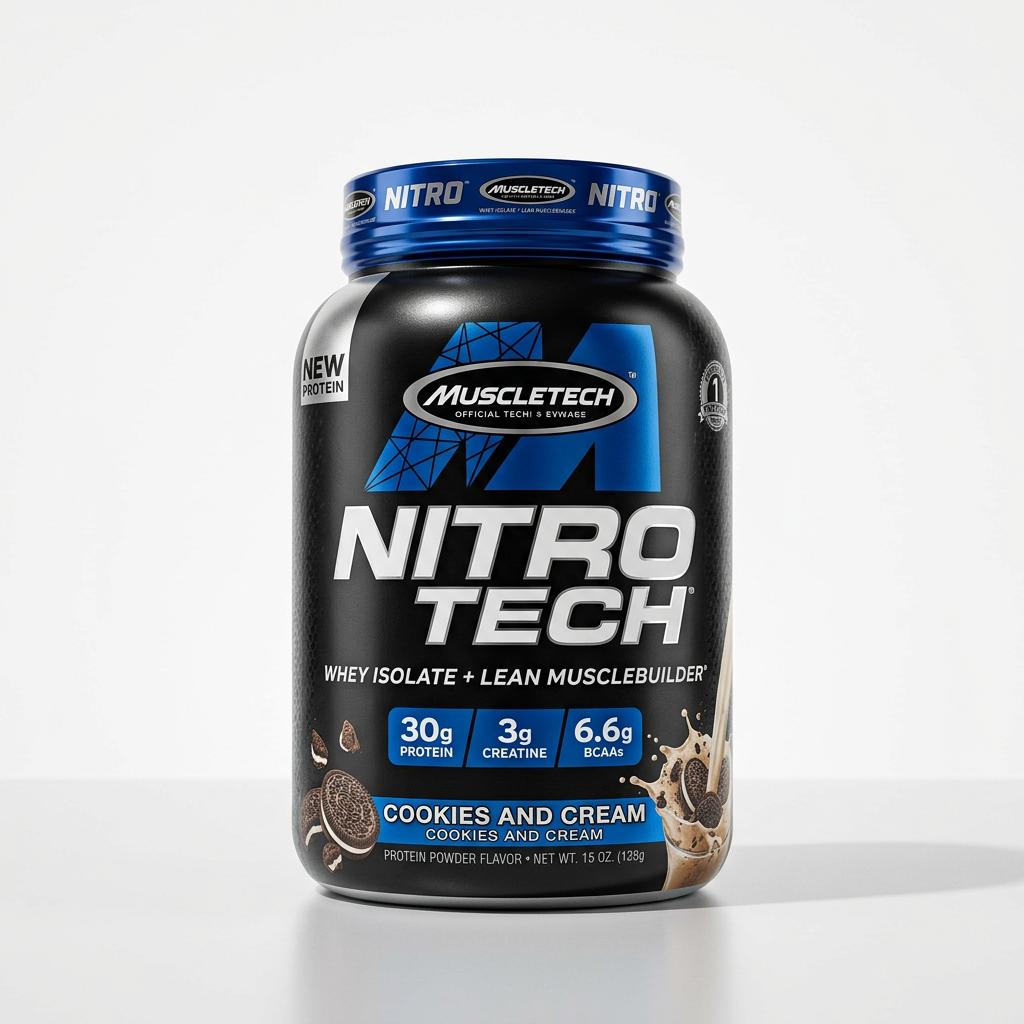
| MuscleTech Nitro-Tech | Whey isolate + creatine, higher protein (30g) | Those wanting added creatine and maximum protein per serving |
Last updated: April 2025. Nutritional data is based on manufacturer-published information. Individual protein needs vary. Consult a healthcare provider before beginning any supplementation program.
| Image | Product | Price | Badge | Link |
|---|---|---|---|---|
 |
BSN Syntha-6 Protein Powder | $35-$65 | Best Overall | Check Price |
 |
Optimum Nutrition Gold Standard 100% Whey | $30-$55 | Best Value | Check Price |
 |
Dymatize ISO100 Hydrolyzed Whey Isolate | $35-$70 | Best Isolate | Check Price |
 |
MuscleTech Nitro-Tech Protein Powder | $30-$50 | Best for Muscle Building | Check Price |
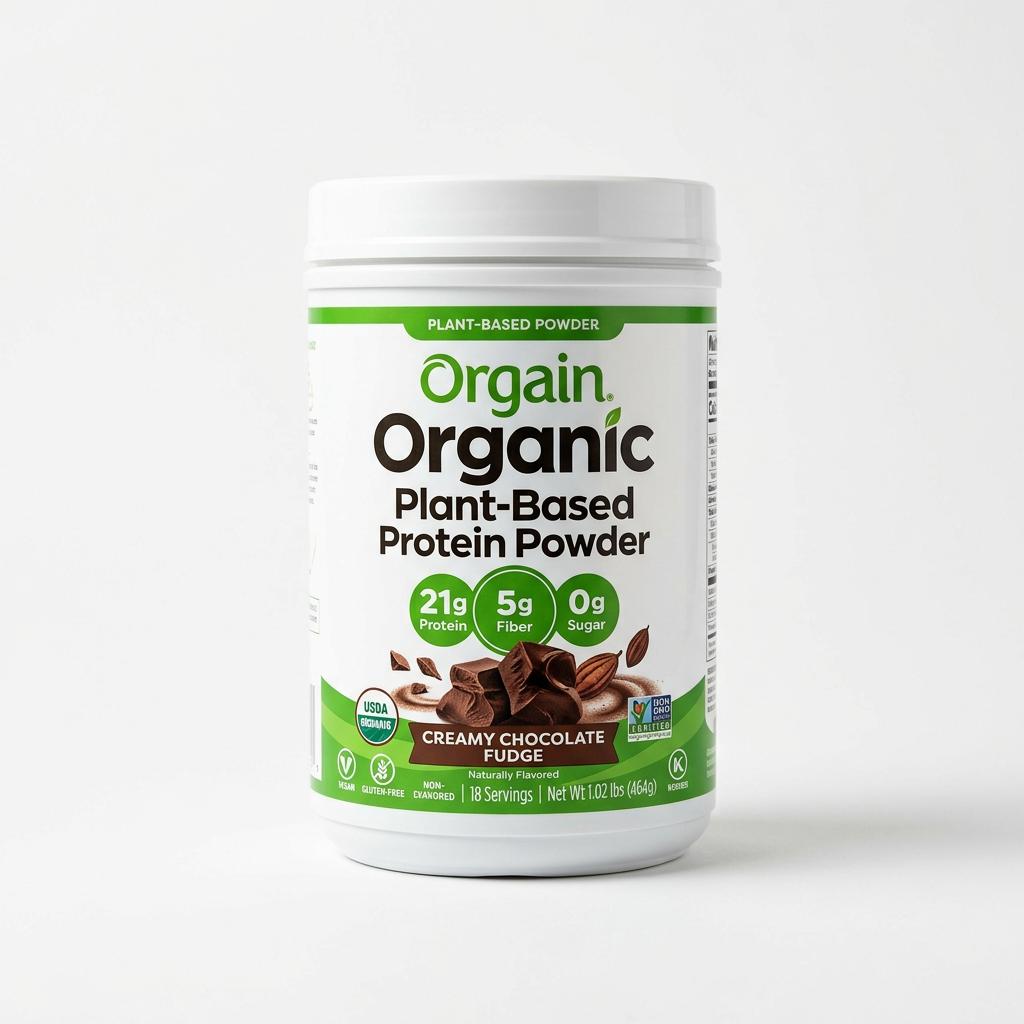 |
Orgain Organic Plant-Based Protein Powder | $20-$35 | Best Plant-Based | Check Price |
A premium multi-source protein powder that delivers exceptional taste and sustained-release nutrition for any time of day.
The world's best-selling whey protein delivers exceptional quality, taste, and value in every scoop.
An ultra-pure hydrolyzed whey isolate that delivers lightning-fast protein absorption for optimal recovery.
A research-backed protein formula enhanced with creatine for maximum muscle building potential.
A clean, organic plant-based protein that delivers complete nutrition without any artificial ingredients.
BSN Syntha-6 stands out as the gold standard for multi-source protein blends, combining whey concentrate, whey isolate, casein, milk protein isolate, egg albumen, and glutamine peptides. This unique blend provides both fast and slow-digesting proteins, making it ideal for post-workout recovery or as a meal replacement. The texture is remarkably smooth and the flavor profile rivals actual milkshakes, which makes it a favorite among users who struggle with the chalky taste of other protein powders. While the carb and fat content are slightly higher than pure isolates, the sustained amino acid release and incredible taste make it a worthwhile trade-off for most fitness enthusiasts.
Check Price on Amazon
Optimum Nutrition Gold Standard 100% Whey has earned its reputation as the best-selling protein powder worldwide for good reason. Each serving delivers 24 grams of premium whey protein isolate as the primary source, supplemented by whey peptides and concentrate for a complete amino acid profile. The instantized formula dissolves effortlessly in any liquid without clumping, and the extensive flavor range ensures there's an option for every taste preference. With Informed Sport certification and rigorous banned substance testing, it's trusted by elite athletes and everyday gym-goers alike. The combination of quality, affordability, and consistent results makes it a benchmark against which all other protein powders are measured.
Check Price on Amazon
Dymatize ISO100 takes protein purity to the next level with 100% hydrolyzed whey protein isolate, making it one of the fastest-absorbing protein powders available. The hydrolyzation process breaks down protein into smaller peptide chains, allowing for rapid absorption directly after intense training sessions. With just 110 calories per serving, less than 1 gram of sugar and fat, and a full 25 grams of protein, it's perfect for anyone tracking macros closely or following a cutting diet. Despite being an isolate, the Gourmet Chocolate flavor maintains a rich, satisfying taste that defies expectations for such a pure protein source. For athletes seeking maximum recovery efficiency without any unnecessary calories, ISO100 is the clear choice.
Check Price on Amazon
MuscleTech Nitro-Tech sets itself apart from standard protein powders by incorporating a clinically studied dose of creatine monohydrate directly into the formula, eliminating the need for a separate creatine supplement. With 30 grams of premium whey protein isolate and peptides per serving, plus 3 grams of creatine and 6.6 grams of BCAAs, it's engineered specifically for athletes focused on building lean muscle mass. The research-backed formulation has been shown in studies to help subjects build more muscle than those using regular whey protein alone. The Cookies and Cream flavor offers a delicious dessert-like experience that makes hitting protein targets enjoyable. For lifters seeking an all-in-one muscle-building solution, Nitro-Tech delivers exceptional value.
Check Price on Amazon
Orgain Organic Protein Powder has become the go-to choice for vegan and plant-based athletes seeking a clean protein source without compromising on quality. The thoughtful blend of pea protein, brown rice protein, and chia seeds provides a complete amino acid profile that rivals dairy-based options. With USDA Organic certification and a commitment to zero artificial ingredients, it's ideal for health-conscious consumers who prioritize clean nutrition. The Creamy Chocolate Fudge flavor is surprisingly smooth and enjoyable for a plant-based protein, with 21 grams of protein and 5 grams of fiber per serving. While the texture is slightly different from whey protein, the nutritional benefits and ethical sourcing make it a standout choice for anyone following a plant-based lifestyle.
Check Price on Amazon