The 5 Best Ab Benches for Home Gyms in 2025: Decline & Adjustable Benches Tested
Research-backed guide to best ab benches home for small-space home gyms....
SnugGym is an Amazon Associate. We earn from qualifying purchases at no extra cost to you. Learn more
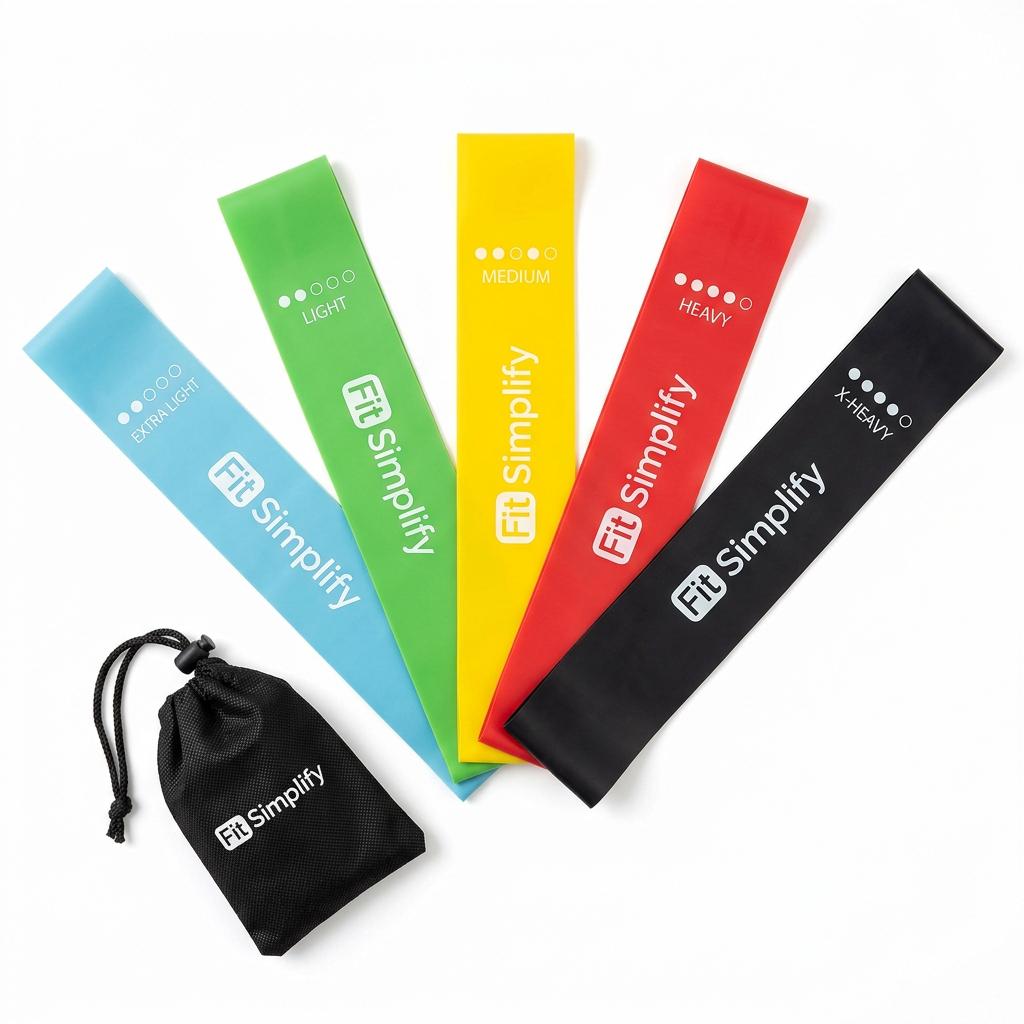
Comprehensive resistance band set with handles, door anchor, ankle straps, and carrying case.
The decision between bodyweight training and weight training takes on unique dimensions in apartment living. Floor load limits, noise sensitivity, space constraints, and lease restrictions create a decision framework that differs fundamentally from homeowners with dedicated gym rooms or garage spaces.
This comparison examines both training modalities through the lens of apartment-specific constraints, backed by scientific research on training outcomes.
Before comparing training modalities, understand the constraints:
| Constraint | Typical Apartment Specification | Impact on Equipment |
|---|---|---|
| Floor load | 40–50 lbs/sq ft ( residential) | Limits heavy racks, multiple plates |
| Noise sensitivity | Shared walls/floors/ceilings | Eliminates dropped weights |
| Space | 400–800 sq ft typical | Requires compact, storable equipment |
| Lease restrictions | No structural modifications | Wall-mounted racks require permission |
| Ceiling height | 8' standard, 9' premium | Limits rack height, overhead movements |
| Ventilation | Often limited | Affects cardio equipment usability |
A landmark 2022 meta-analysis in Sports Medicine compared bodyweight and weight training outcomes across 34 studies:
| Population | Bodyweight Effect Size | Weights Effect Size | Practical Difference |
|---|---|---|---|
| Beginners (0–1 year) | d = 0.78 | d = 0.82 | Negligible |
| Intermediate (1–3 years) | d = 0.61 | d = 0.79 | Moderate |
| Advanced (3+ years) | d = 0.42 | d = 0.85 | Significant |
Translation: For beginners, bodyweight and weight training produce virtually identical strength gains. As trainees advance, the ability to add precise external load becomes increasingly important for continued progression.
| Population | Bodyweight Effect Size | Weights Effect Size | Practical Difference |
|---|---|---|---|
| Beginners | d = 0.68 | d = 0.74 | Small |
| Intermediate | d = 0.52 | d = 0.71 | Moderate |
| Advanced | d = 0.35 | d = 0.68 | Significant |
Translation: Similar pattern to strength — equivalent for beginners, advantage to weights for advanced trainees seeking maximal muscle growth.
Both modalities produce equivalent fat loss when calories and protein are matched. The determining factor is total energy expenditure and dietary compliance, not training modality.
| Equipment Type | Footprint (in use) | Storage Size | Exercises Possible |
|---|---|---|---|
| Bodyweight only | Yoga mat (2' × 6') | None | 30+ |
| Suspension trainer | 6' × 4' zone | 8" × 6" bag | 60+ |
| Adjustable dumbbells | 4' × 4' zone | 2' × 1' tray | 40+ |
| Kettlebell | 4' × 4' zone | 1' × 1' | 25+ |
| Power tower (pull-up/dip) | 3' × 4' | Non-storable | 15+ |
| Folding squat rack | 7' × 7' | Wall-mounted | Unlimited (with weights) |
| Barbell + plates | 8' × 8' | Rack-dependent | Unlimited |
Bodyweight Winner: Zero storage requirement, instant deployment, training possible in hallways or small clearings between furniture.
Adjustable Winner for Weights: Selectable dumbbells like Bowflex SelectTech pack 15 sets of weights into a 2' × 1' tray — the most space-efficient weight option.
| Activity | Noise Level (dB) | Neighbor Impact | Bodyweight Alternative |
|---|---|---|---|
| Deadlift (controlled) | 50–60 dB | Minimal | Glute bridge, Nordic curl |
| Dumbbell bench press | 45–55 dB | Low | Push-up, TRX press |
| Kettlebell swing | 55–70 dB | Moderate | Jump squat, burpee |
| Barbell drop (accidental) | 90–110 dB | Severe | No equivalent risk |
| Plate-loaded machines | 50–65 dB | Low–Moderate | All bodyweight equivalents quieter |
| Bodyweight exercise | 30–45 dB | Negligible | Baseline |
| Suspension training | 30–40 dB | Negligible | Quietest option |
Bodyweight Winner: Bodyweight and suspension training operate at conversational speech volume levels. No risk of noise complaints.
| Tier | Equipment | Cost | Capabilities |
|---|---|---|---|
| Essential | None | $0 | Push-ups, squats, lunges, planks |
| Basic | Suspension trainer | $35–$85 | + rows, assisted exercises, core |
| Comprehensive | Above + pull-up bar | $60–$140 | + pull-ups, chin-ups, hanging core |
| Advanced | Above + dip station | $150–$280 | + weighted dips, VKR, L-sits |
| Elite | Above + rings/parallettes | $180–$350 | + muscle-ups, levers, handstands |
| Tier | Equipment | Cost | Capabilities |
|---|---|---|---|
| Essential | Resistance bands | $15–$40 | Band-resisted movements |
| Basic | Adjustable dumbbells (pair) | $150–$350 | Full dumbbell exercise library |
| Comprehensive | Above + bench | $250–$500 | + chest press, rows, step-ups |
| Advanced | Above + barbell + plates | $500–$1,000 | + compound barbell lifts |
| Elite | Above + rack | $800–$2,000 | + squat, bench, deadlift safely |
Bodyweight Winner: 70–80% lower cost at every tier. The $150 "Advanced" bodyweight setup matches the capabilities of a $500+ weight setup for general fitness goals.
| Equipment | Weight | Floor Load (4 sq ft) | Apartment Safe? |
|---|---|---|---|
| Bodyweight exerciser | 150–220 lbs | 37–55 lbs/sq ft | Yes (distributed) |
| Suspension trainer user | 150–220 lbs | 37–55 lbs/sq ft | Yes (distributed) |
| Dumbbell pair (52.5 lbs) | 105 lbs | 26 lbs/sq ft (stationary) | Yes |
| Power tower | 52 lbs + user | Concentrated at base | Yes (with mat) |
| Barbell + 135 lbs | 170 lbs | 42 lbs/sq ft (rack spread) | Marginal |
| Barbell + 225 lbs | 260 lbs | 65 lbs/sq ft | Risky in older buildings |
| Dropped 45-lb plate | Impact load | 500+ lbs instantaneous | No — damages structure |
Bodyweight Winner: Load is distributed across the body and through normal standing surfaces. No concentrated point loads or impact forces.
| Factor | Bodyweight | Weights | Winner |
|---|---|---|---|
| Permanent installation | Never required | Sometimes (racks, wall storage) | Bodyweight |
| Move-out process | Nothing to move | Heavy equipment to transport | Bodyweight |
| Security deposit risk | Zero | Potential floor damage | Bodyweight |
| Landlord approval | Never needed | Sometimes needed | Bodyweight |
| Building gym redundancy | None | Duplicates equipment | Tie |
Despite bodyweight advantages, specific scenarios justify weight training in apartments:
If your goal includes squatting 1.5× bodyweight, deadlifting 2× bodyweight, or competing in powerlifting, weights are mandatory. Bodyweight progressions eventually reach their limit for pure lower-body strength development.
Apartment Solution: Adjustable dumbbells + folding bench. Train heavy lower body at a commercial gym; do everything else at home.
Post-surgical or injury rehabilitation often requires precise load prescription that bodyweight cannot provide in small increments.
Apartment Solution: Light resistance bands + adjustable dumbbells at lower weights.
While bodyweight can build muscle, weights offer easier loading manipulation for bodybuilders seeking maximal hypertrophy.
Apartment Solution: Adjustable dumbbells provide sufficient loading for most hypertrophy goals without rack requirements.
Research and practical experience converge on a hybrid approach:
Primary: Bodyweight training
Why: Identical results to weights at lower cost, zero space requirements, and maximum renter compatibility.
Primary: Bodyweight + suspension training Supplement: Adjustable dumbbells for:
Equipment: TRX All-in-One + Bowflex SelectTech 552 + pull-up bar
Primary: Weight training (commercial gym or well-equipped home) Supplement: Bodyweight skills (handstands, levers, muscle-ups)
Equipment: Full barbell setup if space permits, or commercial gym membership + minimal home equipment for convenience.
| Criterion | Bodyweight | Weights | Winner |
|---|---|---|---|
| Space efficiency | ★★★★★ | ★★★☆☆ | Bodyweight |
| Noise level | ★★★★★ | ★★★☆☆ | Bodyweight |
| Cost (entry) | $0 | $150+ | Bodyweight |
| Renter-friendly | ★★★★★ | ★★★☆☆ | Bodyweight |
| Beginner results | Excellent | Excellent | Tie |
| Advanced strength | Moderate | Excellent | Weights |
| Maximal hypertrophy | Good | Excellent | Weights |
| Skill development | Excellent | Poor | Bodyweight |
| Portability | Perfect | Poor | Bodyweight |
| Long-term progression | Good | Excellent | Weights |
Final Recommendation: Start with bodyweight. Add weights selectively as you advance and as apartment constraints allow. The $150 investment in a suspension trainer and pull-up bar delivers 80% of fitness outcomes for 20% of the cost and 0% of the landlord risk.
Last updated: June 18, 2026. As an Amazon Associate, SnugGym earns from qualifying purchases.