The 5 Best Ab Benches for Home Gyms in 2025: Decline & Adjustable Benches Tested
Research-backed guide to best ab benches home for small-space home gyms....
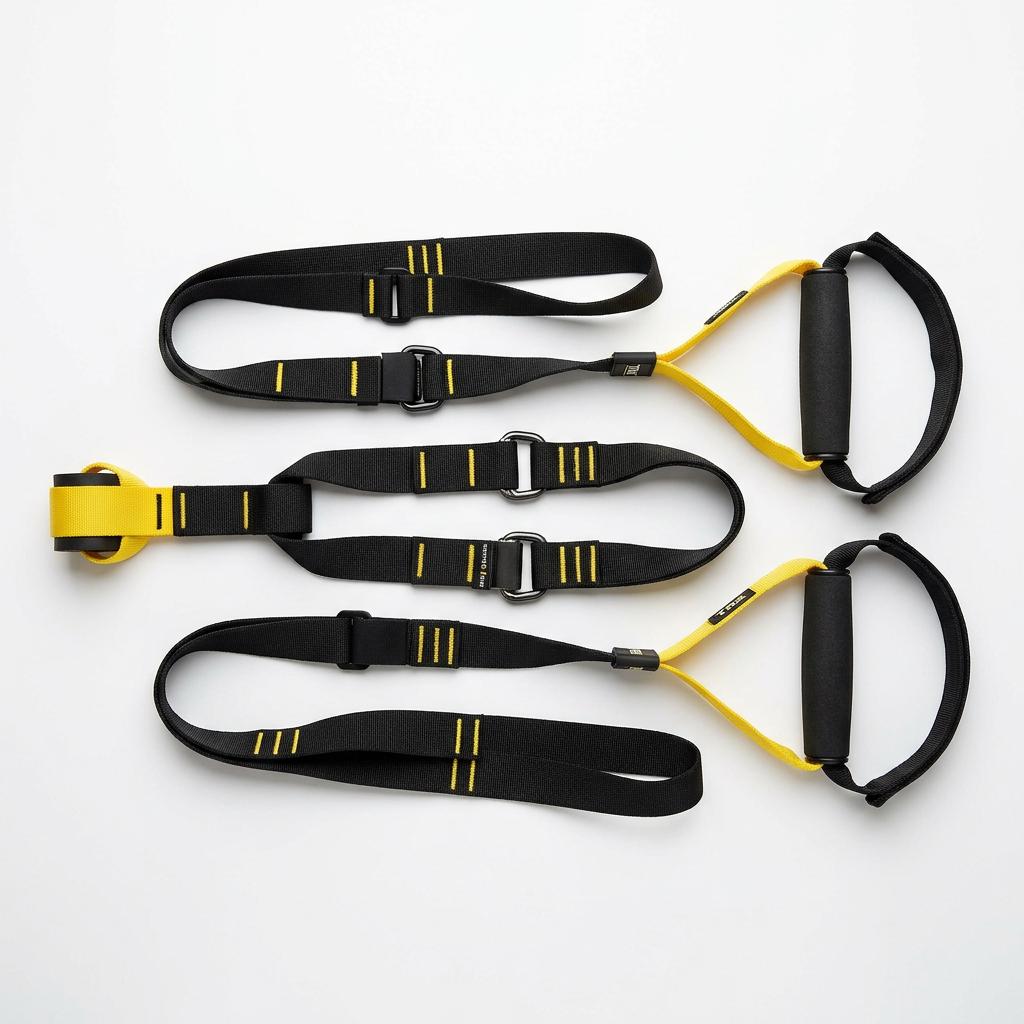
Master suspension training with our complete guide. TRX setup options, exercise library for upper body, lower body and core, workout programming, progressions, and apartment-friendly solutions.
FTC Disclosure: SnugGym earns from qualifying Amazon purchases. We test products independently and opinions are our own.
Evidence Mode: Research-Backed
Suspension training uses adjustable straps with handles to perform bodyweight exercises against gravity. By changing your body angle relative to the anchor point, you can increase or decrease resistance on any movement. A simple shift of your feet transforms a gentle row into a challenging strength exercise.
Developed by former Navy SEAL Randy Hetrick, the TRX Suspension Trainer brought this training modality mainstream. Today, suspension systems are staples in military fitness testing, professional athletic training, physical therapy clinics, and millions of home gyms worldwide.
Research supports suspension training effectiveness. A 2018 systematic review in the Journal of Fitness Research found that suspension training produced significant improvements in core stability, balance, and functional strength comparable to traditional resistance training. The instability element forces greater muscle activation — particularly in the core — compared to stable surface alternatives.
The TRX All-in-One Suspension Trainer remains the benchmark. Military-grade webbing rated to 350 pounds, smooth one-handed adjustment, ergonomic foam handles, and a 5-year warranty justify the premium price. The included app access provides hundreds of guided workouts for all fitness levels.
The WOSS Attack Trainer delivers genuine suspension training at under $70. Military-spec webbing supports 300 pounds. The cam-lock adjustment requires slightly more effort than the TRX but holds securely. For beginners testing suspension training or budget-conscious buyers wanting a backup travel system, this is an outstanding value.
The Lifeline Jungle Gym XT uses a unique split-anchor design where each strap mounts independently. This enables unilateral exercises — alternating rows, single-arm presses, split-stance work — that single-anchor systems cannot replicate as naturally. Physical therapists and athletic trainers favor this design.
The door anchor is the fastest, most versatile suspension training setup. No drilling. No permanent installation. Any sturdy interior door becomes a gym in 30 seconds.
How to install: Open the door slightly. Place the door anchor over the top edge with the padded side on the side you will not be using. Close and optionally lock the door. Thread the suspension trainer through the anchor loop. Test with bodyweight before full effort.
Safety requirements:
Best for: Renters, travelers, beginners, anyone needing non-permanent setup
A permanent wall or ceiling mount provides the most stable, highest-capacity anchor point. This is the professional installation standard.
How to install: Locate ceiling joists or wall studs using a stud finder. Mount the included bracket using heavy-duty lag bolts into structural lumber. Ensure the mount is rated for at least 3x your bodyweight. Professional installation is recommended for ceiling mounts.
Safety requirements:
Best for: Dedicated home gyms, garage gyms, permanent installations
Exposed beams, rafters, or sturdy pipes provide natural anchor points that require no installation hardware.
How to install: Wrap the included S-Anchor or suspension anchor around the beam. Thread the suspension trainer through the loop. Position so the straps hang vertically without rubbing against the beam edge.
Safety requirements:
Best for: Basements with exposed joists, garages with open rafters, outdoor pergolas
Parks, playgrounds, and outdoor structures expand your training environment.
How to install: Wrap the suspension anchor around a sturdy horizontal bar, pull-up station, or thick tree branch. Ensure the anchor point is between 7-9 feet high for most exercises. The straps should hang vertically without obstructions.
Safety requirements:
Best for: Outdoor training enthusiasts, park workouts, travelers
Muscles: Lats, rhomboids, rear deltoids, biceps, core
Setup: Face the anchor. Hold handles with palms facing each other. Walk feet toward the anchor until your body is at a 45-degree angle or lower.
Execution: Pull your chest to the handles, squeezing your shoulder blades together. Keep your body rigid — a straight line from head to heels. Lower under control.
Progression: Walk feet closer to the anchor (lower body angle) to increase difficulty. Elevate feet on a box for horizontal rowing. Add a weight vest for overload.
Regression: Walk feet away from the anchor (higher body angle) to decrease difficulty.
Muscles: Chest, front deltoids, triceps, core
Setup: Face away from the anchor. Hold handles at chest height. Walk feet back until body is at a shallow angle.
Execution: Lower your chest between the handles, bending elbows to 90 degrees. Press back to starting position, maintaining body rigidity.
Progression: Lower body angle (feet farther back). Elevate feet on a box or bench.
Regression: Increase body angle (more upright). Perform from a kneeling position.
Muscles: Biceps, forearms, core
Setup: Face the anchor. Palms face upward. Body at a shallow to moderate angle.
Execution: Curl handles toward your forehead, keeping elbows high and fixed. Squeeze biceps at the top. Lower slowly.
Progression: Decrease body angle. Pause at peak contraction.
Muscles: Triceps, core
Setup: Face away from anchor. Arms extended overhead, handles in hand. Body at a moderate angle.
Execution: Bend elbows, lowering body forward until hands are near your head. Extend arms to return.
Progression: Lower body angle. Slow the eccentric (lowering) phase to 3 seconds.
Muscles: Rear deltoids, rhomboids, external rotators
Setup: Face the anchor. Palms face down. Moderate body angle.
Execution: Pull handles to either side of your face, externally rotating the shoulders. Squeeze shoulder blades together.
Muscles: Quadriceps, glutes, hamstrings, core
Setup: Face the anchor. Hold handles lightly for balance. Feet shoulder-width apart.
Execution: Squat to full depth, using the handles for minimal assistance. Keep weight in your heels. Stand and squeeze glutes at the top.
Progression: Single-leg suspension squat (pistol squat progression). Add weight vest.
Muscles: Quadriceps, glutes, hamstrings, balance stabilizers
Setup: Face the anchor. One foot forward, one back in a split stance. Hold handles for balance.
Execution: Lower into a deep lunge. Drive through the front heel to stand. Complete all reps on one side before switching.
Progression: Suspension Bulgarian split squat (rear foot elevated). Add tempo variations (3-second lowering).
Muscles: Hamstrings, glutes, core
Setup: Lie on your back. Heels in foot cradles. Hips lifted off the ground.
Execution: Pull your heels toward your glutes, lifting hips higher. Extend slowly.
Progression: Single-leg curl. Perform from a bridge position with greater hip extension.
Muscles: Gastrocnemius, soleus
Setup: Face the anchor. Feet flat on the ground. Balls of feet on a raised surface (optional).
Execution: Rise onto your toes. Lower slowly, getting a full stretch at the bottom.
Muscles: Rectus abdominis, transverse abdominis, obliques, shoulders
Setup: Feet in cradles. Face down in a plank position. Hands under shoulders.
Execution: Hold a rigid body line from head to heels. Prevent hips from sagging or piking.
Progression: Suspension pike (pull feet toward hands, lifting hips). Suspension mountain climbers.
Muscles: Lower abs, hip flexors, obliques
Setup: Feet in cradles. Plank position.
Execution: Pull knees toward your chest, lifting hips slightly. Extend slowly.
Progression: Straight-leg pike (keep legs straight, lift hips to inverted V). Oblique tucks (pull knees to one side).
Muscles: Obliques, quadratus lumborum, shoulders
Setup: Feet stacked in one cradle. Side plank position on forearm.
Execution: Hold rigid side line. Top hip does not sag toward the floor.
Muscles: Core, hip flexors, shoulders, cardiovascular system
Setup: Feet in cradles. High plank position on hands.
Execution: Alternate driving knees toward chest in a running motion. Maintain stable shoulders and hips.
Frequency: 3x per week. Rest at least one day between sessions.
| Exercise | Sets | Reps | Rest |
|---|---|---|---|
| Suspension Row | 3 | 10-12 | 60s |
| Suspension Chest Press | 3 | 10-12 | 60s |
| Suspension Squat | 3 | 12-15 | 60s |
| Suspension Face Pull | 3 | 12-15 | 45s |
| Suspension Knee Tuck | 3 | 10-12 | 45s |
| Suspension Bicep Curl | 2 | 12-15 | 45s |
| Suspension Tricep Extension | 2 | 12-15 | 45s |
Workout time: 25-30 minutes
Frequency: 4x per week. Upper/lower split.
Upper Body Day:
| Exercise | Sets | Reps | Rest |
|---|---|---|---|
| Suspension Row (low angle) | 4 | 8-10 | 90s |
| Suspension Chest Press (low angle) | 4 | 8-10 | 90s |
| Suspension Face Pull | 3 | 12-15 | 60s |
| Suspension Pike Push-Up | 3 | 8-10 | 60s |
| Suspension Bicep Curl | 3 | 10-12 | 45s |
| Suspension Tricep Extension | 3 | 10-12 | 45s |
Lower Body Day:
| Exercise | Sets | Reps | Rest |
|---|---|---|---|
| Suspension Single-Leg Squat | 3 | 8-10/leg | 90s |
| Suspension Hamstring Curl | 3 | 10-12 | 75s |
| Suspension Lunge | 3 | 10-12/leg | 75s |
| Suspension Calf Raise | 3 | 15-20 | 45s |
| Suspension Plank | 3 | 30-45s | 45s |
| Suspension Knee Tuck | 3 | 12-15 | 45s |
Frequency: 4x per week. Circuit format for metabolic stress.
Perform each exercise for 40 seconds, rest 20 seconds, move to the next exercise. Complete 4 rounds. Rest 2 minutes between rounds.
Workout time: 20 minutes of intense work
Every suspension exercise can be made easier or harder by manipulating these variables:
1. Body Angle The closer your feet are to the anchor point (lower body angle), the more of your bodyweight you lift. Moving feet away decreases resistance. This is the primary adjustment method.
2. Base of Support Wide stances are more stable. Narrow stances increase instability and core demand. Single-leg or single-arm positions maximize instability.
3. Tempo Slow eccentrics (lowering phases) increase time under tension. A 3-second lowering phase significantly increases difficulty without changing position.
4. Range of Motion Partial ranges are easier. Full ranges maximize muscle recruitment. Extended ranges (beyond typical) challenge mobility and strength.
5. External Load Weight vests, chains, or holding dumbbells/kettlebells add resistance. Resistance bands can assist difficult movements or add load to easier ones.
Anchor Integrity Your anchor point is your lifeline. Inspect webbing, buckles, and anchor hardware before every session. Replace any component showing fraying, cracking, or deformation immediately.
Body Position Maintain a rigid body line in all plank-based positions. Sagging hips indicate core fatigue — either rest or regress the exercise angle.
Shoulder Health Do not hang with arms fully relaxed (dead hang) in suspension trainers. Maintain slight engagement to protect the shoulder capsule. If you experience shoulder pain, reduce range of motion and consult a professional.
Progress Gradually The ease of adjusting resistance tempts users to advance too quickly. Master each angle for 2-3 sessions before moving to a more challenging position.
Suspension training is ideal for apartment living — quiet, compact, and effective. Follow these guidelines for neighbor-friendly training:
Noise Control
Space Efficiency
Floor Protection
Building Considerations
Suspension training integrates seamlessly with other fitness approaches:
With Calisthenics: Use suspension trainers for row progressions while building toward pull-ups. Foot cradle knee tucks build toward hanging leg raises.
With Weight Training: Add suspension finishers after barbell sessions. Face pulls improve shoulder health for bench press. Hamstring curls complement deadlifts.
With Cardio: Suspension circuits provide strength-endurance training that supports running, cycling, and swimming performance.
With Yoga/Pilates: Suspension planks and core work develop the stability that advanced yoga poses demand.
Last updated: January 2025. Always consult a physician before beginning any exercise program.