The 5 Best Ab Benches for Home Gyms in 2025: Decline & Adjustable Benches Tested
Research-backed guide to best ab benches home for small-space home gyms....
Master plank variations and core isometric training with our complete guide. Standard, side, reverse, suspension, and weighted planks with programming guidelines and progression standards.
FTC Disclosure: SnugGym earns from qualifying Amazon purchases. We test products independently and opinions are our own.
Evidence Mode: Research-Backed
Isometric exercises — movements where muscle length does not change — are the foundation of core training. Your core's primary function is not to move your spine through large ranges of motion, but to resist movement and maintain posture under load. When you squat a heavy barbell, your core does not curl your torso forward; it prevents your torso from folding. When you carry groceries on one side, your core does not bend you sideways; it resists that bend.
Planks and their variations train these anti-movement functions directly. Research consistently shows that isometric core training produces significant improvements in spinal stability, reduced lower back pain, and enhanced athletic performance. A 2019 meta-analysis in the Journal of Physical Therapy Science found that plank-based training was as effective as dynamic core exercises for improving core stability, with particular benefits for individuals with chronic lower back pain.
This guide covers the complete spectrum of plank variations, from basic holds suitable for beginners to advanced variations that challenge even elite athletes.
Setup:
Key Cues:
Common Errors:
Progression Standard: Build to 3 sets of 60 seconds with perfect form before advancing.
For: Beginners who cannot maintain 30 seconds in a standard plank
Setup: Same as standard plank but with knees on the floor instead of toes. Maintain straight line from head to knees.
Volume: 3 sets of 30-45 seconds Progression: Extend one leg at a time until you can hold a full plank.
For: Trainees who have mastered the standard plank
Setup: From standard plank, walk your elbows forward approximately 6 inches so they are no longer directly under your shoulders. This increases the lever length, significantly increasing core demand.
Volume: 3 sets of 30-45 seconds Progression: Walk elbows farther forward as strength improves.
Targets: Obliques, quadratus lumborum, gluteus medius
Setup: Lie on your side. Prop yourself on one forearm, elbow directly under shoulder. Stack feet (harder) or stagger them (easier). Lift hips until your body forms a straight line from head to feet.
Key Cues:
Regression: Side plank from knees instead of feet Progression: Side plank with hip dips (lower and raise hips), side plank with leg raise
Volume: 3 sets of 30-45 seconds per side
Targets: Posterior chain — erector spinae, glutes, hamstrings, posterior deltoids
Setup: Sit on the floor with legs extended. Place hands behind you, fingers pointing toward your feet or outward. Press through hands and lift hips until your body forms a straight line from head to heels.
Key Cues:
Regression: Reverse plank from bent knees Progression: Reverse plank with alternating leg lifts
Volume: 3 sets of 20-40 seconds
Targets: Glutes, hamstrings, plus increased anti-rotation demand
Setup: Standard plank position. Lift one foot 6-8 inches off the floor. Hold. Switch sides.
Key Cues:
Volume: 3 sets of 30 seconds (alternating legs every 5 seconds)
Targets: Serratus anterior, shoulder stabilizers, increased anti-rotation demand
Setup: Standard plank position. Extend one arm straight forward. Hold. Switch sides.
Key Cues:
Volume: 3 sets of 30 seconds (alternating arms every 5 seconds)
Targets: Full anti-extension and anti-rotation challenge
Setup: Standard plank position. Extend opposite arm and leg simultaneously. Hold. Return to plank, then extend the other pair.
Key Cues:
Volume: 3 sets of 20-30 seconds of alternating extensions
Targets: Core stabilizers, shoulders
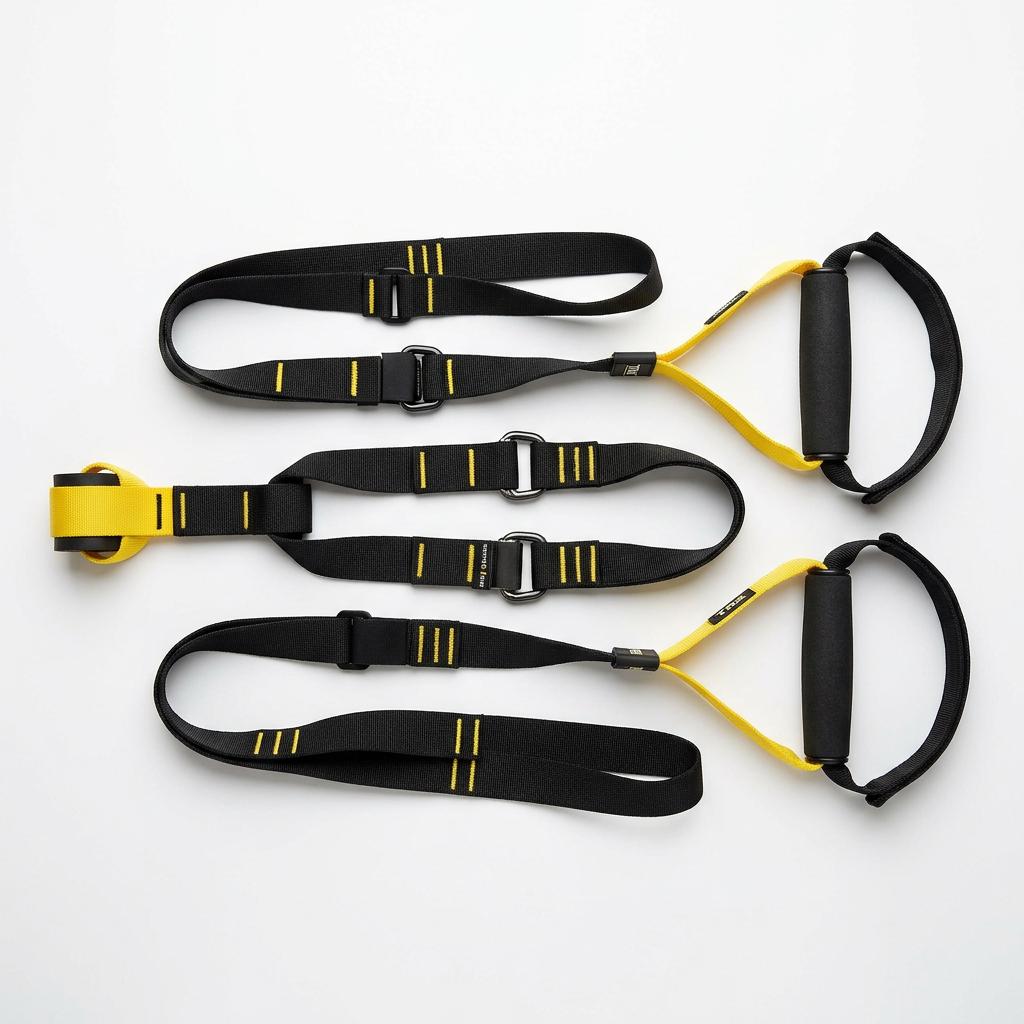
Setup: Feet in the cradles of a suspension trainer. Hands on the floor in standard plank position. The instability of the straps dramatically increases core demand.
Progression: Suspension pike — pull feet toward hands, lifting hips to inverted V position.
Volume: 3 sets of 30-45 seconds
Targets: Core, hip flexors, cardiovascular system
Setup: Feet in suspension trainer cradles. High plank position on hands. Alternately drive knees toward chest in a running motion.
Volume: 3 sets of 30-45 seconds
Targets: Increased intensity for advanced trainees
Setup: Standard plank with weight placed on your hips/back. Start with 10-25 pounds (plate or sandbag). Have a training partner place and remove the weight.
Progression: Increase weight by 5-10 pounds when you can hold 45 seconds with current weight.
Volume: 4 sets of 30-45 seconds
Targets: Increased instability challenge, shoulder stabilization
Setup: Forearms on a stability ball, feet on the floor. The ball's movement forces constant micro-adjustments.
Progression: Stability ball stir-the-pot — move forearms in small circles while maintaining plank position.
Volume: 3 sets of 30-45 seconds
Targets: Maximum full-body tension and core activation
Setup: Standard plank position. Generate maximum tension throughout your entire body — squeeze glutes, quads, abs, fists, and even jaw. Pull elbows toward toes (without moving) and toes toward elbows. Hold for maximum tension, not maximum time.
Key distinction: The RKC plank is about intensity, not duration. Holds typically last 10-20 seconds with maximal contraction.
Volume: 3-5 sets of 10-20 seconds of maximum effort
Targets: Core, shoulders, hamstring mobility
Setup: Standard plank. Push hips up and back into a downward dog position. Return to plank. Repeat.
Volume: 3 sets of 10-12 reps
Targets: Adductors (inner thigh), obliques
Setup: Side plank position with your top foot placed on a bench, chair, or box. Bottom leg extends under the bench with only the foot on the floor.
This is an advanced variation that places significant stress on the adductors. Build standard side plank to 60 seconds before attempting.
Volume: 3 sets of 20-30 seconds per side
The relationship between plank duration and difficulty is not linear. A 2-minute standard plank is less effective than 30 seconds of weighted plank or bird dog plank.
The Hierarchy of Progression:
Recommended Structure:
| Level | Primary Plank | Secondary Plank | Tertiary Plank | Total Time |
|---|---|---|---|---|
| Beginner | Standard 3x30s | Side plank 2x20s/side | Knee plank (if needed) | ~3 min |
| Intermediate | Standard 3x45s | Side plank 3x30s/side | Reverse plank 3x30s | ~5 min |
| Advanced | Long-lever 3x45s | Bird dog plank 3x30s | Weighted plank 3x30s | ~5 min |
| Elite | Weighted plank 4x45s | Copenhagen plank 3x30s | RKC plank 5x15s | ~6 min |
Use these benchmarks to determine when to advance:
| Plank Variation | Beginner Target | Intermediate Target | Advanced Target |
|---|---|---|---|
| Standard plank | 30 seconds | 60 seconds | 90 seconds |
| Side plank | 20 seconds/side | 45 seconds/side | 60+ seconds/side |
| Reverse plank | 15 seconds | 30 seconds | 45 seconds |
| Weighted plank (+25 lbs) | — | 30 seconds | 60 seconds |
| Long-lever plank | — | 30 seconds | 45 seconds |
| Bird dog plank | — | 20 seconds | 30 seconds |
| RKC plank | — | 10 seconds | 20 seconds |
Rule of thumb: When you can hold a variation for 60 seconds with good form, advance to a harder variation rather than continuing to extend time.
Frequency: 3x per week
| Exercise | Sets | Duration | Rest |
|---|---|---|---|
| Standard plank | 3 | 30 seconds | 30s |
| Side plank | 2 | 20s/side | 30s |
| Reverse plank | 2 | 15 seconds | 30s |
Total time: 5 minutes
Frequency: 3-4x per week
| Exercise | Sets | Duration | Rest |
|---|---|---|---|
| Long-lever plank | 3 | 40 seconds | 30s |
| Side plank (with hip dip) | 3 | 30s/side | 30s |
| Plank with leg raise | 3 | 30s (alt. 5s) | 30s |
| Reverse plank | 2 | 30 seconds | 30s |
Total time: 8 minutes
Frequency: 4x per week
Perform as a continuous circuit with minimal rest between exercises. Rest 60 seconds between rounds. Complete 3 rounds.
| Exercise | Duration |
|---|---|
| Weighted plank | 30 seconds |
| Side plank (left) | 20 seconds |
| Bird dog plank | 20 seconds |
| Side plank (right) | 20 seconds |
| RKC plank | 15 seconds |
| Copenhagen plank (left) | 15 seconds |
| Copenhagen plank (right) | 15 seconds |
Total time: ~10 minutes
Error 1: Sagging Hips The most common plank error. Sagging indicates core fatigue or insufficient strength. Fix: Squeeze glutes actively. If hips still sag, regress to knee plank or shorten hold time.
Error 2: Holding Breath Breath-holding (Valsalva maneuver) increases blood pressure and reduces hold time. Fix: Breathe normally throughout. Inhale and exhale steadily.
Error 3: Looking Forward Cranes the neck and disrupts spinal alignment. Fix: Gaze at the floor 6 inches in front of your hands.
Error 4: Shrugging Shoulders Indicates passive rather than active shoulder position. Fix: Push the floor away. Create space between ears and shoulders.
Error 5: Feet Too Wide Creates artificial stability that masks core weakness. Fix: Feet together or 6 inches apart maximum.
Error 6: Bouncing or Adjusting Constant micro-movements prevent genuine isometric contraction. Fix: Lock in position and hold absolutely still. Any adjustment ends the hold.
As a Warm-Up: 2-3 minutes of plank variations activate the core before squats, deadlifts, and overhead work.
As a Finisher: End strength sessions with a plank circuit to fully exhaust the core without compromising performance on compound lifts.
As Active Recovery: Light plank holds on rest days maintain core activation without fatigue.
For Lower Back Pain: Research supports daily plank training for reducing chronic lower back pain. Start with knee planks and progress gradually.
Last updated: January 2025. Stop any exercise that causes pain. Consult a physician for chronic lower back issues.