The 5 Best Ab Benches for Home Gyms in 2025: Decline & Adjustable Benches Tested
Research-backed guide to best ab benches home for small-space home gyms....
Master dip training from your first rep to weighted ring dips. Complete guide to form, equipment, assisted progressions, programming for chest vs tricep emphasis, and shoulder safety.
FTC Disclosure: SnugGym earns from qualifying Amazon purchases. We test products independently and opinions are our own.
Evidence Mode: Research-Backed
The dip is one of the most effective upper-body pressing exercises available. Unlike the bench press, which stabilizes your body on a fixed surface, the dip requires you to stabilize your entire body through space while pressing your full bodyweight. This instability recruits more muscle fibers, develops greater proprioception, and builds functional strength that transfers to push-ups, muscle-ups, and overhead pressing.
Research comparing dips to bench press shows comparable pec major and anterior deltoid activation, with dips producing greater lower pec fiber recruitment due to the vertical pressing angle. For complete chest development, dips are non-negotiable.
The dip also serves as a gateway skill. Mastering the parallel bar dip is a prerequisite for the ring dip, which is a prerequisite for the muscle-up. Your dip strength directly predicts your capacity for these advanced movements.
Setup:
Descent (Eccentric):
Press (Concentric):
Breathing:
Common Form Errors to Avoid:
A dedicated dip station provides the most stable, comfortable platform for dip training.
The zero-cost entry point. Two sturdy chairs back-to-back, or a kitchen counter corner, provide functional dip training surfaces.
Safety: Verify chair stability before each rep. Place chairs against a wall to prevent tipping. Do not use chairs with wheels. Counter dips should only use solid counters bolted to cabinetry, not freestanding islands.
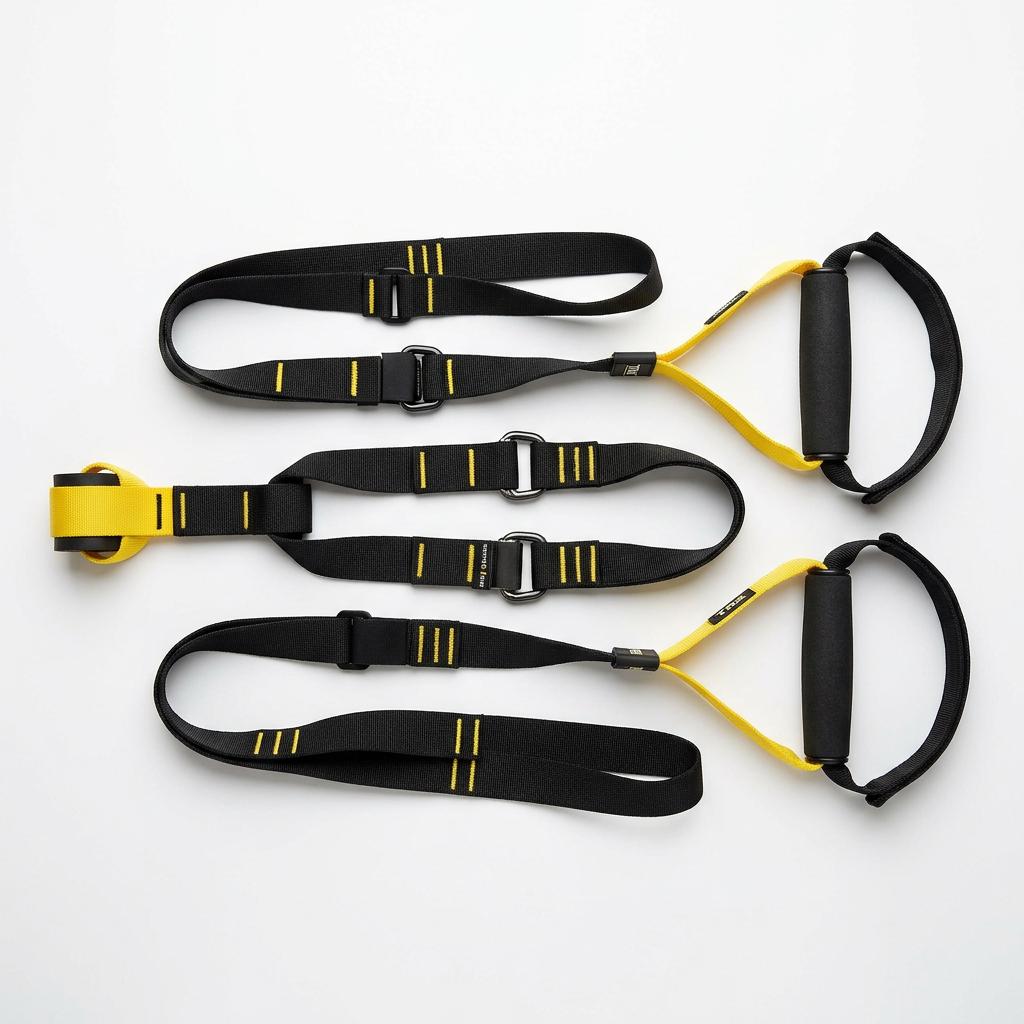
Ring dips are the advanced expression of dip training. The instability of the rings recruits significantly more stabilizer muscle and develops genuine functional strength.
Low parallettes provide a wrist-friendly dip option with a neutral grip position.
For trainees who cannot yet perform a bodyweight dip, bench dips build baseline pressing strength.
Setup: Sit on the edge of a bench or chair. Place hands at your sides, fingers forward. Feet flat on the floor (easier) or extended (harder).
Execution: Slide hips off the bench. Lower until upper arms are parallel to the floor. Press back up.
Volume: 3 sets of 8-12 reps
Progression: Extend legs farther forward. Elevate feet on another bench. Add weight to your lap.
Eccentric-only training builds the lowering strength needed for full dips.
Setup: Use a dip station, chairs, or parallettes. Jump or step to the top position (arms extended).
Execution: Lower yourself as slowly as possible — aim for 5-8 seconds. Step back up and repeat.
Volume: 3-5 sets of 3-5 reps
Progression: Extend lowering time. Add partial reps at the bottom.
Resistance bands provide calibrated assistance through the full range of motion.
Setup: Loop a heavy resistance band across both dip bars. Kneel in the band. The band supports a portion of your bodyweight.
Execution: Perform full dips with band assistance. Focus on pressing through the full range.
Volume: 3 sets of 5-8 reps
Progression: Use progressively thinner bands. Start with heavy band (60-80 lbs assistance), move to medium (30-50 lbs), then light (15-25 lbs).
If you have gym access, the assisted dip machine provides consistent, adjustable assistance.
Setup: Select assistance weight (counterbalance). Kneel on the platform.
Execution: Perform full dips. Gradually reduce assistance weight each week.
Progression: Reduce assistance by 5-10 pounds per week until you reach unassisted dips.
The foundational goal. Full bodyweight dips with proper form.
Volume: 3-4 sets of 6-10 reps
Progression: Add reps until you can perform 3 sets of 12. Then begin adding weight.
Once 12+ bodyweight reps are achievable, weighted dips provide the progressive overload needed for continued strength development.
Loading methods:
Volume: 4-5 sets of 5-8 reps (strength focus) or 3 sets of 8-10 reps (hypertrophy focus)
Progression: Add 2.5-5 pounds per week. When you can complete all sets at the top of the rep range, increase weight.
Ring dips represent a significant step up in difficulty due to the instability factor. They should only be attempted after mastering 10+ strict parallel bar dips.
Setup: Mount gymnastic rings to a sturdy pull-up bar or beam. Adjust straps so rings are at a height where you can mount without jumping.
Key differences from bar dips:
Progression to ring dips:
The ultimate dip expression. Combines the instability of rings with external loading.
Prerequisites: 10+ strict ring dips, healthy shoulders, solid support hold with rings turned out.
Loading: Use a dip belt. Start with 10 pounds and progress gradually. The instability makes significantly lighter loads feel heavier than on fixed bars.
Dips are versatile — small form adjustments shift emphasis between chest and triceps.
Form adjustments:
Programming:
Exercise pairing: Pair with push-ups, dumbbell flyes, or cable crossovers for complete chest development.
Form adjustments:
Programming:
Exercise pairing: Pair with close-grip bench press, overhead extensions, or diamond push-ups for complete tricep development.
Dips are safe for healthy shoulders but can aggravate existing issues. Follow these guidelines:
Range of Motion Boundaries:
Shoulder Warm-Up (perform before every dip session):
Warning Signs to Stop:
If you experience any of these, stop dip training and consult a physical therapist. Often, a period of rehab focusing on rotator cuff strengthening and shoulder mobility resolves the issue.
Who Should Avoid Dips:
Mistake 1: Partial range of motion Fix: Use assistance (band, machine, or partner) to achieve full range. Quarter-reps build quarter-strength.
Mistake 2: Excessive forward lean on every rep Fix: The forward lean is a tool for chest emphasis, not the default position. Train both variations.
Mistake 3: Descending too deep Fix: Stop at upper-arm parallel. Below-parallel dipping increases injury risk without proportional benefit.
Mistake 4: Shrugging shoulders Fix: Actively depress your shoulders (push them down away from ears) throughout the movement.
Mistake 5: Using momentum Fix: Perform strict reps. If you need to swing or kip, use assistance and build baseline strength.
Mistake 6: Neglecting progression Fix: Track your reps and weight. Add weight when you can complete all sets at the top of your rep range.
Frequency: 2x per week
| Exercise | Sets | Reps | Rest |
|---|---|---|---|
| Bench dip | 3 | 8-12 | 60s |
| Negative dip | 3 | 3-5 | 90s |
| Push-up hold (plank) | 3 | 20s | 45s |
| Band pull-apart | 2 | 15 | 30s |
Frequency: 2-3x per week
| Exercise | Sets | Reps | Rest |
|---|---|---|---|
| Bodyweight dip | 4 | 6-10 | 90s |
| Weighted dip (light) | 3 | 8-10 | 90s |
| Ring support hold | 3 | 20s | 60s |
| Face pull | 3 | 15 | 45s |
Frequency: 2x per week
| Exercise | Sets | Reps | Rest |
|---|---|---|---|
| Weighted ring dip | 5 | 5-8 | 120s |
| Weighted parallel bar dip | 3 | 8-10 | 90s |
| Ring dip negative | 3 | 5 | 90s |
| Cuban press | 3 | 12 | 45s |
Last updated: January 2025. Always consult a physician before beginning any exercise program. Stop immediately if you experience shoulder pain.