Barbells vs Dumbbells for Home Gyms
The barbell versus dumbbell debate is really about your training goals, available space, and budget. Barbells excel at heavy compound movements and progressive overload. Dumbbells offer greater exercise variety, safer solo training, and better muscle activation through increased range of motion. Most home gyms benefit from both.
Barbells
Best for heavy compound lifts, maximum strength development, and efficient progressive overload. The go-to choice for squats, deadlifts, bench press, and overhead press.
- ✓Higher absolute loads possible
- ✓More efficient for compound lifts
- ✓Easier progressive overload (smaller plates)
- ✓Lower cost per pound of weight
Dumbbells
Best for exercise variety, unilateral training, safer solo workouts, and hypertrophy through full range of motion. Essential for isolation work and correcting imbalances.
- ✓Greater range of motion per exercise
- ✓Fixes muscle imbalances (unilateral)
- ✓Safer to train alone — drop safely
- ✓Much more compact for home storage
At a Glance
| Product | Type | Price | Key Spec | Best For |
|---|---|---|---|---|
| Body-Solid OB86B | Barbell | $130-160 | 7 ft (86 in) | Heavy compound lifts |
| CAP Barbell 300lb Set | Plates | $300-350 | 45, 35, 25, 10, 5, 2.5 lb pairs | Heavy compound lifts |
| PowerBlock Elite EXP | Dumbbells | $350-400 | 5-50 lbs per hand | Hypertrophy & variety |
| Amazon Basics Neoprene | Dumbbells | $55-65 | 3, 5, 8, 10, 12, 15 lb pairs | Hypertrophy & variety |
Our Picks
Top recommendations for both barbell and dumbbell-focused home gyms.
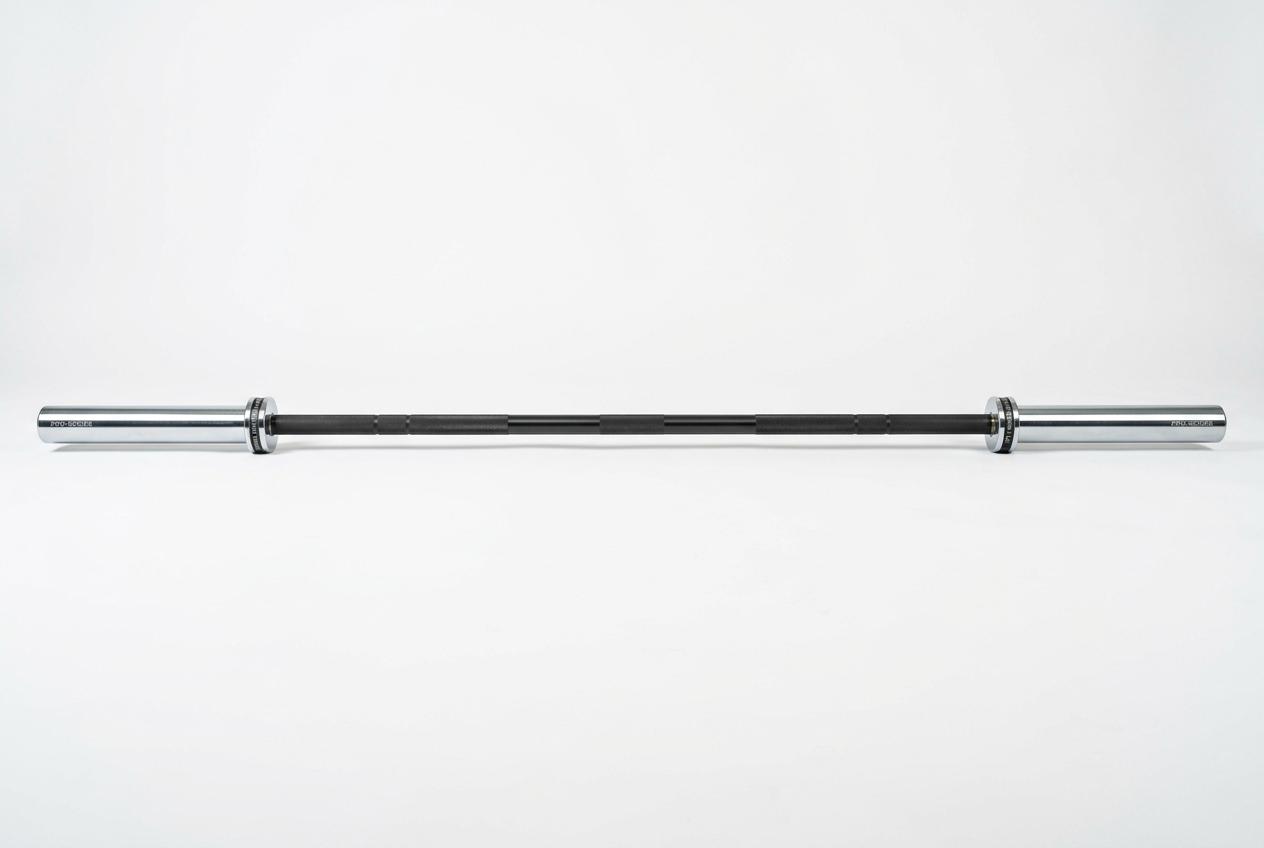
Body-Solid OB86B
The Body-Solid OB86B is the foundation of heavy compound lifting. This 7-foot Olympic barbell features aggressive knurling that lo...
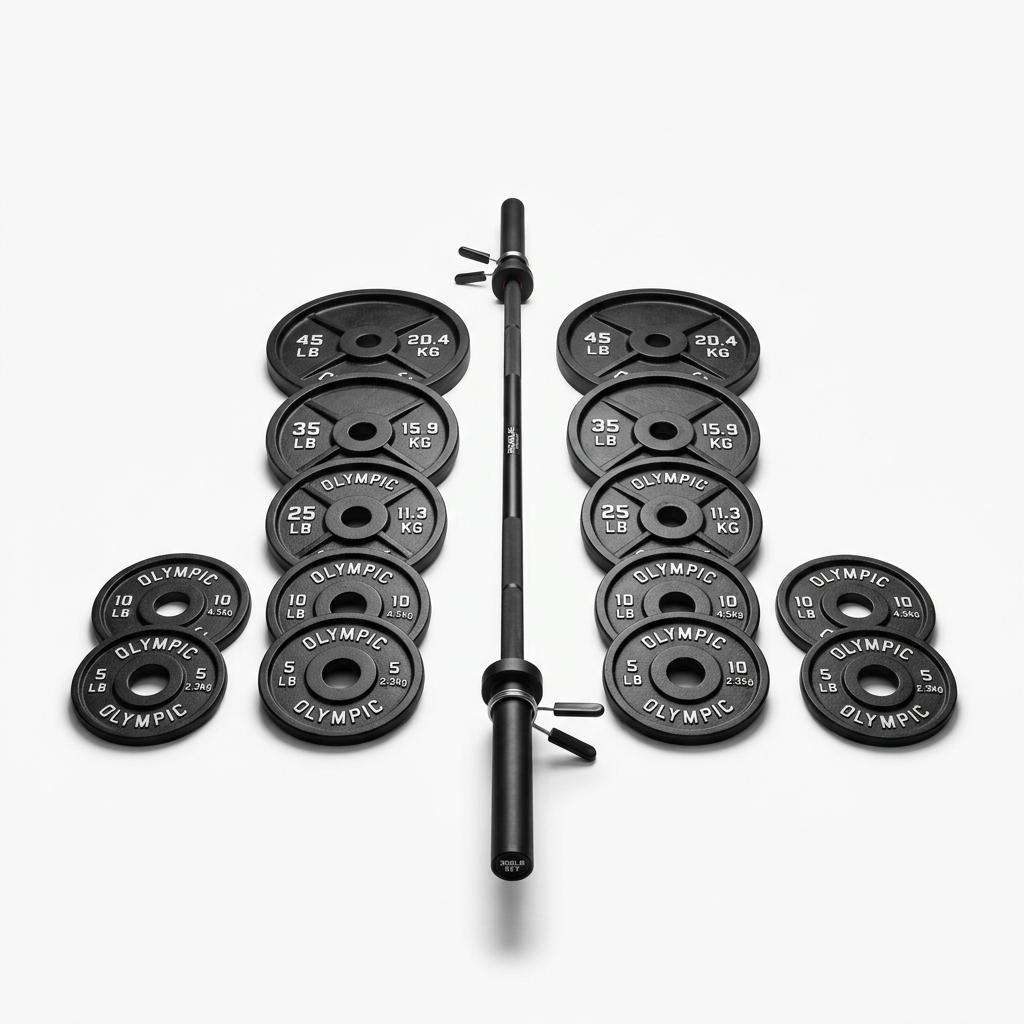
CAP Barbell 300lb Set
This CAP Barbell set gives you everything needed to start barbell training in one purchase. The 300-pound total includes a full ra...
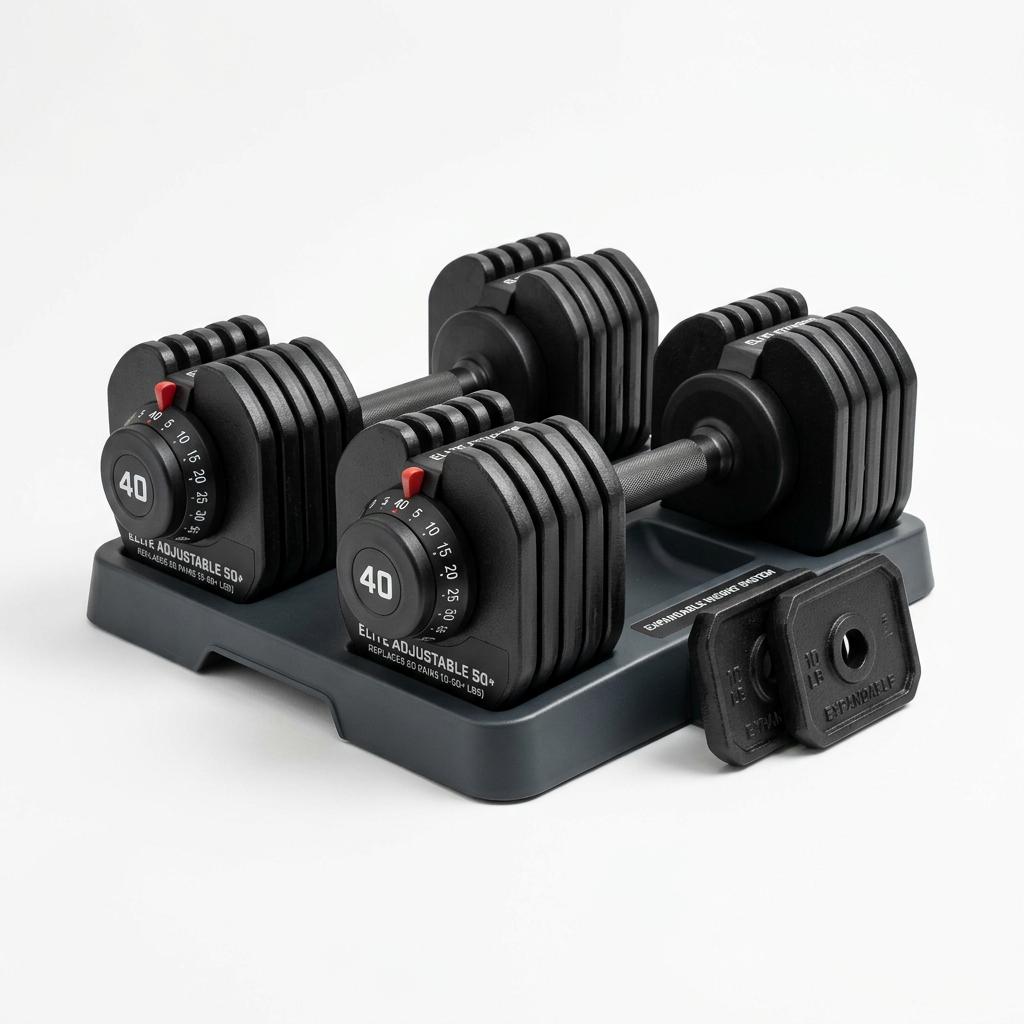
PowerBlock Elite EXP
The PowerBlock Elite EXP is the most space-efficient way to access a full dumbbell weight spectrum at home. The Stage 1 set provid...
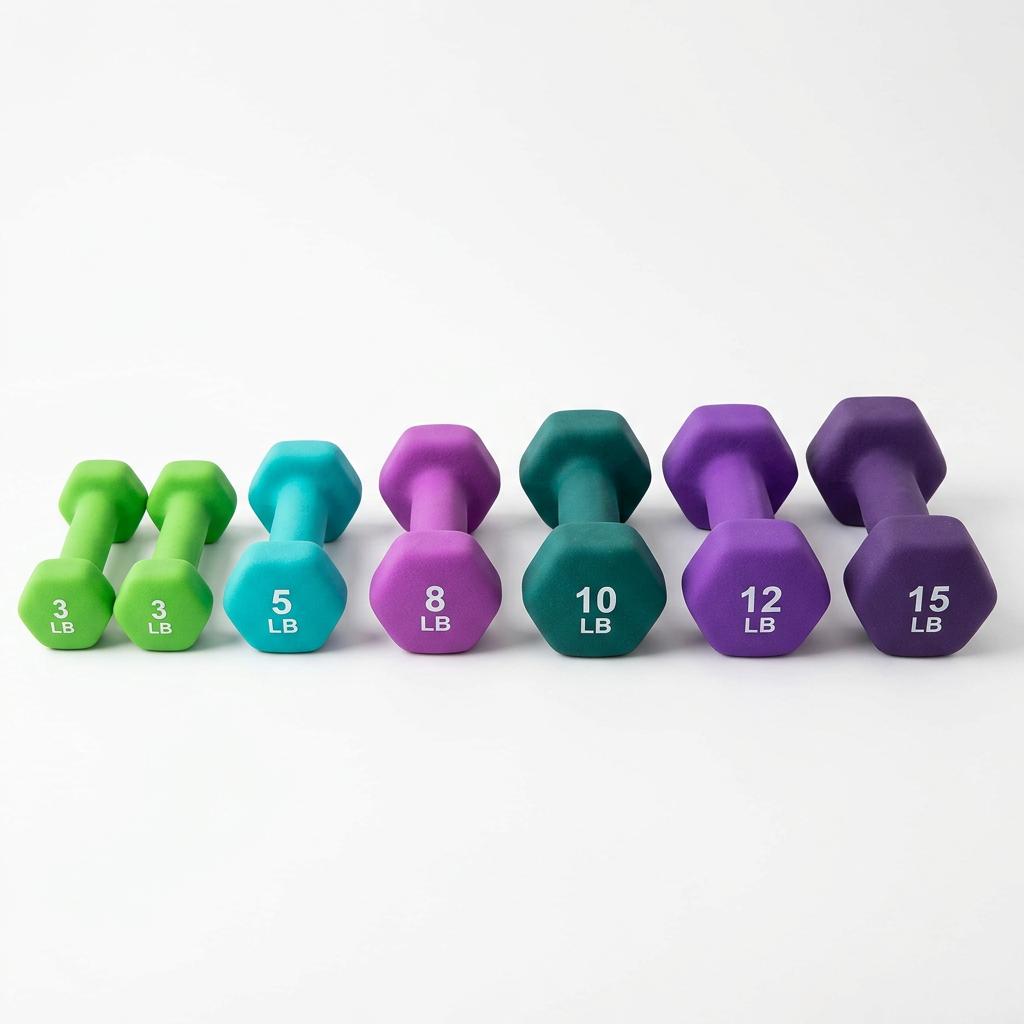
Amazon Basics Neoprene
For beginners learning proper movement patterns, light fixed-weight dumbbells are ideal. This Amazon Basics set provides six weigh...
Detailed Reviews
Body-Solid OB86B Olympic Barbell
The Body-Solid OB86B is the foundation of heavy compound lifting. This 7-foot Olympic barbell features aggressive knurling that locks into your hands during deadlifts and squats, a 600-pound weight capacity that supports years of strength progression, and chrome sleeves that fit all standard Olympic plates.
Pros
- Professional-grade knurling for grip
- 600lb capacity supports years of progress
- Black oxide finish resists rust
- Center knurl for back squats
Cons
- Bushing rotation (not bearing)
- No whip for Olympic lifts
- May need oiling over time
CAP Barbell 300lb Olympic Weight Set
This CAP Barbell set gives you everything needed to start barbell training in one purchase. The 300-pound total includes a full range of plate sizes and a 7-foot Olympic bar. While the plates lack rubber coating, the price per pound is exceptional for beginners building their first home gym.
Pros
- Complete starter set — everything included
- All standard plate sizes
- Excellent price per pound
- Durable cast iron construction
Cons
- Not rubber-coated (noisy)
- Basic included barbell
- Significant floor space needed
PowerBlock Elite EXP 5-50lb
The PowerBlock Elite EXP is the most space-efficient way to access a full dumbbell weight spectrum at home. The Stage 1 set provides 5-50 lbs per hand, expandable to 70 lbs (Stage 2) or 90 lbs (Stage 3). The compact block design occupies less than two square feet while replacing an entire dumbbell rack.
Pros
- Replaces 16 pairs in shoebox space
- Expandable as you get stronger
- Fast pin-selector adjustment
- Durable welded steel build
Cons
- Block shape feels different initially
- No rubber coating
- Higher cost than fixed sets
Amazon Basics Neoprene Dumbbells 3-15lb
For beginners learning proper movement patterns, light fixed-weight dumbbells are ideal. This Amazon Basics set provides six weight increments from 3-15 lbs — perfect for isolation work, rehab exercises, and mastering form before moving to heavier loads. The neoprene coating protects floors and the hex shape prevents unwanted rolling.
Pros
- Perfect for learning movements
- Neoprene protects floors
- Hex shape prevents rolling
- Extremely affordable
Cons
- Fixed weights — no adjustment
- 15lb max limits progression
- Requires storage for 6 pairs
Our Verdict: Get Both If Possible
For pure strength and efficiency, barbells win. You can lift more weight, progress in smaller increments, and move through compound lifts faster. For hypertrophy, safety, and exercise variety, dumbbells take the crown. The increased range of motion, unilateral training benefits, and safer solo training make dumbbells indispensable.
If budget and space force a choice, we recommend starting with the PowerBlock Elite EXP dumbbells. They offer enough weight for 12-18 months of progress, take up virtually no space, and can be expanded later. Add a barbell setup when you have the room and budget — the CAP 300lb set plus the Body-Solid OB86B barbell is the natural next step.
Start with Barbells If:
- • You have room for a rack and plates
- • Strength is your primary goal
- • You train with a partner for safety
- • Budget allows for rack + bar + plates
Start with Dumbbells If:
- • Space is severely limited
- • You train alone most of the time
- • Muscle building is your primary goal
- • You want quieter workouts (apartments)